Jug 'Bartmann jug' with the coat of arms of England — History & Facts
This sentiment resonates deeply when observing the intricacies of porcelain, where each curve and color conceals more than mere decoration. The Bartmann jug, a vessel of historical significance, serves as a testament to the complexities of its time, merging artistry with a deeper narrative of human experience. Look closely at the ornate coat of arms emblazoned on the jug’s surface. Notice how the gilded elements catch the light, their shimmer inviting you in while also casting shadows that hint at hidden stories.
The craftsmanship reveals not only the skill of the maker but also the cultural pride of an era, where every detail—be it the texture of the clay or the precision of the heraldry—holds weight and meaning. The jug's stature and form echo the social norms of the time, suggesting a blend of function and elegance that resonates across centuries. Yet, beyond its aesthetic allure lies the reminder of the societal hierarchies it represents. The coat of arms stands as a symbol of status, a façade that belies the struggles of those who aspired to such prestige.
The jug, in its beauty, reflects the illusion of grandeur, while the wear and imperfections hint at the very human experiences behind its creation—the labor, the aspirations, and the disparities of wealth that maintained these artifacts of culture. This particular work dates back to between 1550 and 1570, emerging from a period marked by both artistic experimentation and social change. Crafted by an unknown artisan, it reflects the burgeoning interest in ceramics during the Renaissance, a time when Europe was grappling with its identity amidst the reformation and the rise of commerce. The jug embodies not just the artistry of its maker but also the zeitgeist of an era caught between tradition and innovation.
More Artworks by Unknown Artist
Browse all →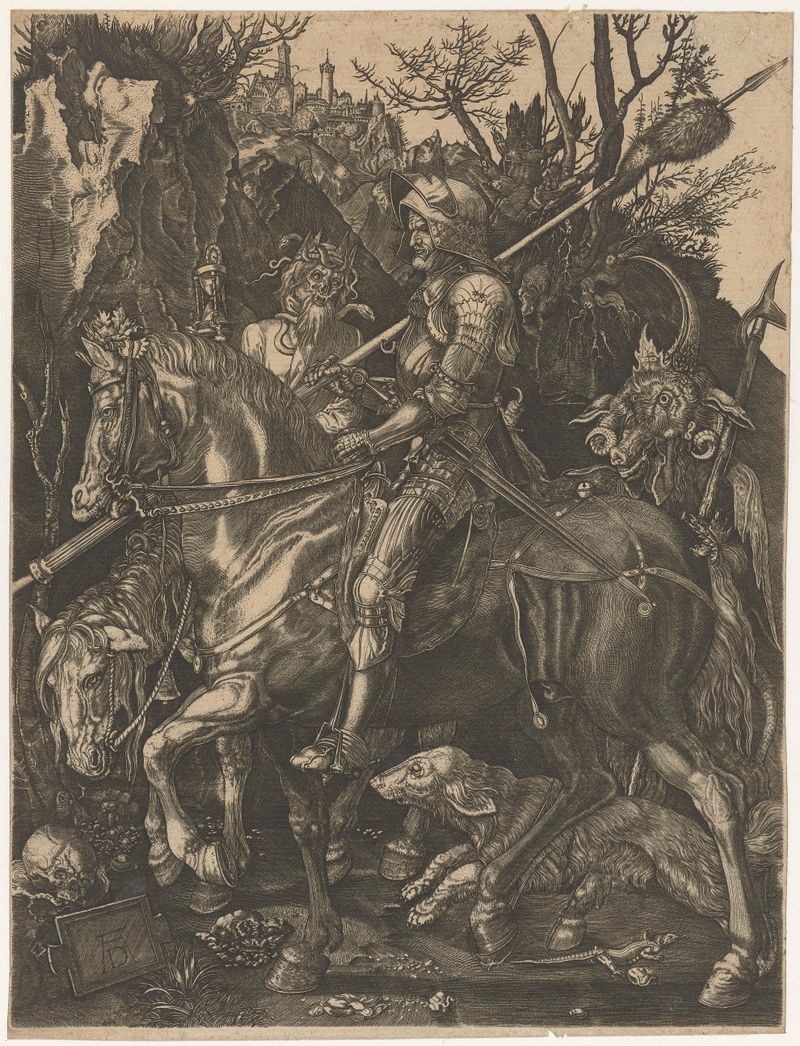
Ridder, Dood en Duivel
Unknown Artist
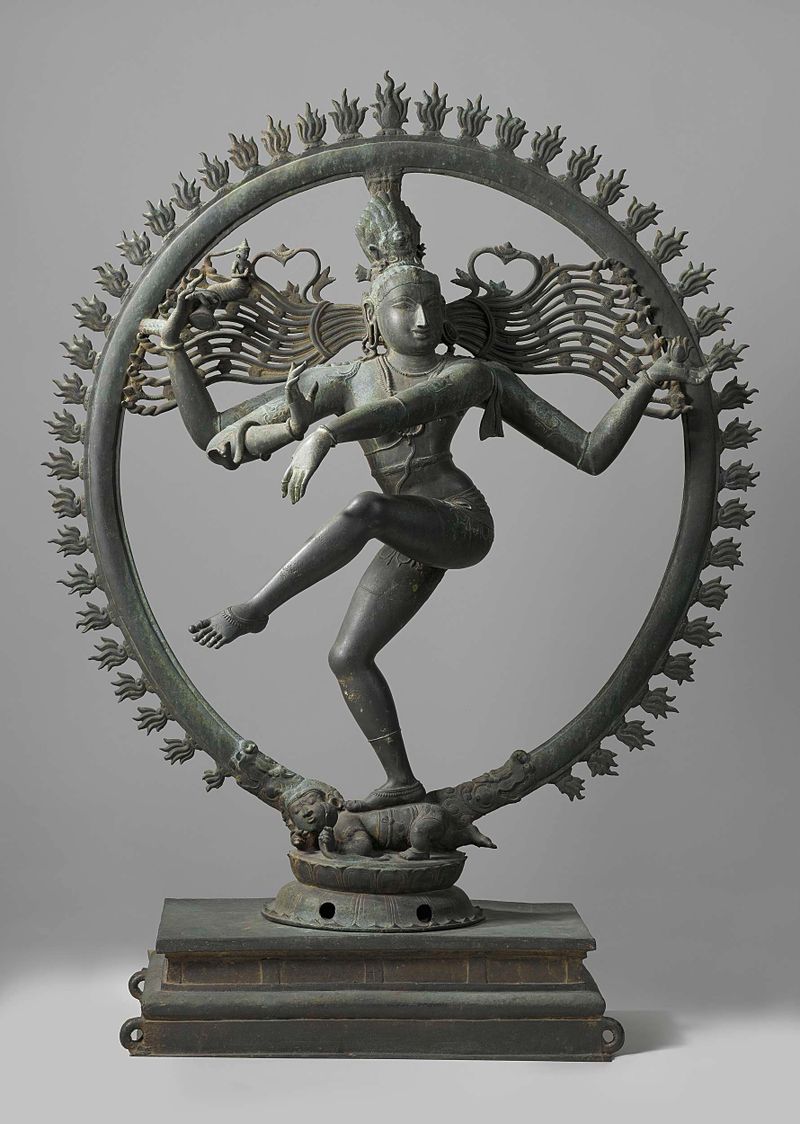
Shiva Nataraja
Unknown Artist
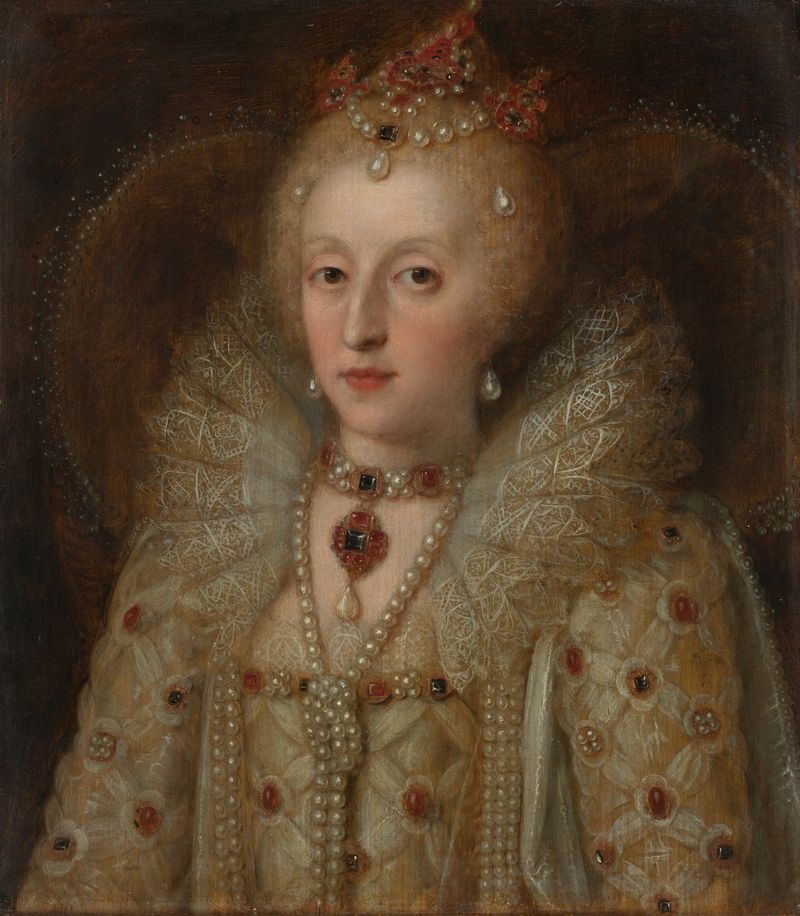
Portrait of Elizabeth I, Queen of England
Unknown Artist
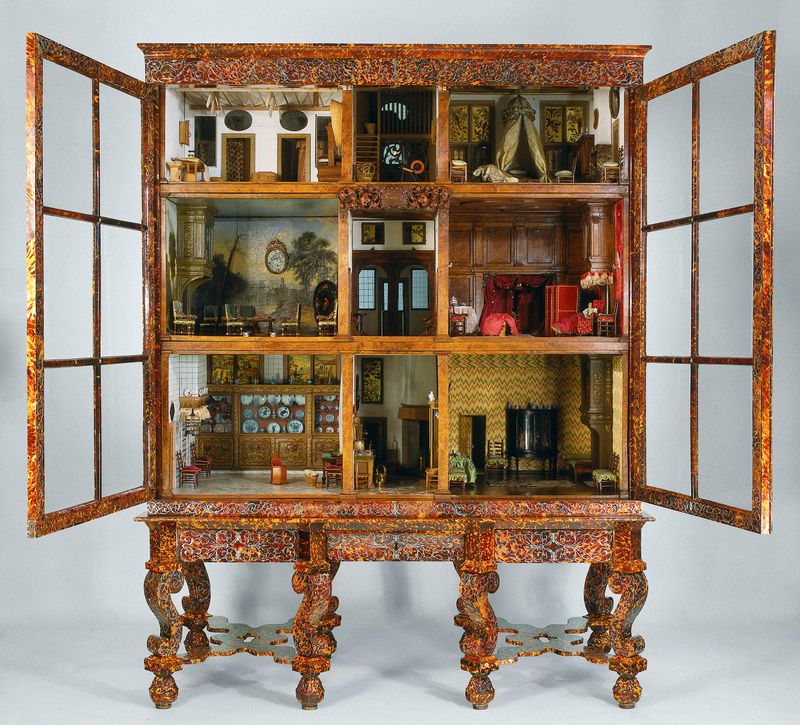
Dolls’ house of Petronella Oortman
Unknown Artist
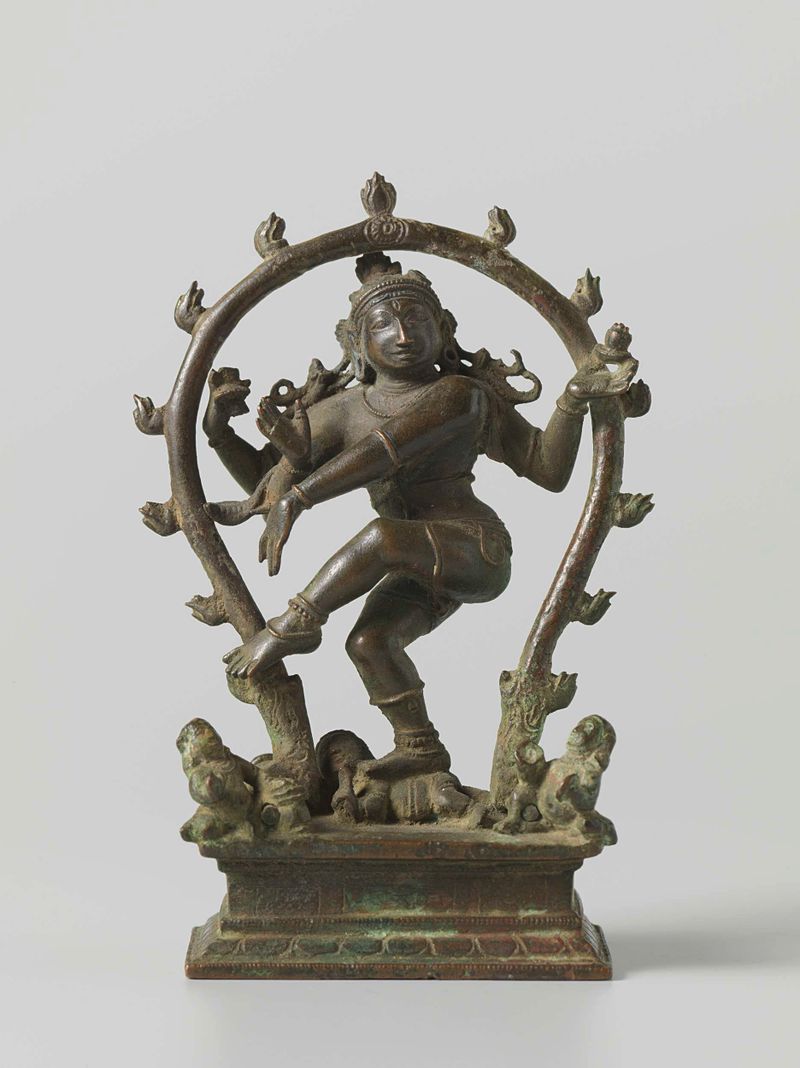
Shiva Nataraja
Unknown Artist

The Tale of Genji
Unknown Artist

The Tale of Genji
Unknown Artist

Cong
Unknown Artist
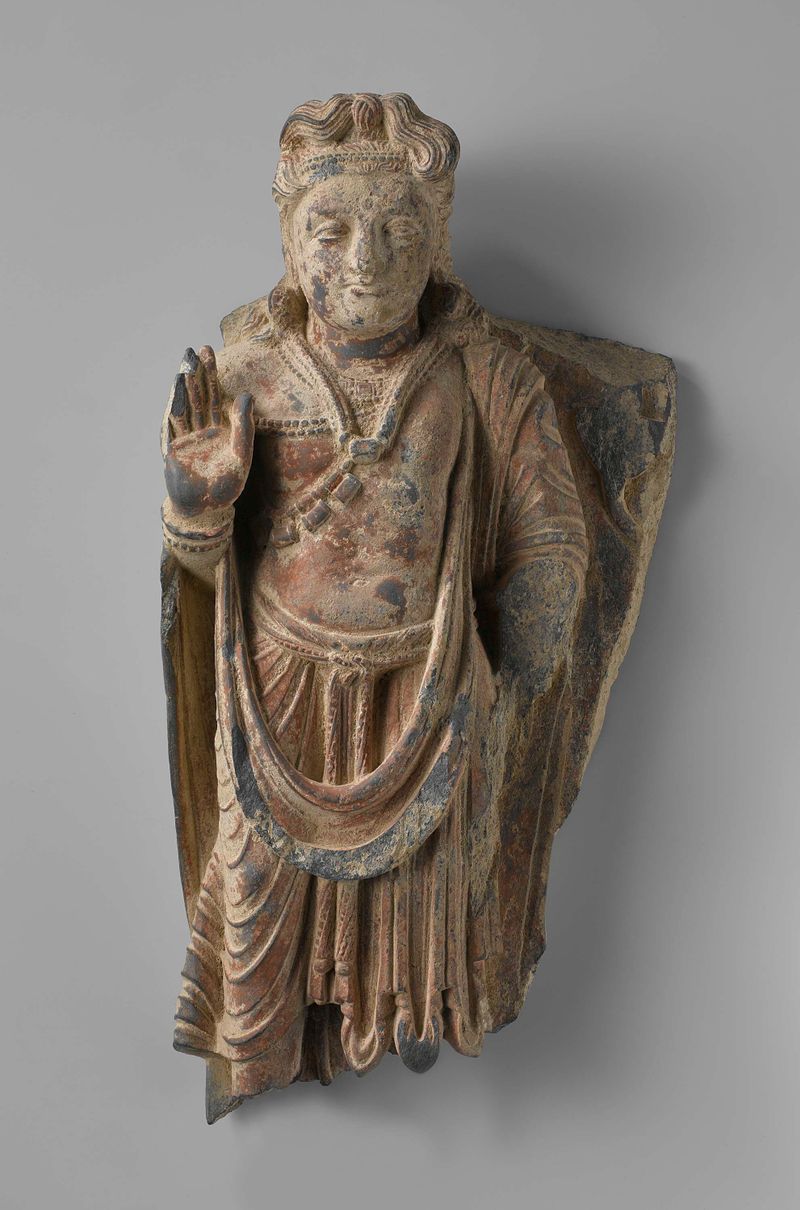
The bodhisattva Maitreya
Unknown Artist

Teabowl with a 'hare's fur' glaze
Unknown Artist