Jug or 'Jacobakan' — History & Facts
Can paint confess what words never could? In the delicate curves and vibrant hues of a vessel, beauty finds its voice, whispering secrets of the past. Look closely at the jug's intricate surface, where each stroke of glaze tells a story of craftsmanship. The warm earth tones blend with splashes of deep blue, drawing the eye to the ornate patterns that spiral gracefully around the body. Notice how the light dances across the glossy finish, revealing a play of shadow and brightness that highlights the jug's form, making it almost alive. As you explore further, small details emerge — the slight asymmetry of the handle, the subtle imperfections that signify the artist's hand.
These nuances evoke a sense of intimacy, suggesting the jug was not merely a utility but a cherished object, imbued with emotion and purpose. The contrast between its functional design and the elaborate decoration hints at the intersection of practicality and adorned beauty, a testament to the cultural values of its time. Created in the late 14th century, this piece reflects a period where artisans thrived in the midst of growing trade and cultural exchange. The unknown artist's skill indicates a rich tradition of ceramics, influenced by both local and foreign techniques, during a time when decorative arts flourished across Europe.
More Artworks by Unknown Artist
Browse all →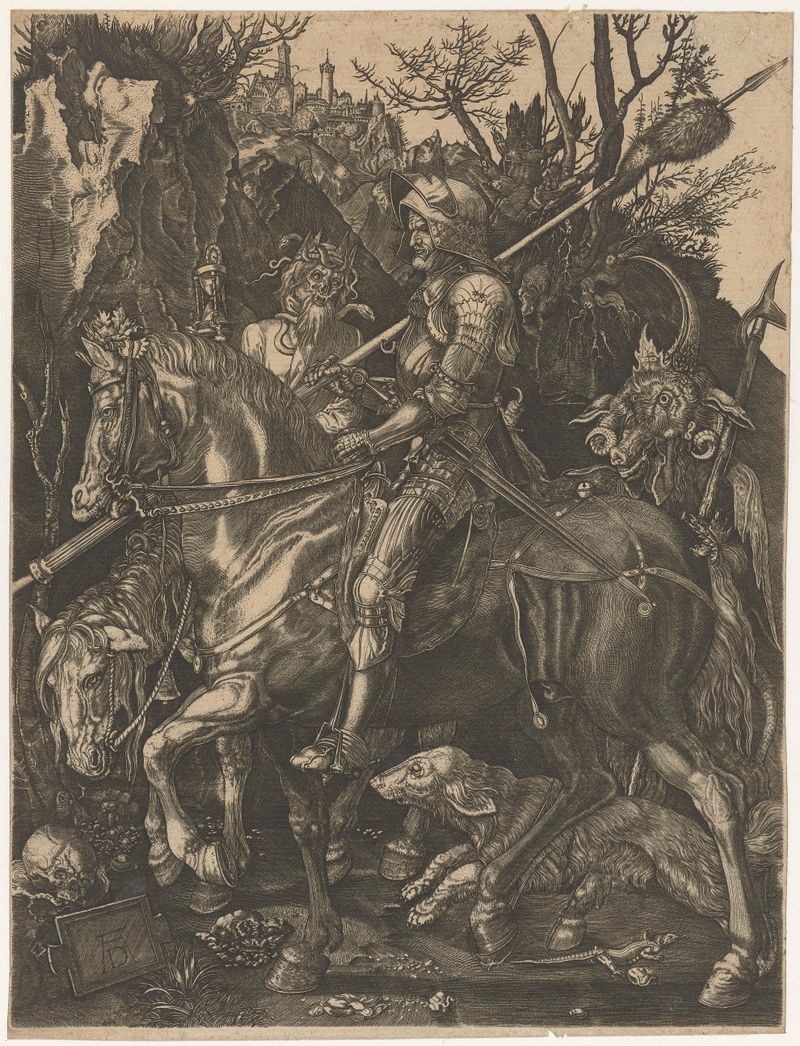
Ridder, Dood en Duivel
Unknown Artist
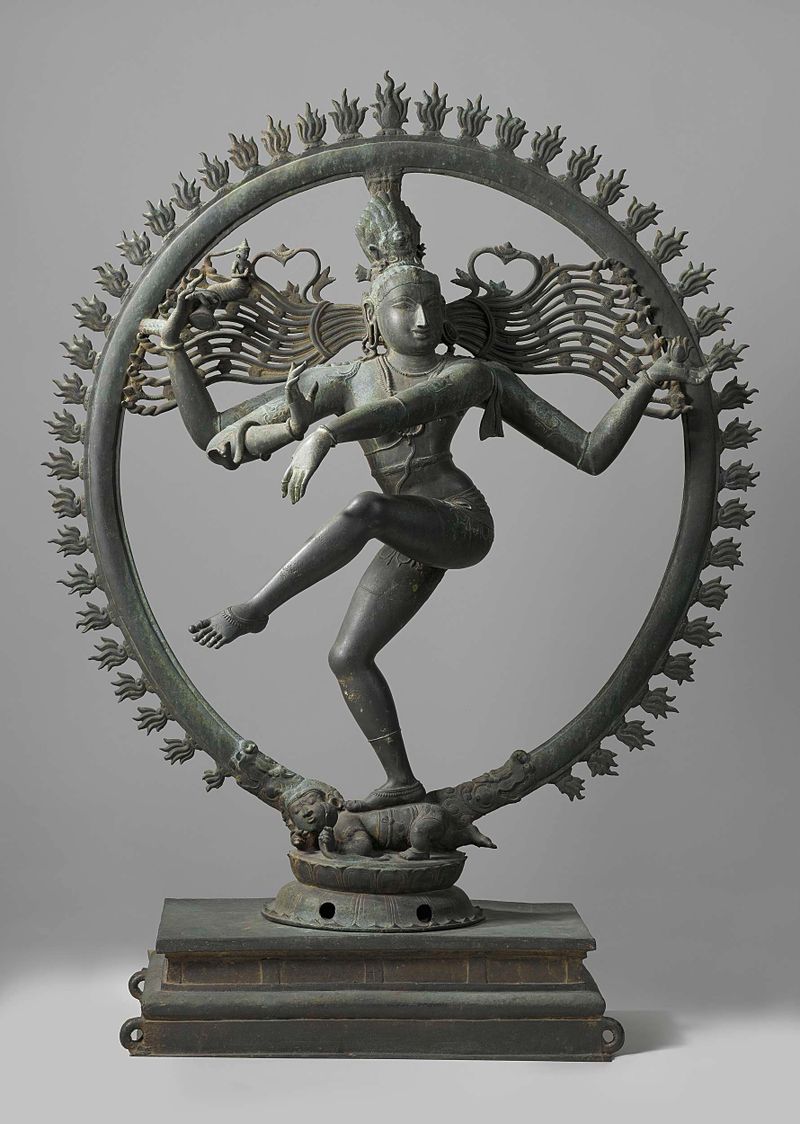
Shiva Nataraja
Unknown Artist
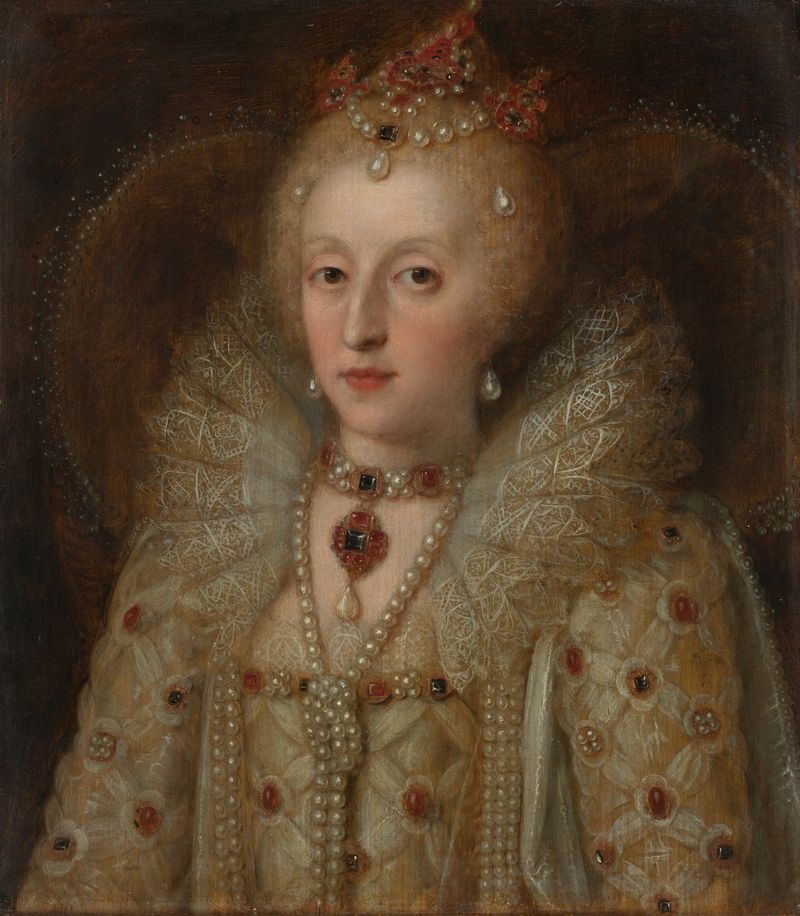
Portrait of Elizabeth I, Queen of England
Unknown Artist
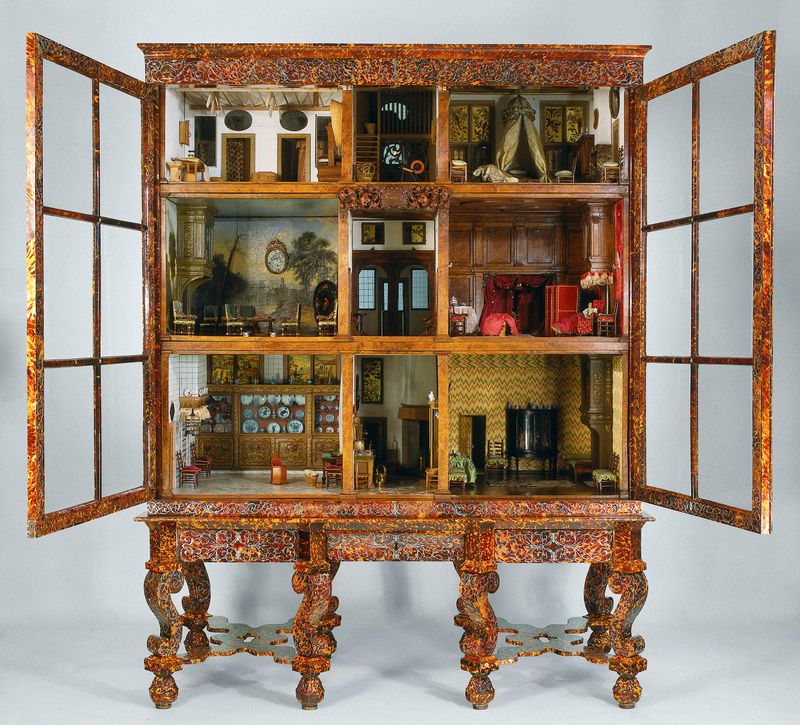
Dolls’ house of Petronella Oortman
Unknown Artist
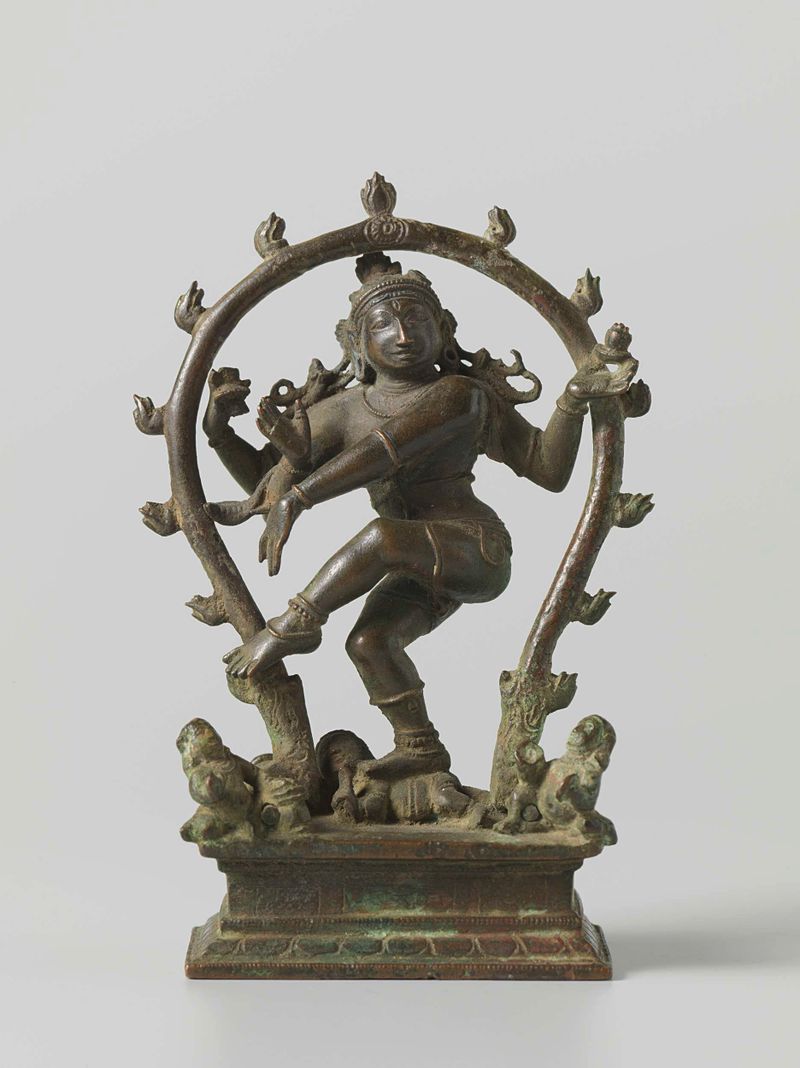
Shiva Nataraja
Unknown Artist

The Tale of Genji
Unknown Artist

The Tale of Genji
Unknown Artist
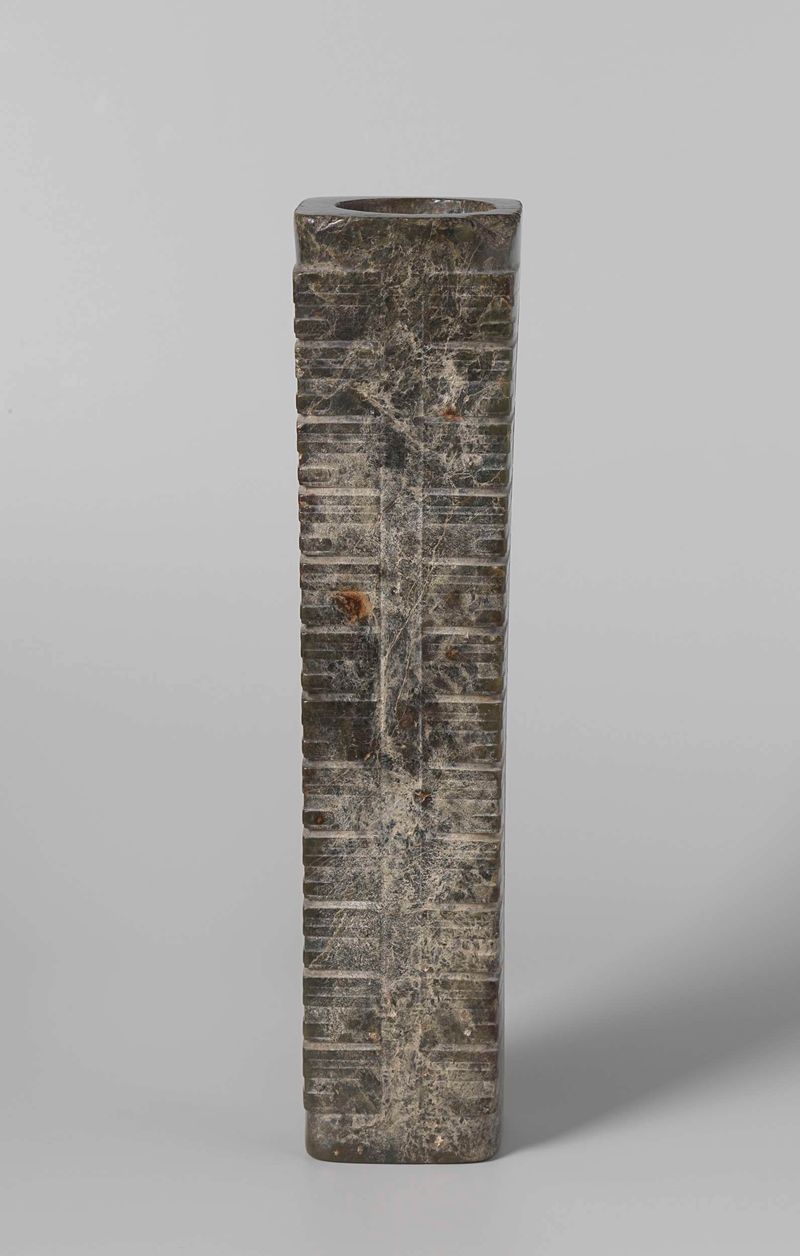
Cong
Unknown Artist
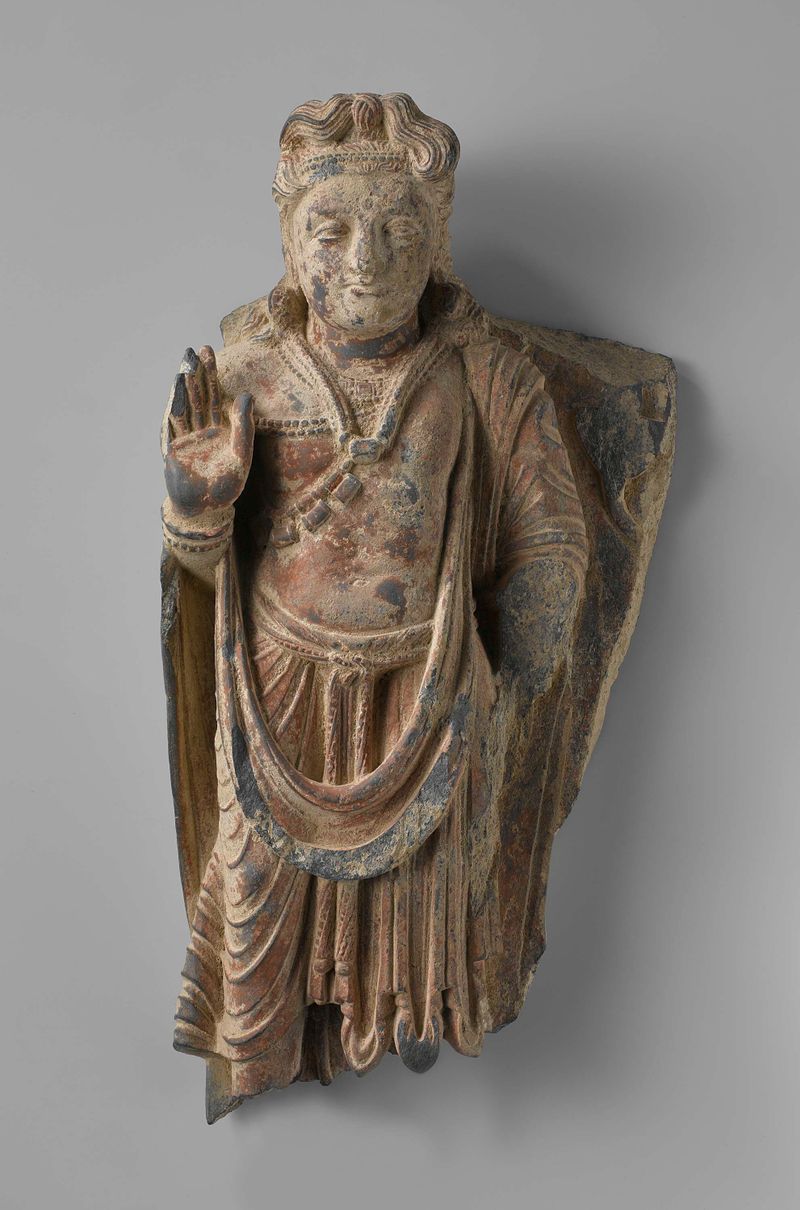
The bodhisattva Maitreya
Unknown Artist
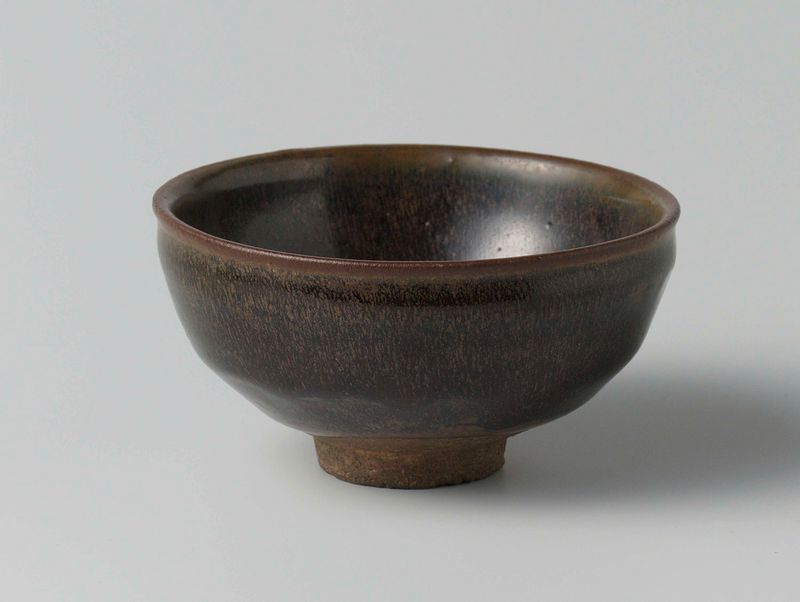
Teabowl with a 'hare's fur' glaze
Unknown Artist