Jug with a hexagonal body and foliate scrolls — History & Facts
What if beauty was never meant to be finished? This exquisite jug, with its hexagonal body adorned by delicate foliate scrolls, evokes a sense of wild creativity and madness in its form. Each curve and angle invites contemplation, suggesting that art can exist in a perpetual state of becoming, forever incomplete yet stunningly perfect. Look closely at the intricate scrollwork that dances around the jug’s surface; the craftsmanship is a testament to the artist's dedication to detail. Notice how the light glimmers off the smooth glaze, casting subtle shadows that emphasize the jug's geometric shapes.
The interplay of refined elegance and rustic charm creates a tension, revealing layers of emotion within this seemingly simple object. The warm earth tones draw the eye yet allow for a myriad of interpretations. Delve deeper into the scrolls, and you’ll find a whisper of untamed nature, an echo of the chaos that often lies beneath the surface of beauty. The hexagonal form contrasts sharply with the organic shapes of the foliage, suggesting a struggle between order and chaos.
This duality mirrors the artist's potential madness—a celebration of beauty tinged with an unyielding pursuit of perfection that can never be attained. Created between 1750 and 1799, this work reflects a period of artistic exploration and experimentation. Although the artist remains unknown, this piece stands as a testament to a time when artisans challenged traditional forms, seeking new ways to express beauty. Such creativity flourished amid the Enlightenment, a time ripe with philosophical debates and a reevaluation of art’s role in society, where madness and brilliance often danced hand in hand.
More Artworks by Unknown Artist
Browse all →
Ridder, Dood en Duivel
Unknown Artist
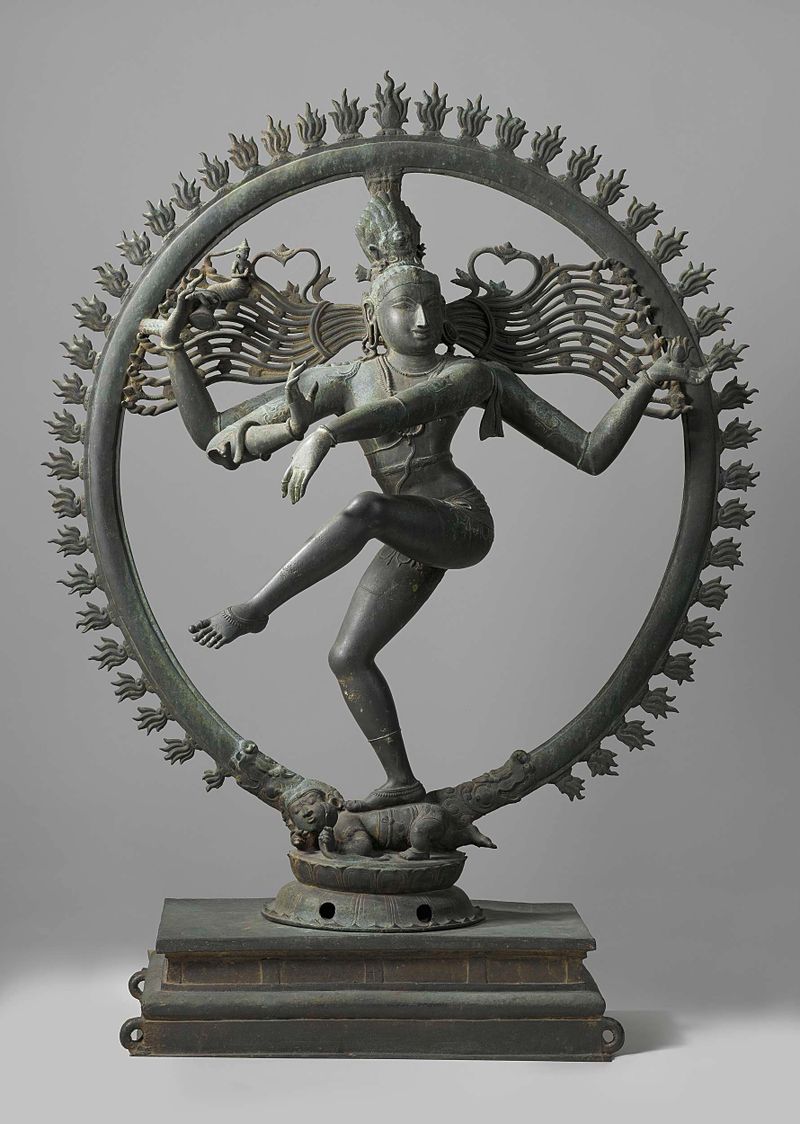
Shiva Nataraja
Unknown Artist
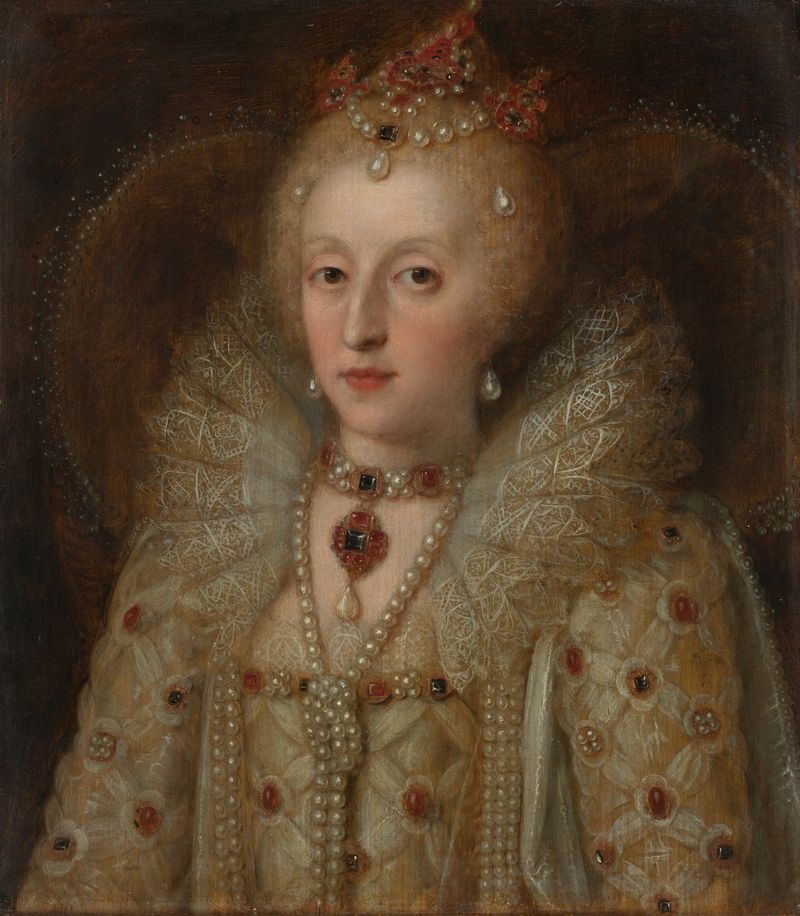
Portrait of Elizabeth I, Queen of England
Unknown Artist
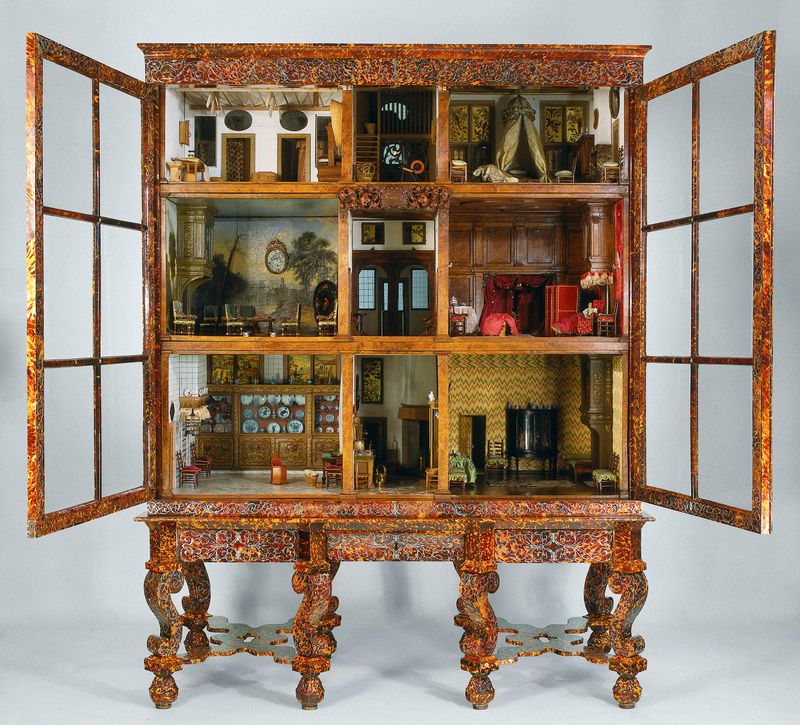
Dolls’ house of Petronella Oortman
Unknown Artist
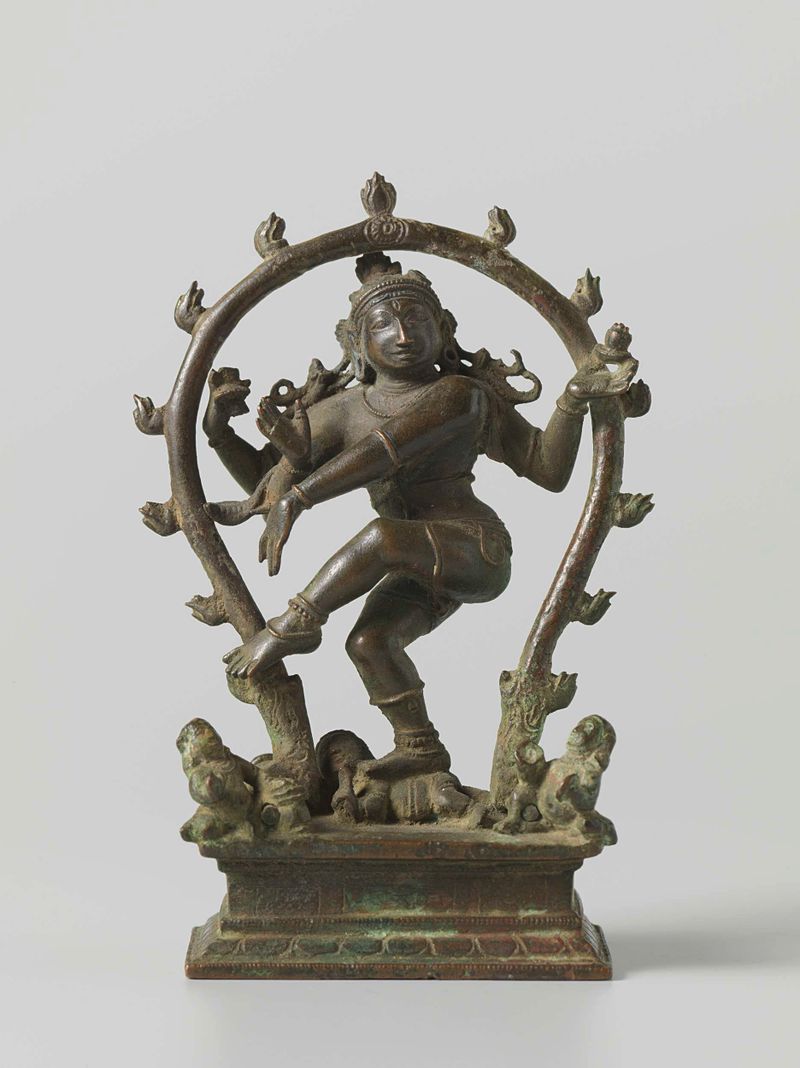
Shiva Nataraja
Unknown Artist

The Tale of Genji
Unknown Artist

The Tale of Genji
Unknown Artist

Cong
Unknown Artist
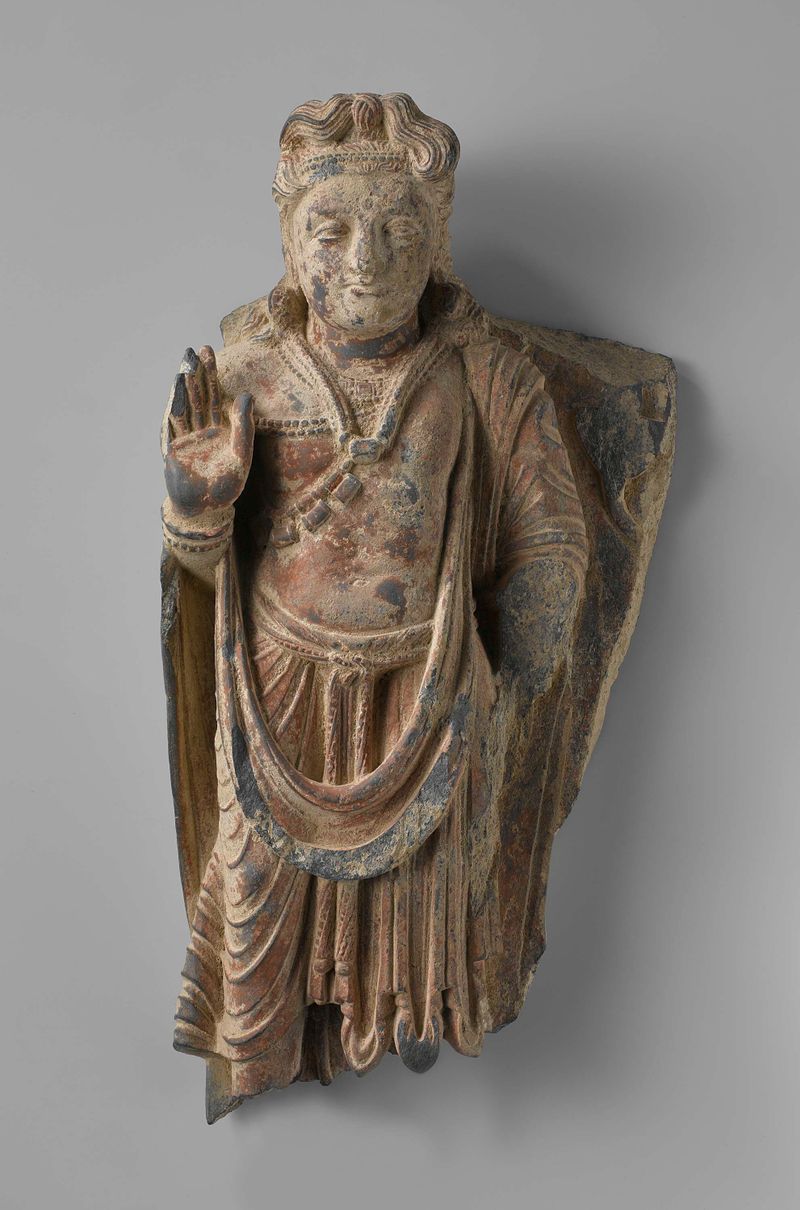
The bodhisattva Maitreya
Unknown Artist

Teabowl with a 'hare's fur' glaze
Unknown Artist