Jug with floral scrolls — History & Facts
In the delicate dance of artistry, what faith does the artist place in their creation? Begin your exploration by focusing on the intricate floral scrolls that grace the surface of the jug. The painter’s careful strokes breathe life into each petal and leaf, coaxing vibrant hues from a muted palette. Look closely at the interplay between soft blues and warm yellows, as they wind around the curves of the vessel, drawing your eye in a continuous loop.
This rhythm, created by the repetition of motifs, not only showcases technical skill but establishes an intimate connection between the object and its observer. Beneath the surface, the jug reveals a deeper resonance. The floral motifs may symbolize growth and renewal, echoing the cycles of faith and perseverance. The juxtaposition of the jug's earthy material against its vivid decoration suggests a union of the mundane and the divine, inviting contemplation on the beauty found in everyday objects.
Each brushstroke not only serves to adorn but also to communicate a story of hope and artistry that transcends time. This jug was crafted by an unknown artist between 1690 and 1710, likely in a period marked by rich artistic exploration and a burgeoning interest in decorative arts. The late 17th century was a time of transition in Europe, embracing both Baroque extravagance and the emerging Rococo style. Though the artist's identity remains a mystery, their work reflects a dedication to craft and the spirit of innovation that characterized their era.
More Artworks by Unknown Artist
Browse all →
Ridder, Dood en Duivel
Unknown Artist
Shiva Nataraja
Unknown Artist
Portrait of Elizabeth I, Queen of England
Unknown Artist
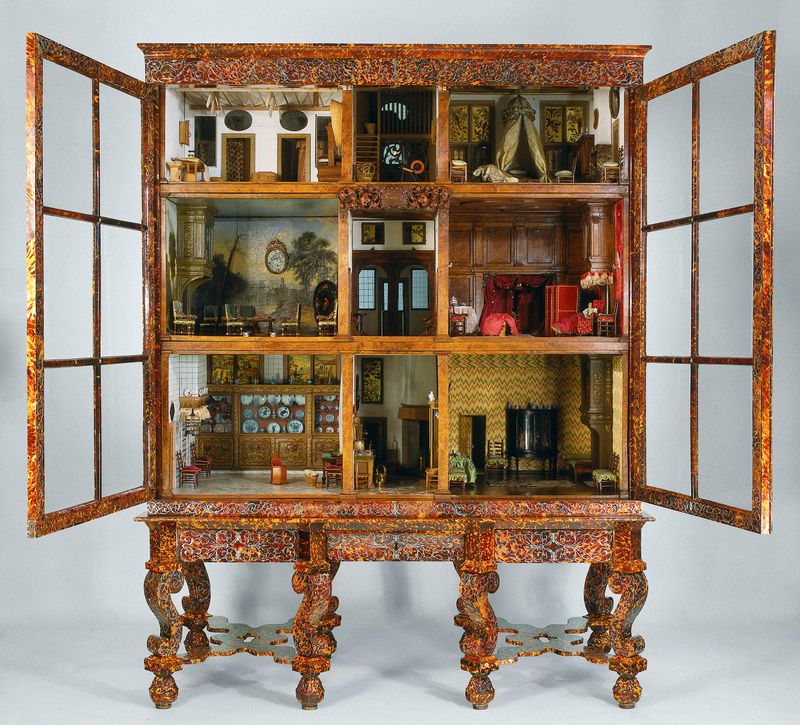
Dolls’ house of Petronella Oortman
Unknown Artist
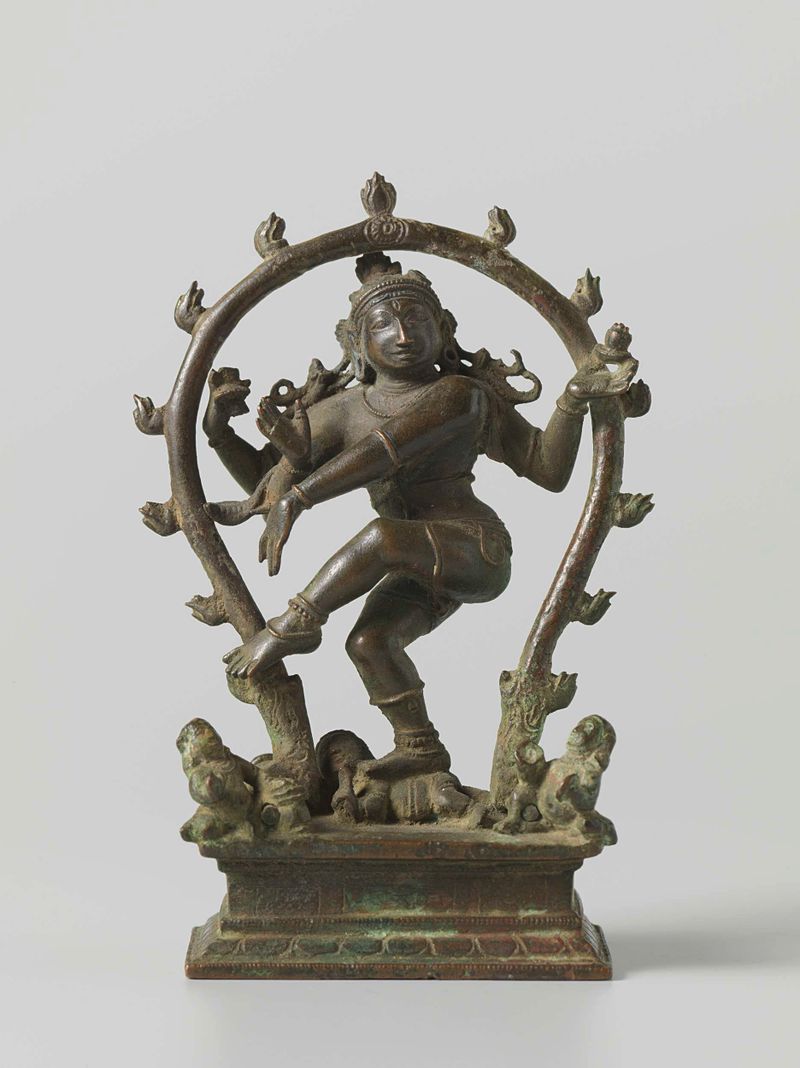
Shiva Nataraja
Unknown Artist

The Tale of Genji
Unknown Artist

The Tale of Genji
Unknown Artist

Cong
Unknown Artist
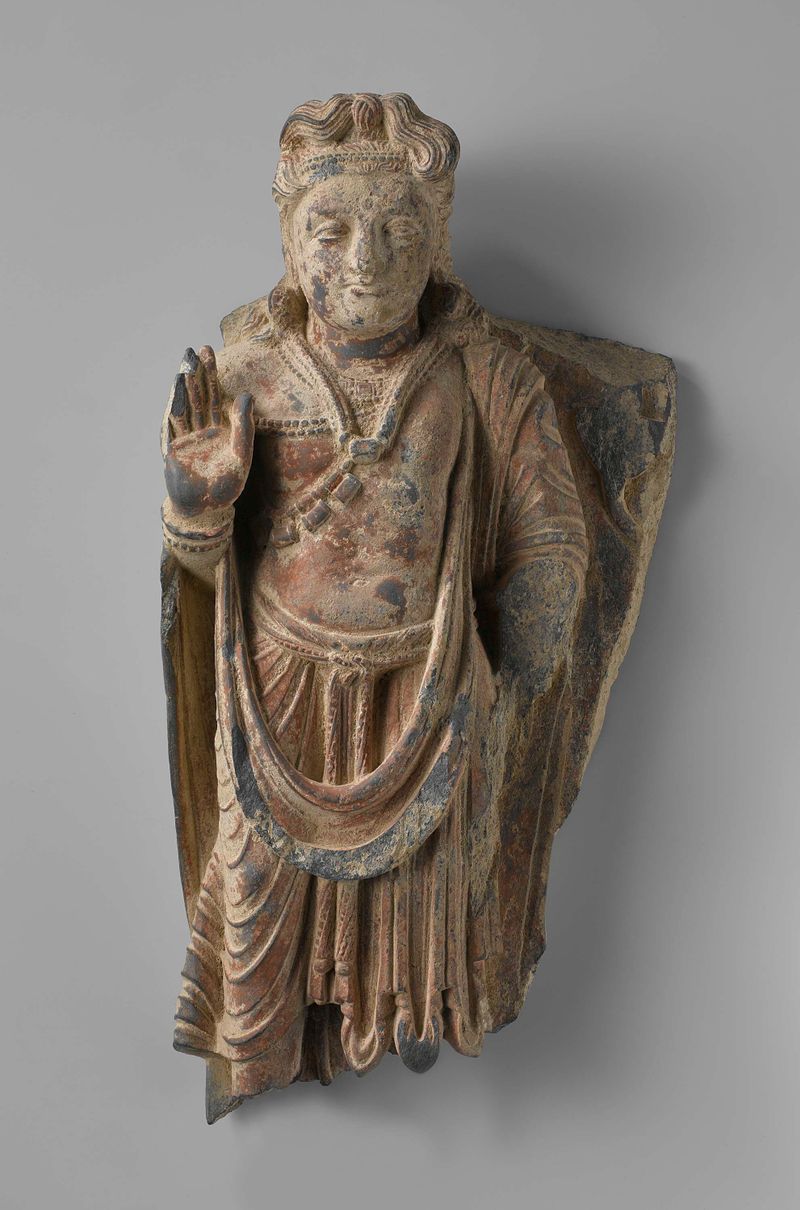
The bodhisattva Maitreya
Unknown Artist

Teabowl with a 'hare's fur' glaze
Unknown Artist