Jug with foliate scrolls and grapes — History & Facts
Can beauty exist without sorrow? This question lingers like a gentle echo, pulling at the heartstrings as one gazes upon the exquisite craftsmanship of a jug adorned with foliate scrolls and grapes. The interplay of form and decoration invites admiration, yet beneath the surface lies a profound complexity that stirs the soul. Look closely at the intricate scrollwork, with each curve and vine meticulously rendered to mimic nature's own artistry. Notice how the colors shift from deep greens to warm golden hues, creating a dance of light across the ceramic surface.
The grapes, plump and inviting, almost seem to promise sweetness, while the overall shape of the jug embodies a perfect harmony that beckons the viewer to linger longer. Each detail, from the delicate leaves to the expertly crafted handle, speaks of a dedication to both beauty and utility. Yet, within this visual feast, there lies an undercurrent of tension—an echo of transience. The grapes, ripe with potential, also hint at decay; they remind us of the fleeting joys of life.
The ornate decorations may represent abundance, but they also invite contemplation about the futility of excess. This duality encapsulates the human experience, where joy and sorrow coexist like shadows in the light. Created between 1570 and 1600, this jug embodies a period of artistic exploration during the Renaissance. The artist, though unknown, was part of a flourishing tradition that celebrated both functional crafts and visual beauty.
In a world marked by change and uncertainty, this piece reflects a longing for permanence amid the ephemeral, capturing the essence of an era that sought meaning in the delicate balance of life.
More Artworks by Unknown Artist
Browse all →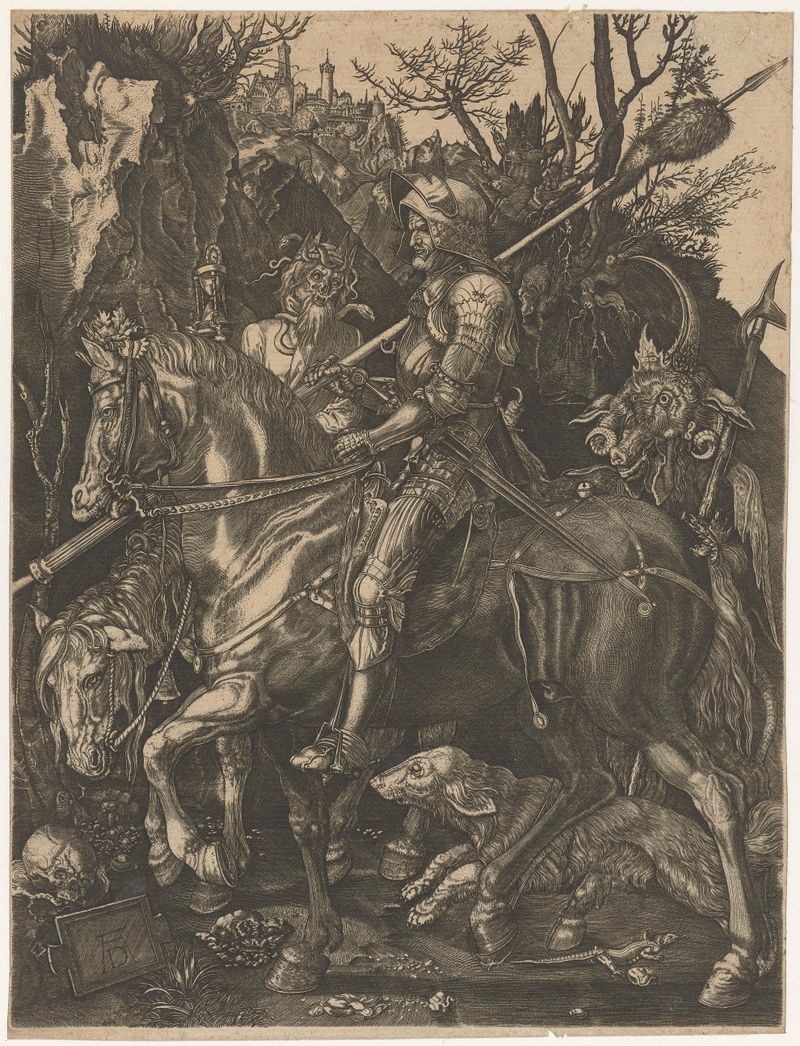
Ridder, Dood en Duivel
Unknown Artist
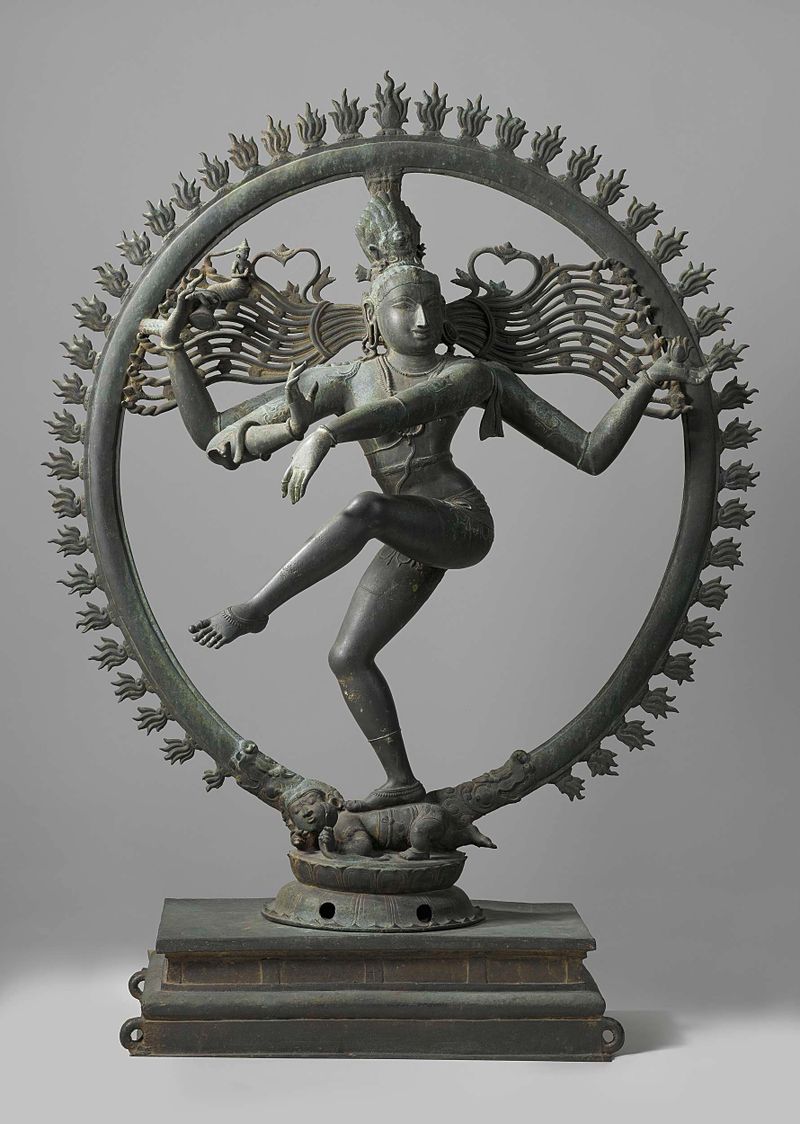
Shiva Nataraja
Unknown Artist
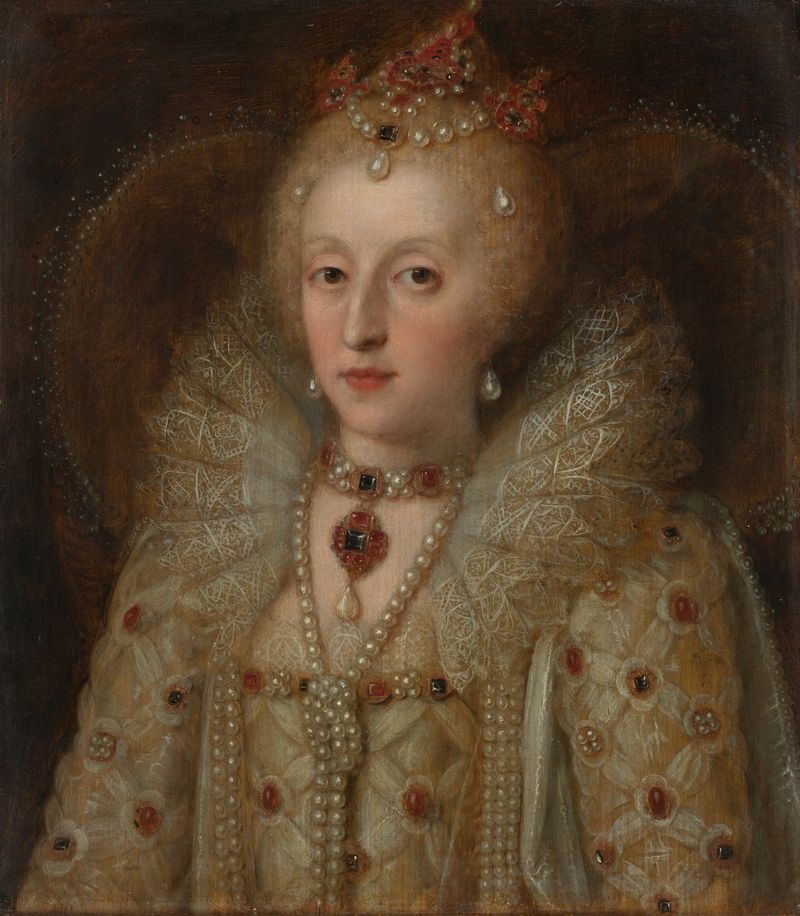
Portrait of Elizabeth I, Queen of England
Unknown Artist
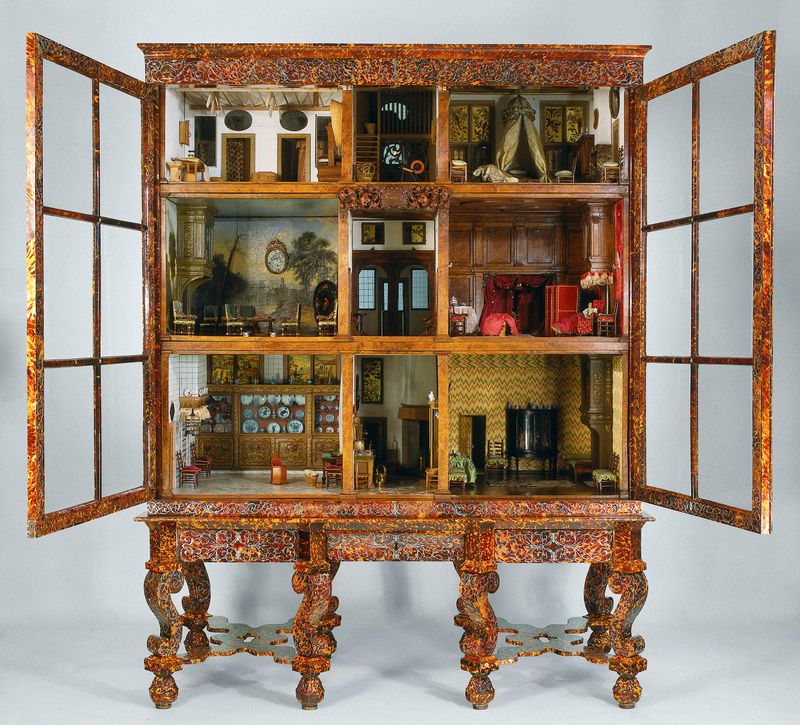
Dolls’ house of Petronella Oortman
Unknown Artist
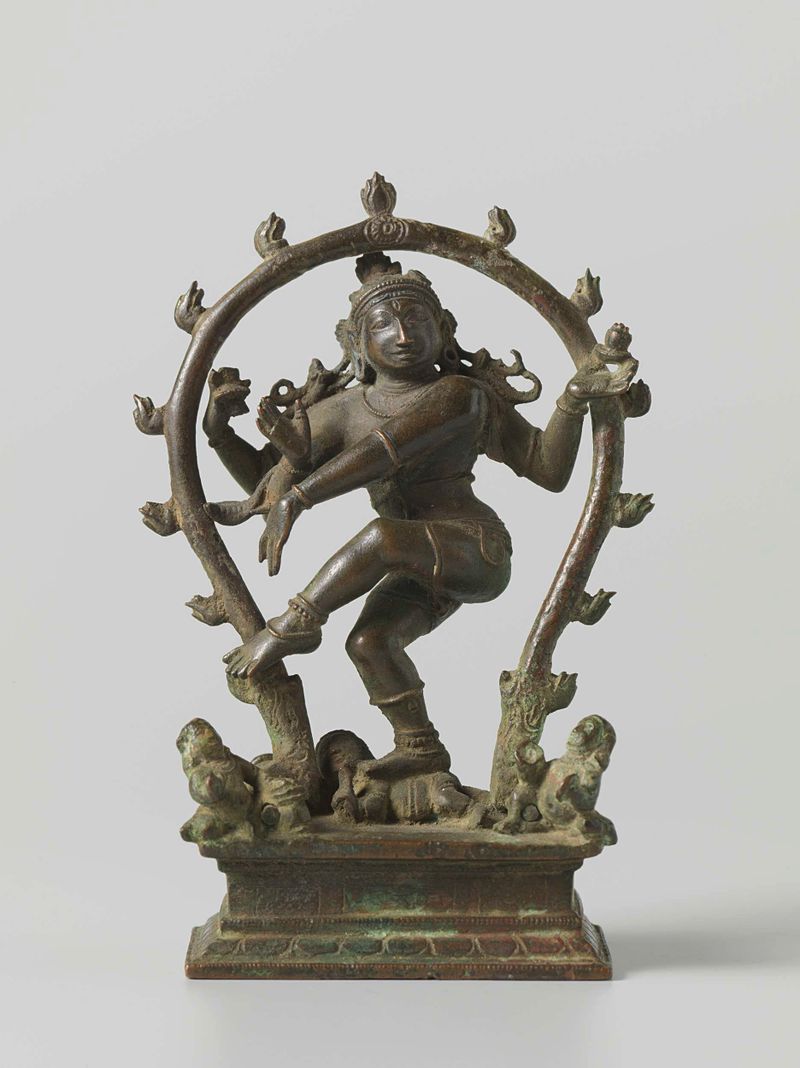
Shiva Nataraja
Unknown Artist

The Tale of Genji
Unknown Artist

The Tale of Genji
Unknown Artist
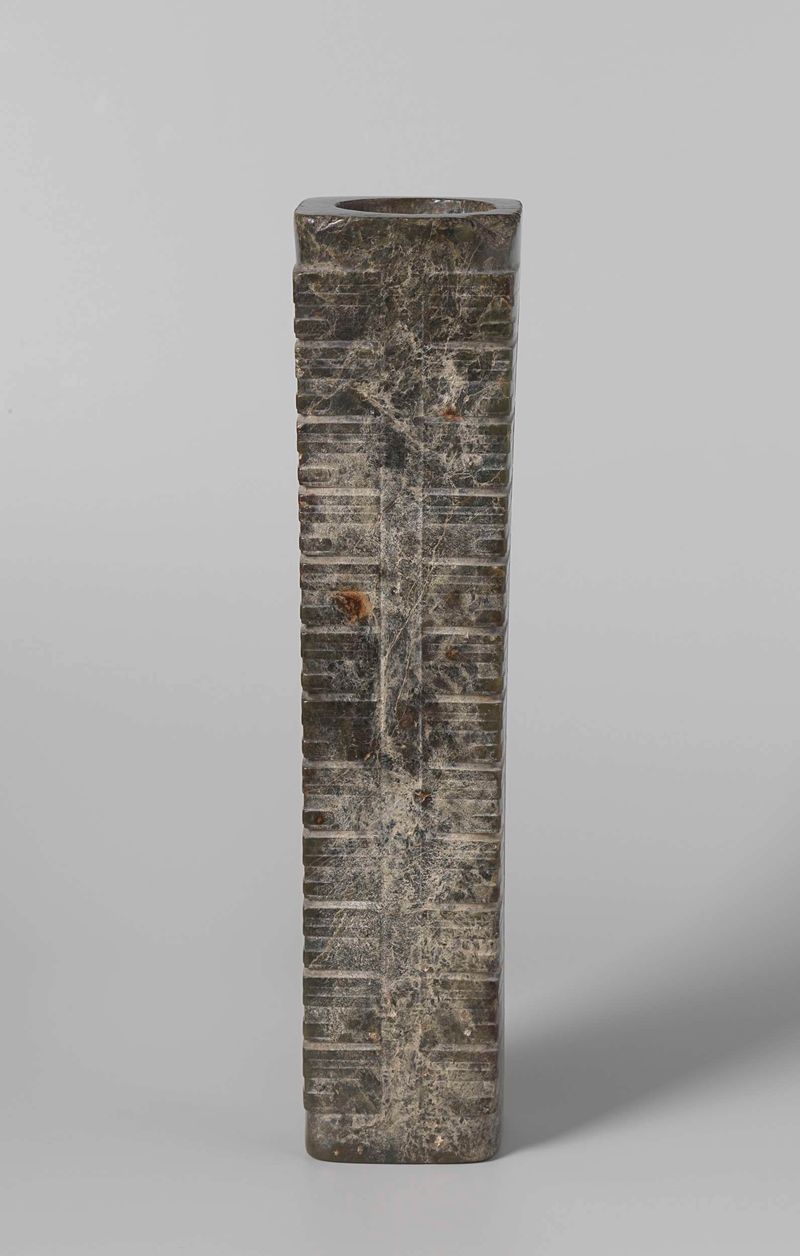
Cong
Unknown Artist
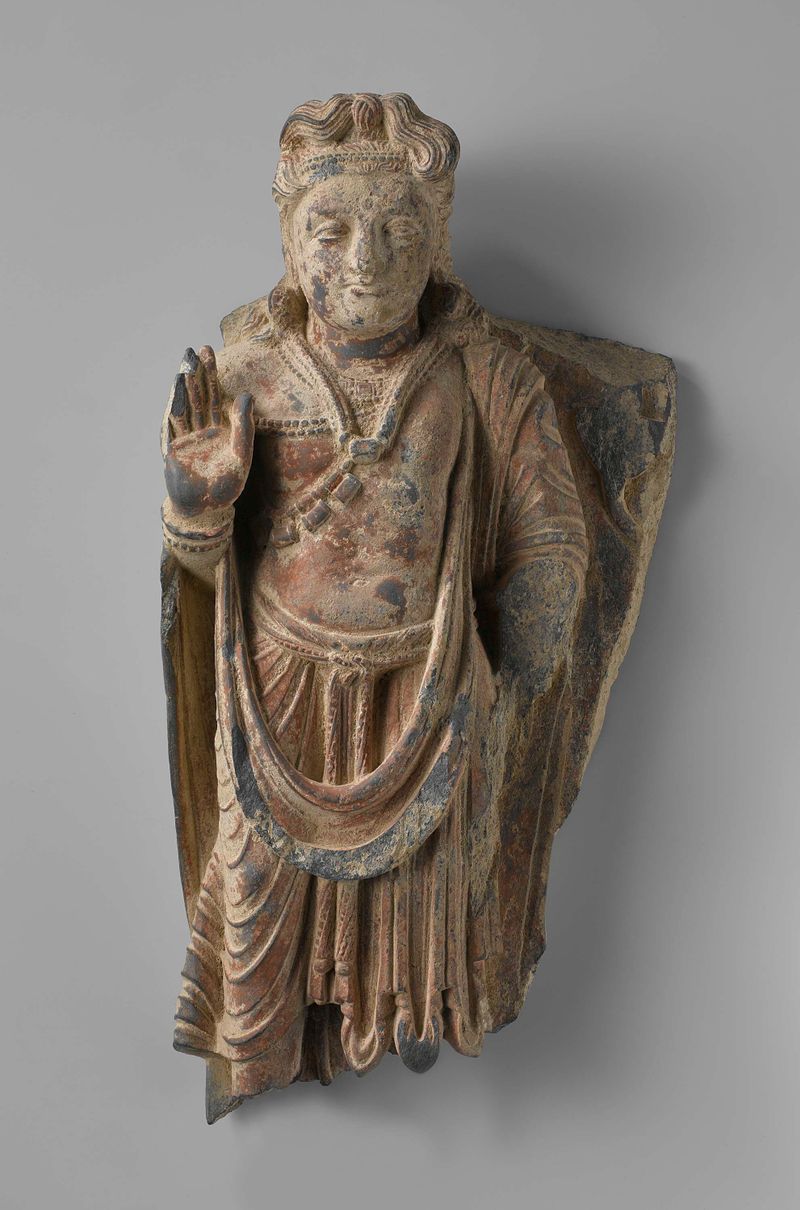
The bodhisattva Maitreya
Unknown Artist
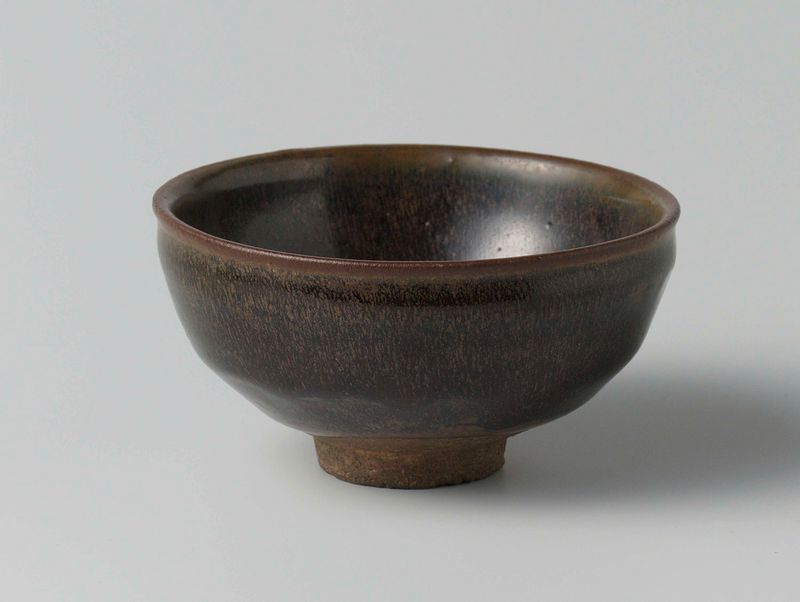
Teabowl with a 'hare's fur' glaze
Unknown Artist