Jug with the fall of man — History & Facts
Who listens when art speaks of silence? The stillness in a moment often conceals the loudest of desires. Look closely at the intricate jug, where the unassuming surface draws your eye first. The detailed carvings narrate a story—the fall of man—masterfully melding form and narrative. Notice how the muted earth tones of the clay blend together, accentuated by delicate touches of glaze, evoking a sense of history that feels both intimate and far removed.
Each shadow and highlight seems to whisper secrets of human aspiration and consequence. Within the jug's design, the juxtaposition of heavenly and earthly elements reveals a tension between longing and regret. The figures intertwined in the relief work, harbingers of temptation and choice, embody a profound narrative of desire that has echoed through generations. The smooth, inviting contours of the jug contrast with the starkness of the depicted fall, serving as a reminder that beauty often lies at the precipice of tragedy. Created in a period of remarkable artistic innovation, this vessel emerged between 1560 and 1580, although its creator remains unknown, standing as a testament to collaborative inspirations of the time.
This was an era rich with theological debate and exploration, as artists sought to capture the essence of human experience in their craft. This jug, blending utilitarian form with profound storytelling, reflects a culture grappling with faith, morality, and the very nature of desire.
More Artworks by Unknown Artist
Browse all →
Ridder, Dood en Duivel
Unknown Artist
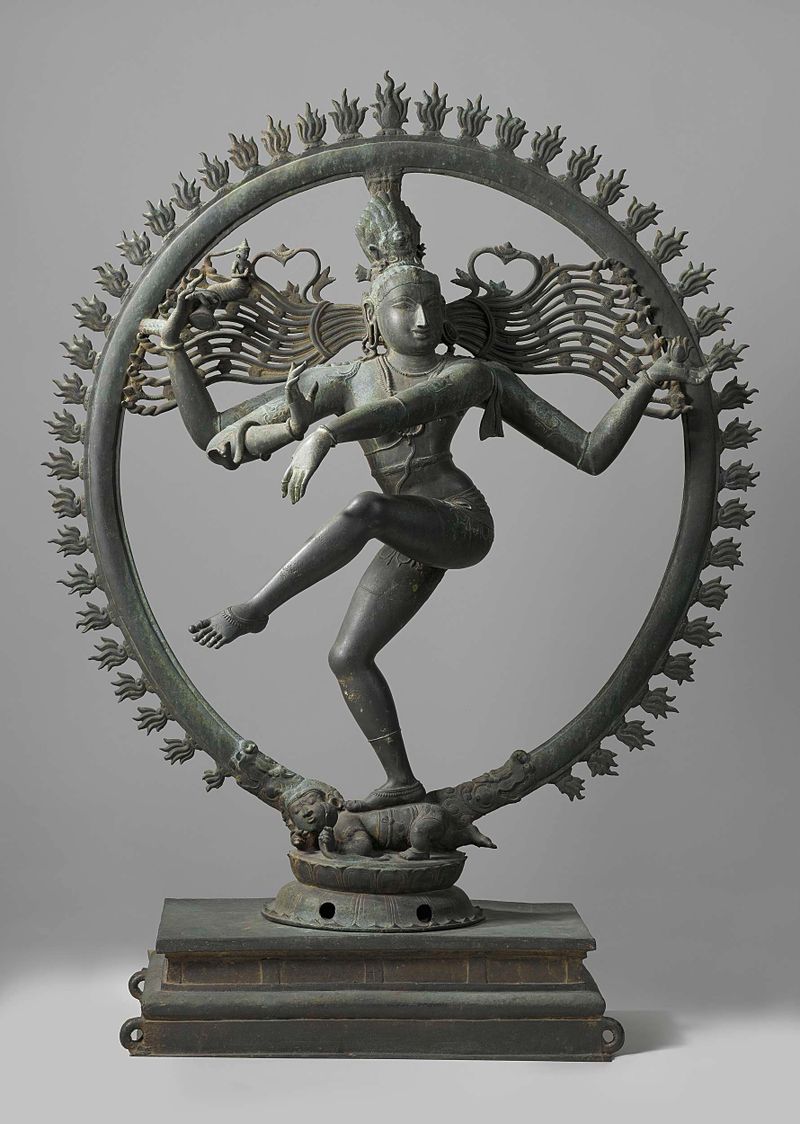
Shiva Nataraja
Unknown Artist
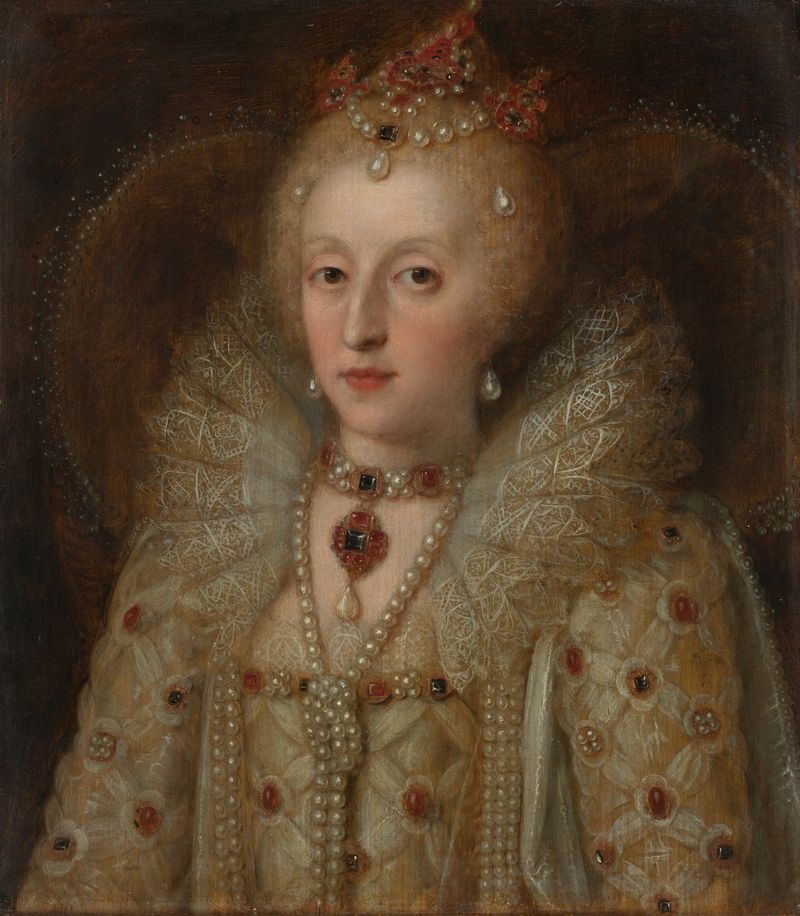
Portrait of Elizabeth I, Queen of England
Unknown Artist
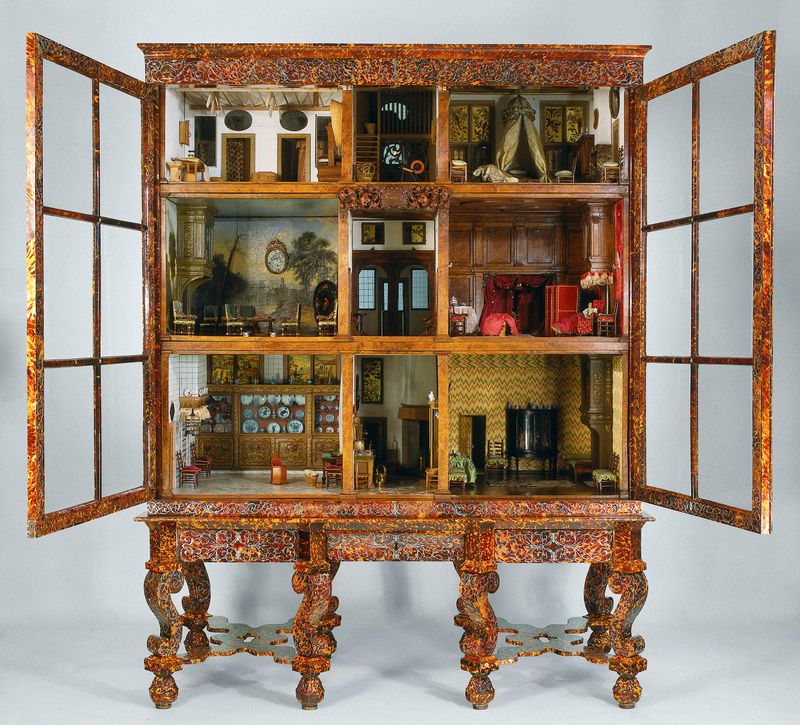
Dolls’ house of Petronella Oortman
Unknown Artist
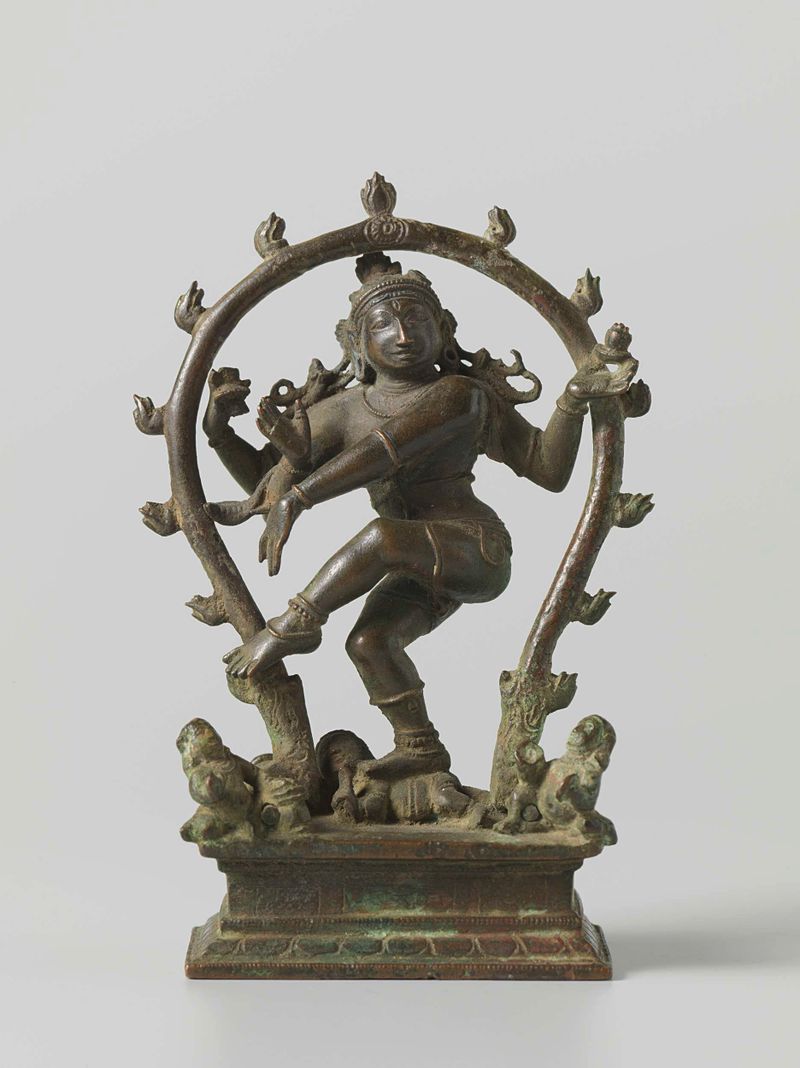
Shiva Nataraja
Unknown Artist

The Tale of Genji
Unknown Artist

The Tale of Genji
Unknown Artist

Cong
Unknown Artist
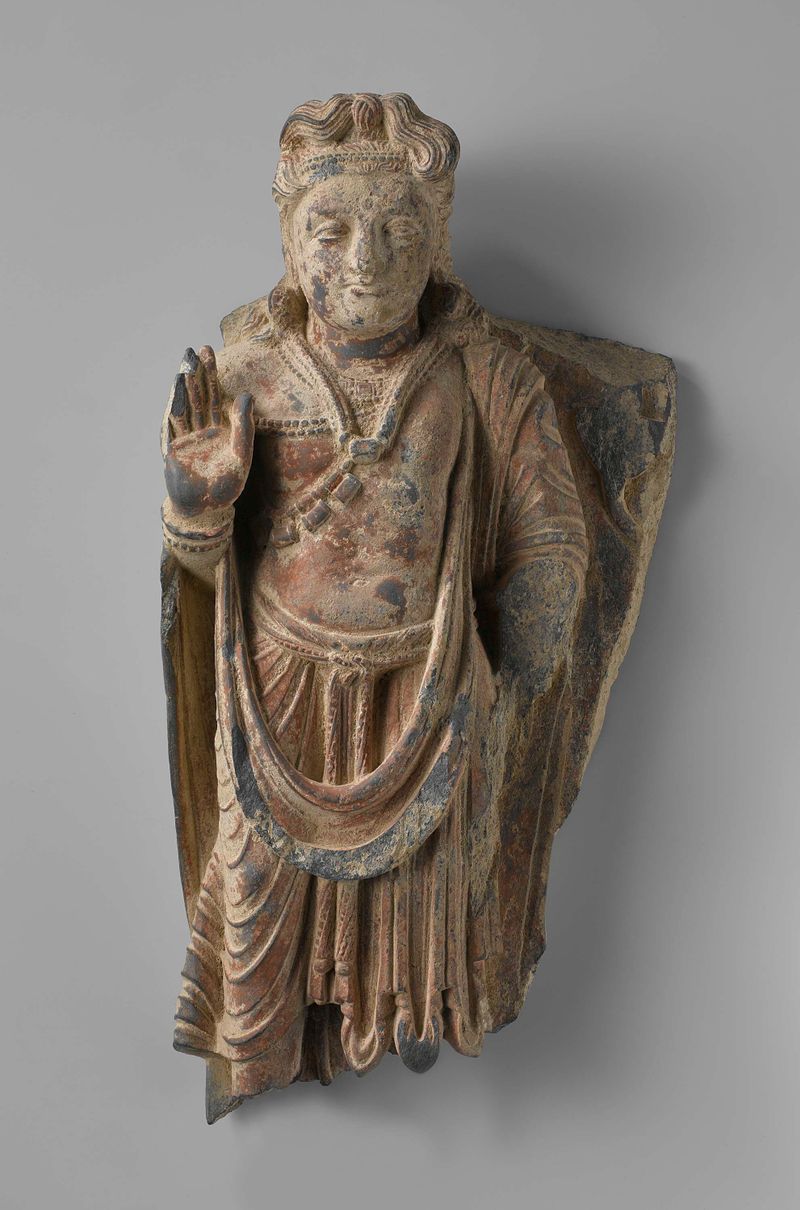
The bodhisattva Maitreya
Unknown Artist

Teabowl with a 'hare's fur' glaze
Unknown Artist