Jug with three scenes in medallions — History & Facts
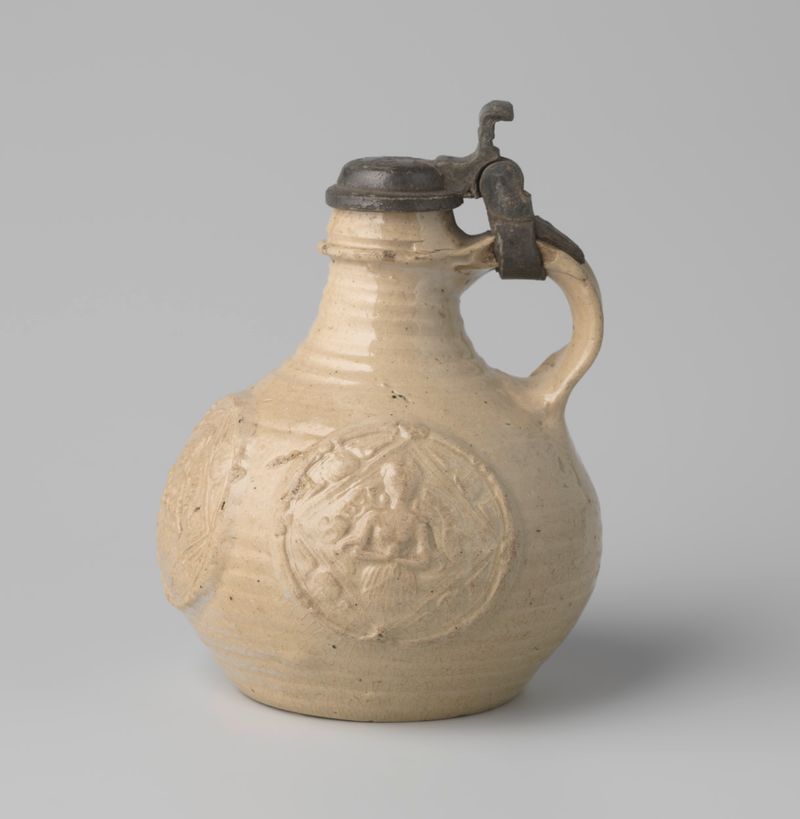
In the delicate embrace of glazes and shapes, the act of creation becomes a vessel for memory — a meditation on fleeting moments captured in time. Look to the surface of the jug, where intricate medallions emerge like whispers from the past. Each scene, meticulously painted, draws your gaze with elegant curves and vibrant colors that dance across the ceramic. Notice the way the light interacts with the glossy finish, illuminating the rich details of the pastoral landscapes and figures, inviting you to lean closer, to uncover the stories hidden within each vignette. Consider the juxtaposition of the serene scenes with the stark, unyielding form of the jug itself.
The roundness suggests completeness, yet each medallion seems to hint at the transitory nature of life. The figures embody different emotions — joy, contemplation, and longing — creating a narrative tension that transcends mere decoration. Together, they speak to the duality of existence: the beauty of remembering and the inevitability of loss, encapsulating the essence of human experience. An artist at the height of his craft, Knütgen created this jug in a period marked by a flourishing of decorative arts in Renaissance Europe.
Working in Germany between 1570 and 1580, he was influenced by the increasing demand for ornamental ceramics that reflected both personal and communal histories. The world around him was shifting; as society embraced new ideas of individuality and memory, his work became a bridge between the past and a future full of promise.
More Artworks by Anno Knütgen
Browse all →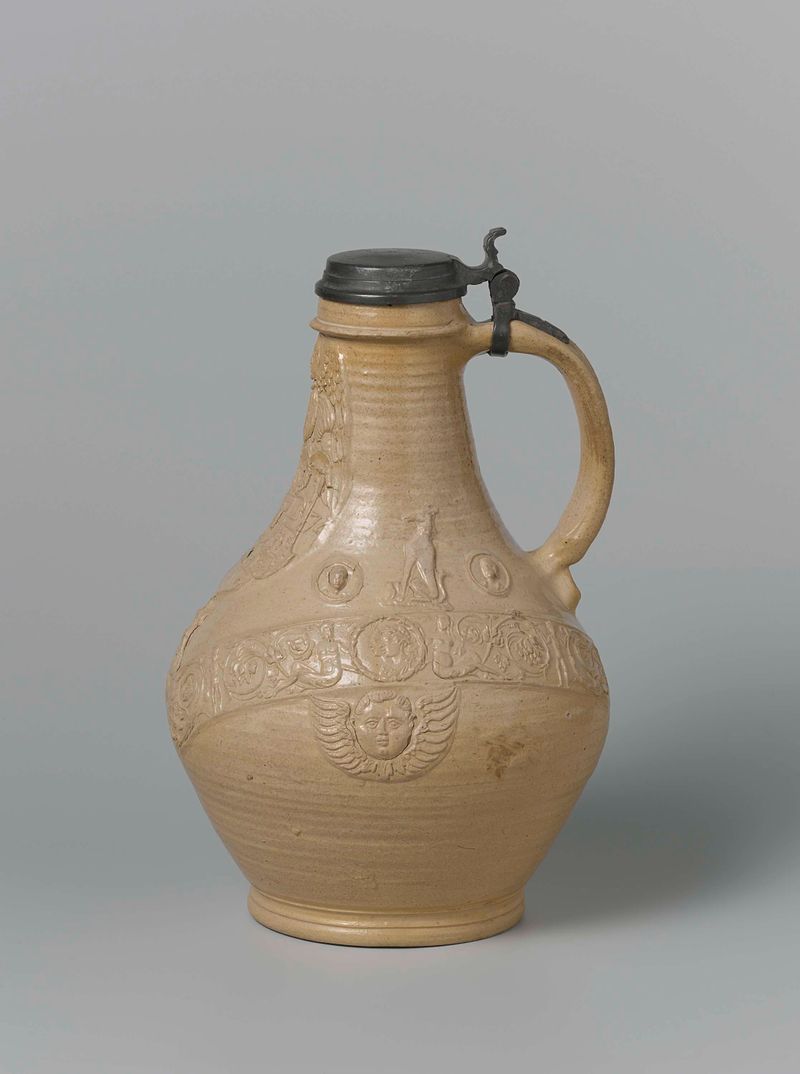
Jug with the arms of the House of Orange-Nassau
Anno Knütgen

Jug with a coat of arms, scenes and a portrait
Anno Knütgen
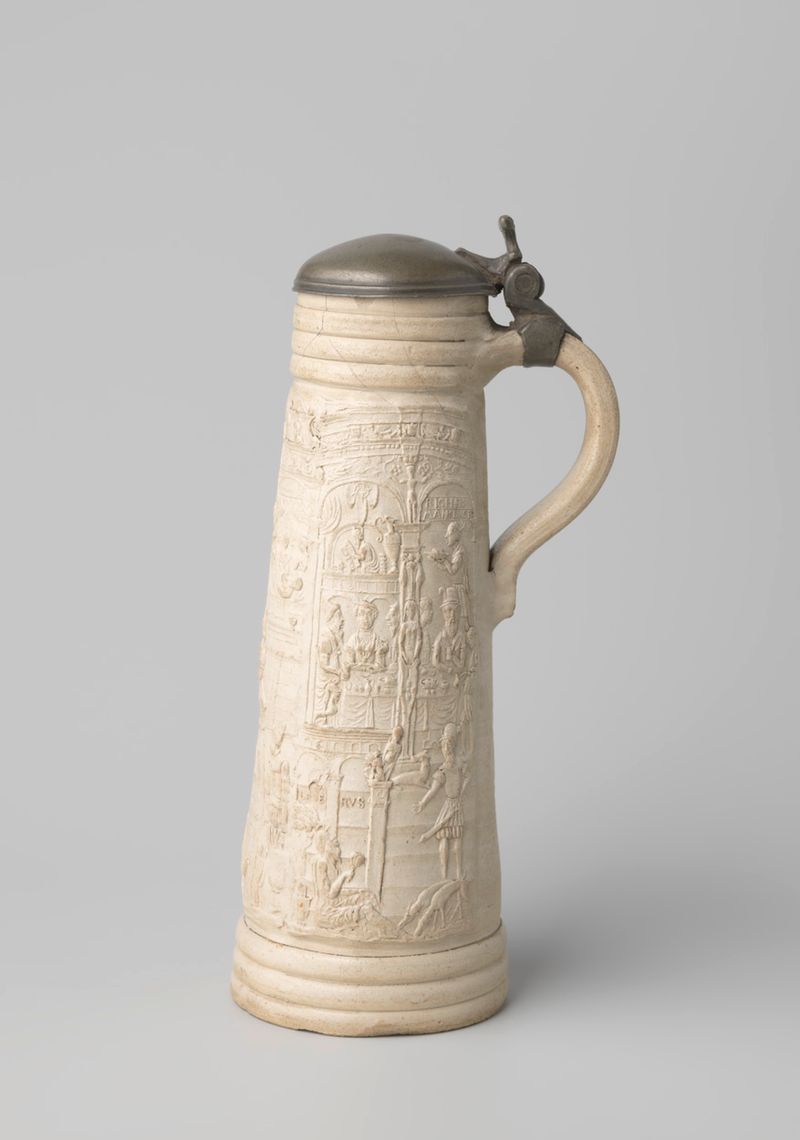
Tankard (schnelle) with scenes from the life of Lazarus
Anno Knütgen
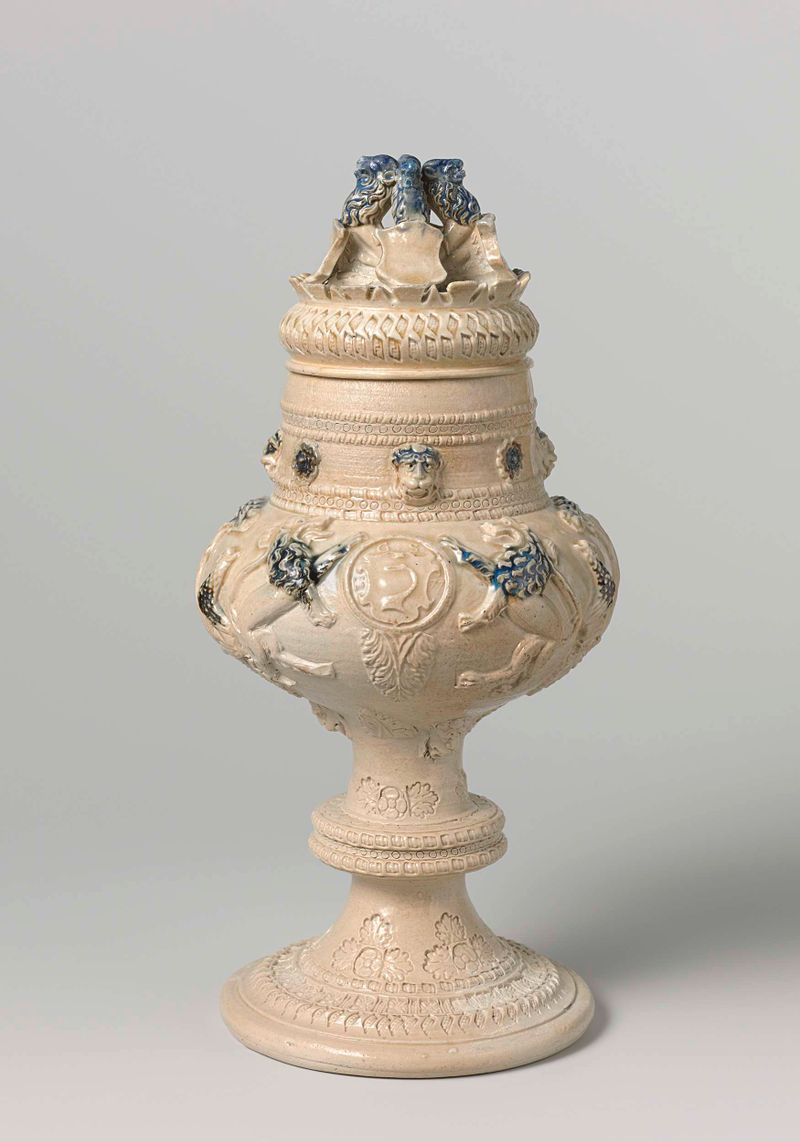
Lidded vase with lions and armorial ornament
Anno Knütgen

Fragment of a tankard (schnelle) with Justice, Faith and Patience
Anno Knütgen
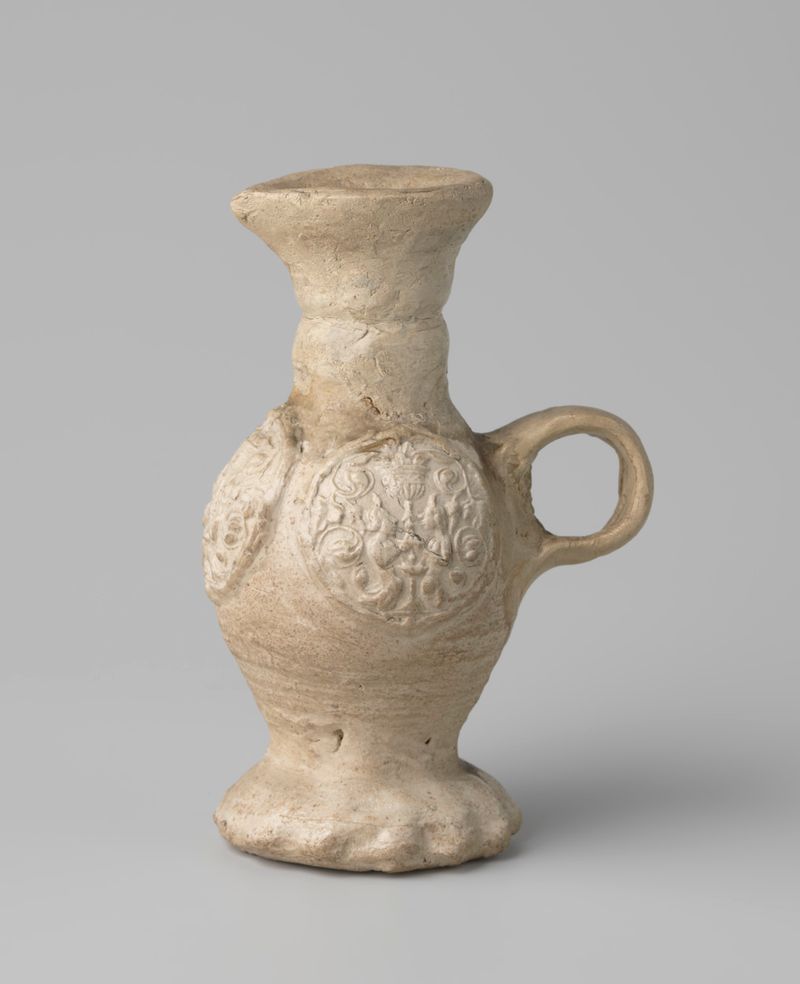
Beaker 'trichterhalsbecher' with medallions
Anno Knütgen
Jug with a personification of Hope
Anno Knütgen
Tankard (schnelle) with Jupiter, Venus and Mars
Anno Knütgen

Jug
Anno Knütgen

Jug with three rosettes
Anno Knütgen