Jungfrau — History & Analysis
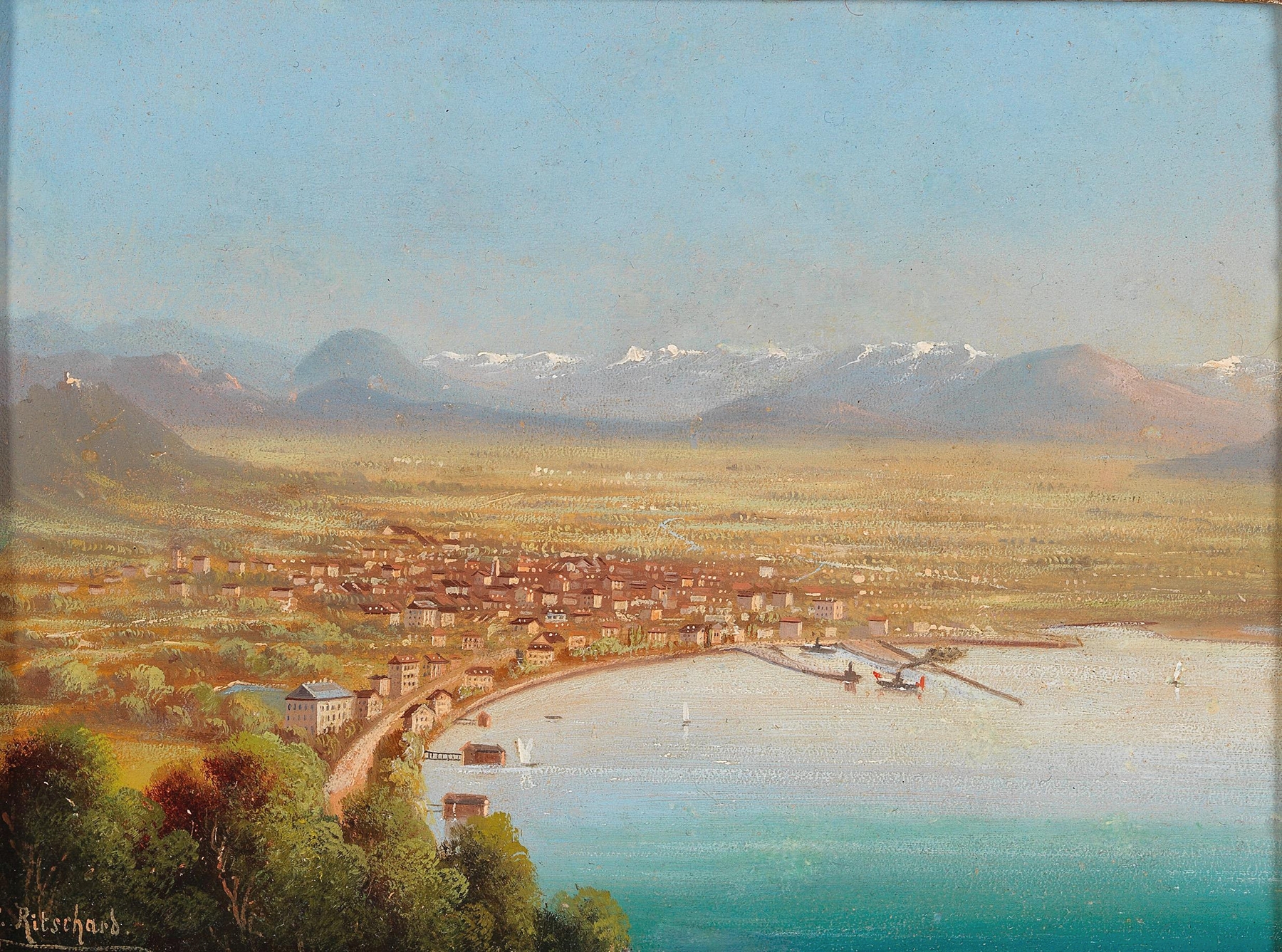
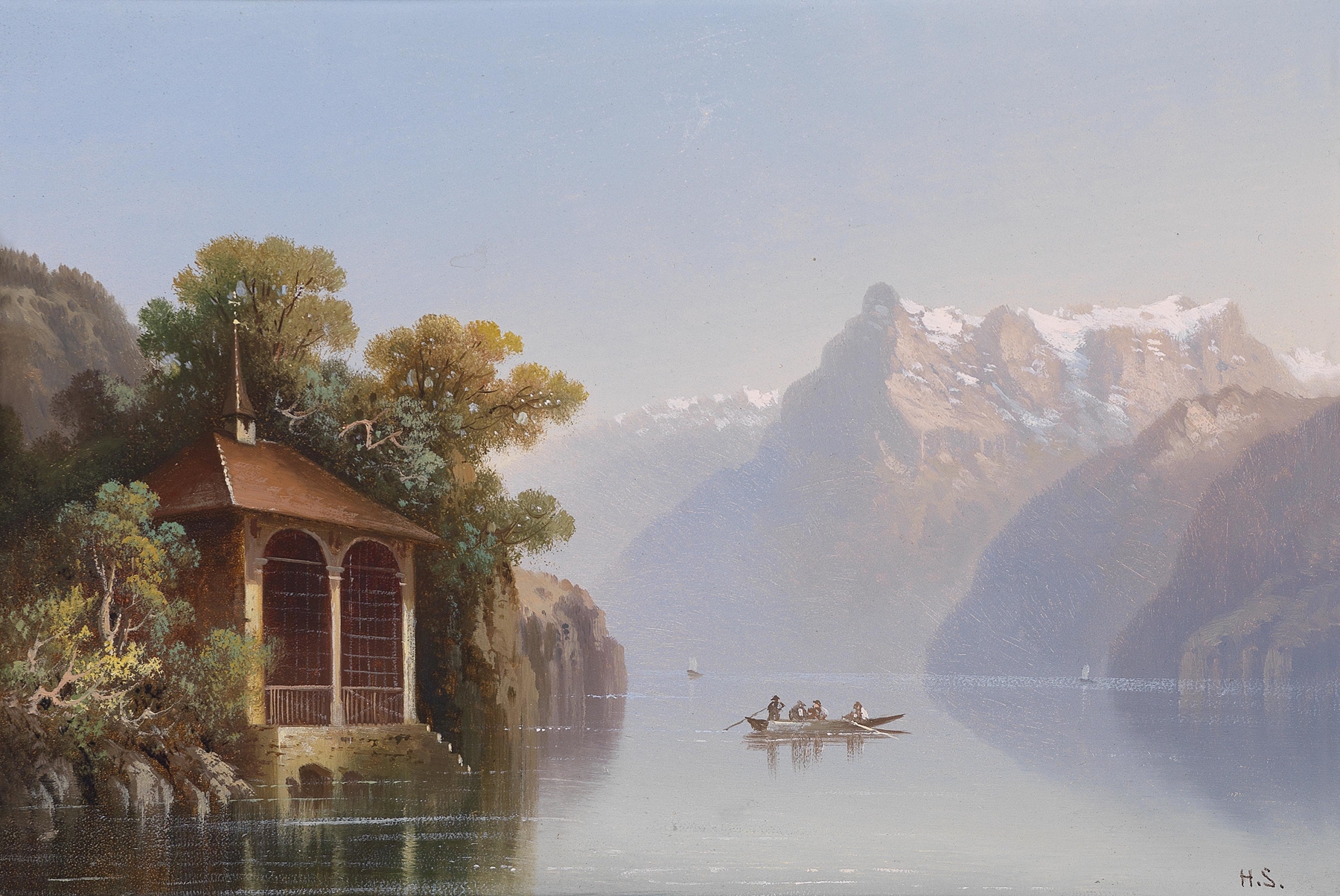
“Sometimes beauty is just pain, disguised in gold.” Such is the essence of yearning, a feeling that exists in the delicate balance between desire and melancholy. This artwork captures that profound ache, inviting the viewer to explore the emotional landscape painted within. Look to the foreground, where the jagged outlines of the mountains rise like ancient sentinels under a twilight sky. Notice how the warm hues of sunset bathe the peaks in a golden glow, while their lower slopes remain cloaked in cool shadows.
The meticulous detail of the landscape reveals a harmony between nature’s grandeur and human fragility, drawing the eye towards the distant horizon that seems to promise both hope and unattainable dreams. Delve deeper into the subtle contrasts at play. The luminous gold of the mountain tops evokes a sense of aspiration, yet the shadowy valleys below remind us of the weight of reality, the unfulfilled desires that lie hidden. Each brushstroke whispers stories of adventurers who once yearned to conquer these heights, their dreams overshadowed by the daunting scale of nature.
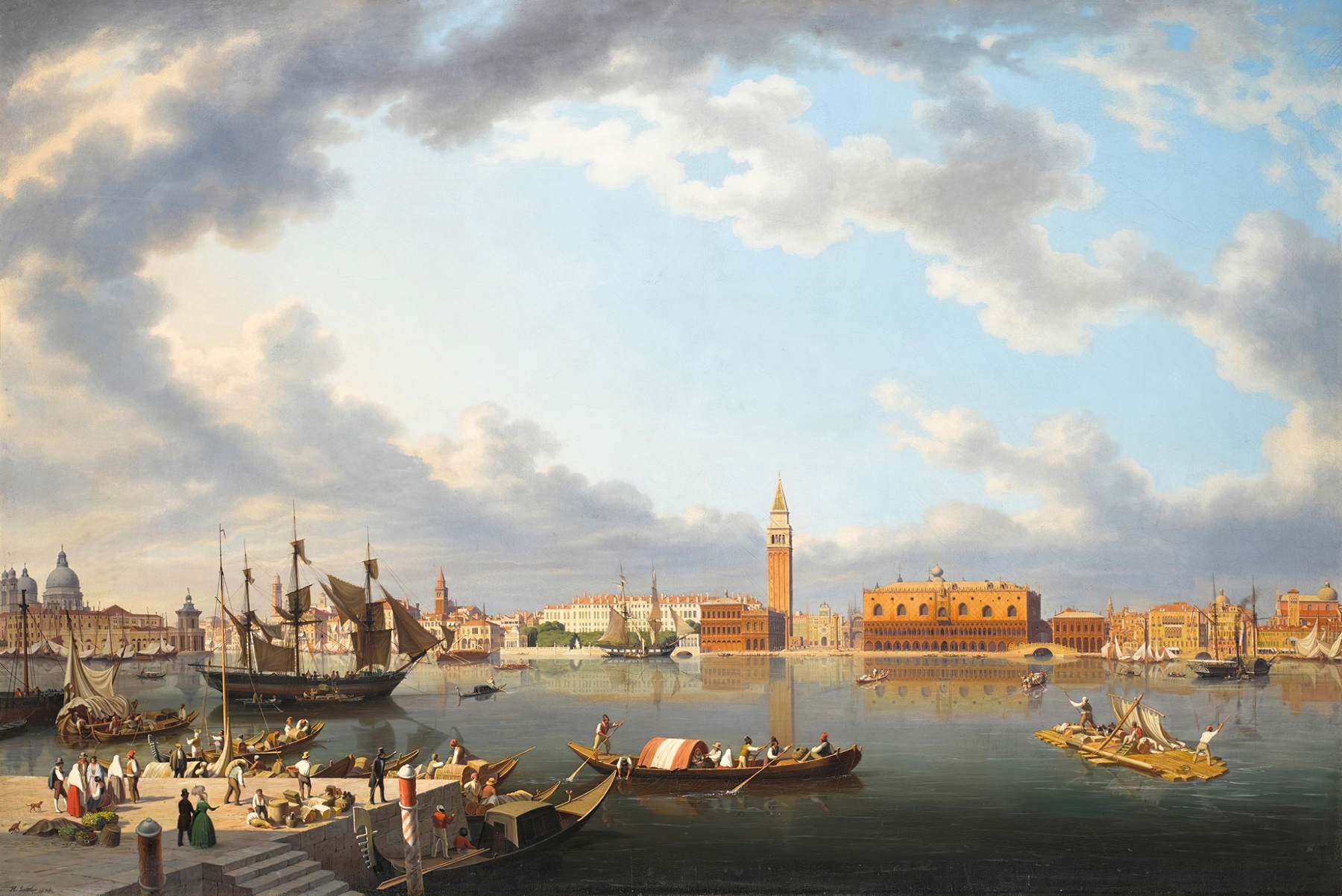
This tension between ambition and limitation echoes in the viewer's heart, a silent yearning for something just beyond reach. During the time Jungfrau was created, Hubert Sattler was exploring the magic of alpine landscapes. Working in the mid-19th century, he was deeply influenced by Romanticism, a movement that celebrated the sublime beauty of nature, often juxtaposing it with the human experience. As he painted, the world was undergoing rapid changes, with nature becoming both a refuge and a reminder of humanity's insignificance—concepts that resonated profoundly through his art.