
Juro (God of Luck) — History & Facts
In 1804, Katsushika Hokusai turned his attention to the Seven Lucky Gods, a popular subject in Edo-period Japan, and produced a series of images that would shape his reputation as a storyteller in print. Among them, Juro (God of Luck) stands out for its rarity—few impressions or copies are known, and its medium remains a matter of scholarly debate. Unlike Hokusai’s later, widely reproduced works, Juro survives in only a handful of references, making each appearance in collections and catalogues a small event for historians and collectors alike. The figure of Jurojin (often called Juro), god of longevity and luck, sits serenely beneath a pine tree, his elongated forehead and gentle smile marking him as a sage.
In his hand, he holds a scroll said to contain the wisdom of the world, while a deer—symbol of long life—rests at his side. Hokusai captures a moment of quiet blessing: Jurojin pauses in his wanderings, as if to offer fortune to the viewer. The composition is spare, yet every detail carries meaning—the pine (endurance), the staff (authority), the deer (longevity).
Compared to the more exuberant Seven Lucky Gods by Utagawa Kuniyoshi, Hokusai’s approach is intimate, inviting contemplation rather than spectacle. The physical history of Juro (God of Luck) is as elusive as the deity himself. No records survive of its original patron, and the uncertainty around its medium—possibly woodblock print or ink painting—has fueled debate among experts. The work is rarely displayed, often appearing only in specialized exhibitions of early Hokusai or Edo-period religious imagery.
It marks a transitional moment in Hokusai’s career, as he moved from traditional subjects to the innovative, personal style that would later define his legacy. Today, Juro (God of Luck) remains a prized, enigmatic piece for those fascinated by the intersections of art, myth, and fortune.
More Artworks by Katsushika Hokusai

The Great Wave off Kanagawa
Katsushika Hokusai
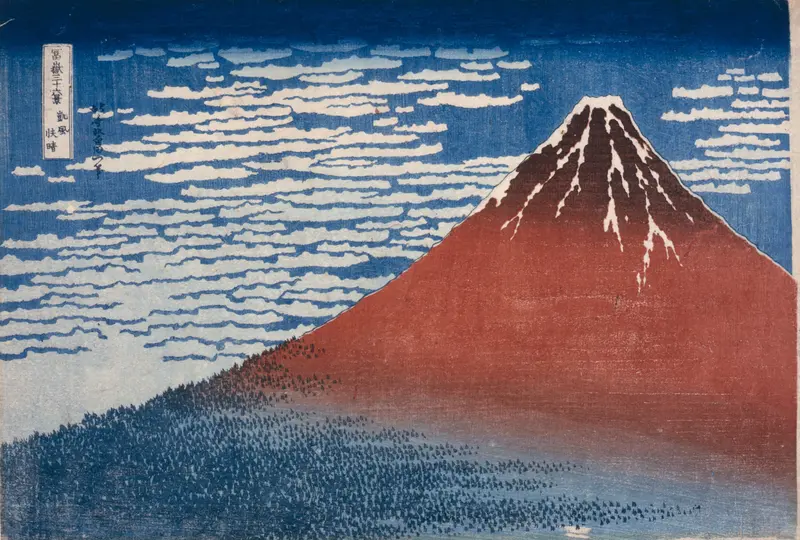
Fine Wind, Clear Morning (Red Fuji)
Katsushika Hokusai
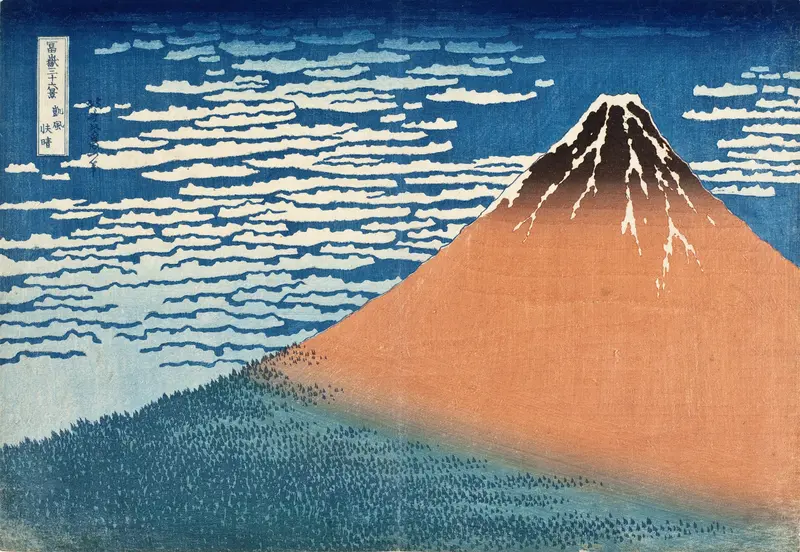
South Wind, Clear Dawn
Katsushika Hokusai
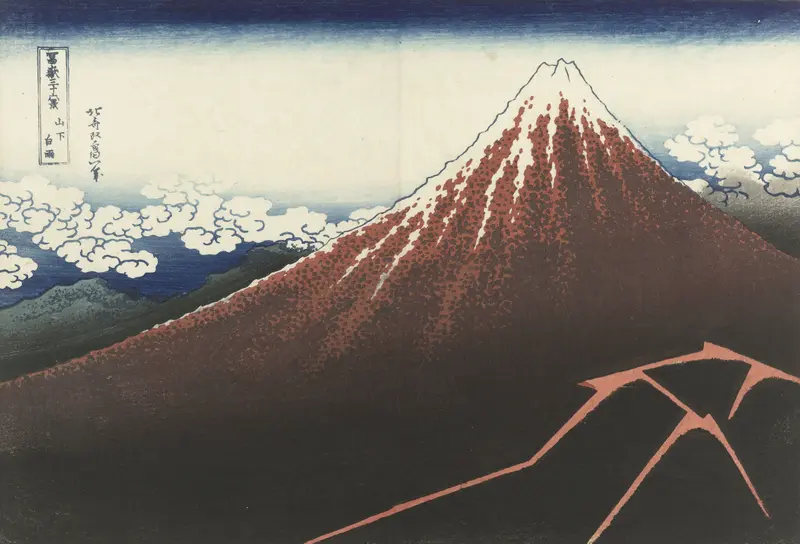
Rainstorm Beneath the Summit
Katsushika Hokusai
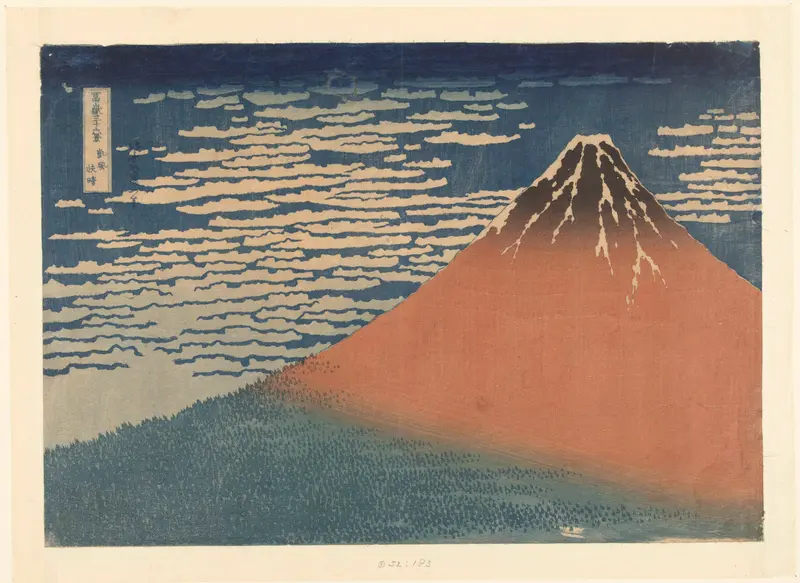
Clear Weather with a Southerly Wind
Katsushika Hokusai
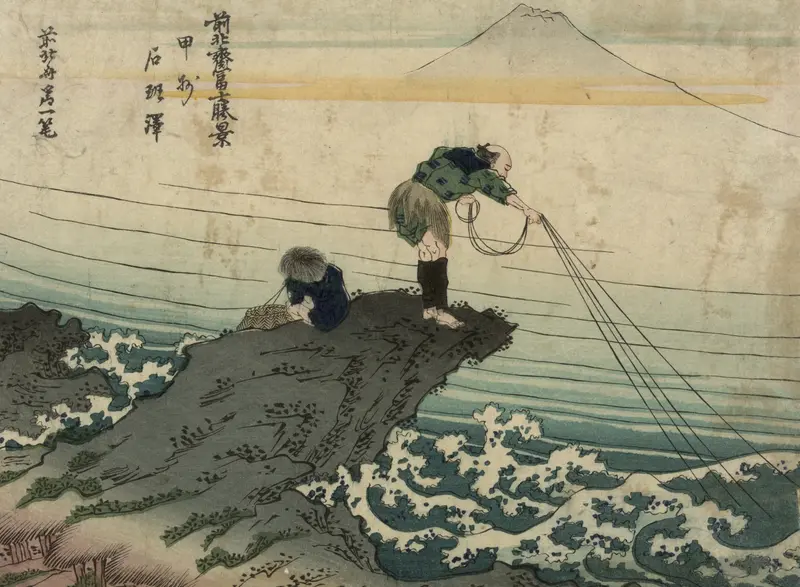
Kōshū kajikazawa
Katsushika Hokusai
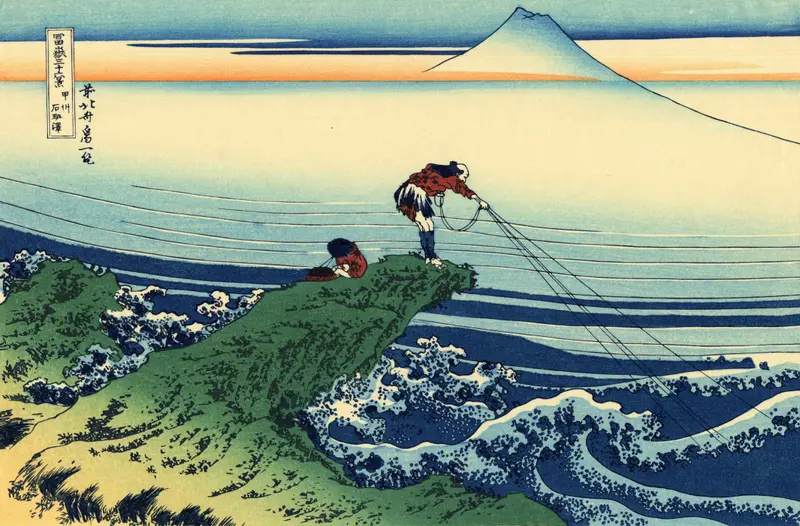
Kōshū kajikazawa 2
Katsushika Hokusai
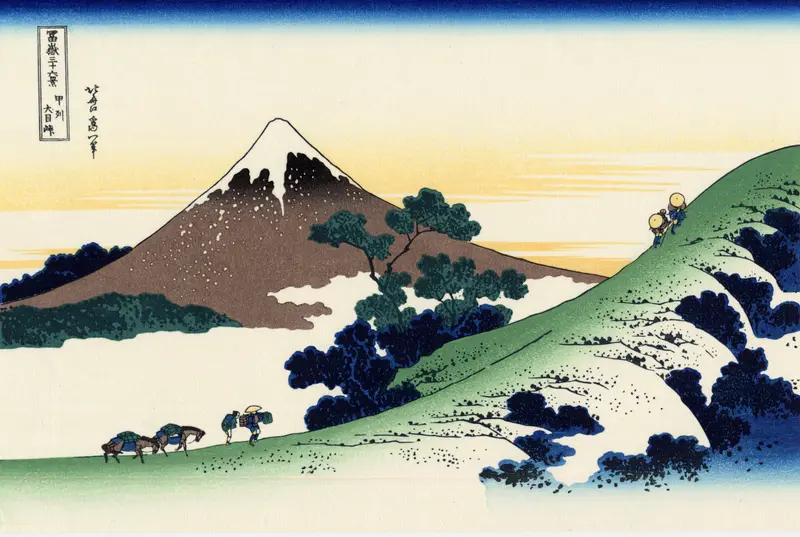
Inume Pass in Kai Province (Kôshû inume-tôge)
Katsushika Hokusai

Yoro Falls in Mino Province (Mino no Yoro no taki), from the series "A Tour of Waterfalls in Various Provinces (Shokoku taki meguri)"
Katsushika Hokusai
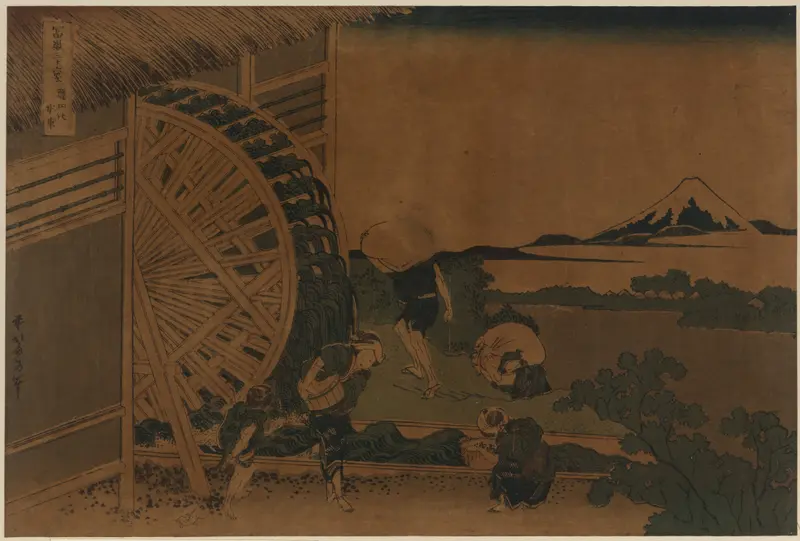
Onden no suisha
Katsushika Hokusai



