
Kachelplaat met Judith en Holofernes, Geloof, Hoop en Liefde — History & Facts
Within its stillness, it captures the tremors of violence and valor, revealing the complexities of human emotion and conflict. Focus first on the fierce gaze of Judith, poised with purpose and determination, as she brandishes the sword. The rich colors of red and gold envelop her form, contrasting sharply with the pallid hues of Holofernes, who lies vulnerable and defeated. Notice how the light glints off Judith’s blade, drawing your eye to the pivotal moment of action and choice, while the surrounding figures fade into the shadows, emphasizing her prominence within this dramatic narrative. Delve deeper into the meaning beneath the surface; Judith’s stance embodies both strength and sacrifice, a hero in a world marked by treachery.
The juxtaposition of Geloof, Hoop, and Liefde suggests a triad of virtues intertwined with the violence of her act, hinting at the cost of survival and righteousness. The intricate details in the fabric and expression of the figures surrounding her offer a commentary on the moral complexities of courage in the face of oppression. This piece emerged during the late Renaissance, a time when artists sought to explore both the human condition and religious narratives with unprecedented depth. Created between 1550 and 1600, it reflects the turbulent socio-political climate of its era, amid the Reformation and shifting allegiances.
While the creator remains unknown, their work speaks volumes of a time when virtue was often challenged by the specter of violence.
More Artworks by Unknown Artist
Browse all →
Ridder, Dood en Duivel
Unknown Artist
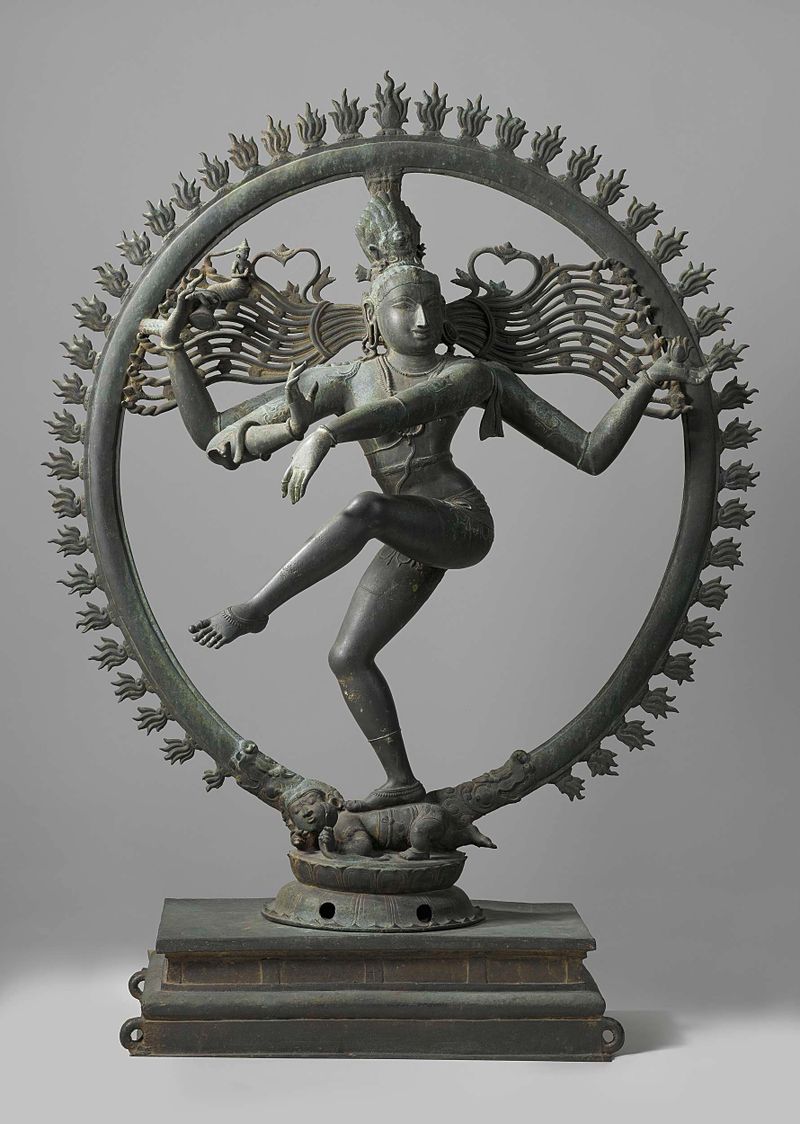
Shiva Nataraja
Unknown Artist
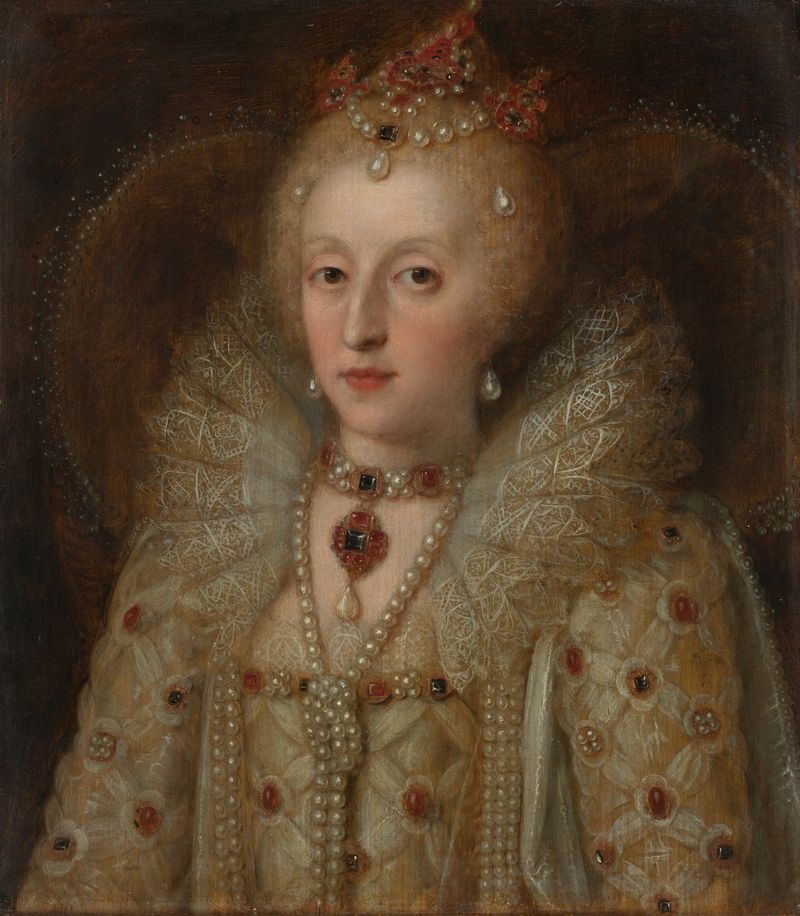
Portrait of Elizabeth I, Queen of England
Unknown Artist
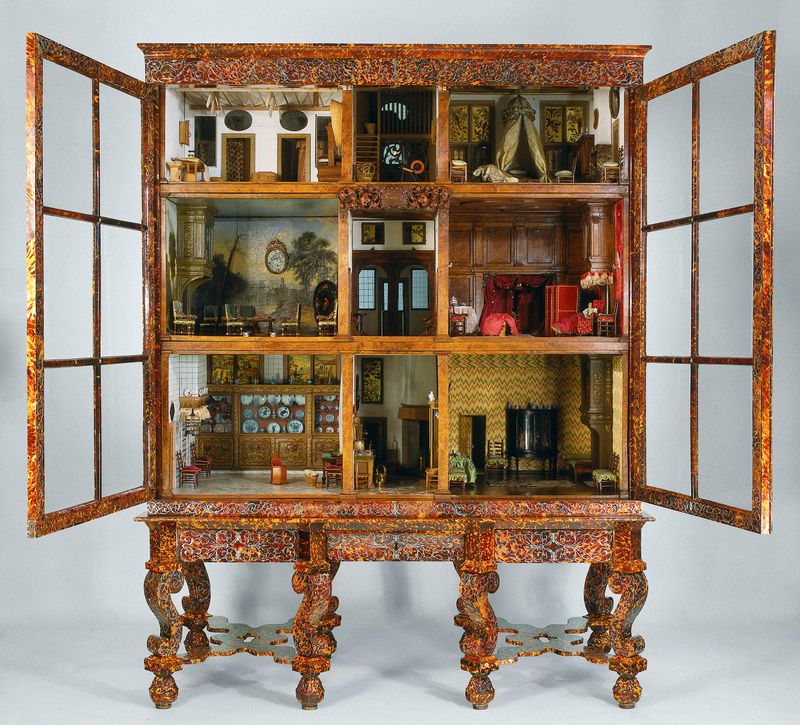
Dolls’ house of Petronella Oortman
Unknown Artist
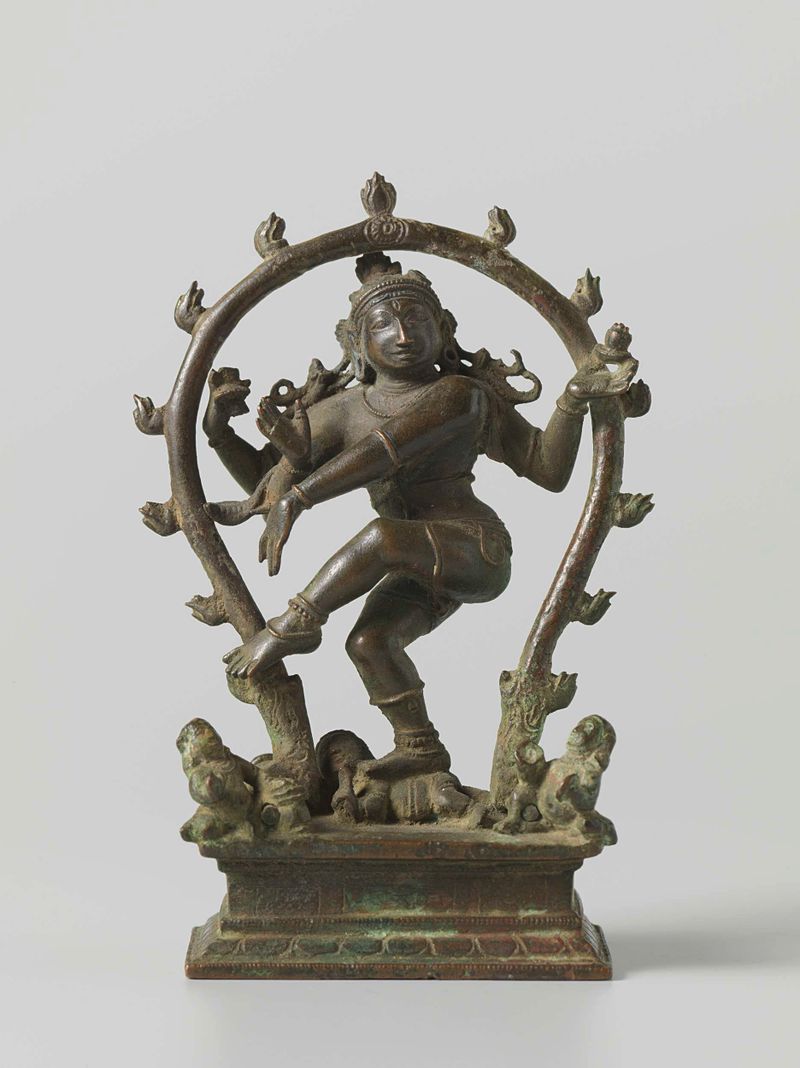
Shiva Nataraja
Unknown Artist

The Tale of Genji
Unknown Artist

The Tale of Genji
Unknown Artist

Cong
Unknown Artist
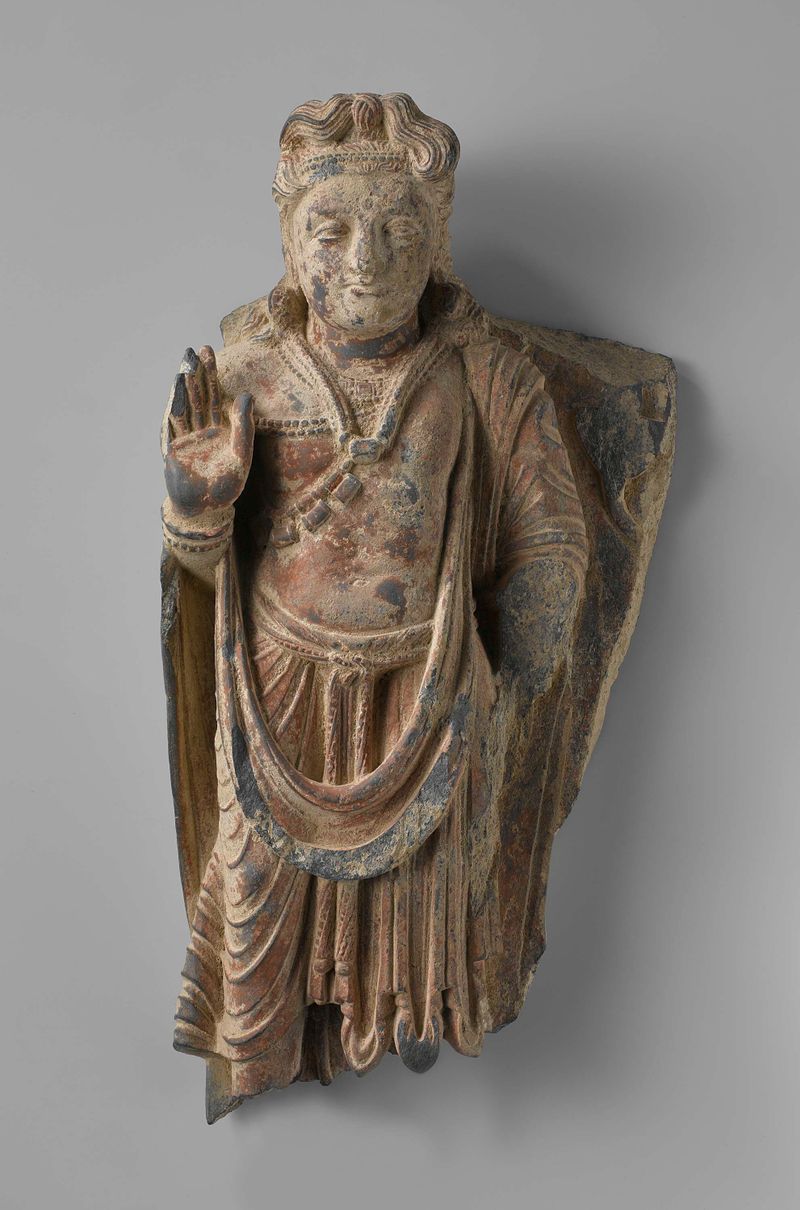
The bodhisattva Maitreya
Unknown Artist

Teabowl with a 'hare's fur' glaze
Unknown Artist
More Religious Art
Browse all →
The Return of the Prodigal Son
Rembrandt van Rijn

The Garden of Earthly Delights
El Bosco

Count Orgaz’ funeral
El Greco

The Hundred Guilder Print: the central piece with Christ preaching, the plate arched
Rembrandt van Rijn

The Descent from the Cross
Rogier van der Weyden

The return of the prodigal son
Rembrandt van Rijn