
Kahnpartie im Spreewald — History & Facts
Who listens when art speaks of silence? In Kahnpartie im Spreewald, Edward Theodore Compton beckons viewers into a tranquil world where reflections whisper truths often overlooked. Look to the left at the gentle ripples in the water, distorting the reflections of the lush trees and the serene sky. Notice how the artist employs soft, muted colors that merge harmoniously, capturing the quiet allure of the Spreewald. The skillful brush strokes create a delicate play of light and shadow, inviting the eye to roam across the scene where a single wooden canoe drifts peacefully, embodying solitude and introspection. Yet, beneath this serene surface lies a thoughtful contrast between nature's calm and the weight of human presence.
The canoe, though small, represents a connection to the natural world, hinting at the delicate balance between humanity and the wilderness. The stillness of the water reflects not only the surrounding beauty but also an introspective silence, urging viewers to engage with their own inner truths amid the tranquility. In 1910, Compton painted this piece in the heart of the German landscape, amidst a thriving art scene that leaned towards impressionism and realism. His exploration of the Spreewald, an area known for its enchanting waterways and rich biodiversity, was a personal endeavor to capture the essence of nature’s beauty as he experienced it, reflecting broader themes in an era of rapid industrialization.
More Artworks by Edward Theodore Compton
Browse all →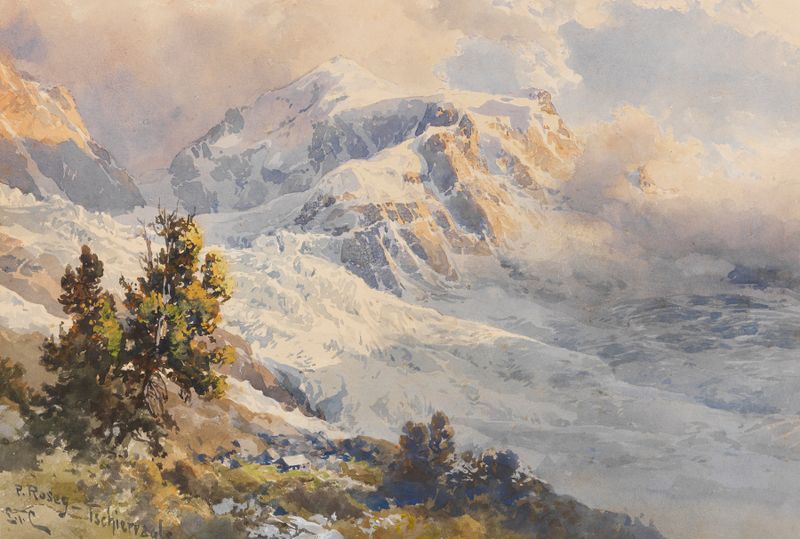
Piz Roseg – Tschiervagletscher
Edward Theodore Compton
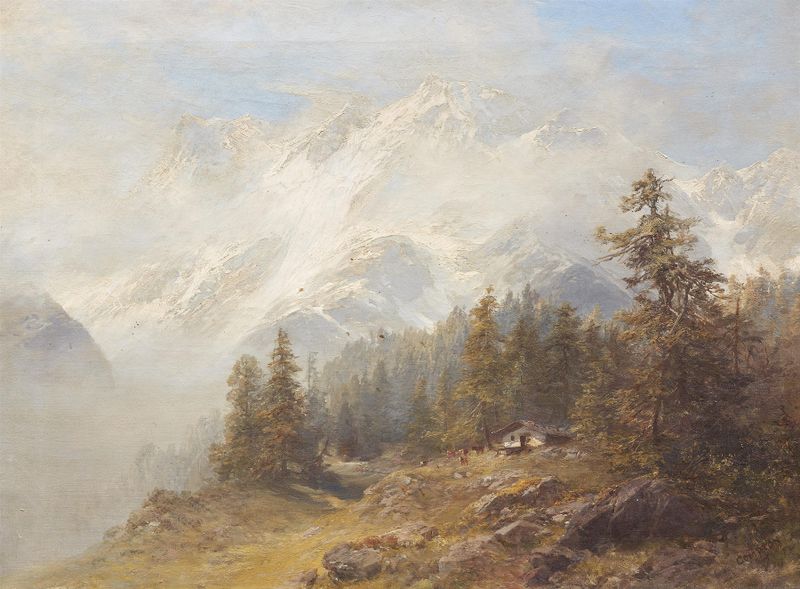
Alpenlandschaft vor schneebedecktem Massiv
Edward Theodore Compton
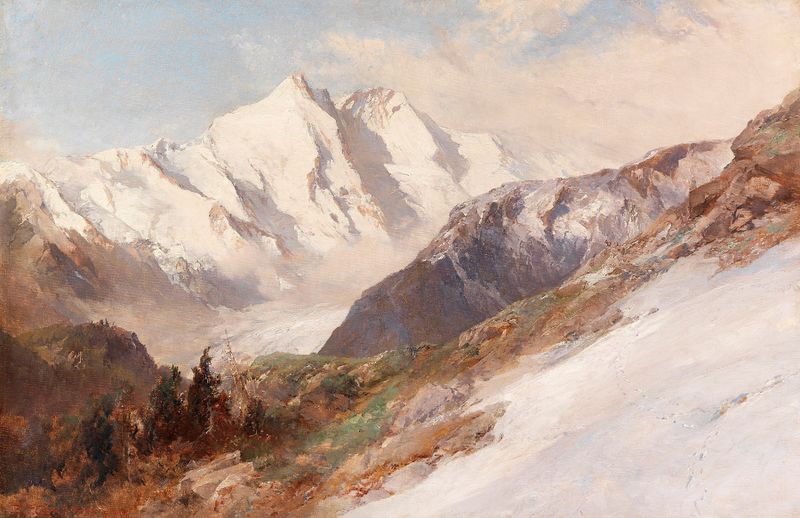
Blick auf die Nordseite des Großglockners
Edward Theodore Compton
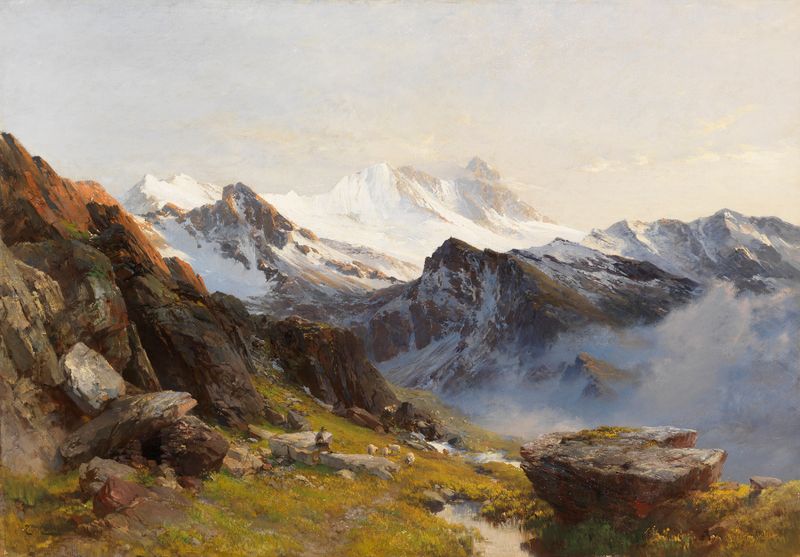
Großglockner von der Prager Hütte aus, früh
Edward Theodore Compton
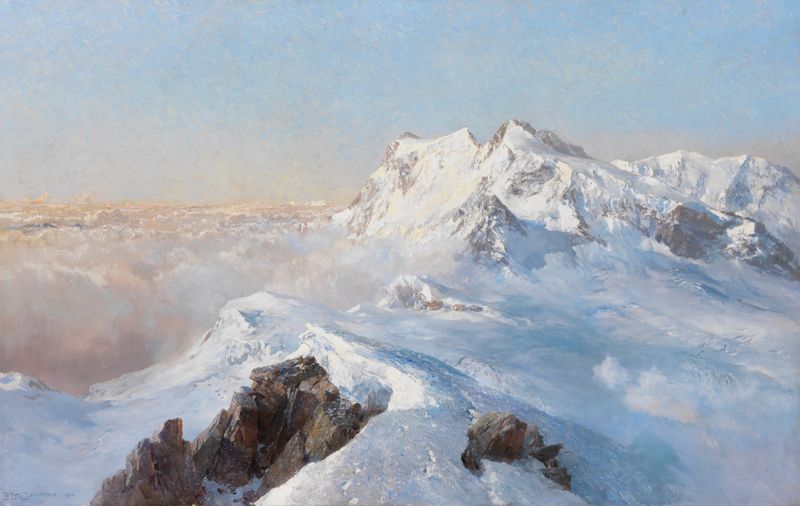
Über dem Nebelmeer (Monte Rosa vom Rimpfischhorn)
Edward Theodore Compton
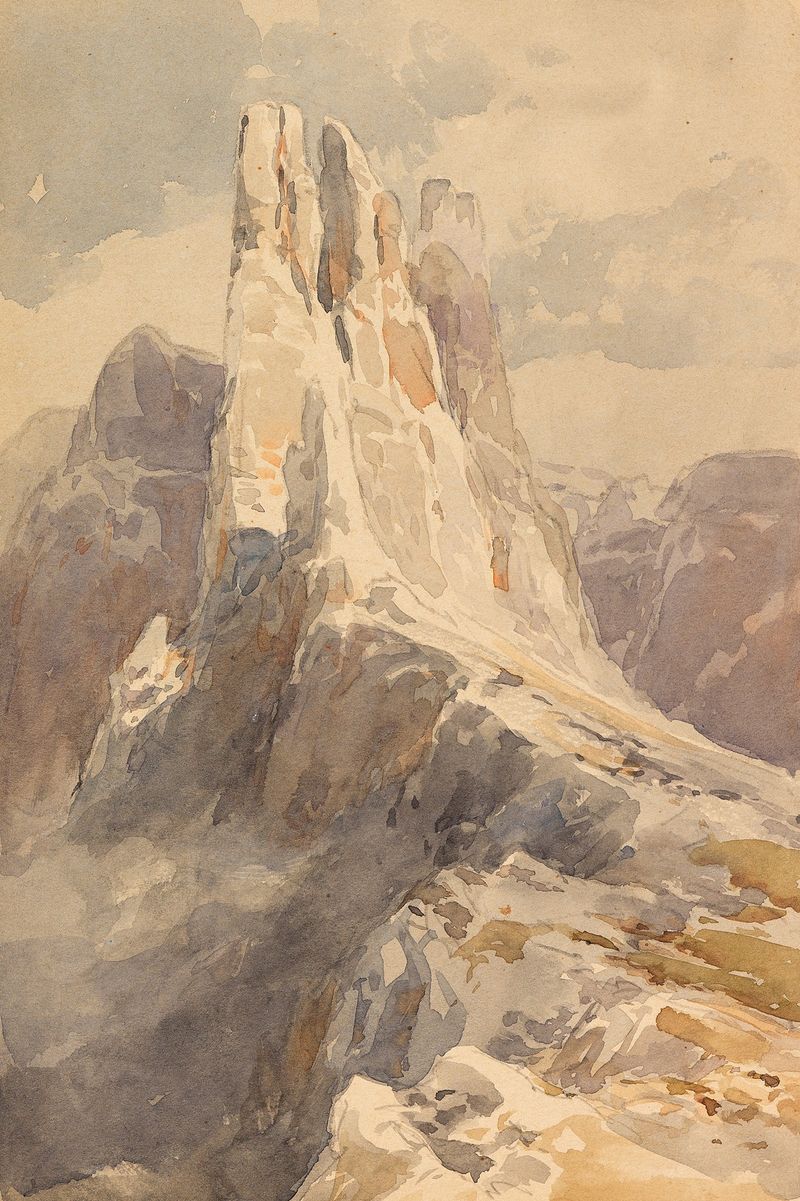
Blick auf die Vajolet-Türme in den Dolomiten
Edward Theodore Compton
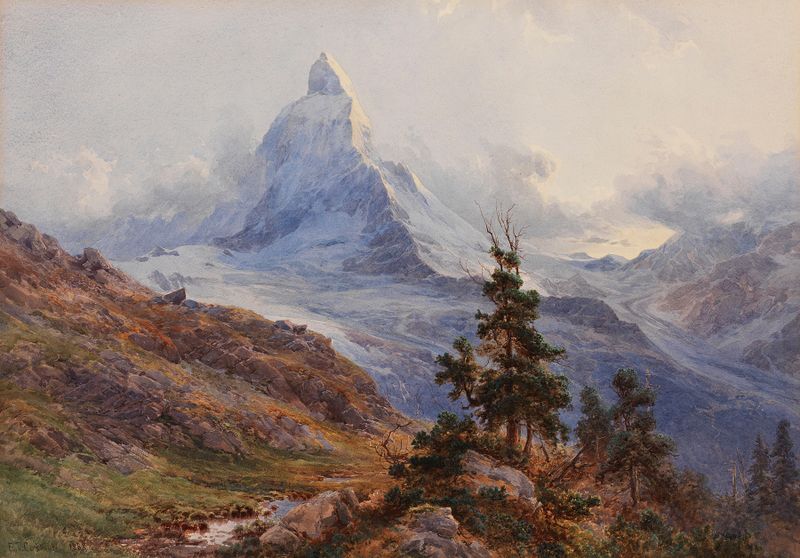
View of the Matterhorn
Edward Theodore Compton
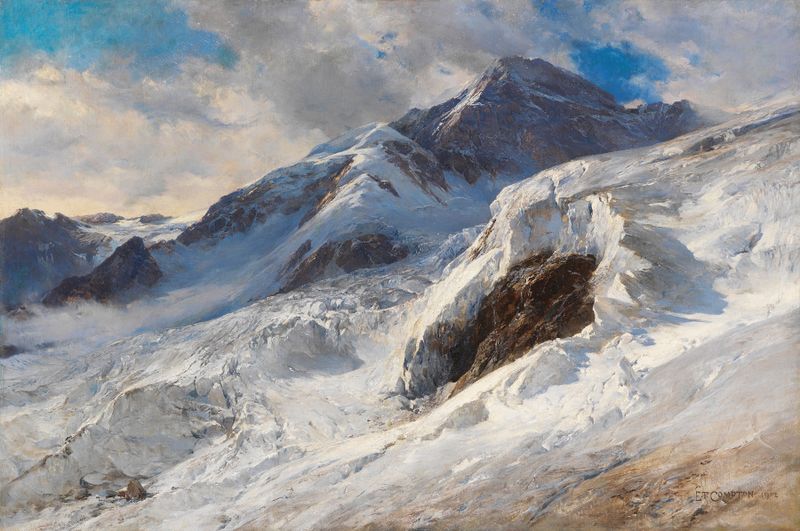
Lyskamm (Monte-Rosa)
Edward Theodore Compton
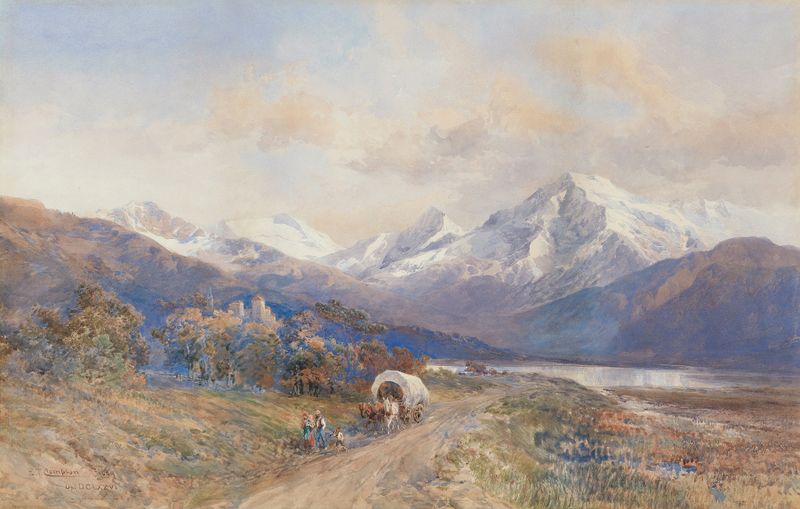
Blick auf den Ortler von St. Valentin
Edward Theodore Compton
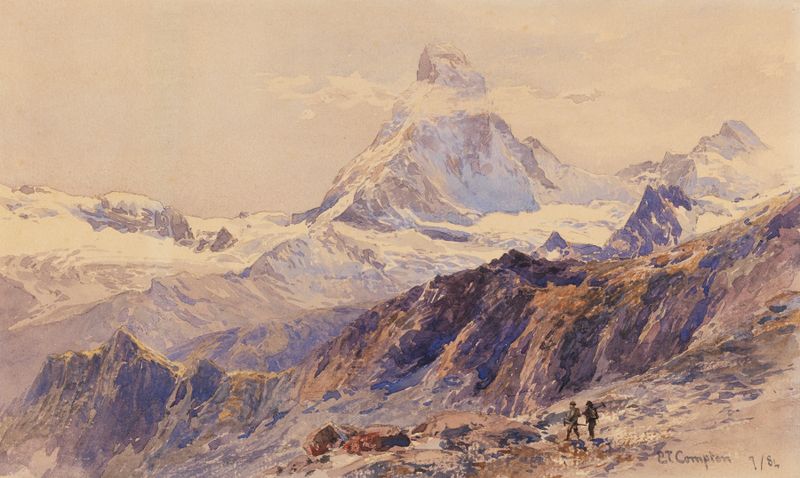
Das Matterhorn von der Triftkumme
Edward Theodore Compton





