
Kalorama Cottage — History & Facts
In moments of solitude, how does emptiness transform into something profound? Focus on the small figure, almost dwarfed by the surrounding landscape, standing in front of a quaint cottage. The soft pastels of the sky and verdant greens blend into a tranquil backdrop, while the cottage itself, painted with meticulous detail, exudes a comforting familiarity. Notice how the gentle brushwork captures the play of light on the thatched roof, each stroke whispering of a life lived, yet not fully present.
The composition invites the viewer's gaze to wander, revealing layers of serenity woven through the scene. Beneath the surface, this work speaks volumes about isolation and the deeper human experience. The solitary figure, gazing into the distance, embodies a poignant stillness that echoes the concept of longing. The soft contrasts between the vibrant nature surrounding the cottage and the muted tones of the figure highlight feelings of solitude versus the exuberance of life.
This duality resonates within the viewer, evoking reflections on one’s own experiences of emptiness and connection. In 1860, John Ferguson Weir created this piece during a period marked by shifts in American art, moving towards greater realism and naturalism. Living in Connecticut, Weir was immersed in a community of artists eager to depict the American landscape authentically. The era was characterized by a desire to capture the essence of the everyday, and Kalorama Cottage embodies this pursuit, encapsulating a moment of tranquility amidst the complexities of life.
More Artworks by John Ferguson Weir
Browse all →
West Point Foundry, Cold Spring, New York
John Ferguson Weir

West Point Foundry, Cold Spring, New York (Rabbit)
John Ferguson Weir

Niagara Falls
John Ferguson Weir
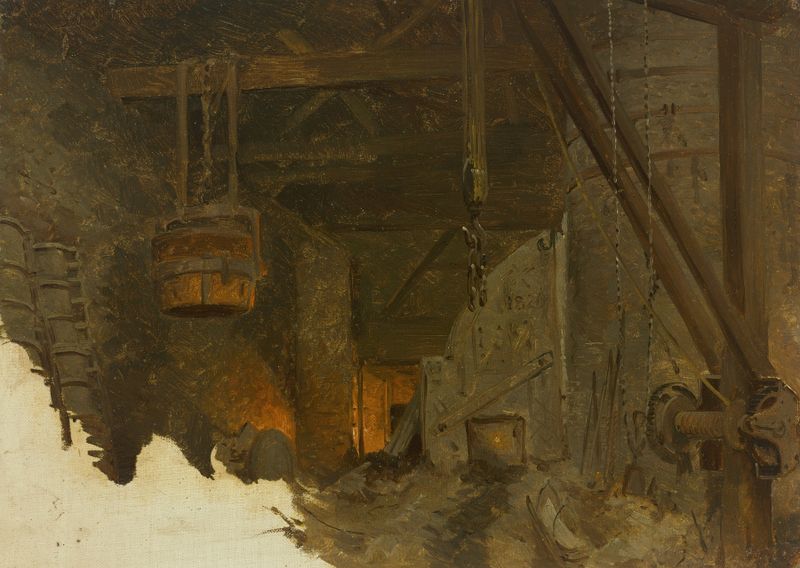
West Point Foundry, Cold Spring, New York
John Ferguson Weir

West Point Foundry, Cold Spring, New York
John Ferguson Weir

Forest Scene
John Ferguson Weir

Forest Scene
John Ferguson Weir

Alhambra, Granada, Spain
John Ferguson Weir

An Abandoned Quarry
John Ferguson Weir
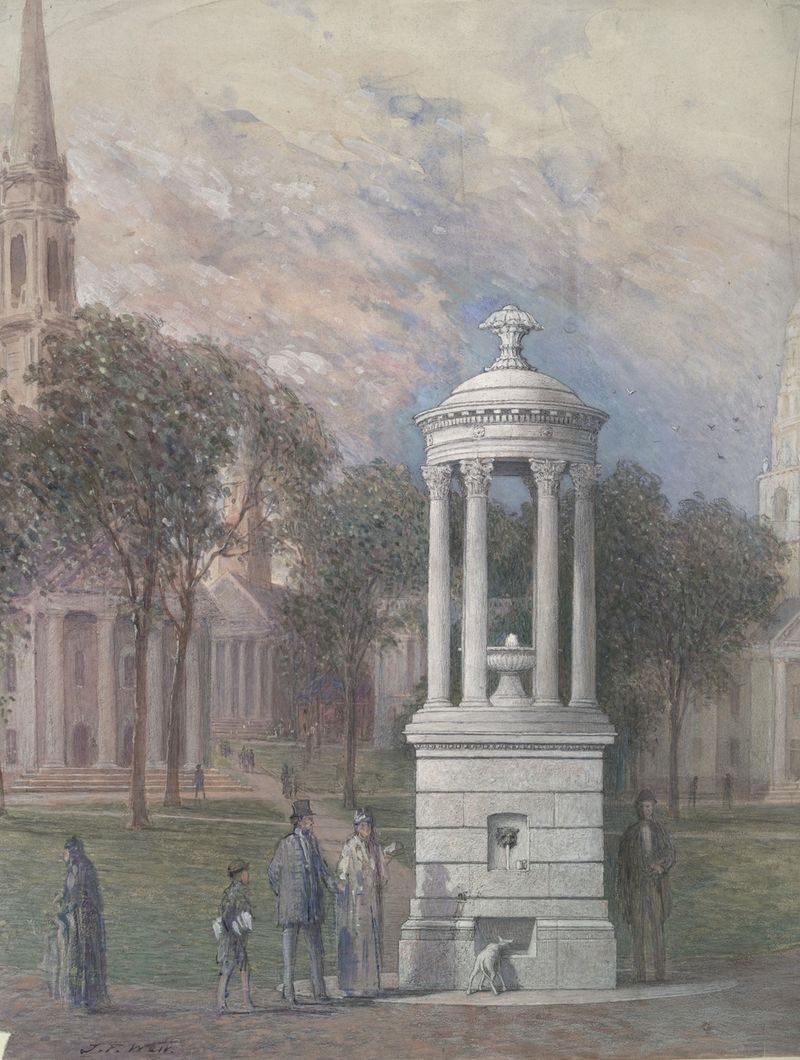
Bennett Fountain on New Haven Green
John Ferguson Weir





