
Kamakura daibutsu (The Great Buddha at Kamamura) — History & Facts
What if beauty was never meant to be finished? In capturing a moment of serenity, Kawase Hasui invites us to ponder the evolving nature of grace and elegance in his depiction of the Great Buddha at Kamakura. Focus on the tranquil figure at the center, a serene giant carved from stone, radiating a calming presence. Notice how the gentle hues of blue and green envelop the statue, signaling the surrounding lush landscape. The soft, diffused light creates a harmonious interplay of shadow and texture, directing your gaze to the intricate folds of the robes and the serene expression, inviting reflection on the stillness of the moment. Beneath the surface, tensions arise between the permanence of the statue and the ephemeral beauty of its surroundings.
The juxtaposition of solid stone against the fluttering leaves and shifting clouds hints at the transitory nature of existence. Each brushstroke evokes a deep connection to the spiritual, capturing not just an image but a feeling of timelessness that resonates with the viewer's own search for meaning amidst change. In 1930, Hasui was immersed in the Shin-hanga movement, blending traditional Japanese woodblock techniques with modern sensibilities. The world around him was changing rapidly, yet his focus on nature and spirituality remained a constant.
Painting Kamakura daibutsu during this period, he sought to preserve the beauty of Japan's cultural heritage while subtly reflecting the complexities of a society in transition.
More Artworks by Kawase Hasui
Browse all →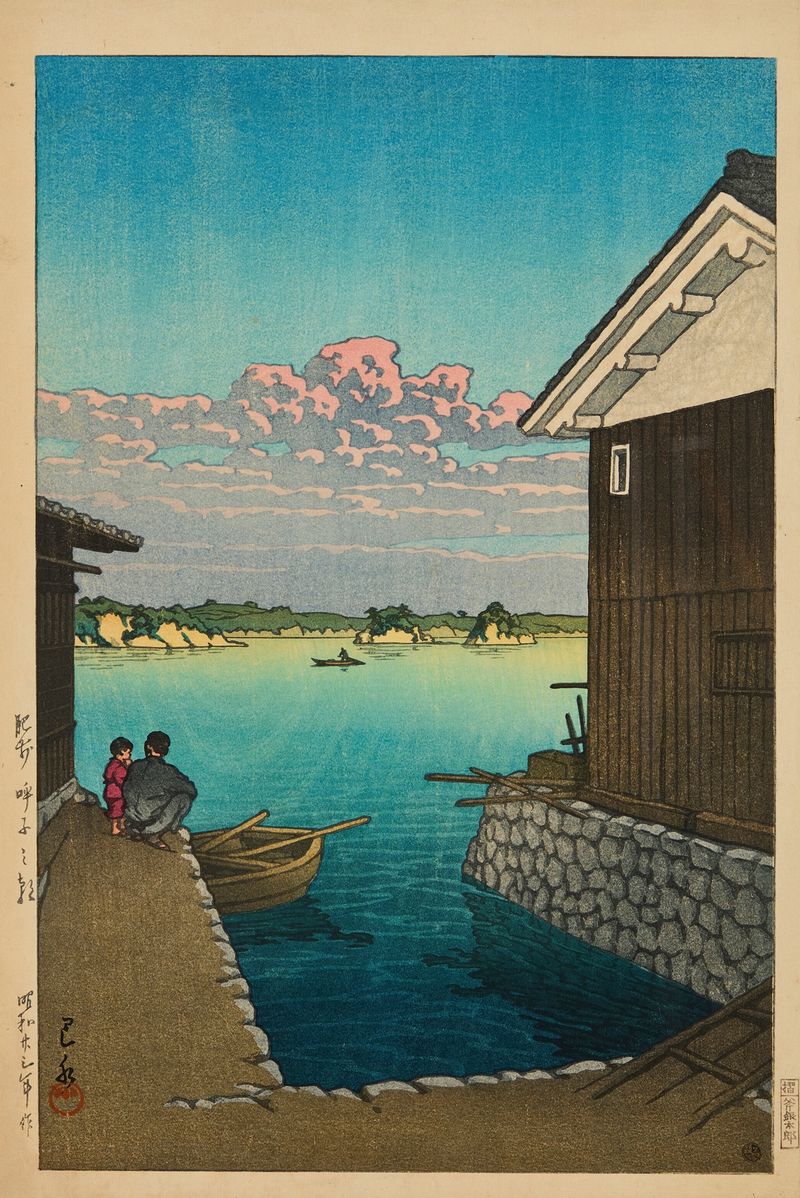
Hizen Yobuko no asa (Morning in Yobuko, Hizen)
Kawase Hasui
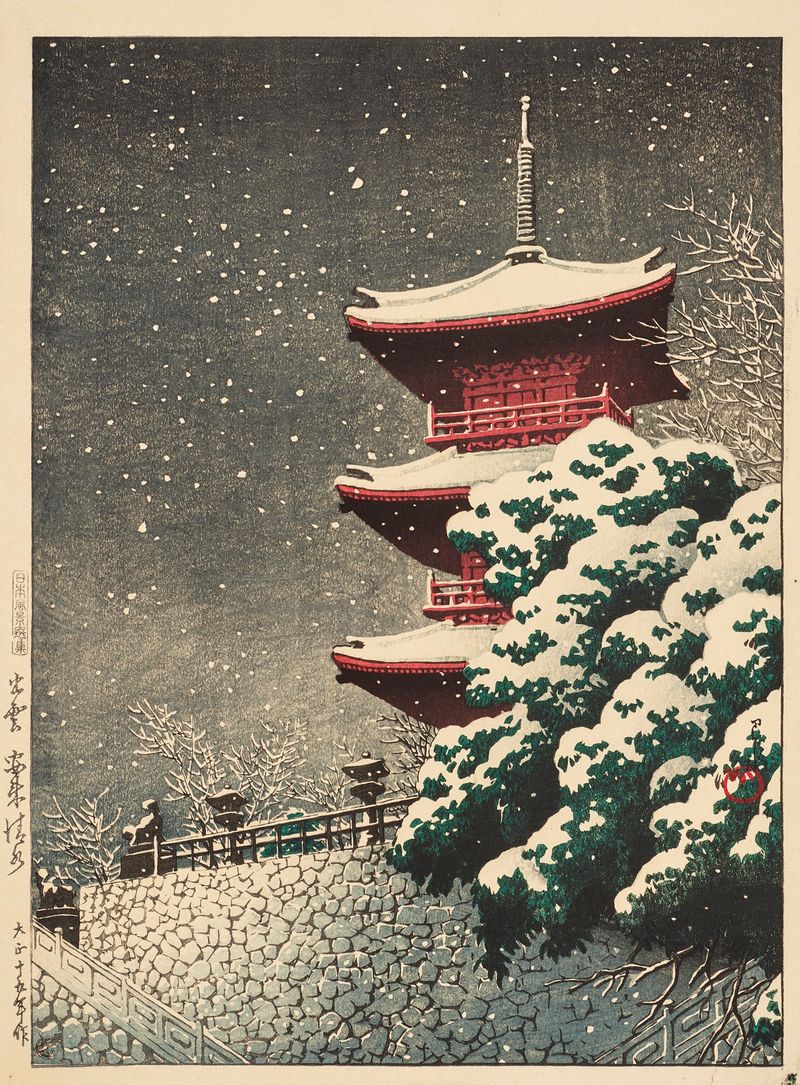
Izumo, Yasugi Kiyomizu (Yasugi Kiyomizu Temple at Izumo)
Kawase Hasui
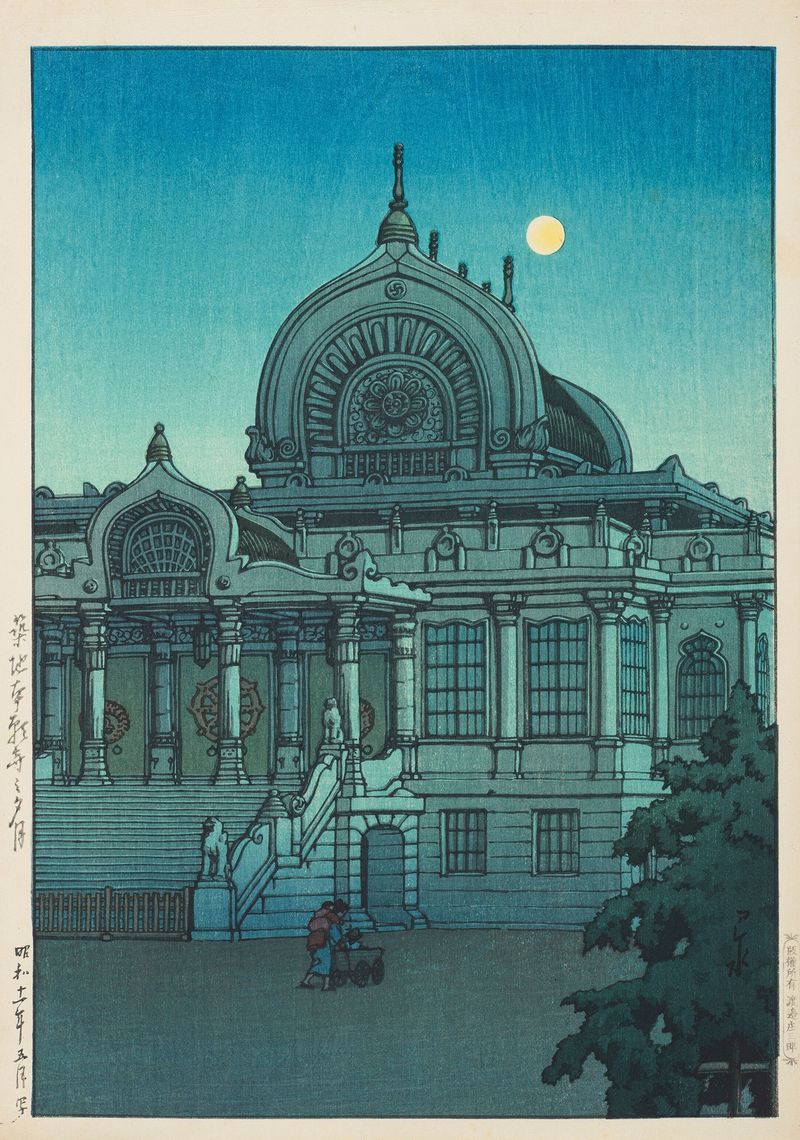
Tsukiji Honganji no yuzuki (Evening moon at Honganji Temple in Tsukiji)
Kawase Hasui
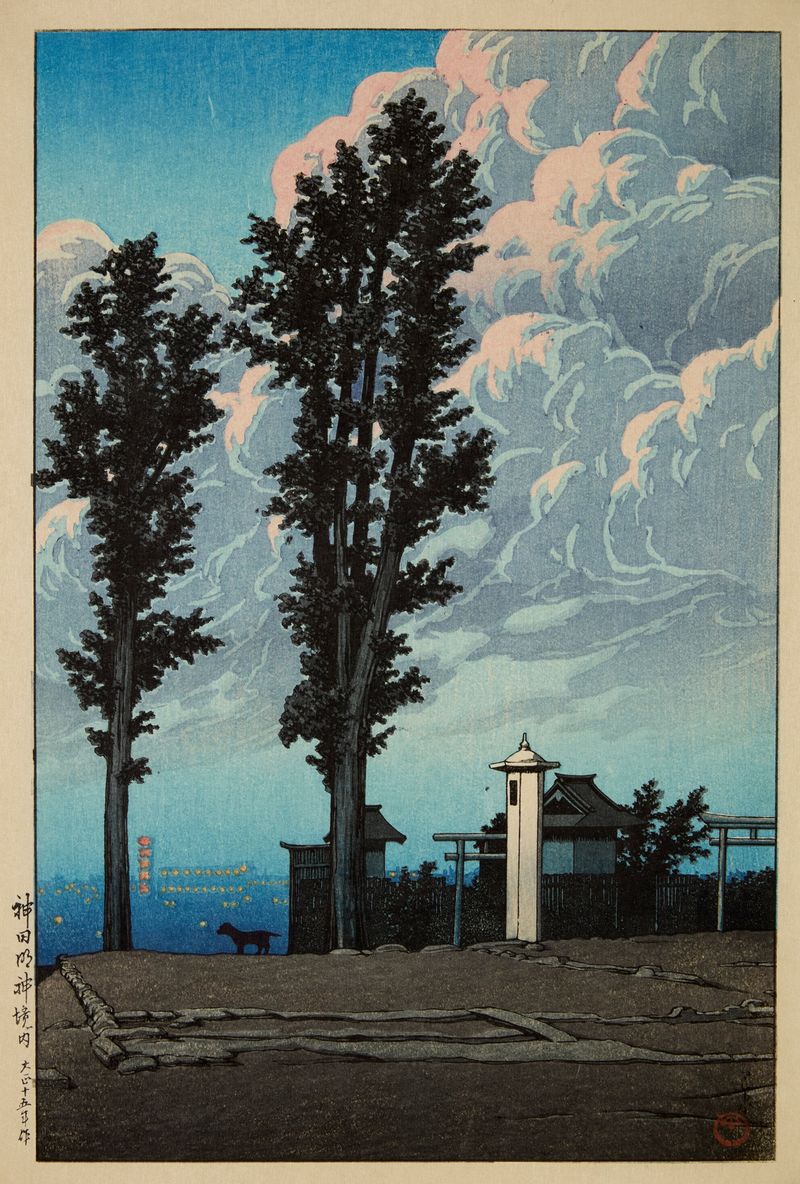
Kanda Myojin keidai (Kanda Myojin Shrine precent)
Kawase Hasui
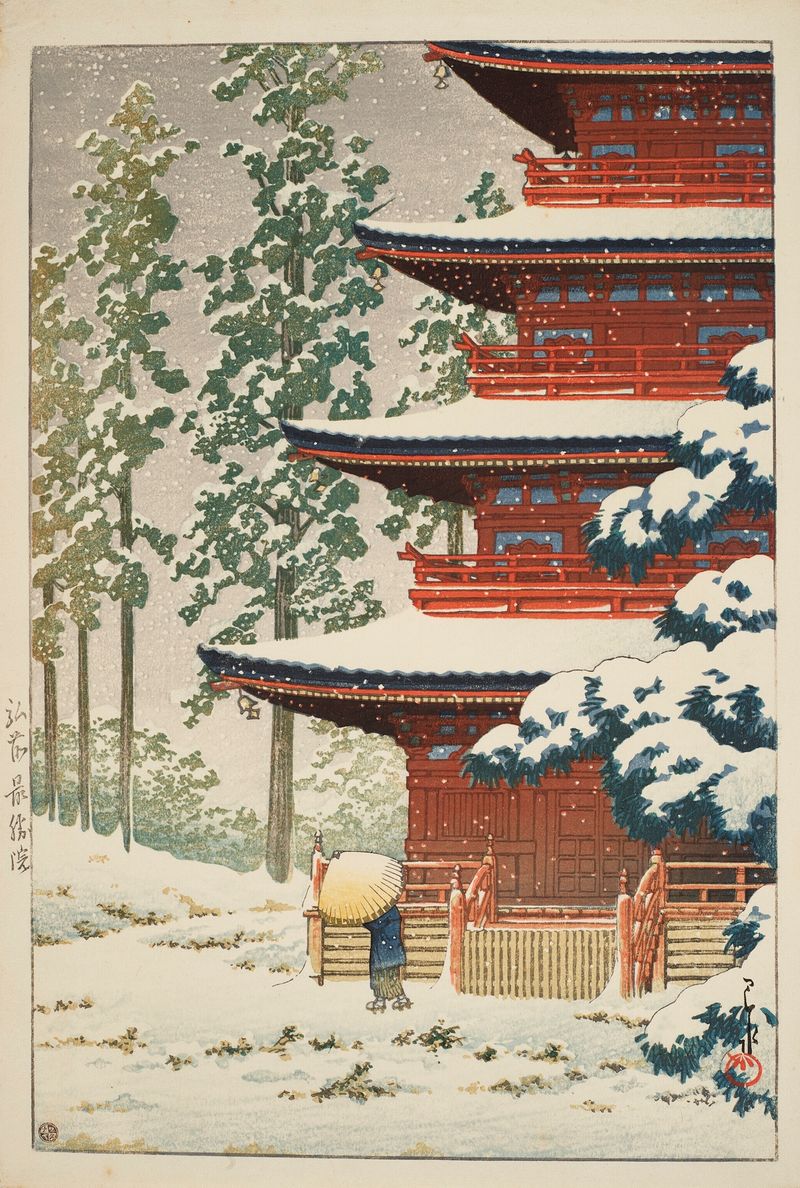
Saisho-in Temple, Hirosaki
Kawase Hasui
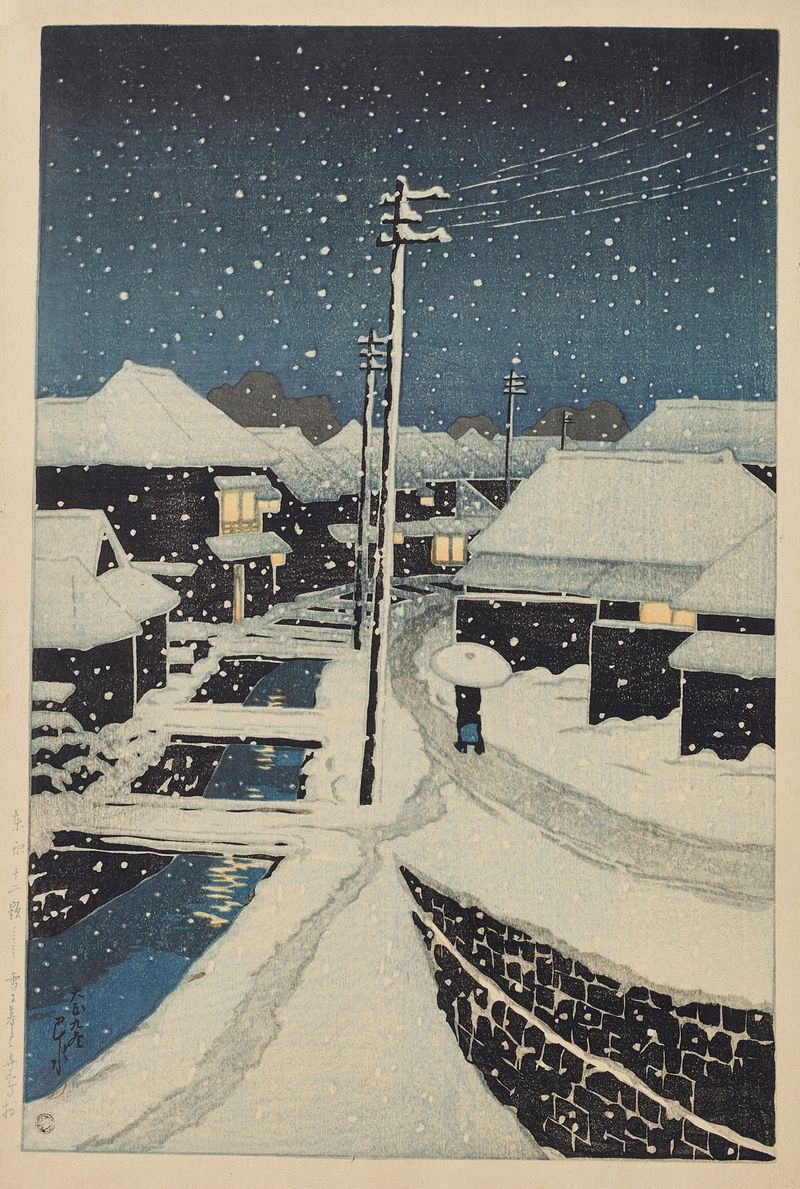
Yuki ni fururu Terajima mura (Evening snow at Terajima Village)
Kawase Hasui
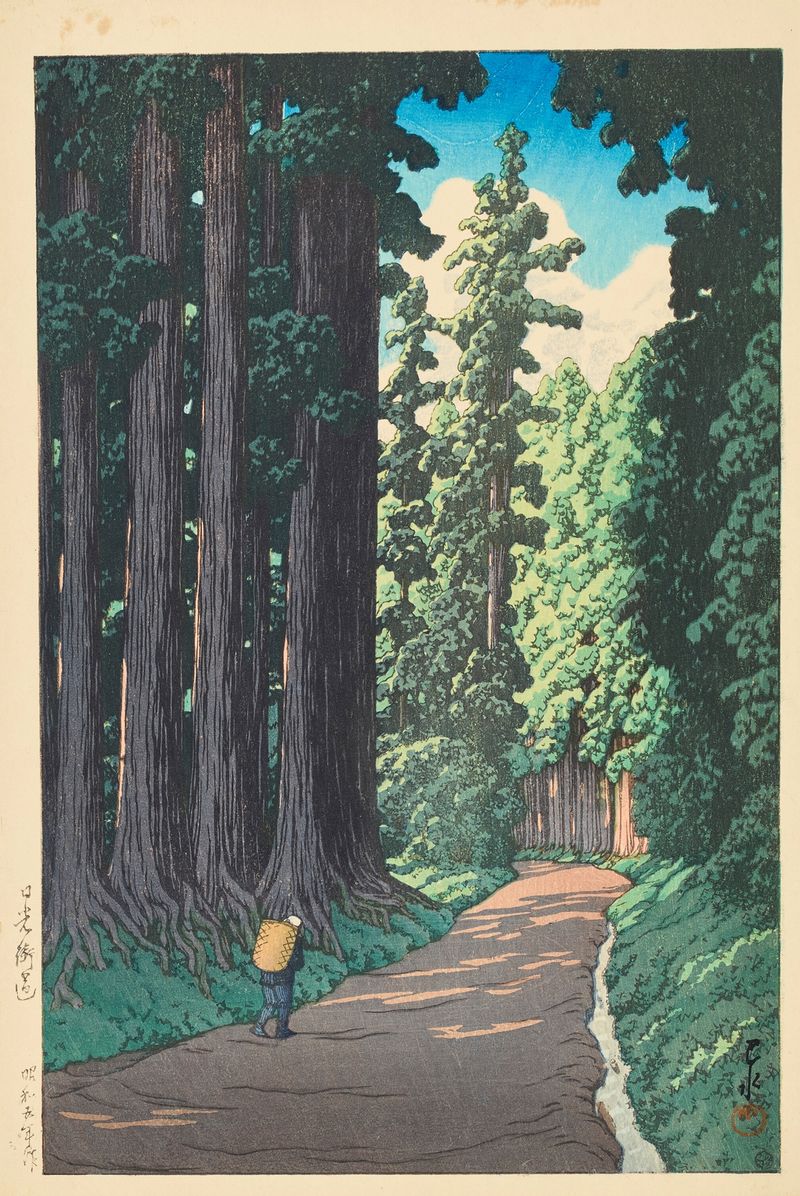
Nikko gaido (The Road to Nikko)
Kawase Hasui
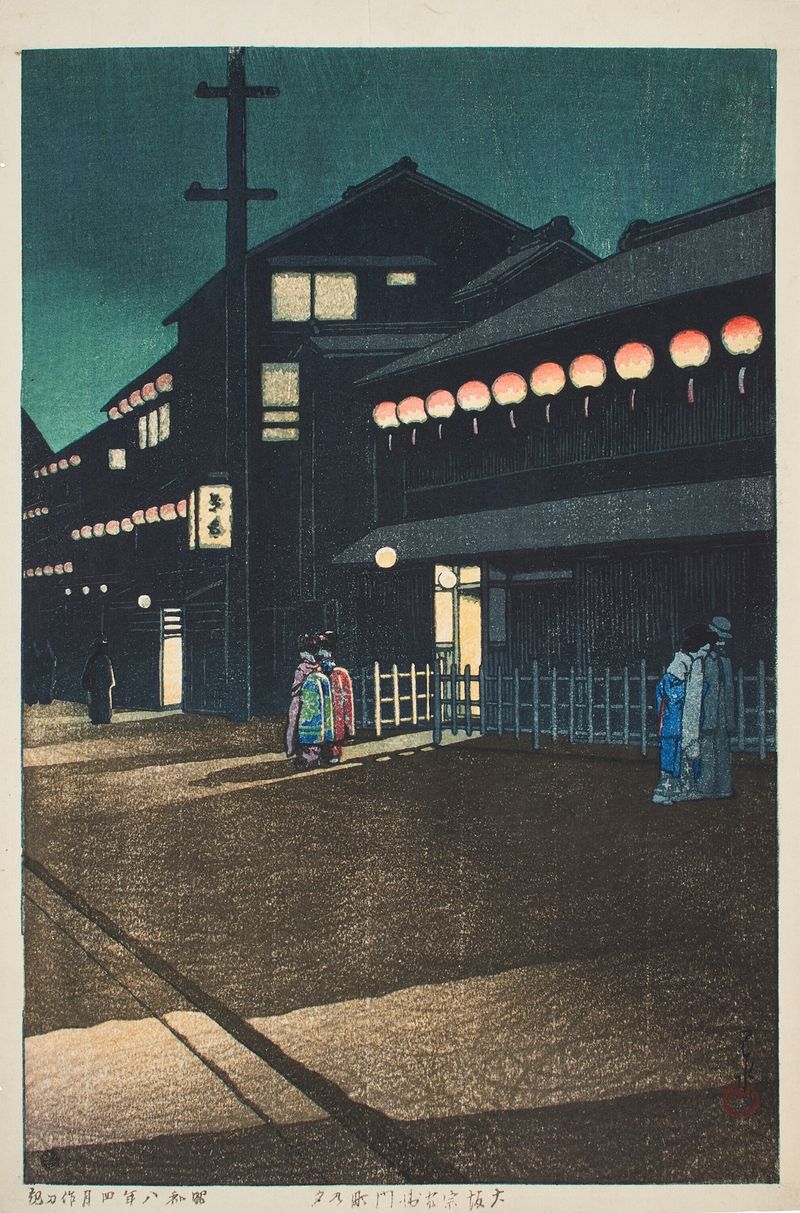
Osaka Soemon-cho no yu (Evening in Soemon-cho, Osaka)
Kawase Hasui
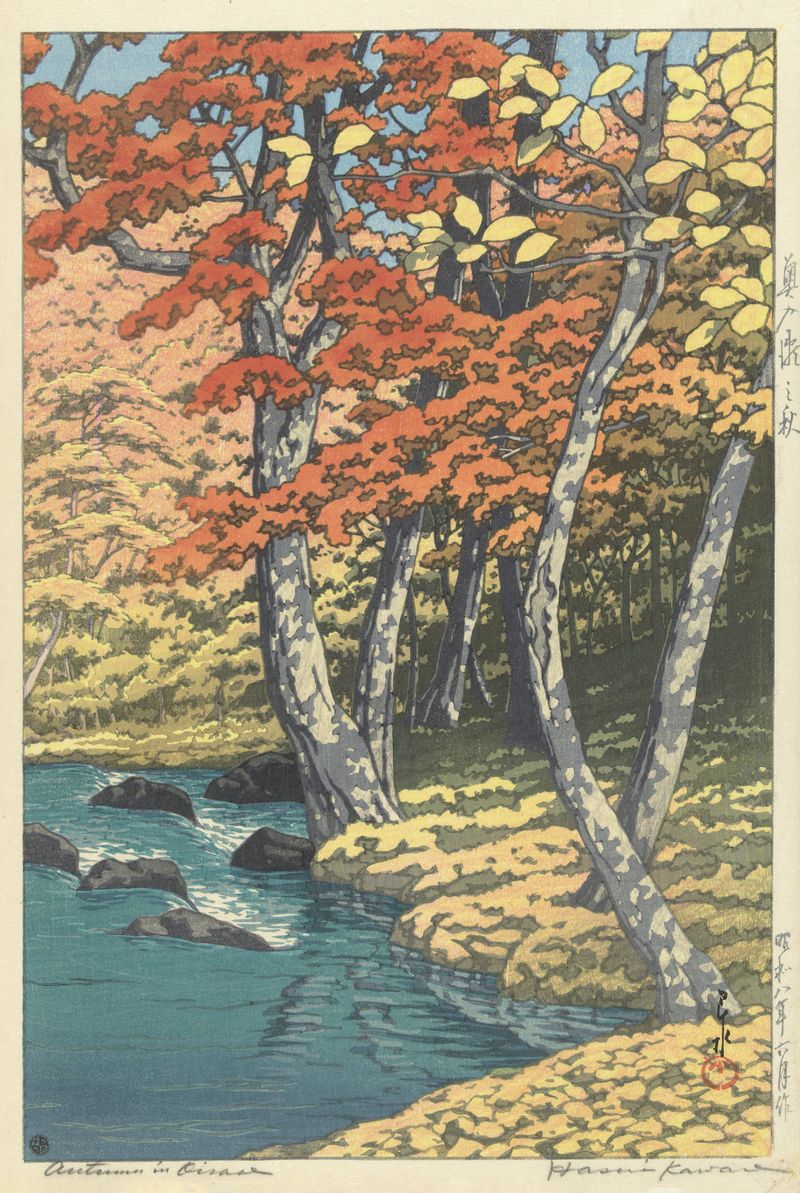
Autumn In Oirase
Kawase Hasui
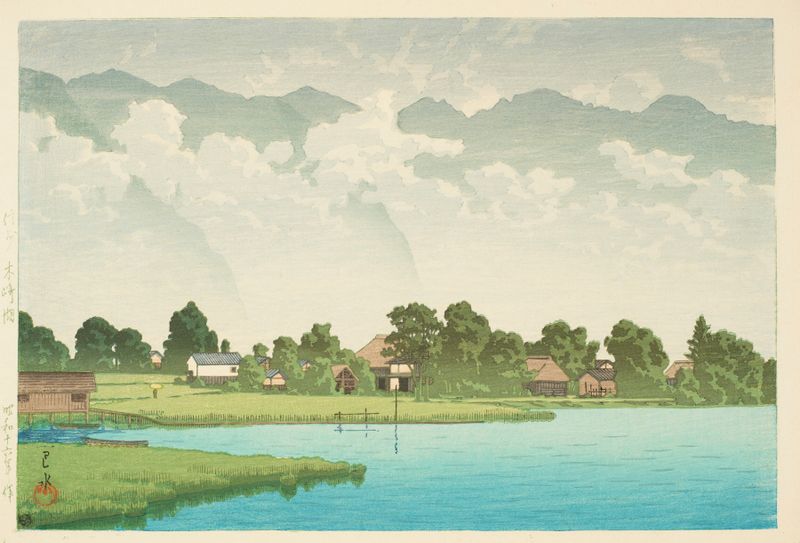
Shinshu Kizakiko (Kizaki Lake in Shinshu)
Kawase Hasui
More Religious Art
Browse all →
The Return of the Prodigal Son
Rembrandt van Rijn

The Garden of Earthly Delights
El Bosco

Count Orgaz’ funeral
El Greco

The Hundred Guilder Print: the central piece with Christ preaching, the plate arched
Rembrandt van Rijn

The Descent from the Cross
Rogier van der Weyden

The return of the prodigal son
Rembrandt van Rijn