
Kathedraal in Sevilla — History & Facts
What if silence could speak through light? In the stillness of the cathedral, where time seems to stand still, whispers of the past linger like shadows, leaving echoes of legacy in every illuminated corner. Look to the grandeur of the nave, where the soaring arches draw the eye upward, creating a pathway toward the heavens. The meticulous detailing of the stonework, the interplay of light filtering through stained glass, and the warm hues that wash over the cool stone invite you into a dialogue between the earthly and the divine. Each element is crafted with precision, revealing the artist's intent to capture not just a structure, but the very essence of belief and history. Delve deeper into the painting’s subtleties: notice how light caresses the ornate pillars, creating a contrast between shadow and brilliance that speaks of both reverence and decay.
The juxtaposition of intricate detail against the vast emptiness of space invites reflection on the passage of time, suggesting that every moment is imbued with the weight of what has come before. This connection between the physical and the spiritual resonates, implying that the cathedral is not merely a building, but a vessel of history and memory. In 1743, François Antoine Bossuet created this masterpiece while in Sevilla, a city rich in cultural and religious heritage. During this period, the Baroque movement was at its zenith, characterized by dramatic expression and grandeur.
Bossuet's work reflects both his personal journey and the broader artistic narrative of the time, as he sought to capture the profound impact of sacred architecture amidst the dynamic changes in art and society.
More Artworks by François Antoine Bossuet
Browse all →
Innenansicht des Kolosseums in Rom
François Antoine Bossuet

Venice, a view of the Grand Canal with Santa Maria della Salute
François Antoine Bossuet
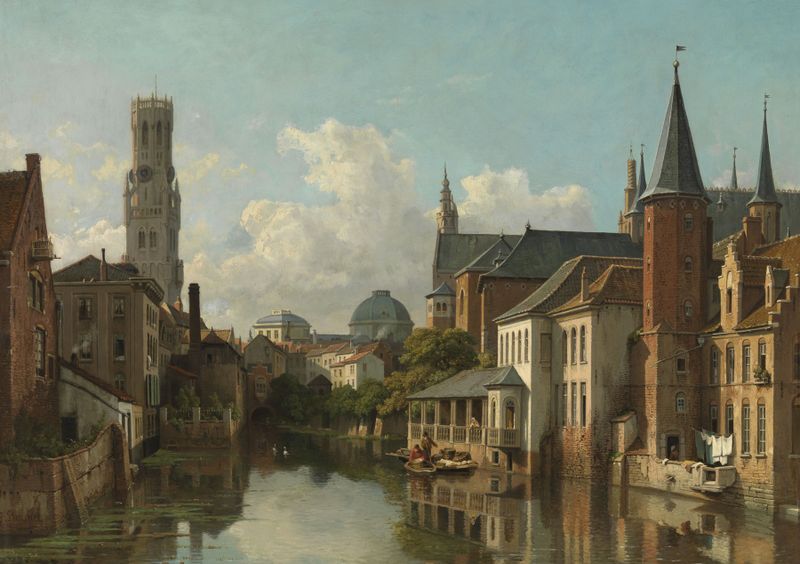
The Quai of the Rosary in Bruges
François Antoine Bossuet
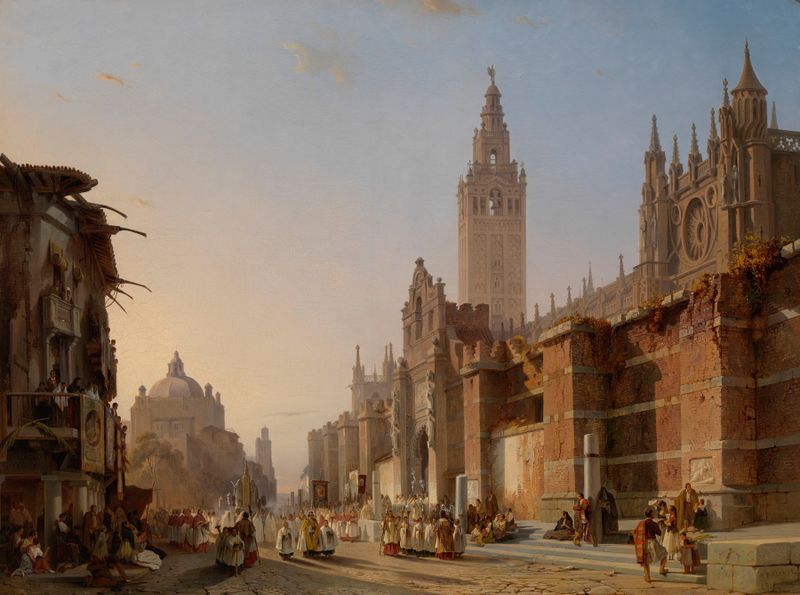
The Cathedral of Seville
François Antoine Bossuet

Vue d’une ville, probablement du Nord de l’Espagne
François Antoine Bossuet
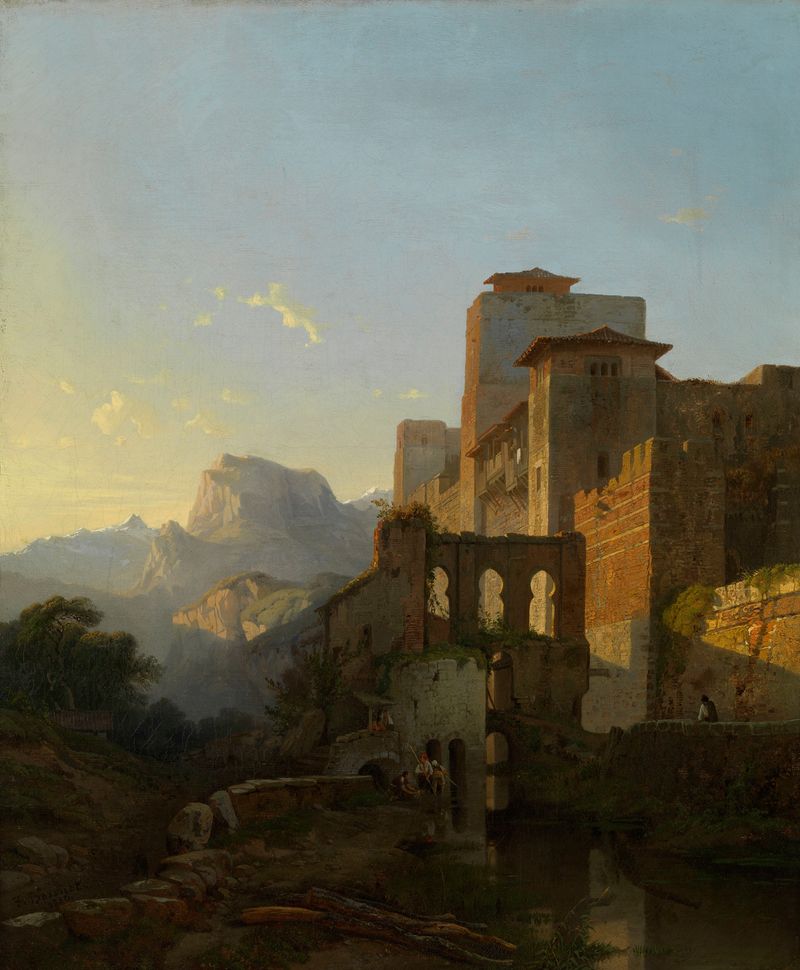
Landscape at Ugíjar (Southern Spain)
François Antoine Bossuet
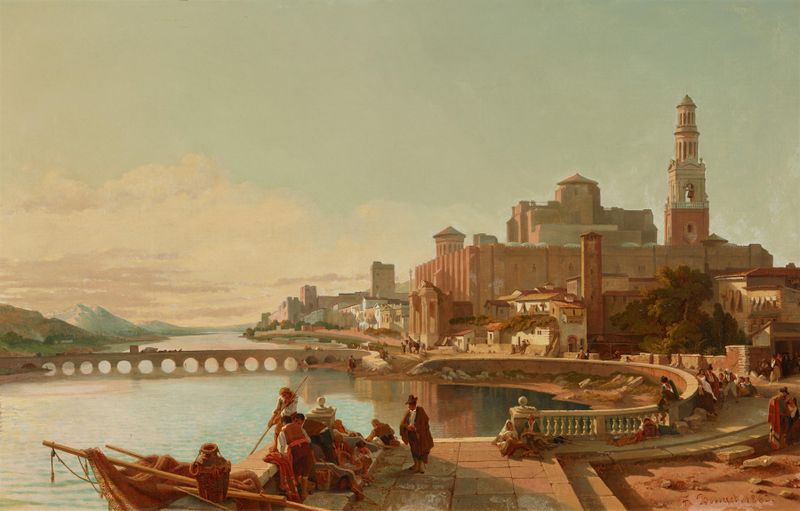
Fischer und weitere Figuren am Ufer des Guadalquivir mit Blickauf die römische Brücke und der Großen Moschee von Cordoba
François Antoine Bossuet
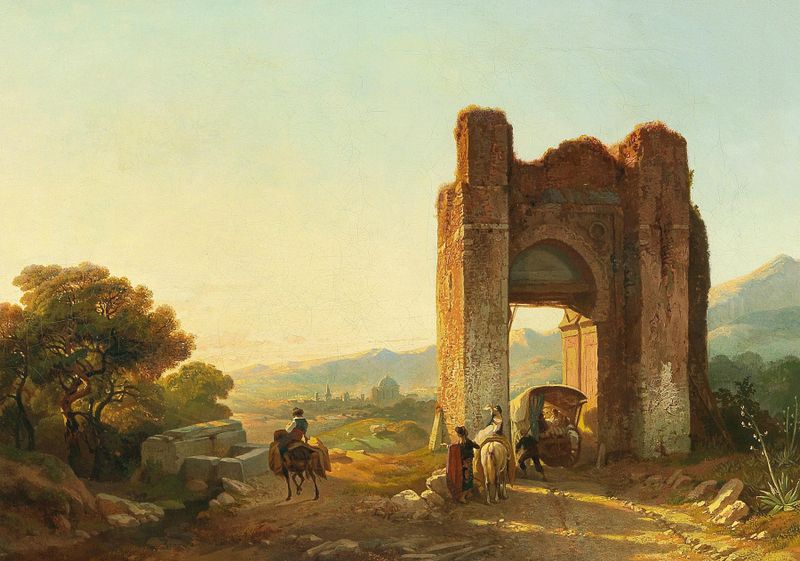
A romantic landscape with Mauritanian ruins and figures
François Antoine Bossuet
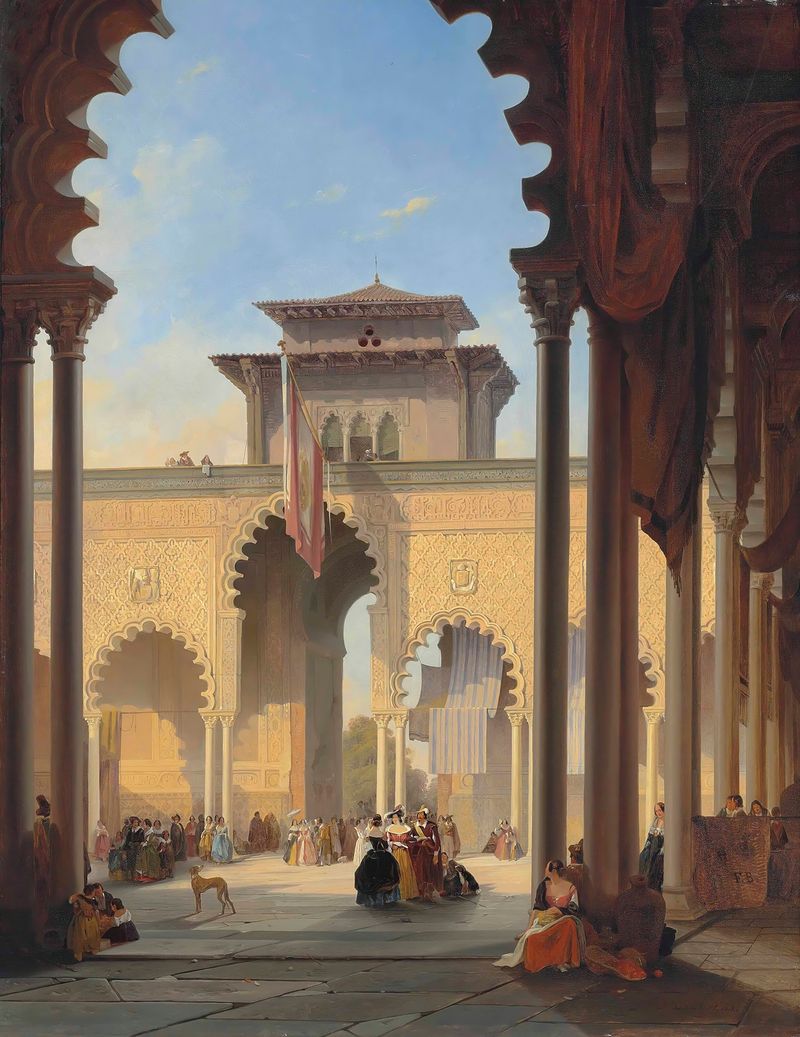
Court Of The Lions, The Alhambra, Granada
François Antoine Bossuet
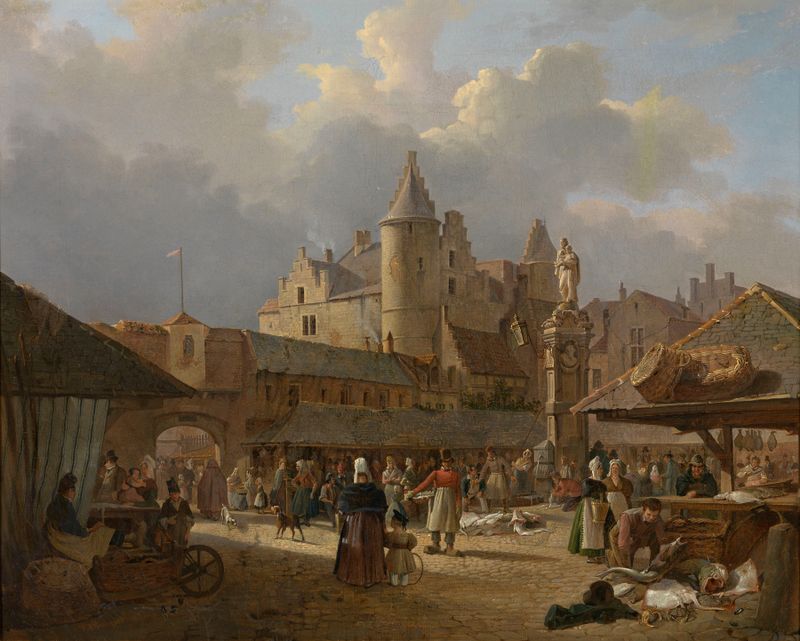
The Old Fish Market in Antwerp
François Antoine Bossuet
More Architecture Art
Browse all →
The statue of Liberty
Frédéric Auguste Bartholdi

View of Houses in Delft, Known as ‘The Little Street’
Johannes Vermeer

View of Houses in Delft, Known as ‘The Little Street’
Johannes Vermeer

The Cathedral in Rouen. The portal, Grey Weather
Claude Monet

The yellow house
Vincent van Gogh

The Church in Auvers-sur-Oise, View from the Chevet
Vincent van Gogh