
Keene Valley — History & Facts
A hush settles over the valley, as if the world itself has paused to breathe in the clear air and golden light. In Keene Valley, Asher Brown Durand draws the viewer’s gaze from the dark, intricate tangle of foreground foliage to the gentle rise of distant mountains, each layer softened by haze and time. The water in the lower right corner acts as a mirror, doubling the trees and sky and inviting the eye to linger on the quiet interplay of reflection and reality.
The light is carefully rationed: patches of sun strike the grass and treetops, while the shaded undergrowth hints at secrets and coolness beneath. The composition leads you forward, step by step, from the intimacy of the shaded bank to the broad, sunlit openness beyond. Painted in the late 1860s, this landscape belongs to an era when American artists—especially those of the Hudson River School—were captivated by the wildness and promise of the country’s interior. Such works were often commissioned or collected by those who saw the land as both a national treasure and a personal retreat, a vision echoed in Durand’s careful observation and reverence for natural detail.
The Bridgeman Art Library now holds this piece, a reminder of a time when painters sought to capture the vastness and serenity of the American wilderness. History has kept few traces of Keene Valley’s early journey, but its quiet grandeur still invites viewers to step into its world and wander at will.
More Artworks by Asher Brown Durand

A Sycamore Tree, Plaaterkill Clove (The Sycamore, Kaaterskill Clove)
Asher Brown Durand
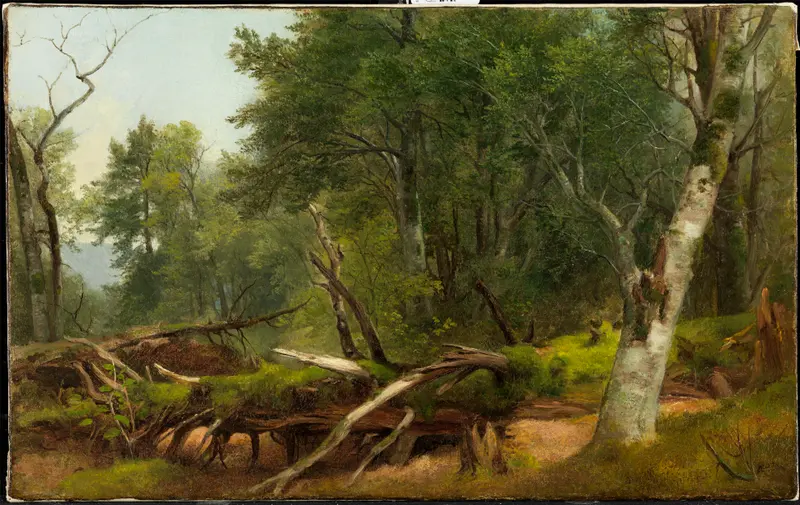
Forest Scene in the Catskills
Asher Brown Durand
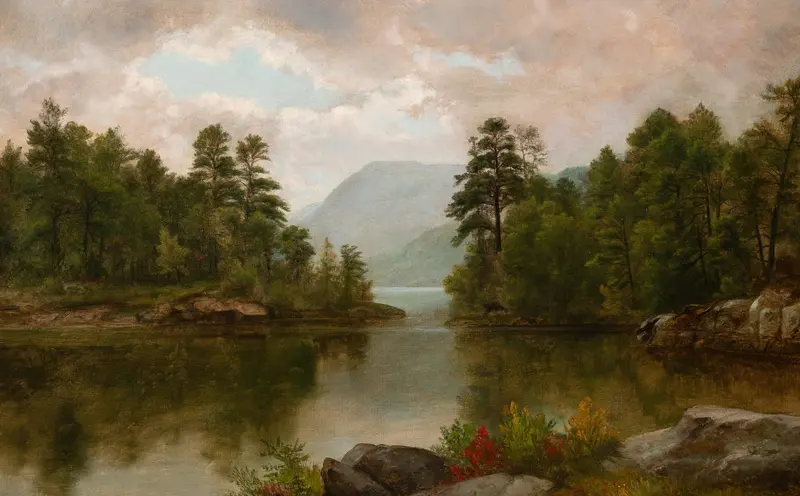
The Narrows, Lake George
Asher Brown Durand
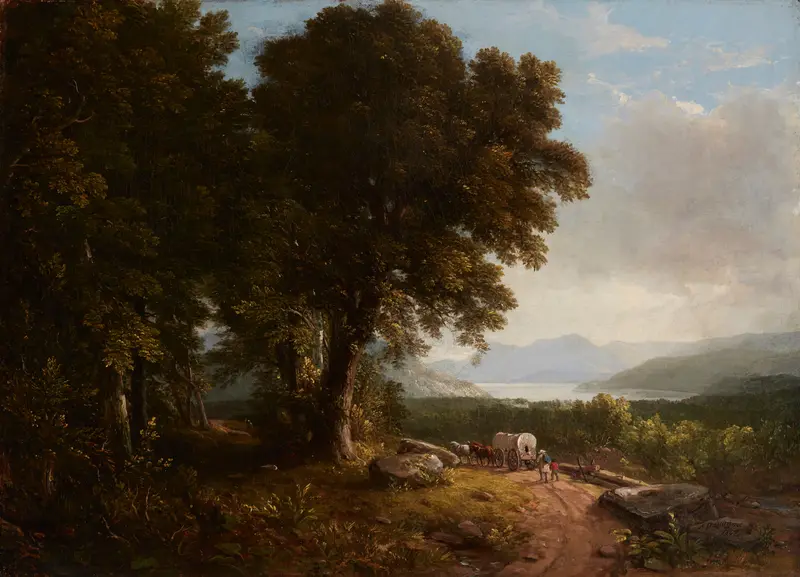
Landscape with Covered Wagon
Asher Brown Durand
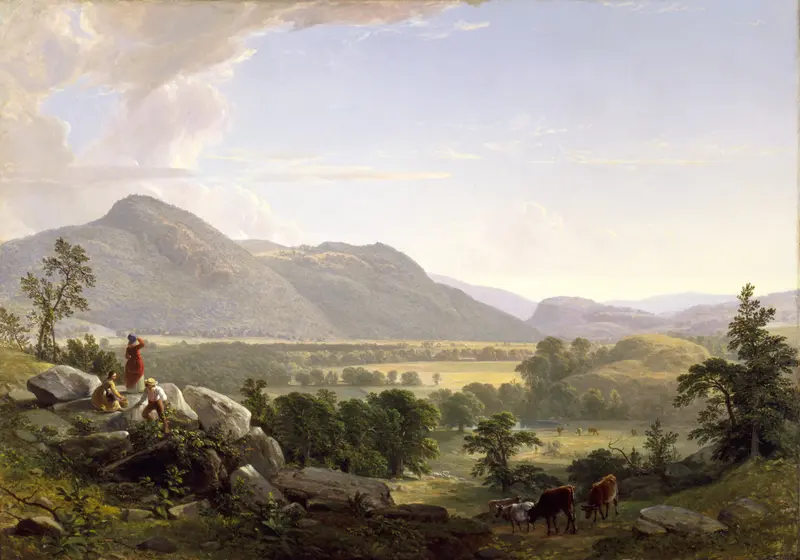
Dover Plains, Dutchess County, New York
Asher Brown Durand
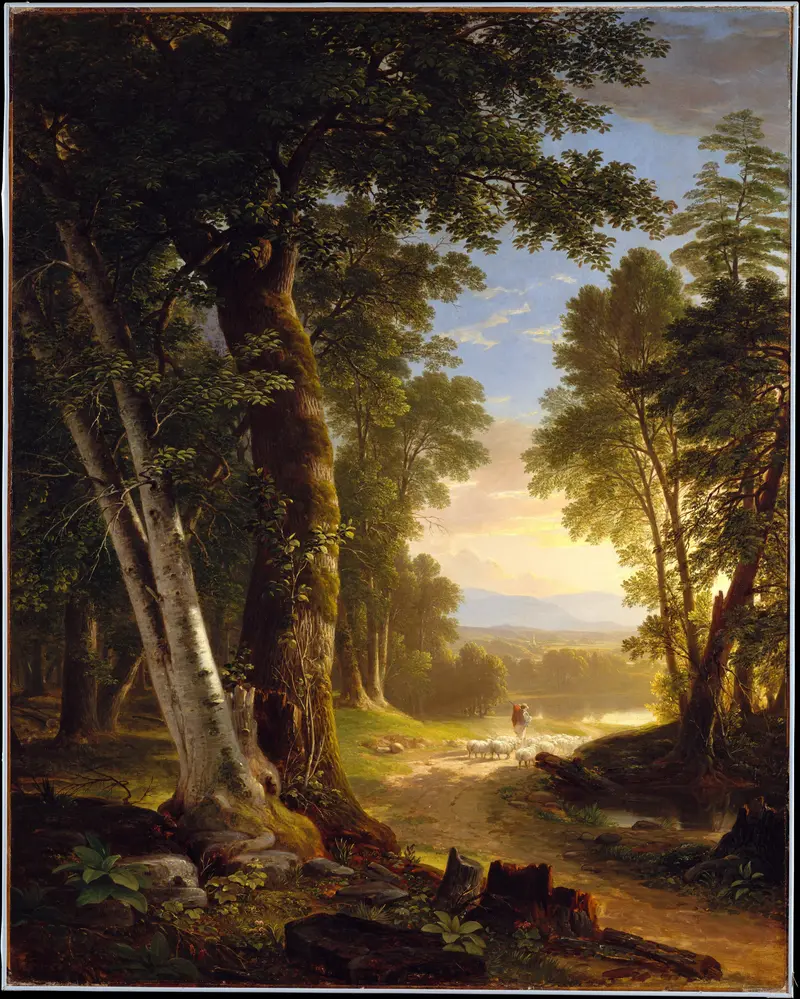
The Beeches
Asher Brown Durand

Kaaterskill Landscape
Asher Brown Durand
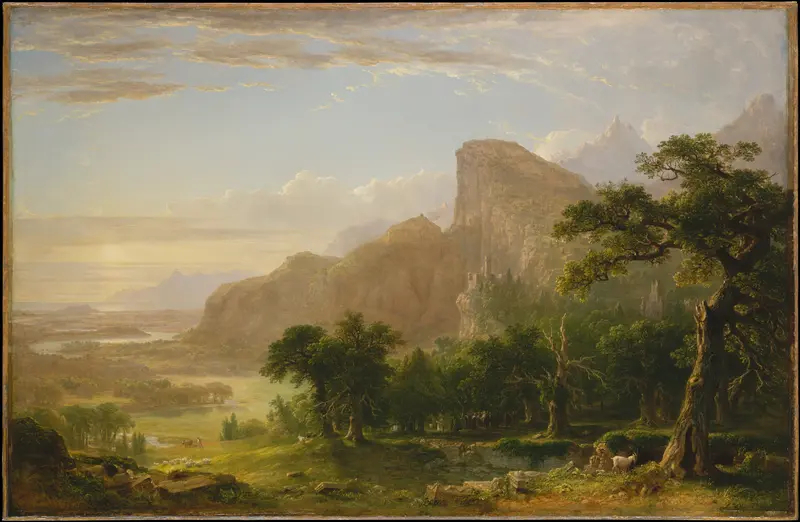
Landscape—Scene from ‘Thanatopsis’
Asher Brown Durand
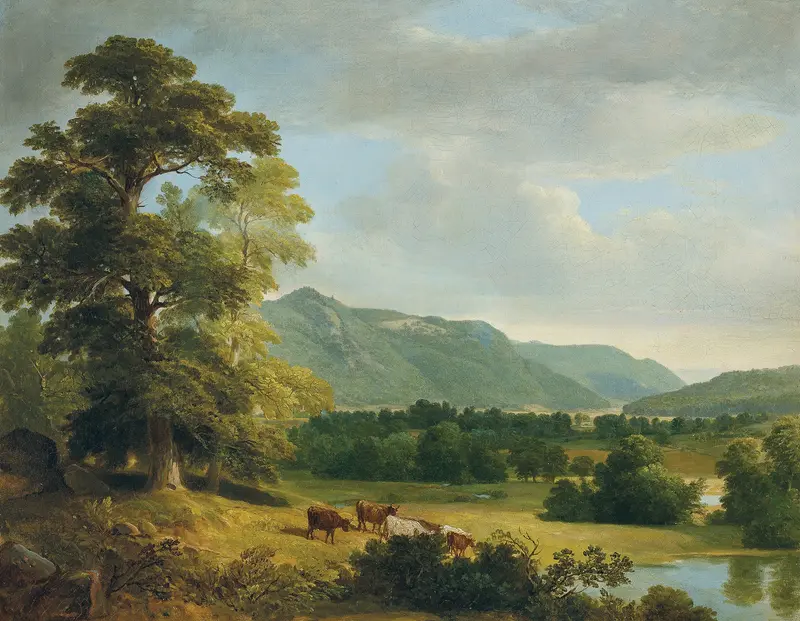
Landscape Study, Dover Plains, New York
Asher Brown Durand
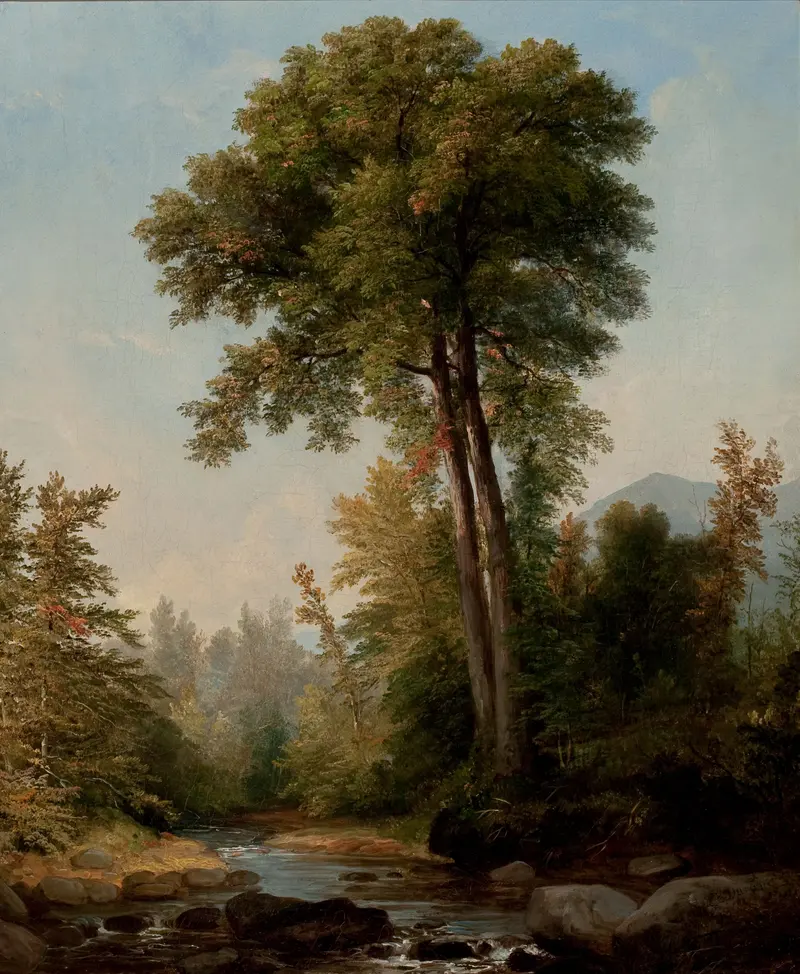
A Natural Monarch
Asher Brown Durand
More Landscape Art

The Starry Night
Vincent van Gogh

View of Delft
Johannes Vermeer

Water Lilies
Claude Monet

The Grand Canal, Venice, looking north-west from the Ca' Corner to the Ca' Contarini degli Scrigni, with the campanile of Santa Maria della Carità
Canaletto

Windsor Castle
Canaletto

The Grand Canal looking North-East from the Palazzo Dolfin-Manin to the Rialto Bridge
Canaletto