
Keizer Maximiliaan I knielt voor Christus — History & Facts
What if beauty was never meant to be finished? In Albrecht Dürer’s Keizer Maximiliaan I knielt voor Christus, we encounter a poignant exploration of grief, reverence, and the weight of legacy. Look to the center of the composition where the emperor kneels in a moment of quiet submission before Christ. His ornate robes, rendered in rich hues of red and gold, contrast starkly with the somber tones of the figures surrounding him. Notice how the light illuminates his face, capturing a haunting mix of devotion and sorrow that resonates deeply with the viewer.
The meticulous detail in the emperor’s garments echoes Dürer’s skill in woodcut techniques, creating texture that draws the eye in, compelling us to linger on every fold and shadow. As you examine the painting, consider the tension between power and humility that unfolds. The juxtaposition of the emperor’s regal posture against the backdrop of divine authority speaks to the fragility of human pride in the face of mortality. The somber expressions of the accompanying figures hint at collective grief, a shared acknowledgment of loss intertwined with the grandeur of historical legacy.
Each detail, from the delicate hands clasped in prayer to the ethereal presence of Christ above, weaves a narrative of longing and spiritual quest. Dürer created this work in 1519, a time of significant personal and artistic upheaval for him. He was grappling with the impending death of his beloved mother and the broader shifts in the art world, marked by the rise of humanism and the Reformation. This painting reflects a moment of introspection—an intersection of personal sorrow and the weighty iconography of faith and history that defined his legacy.
More Artworks by Albrecht Dürer
Browse all →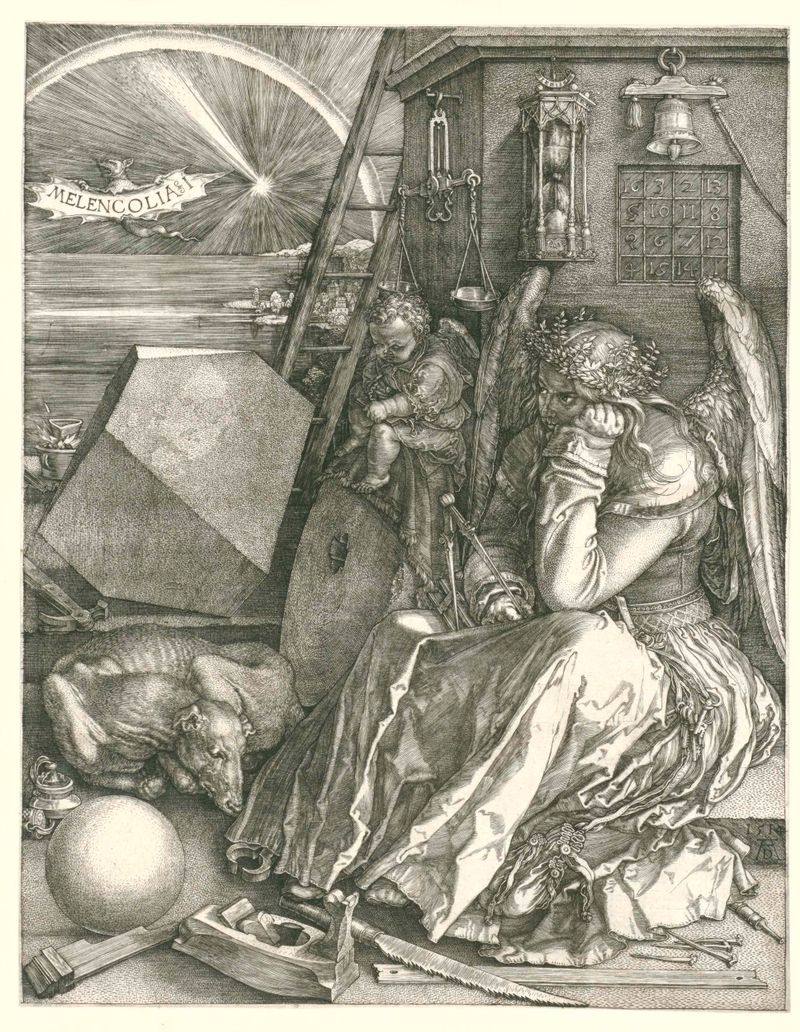
Melancholia
Albrecht Dürer
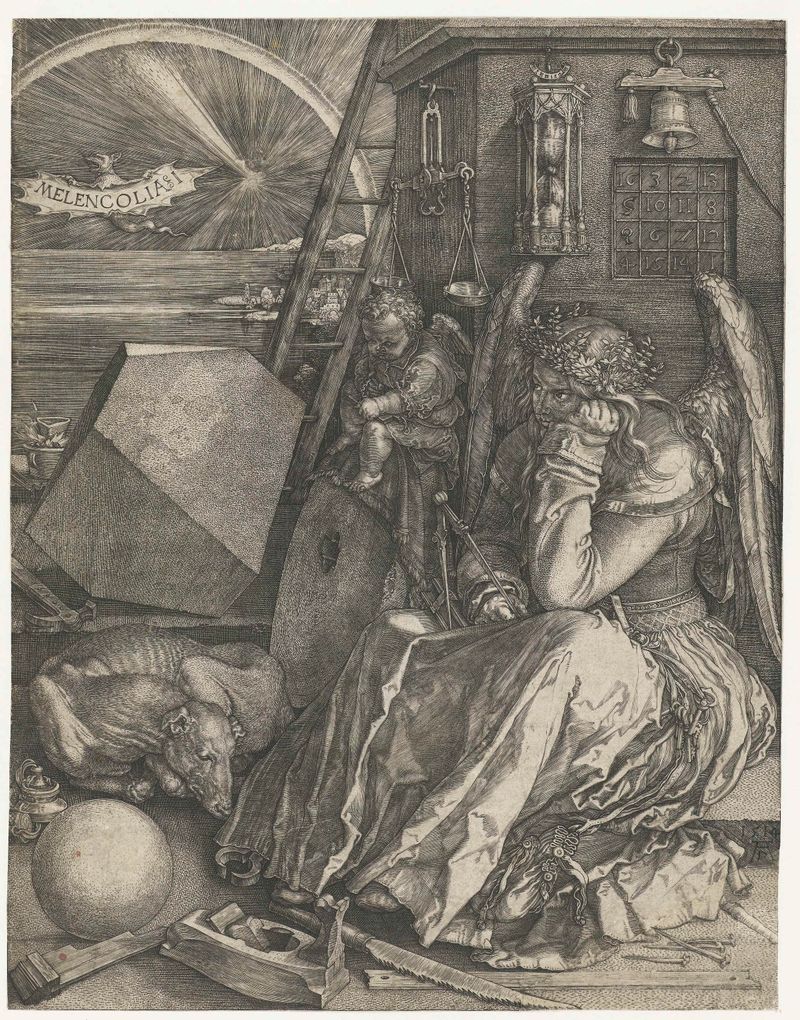
Melancholie
Albrecht Dürer

Neushoorn
Albrecht Dürer
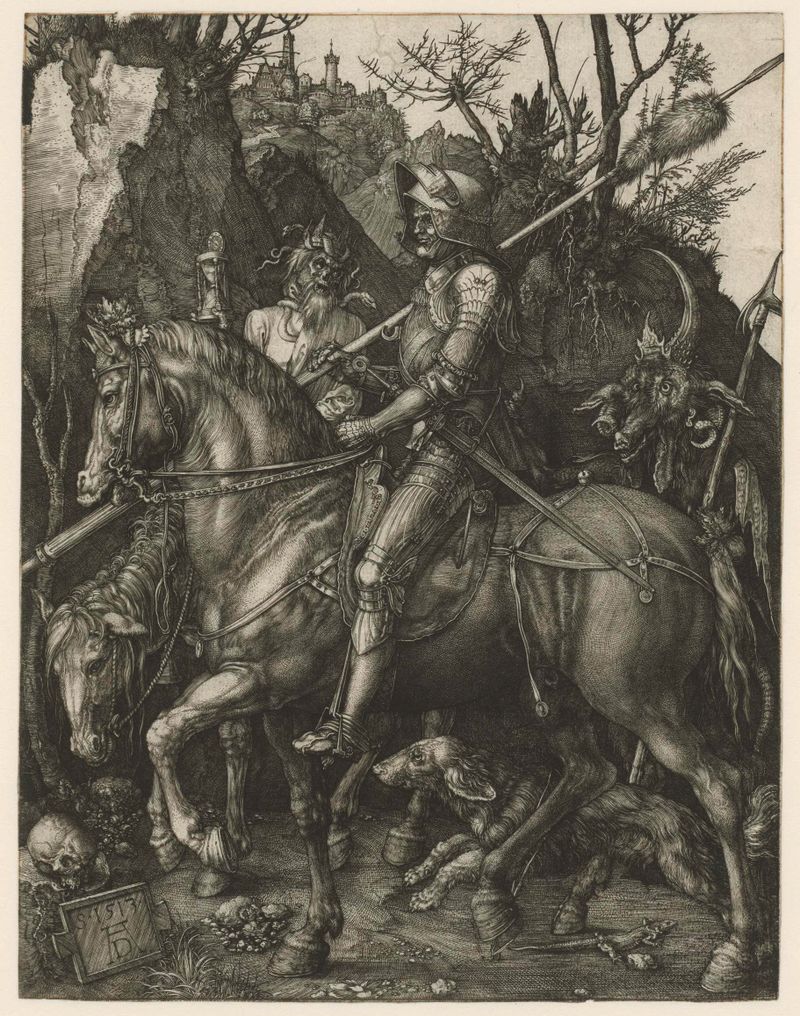
Knight, Death, and the Devil
Albrecht Dürer

De vier ruiters van de apocalyps
Albrecht Dürer

De vier ruiters van de apocalyps
Albrecht Dürer
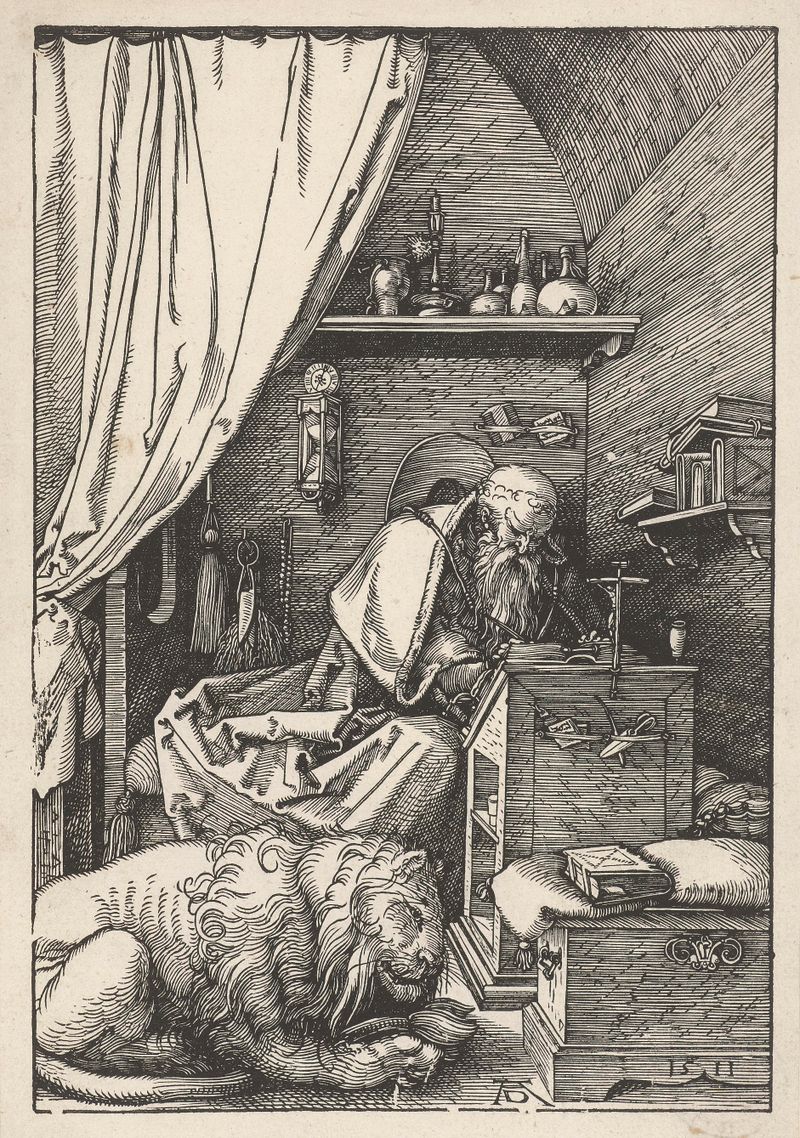
De Heilige Hiëronymus in zijn studeervertrek
Albrecht Dürer
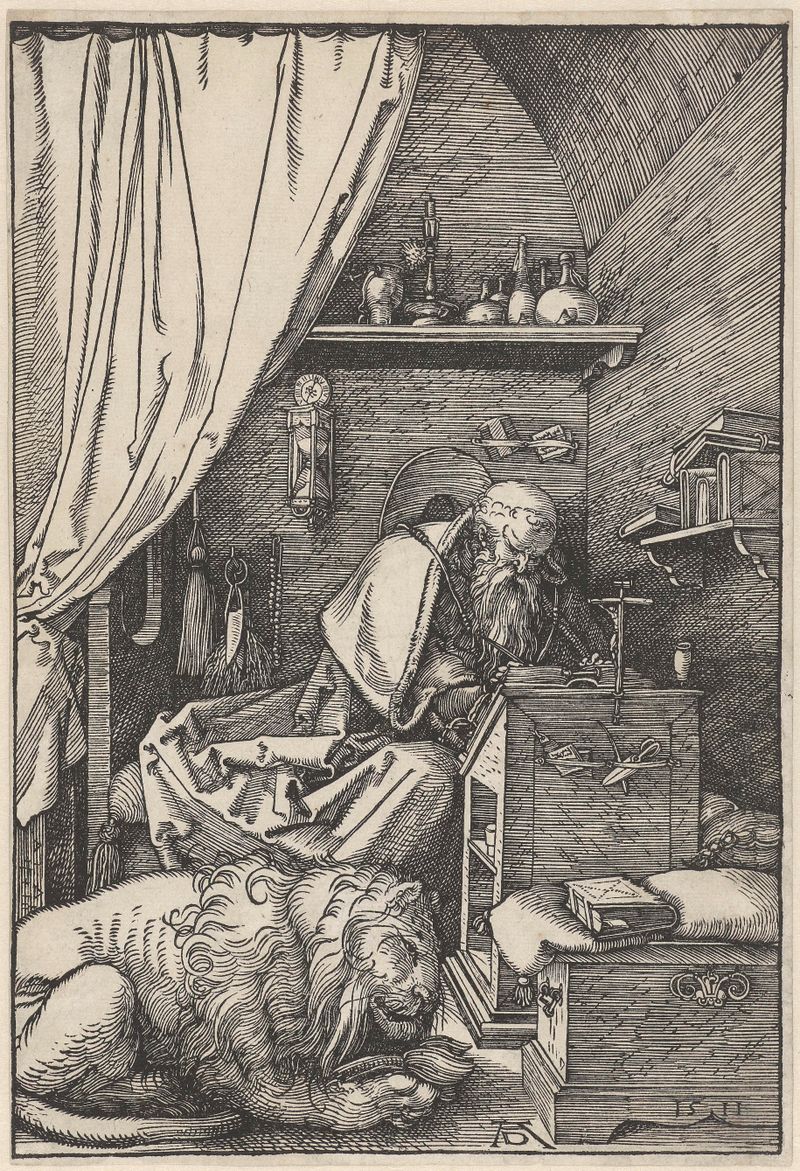
De Heilige Hiëronymus in zijn studeervertrek
Albrecht Dürer
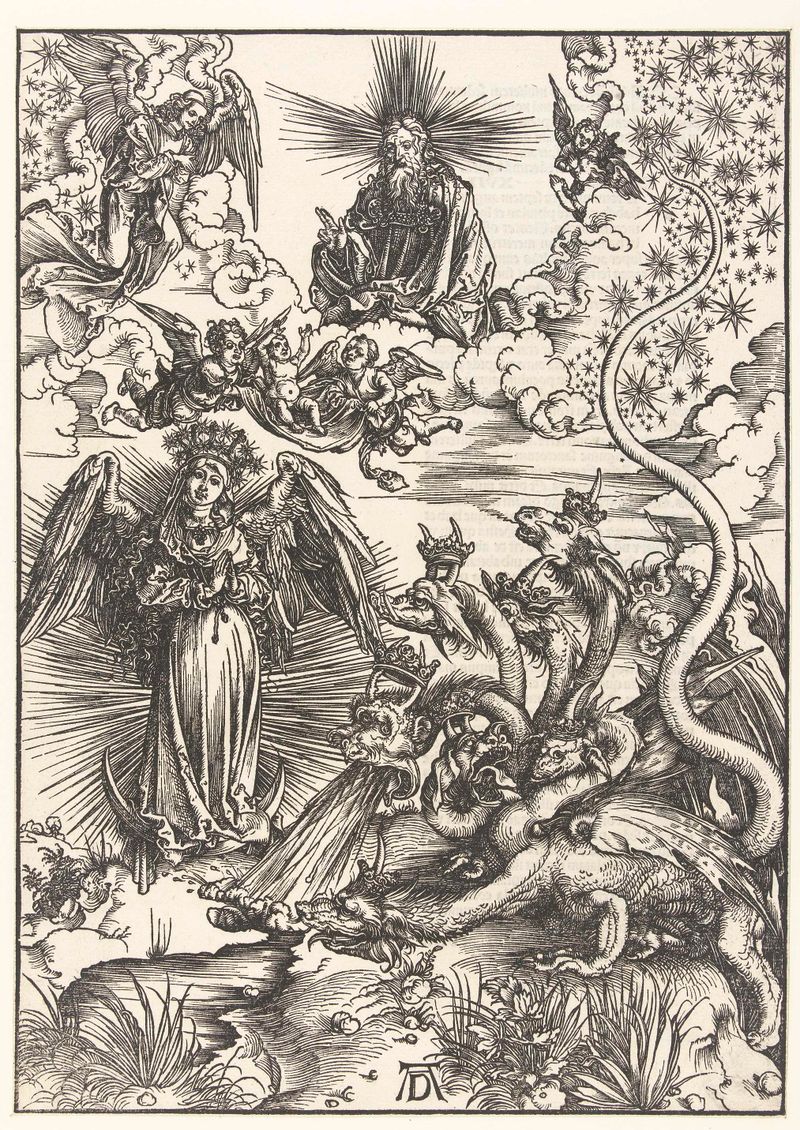
De apocalyptische vrouw en de zevenkoppige draak
Albrecht Dürer
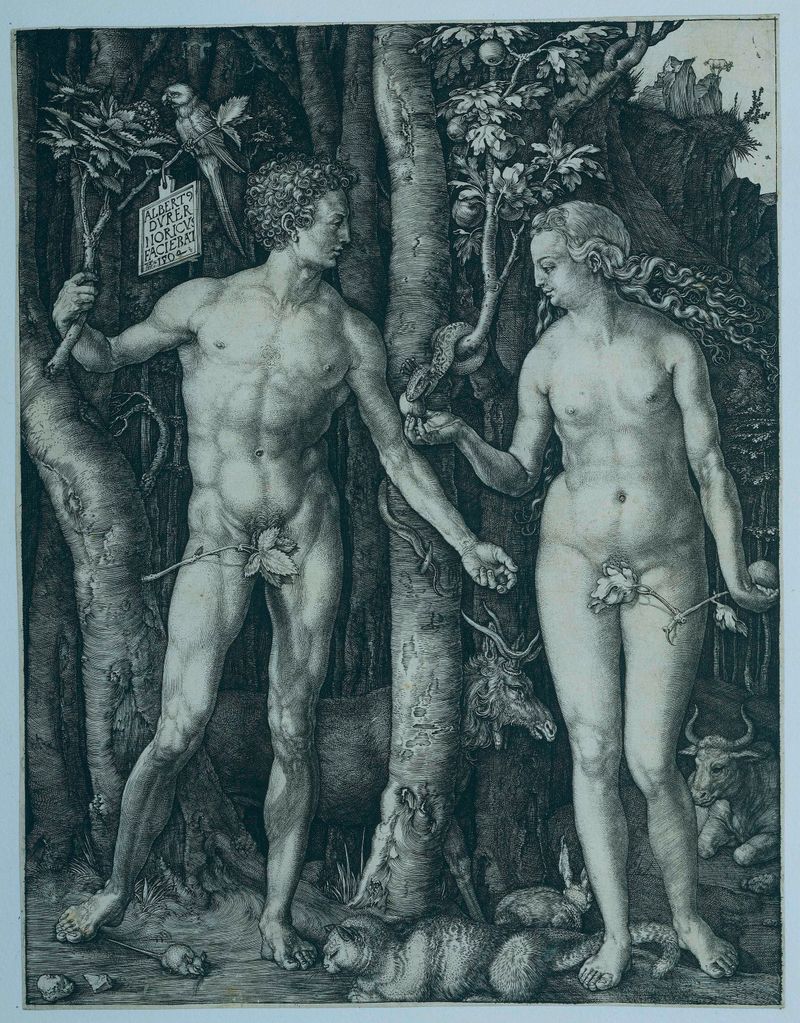
Adam en Eva
Albrecht Dürer
More Religious Art
Browse all →
The Return of the Prodigal Son
Rembrandt van Rijn

The Garden of Earthly Delights
El Bosco

Count Orgaz’ funeral
El Greco

The Hundred Guilder Print: the central piece with Christ preaching, the plate arched
Rembrandt van Rijn

The Descent from the Cross
Rogier van der Weyden

The return of the prodigal son
Rembrandt van Rijn