Kinder mit Ziege G 13331 Lenbachhaus — History & Facts
There is a quiet charge in the way August Macke arranges his small cast in Kinder mit Ziege. The children, rendered in blocks of color and outlined with the certainty of a stained-glass window, cluster around the goat with a mixture of curiosity and gentle command. Look at the way the figures seem to pulse with the landscape—Macke’s palette is all sunlit greens, ochres, and the cool blue of a distant sky, binding the children and animal to their world.
The goat, more than just a prop, becomes a gentle axis: the children’s hands and gazes converge on it, suggesting a moment of shared attention and the easy alliances of childhood. The brushwork is brisk, almost playful, and the composition’s simplicity belies its careful balance—each figure both distinct and part of a collective rhythm. Painted in 1913, this work belongs to a world on the cusp of transformation. August Macke was a leading member of the Expressionist movement, and his art often sought to capture the fleeting joys of everyday life just as Europe teetered on the edge of war.
In this era, scenes of children and rural life were not just nostalgic—they were quietly radical, asserting the value of innocence and nature in a rapidly industrializing society. The painting now resides in the Lenbachhaus collection, a fitting home for a work that embodies the spirit of early twentieth-century German modernism. Every glance at it invites us to linger in that sun-drenched moment, suspended between childhood and history.
More Artworks by August Macke
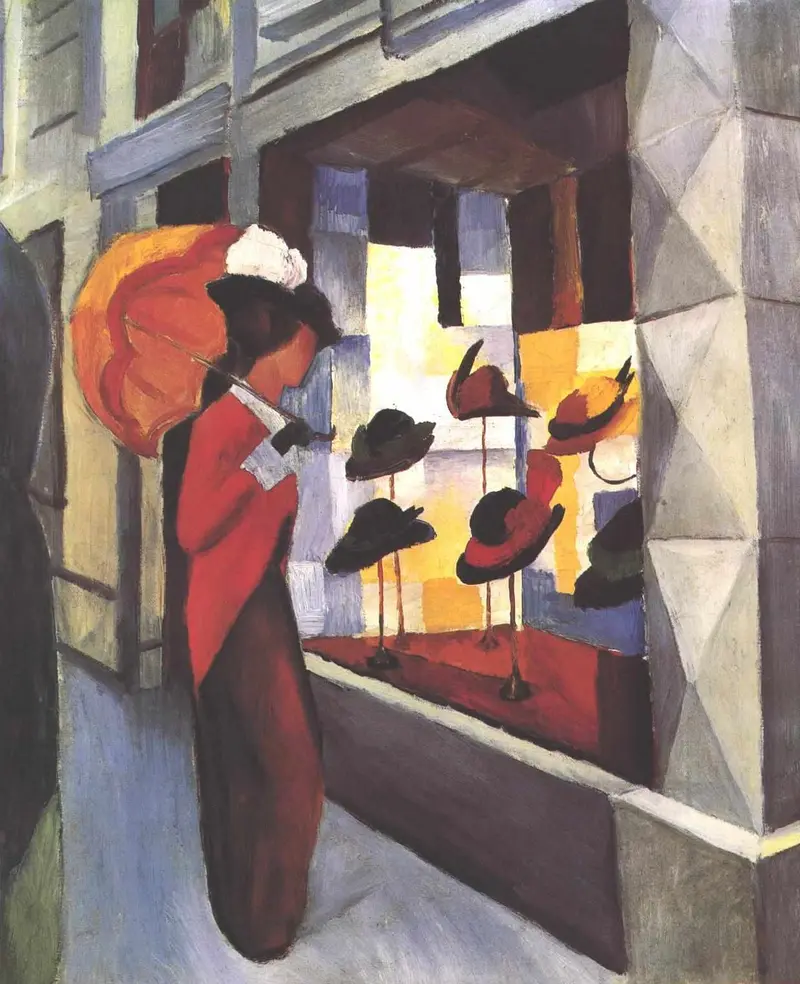
Woman with a Parasol in Front of a Hat Shop
August Macke

Street with Church in Kandern
August Macke
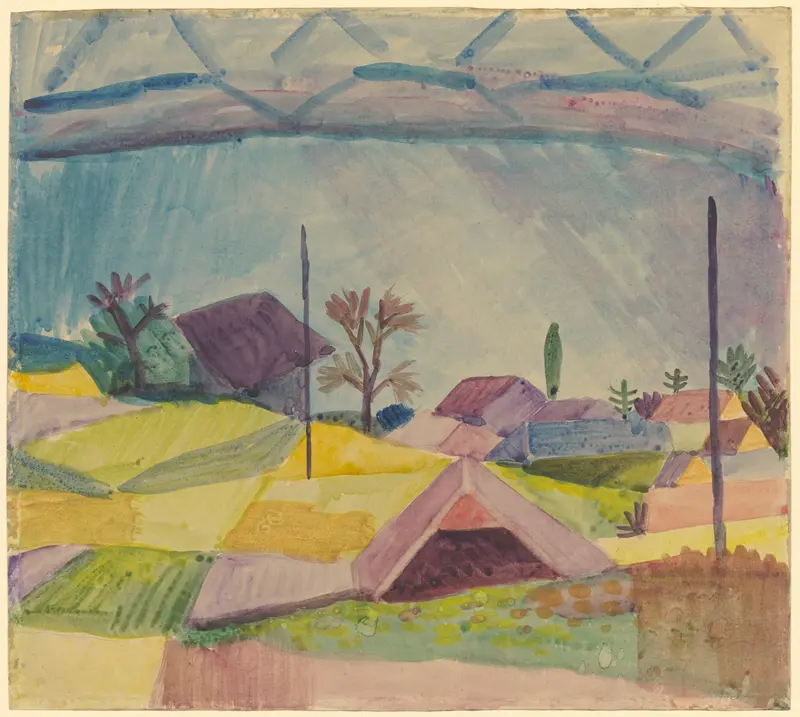
View of Hilterfingen
August Macke

Paar im Nachen
August Macke
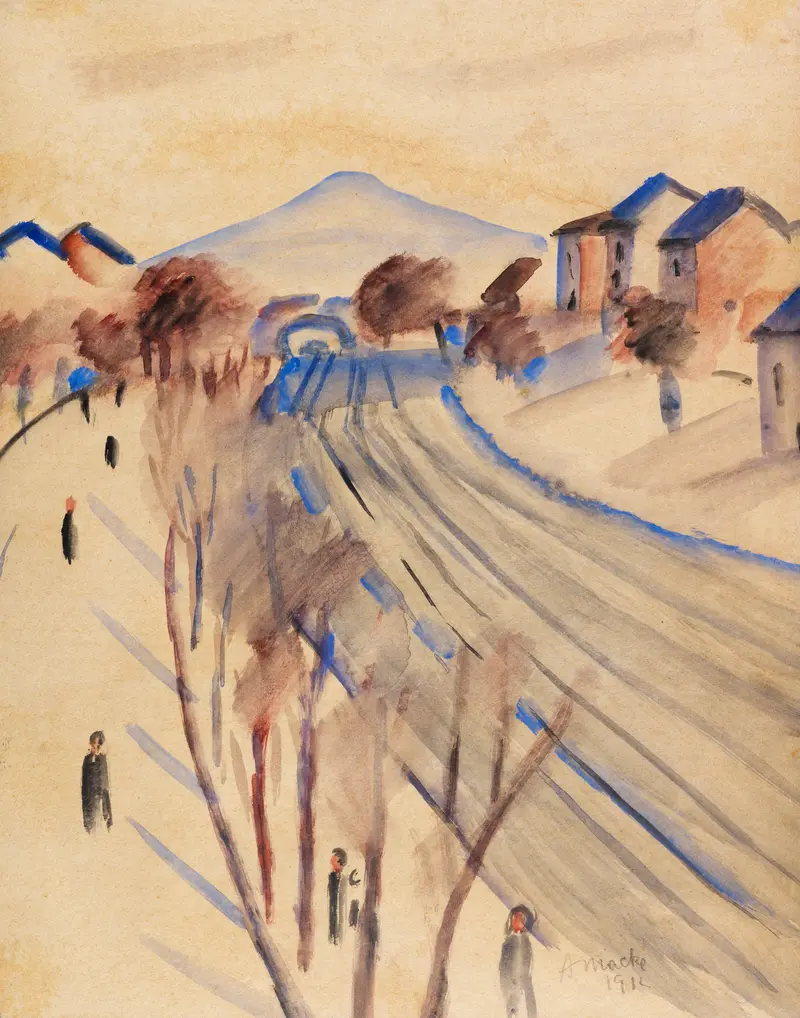
Ölberg mit Bahngleisen II
August Macke
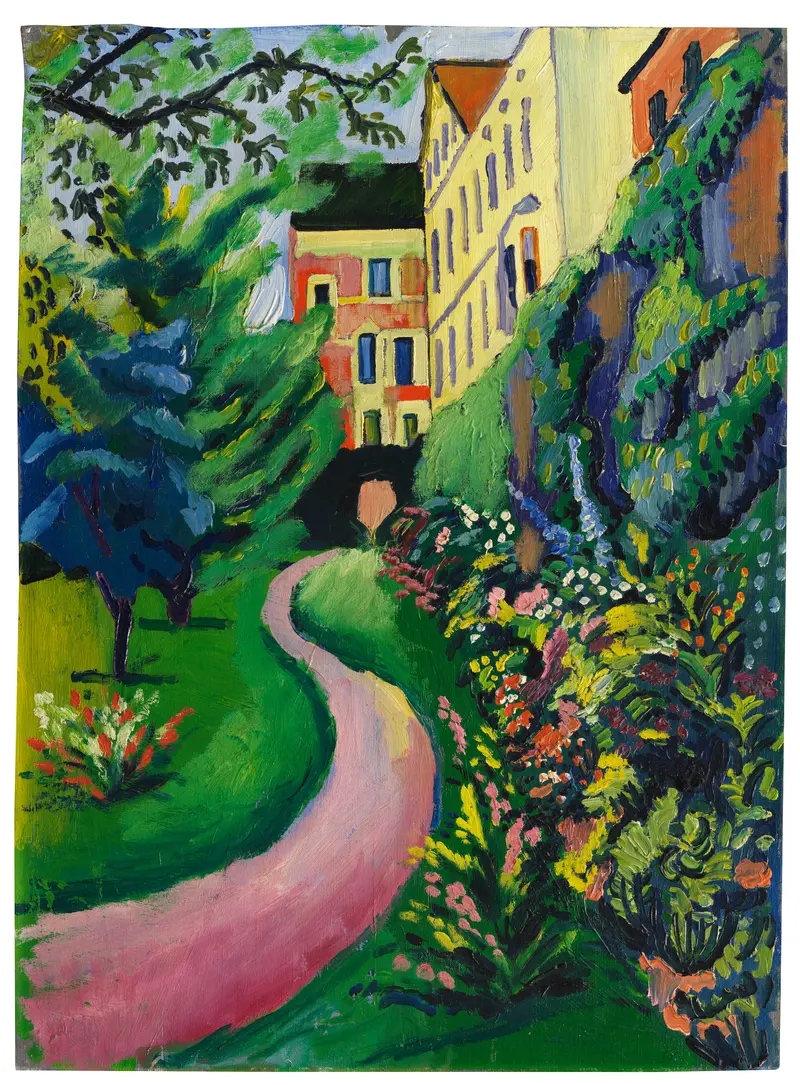
Unser Garten mit blühenden Rabatten
August Macke
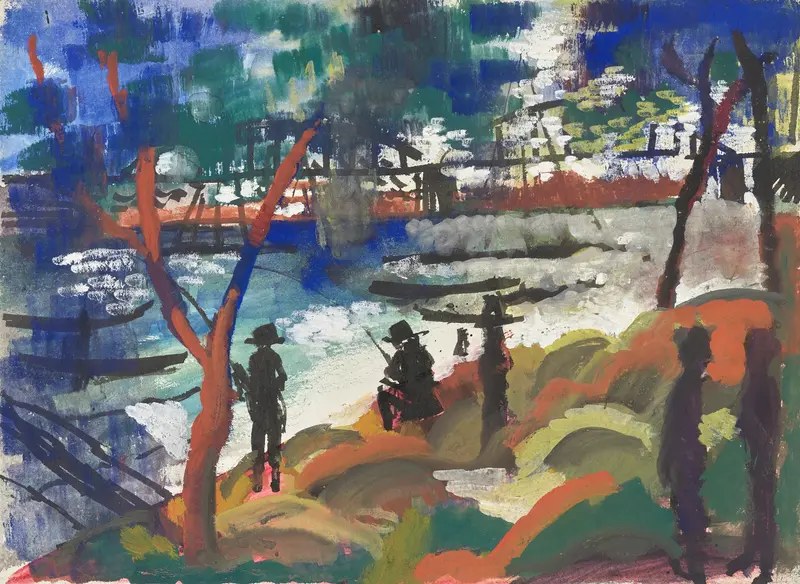
Angler am Fluss
August Macke
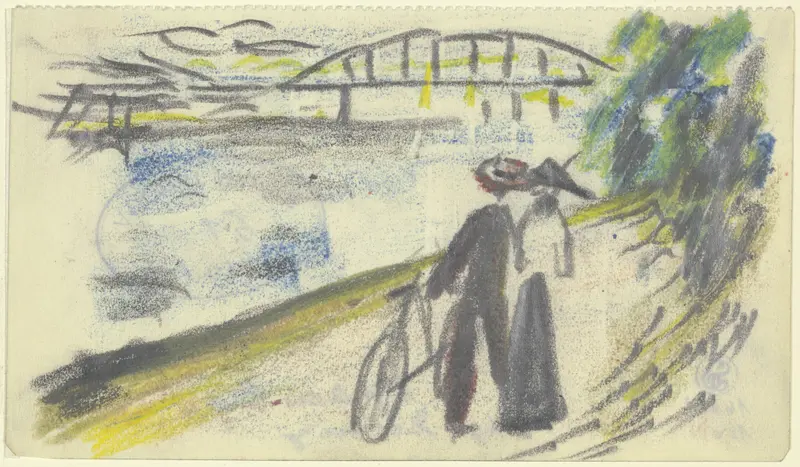
Path at the Rhine
August Macke
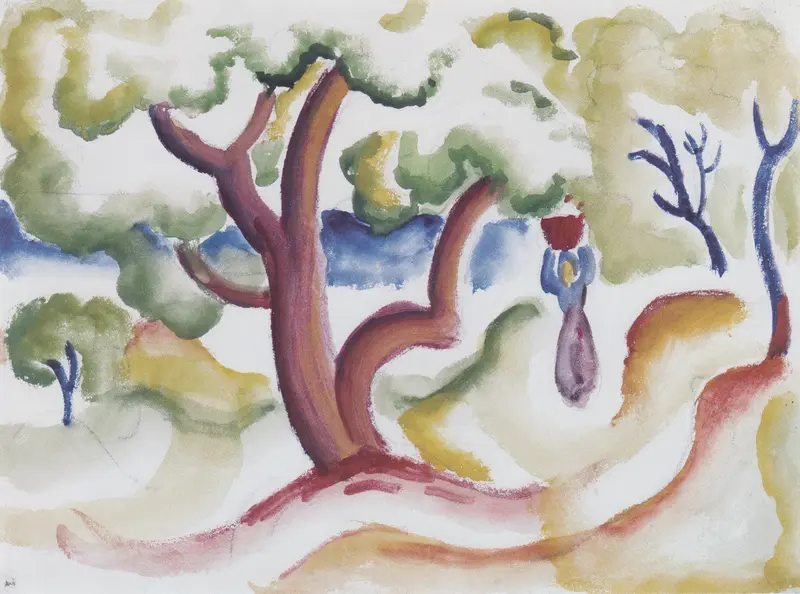
Frau mit Krug unter Bäumen
August Macke
Sonnige Straße mit Hund
August Macke