
Kinderjurk van wit tarlatan met paarse bloemen — History & Facts
When did color learn to lie? The delicate hues of a child’s dress whisper tales of innocence and nostalgia, inviting us to question the nature of memory itself. Look closely at the intricate fabric of the dress, rendered in soft whites and purples. The delicate tarlatan billows gently, as if caught in an unseen breeze, while the floral patterns dance across the surface. The artist captures light and shadow with a subtle touch, creating a dynamic sense of movement that seems to breathe life into the stillness of the fabric.
Notice how the lavender blooms stand out against the pale backdrop, vibrant yet soft, conjuring a bittersweet resonance of childhood joy and fleeting moments. The contrast between the lightness of the fabric and the richness of the purple flowers evokes a sense of duality—joy intertwined with fragility. Each fold and crease tells a story of the wear and tear of youthful escapades. The very fabric becomes a metaphor for the passage of time, highlighting how innocence can be both cherished and lost.
This interplay between the dress and its patterns speaks to a deeper emotional narrative, one that mirrors the complexities of growing up. This piece, created by an unknown artist between 1850 and 1900, reflects a period of Victorian influence where clothing often symbolized status and identity. In an era marked by rapid change and societal expectations, the artist captures not just the garment but the essence of childhood—a fleeting moment beautifully preserved amidst the evolving world of fashion and art.
More Artworks by Unknown Artist
Browse all →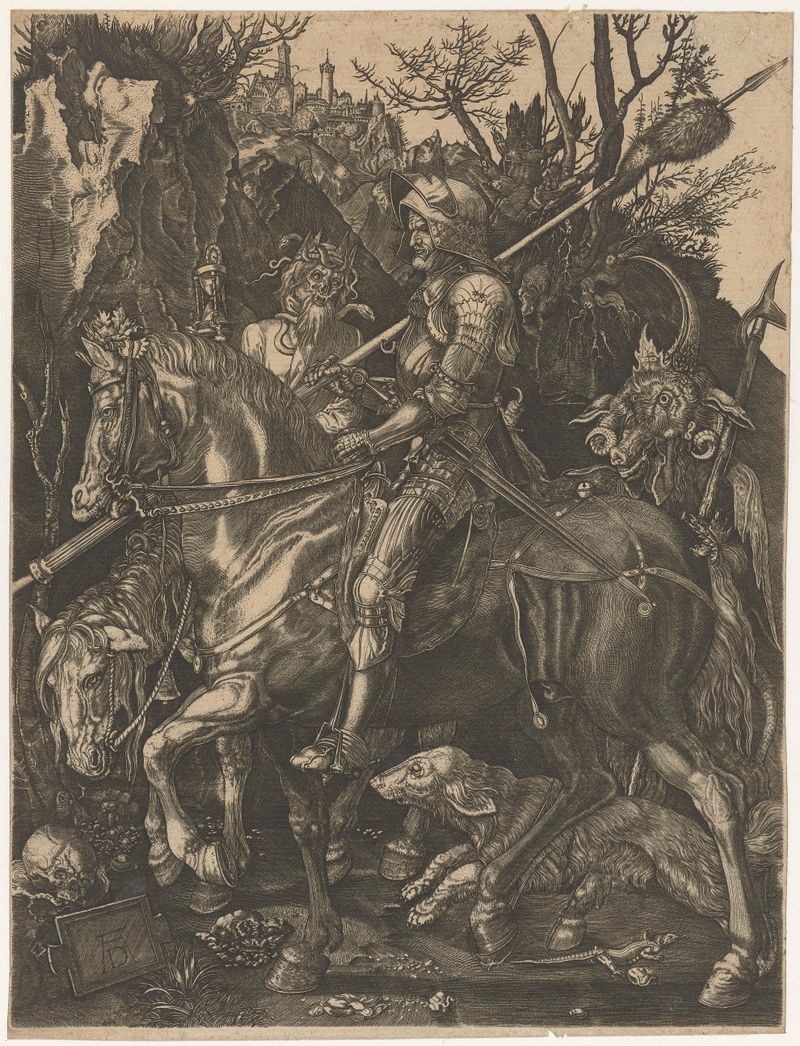
Ridder, Dood en Duivel
Unknown Artist
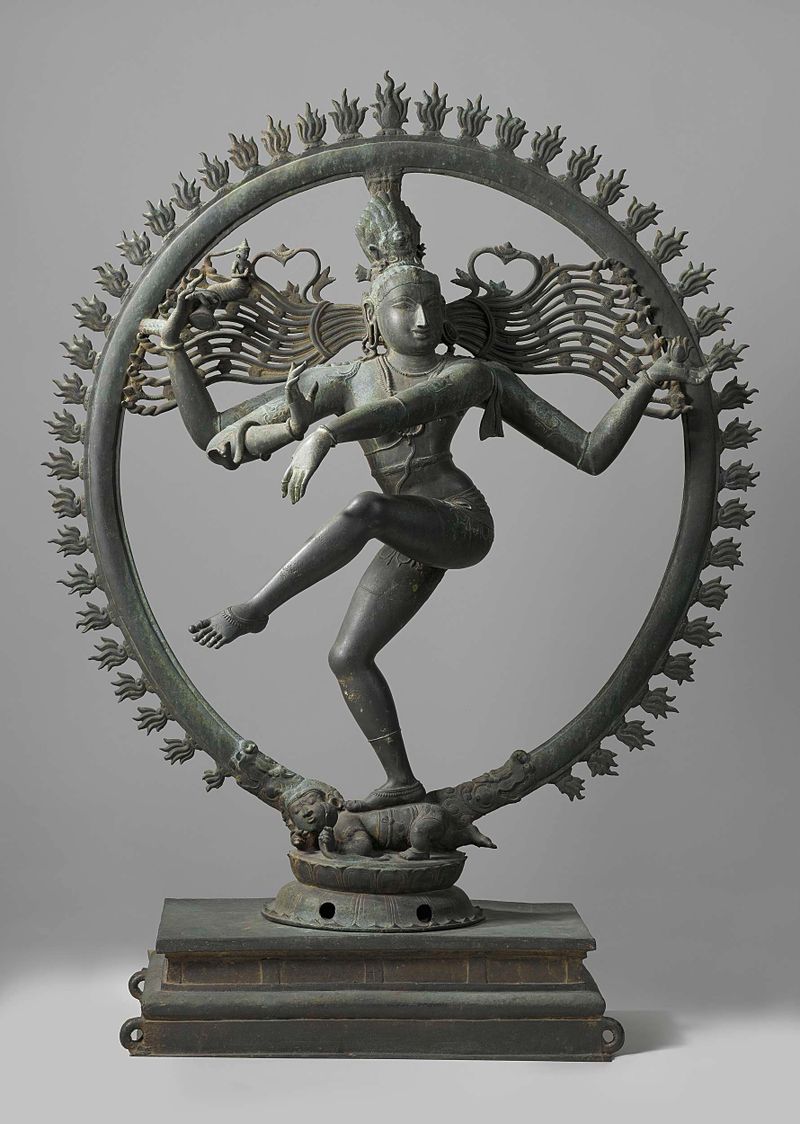
Shiva Nataraja
Unknown Artist
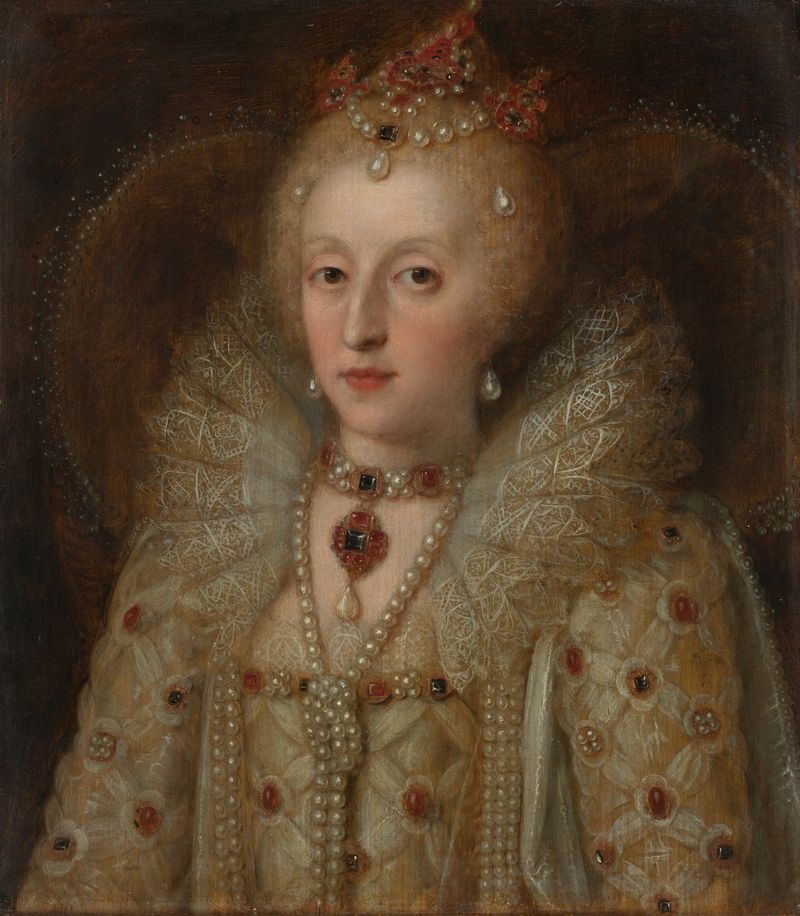
Portrait of Elizabeth I, Queen of England
Unknown Artist
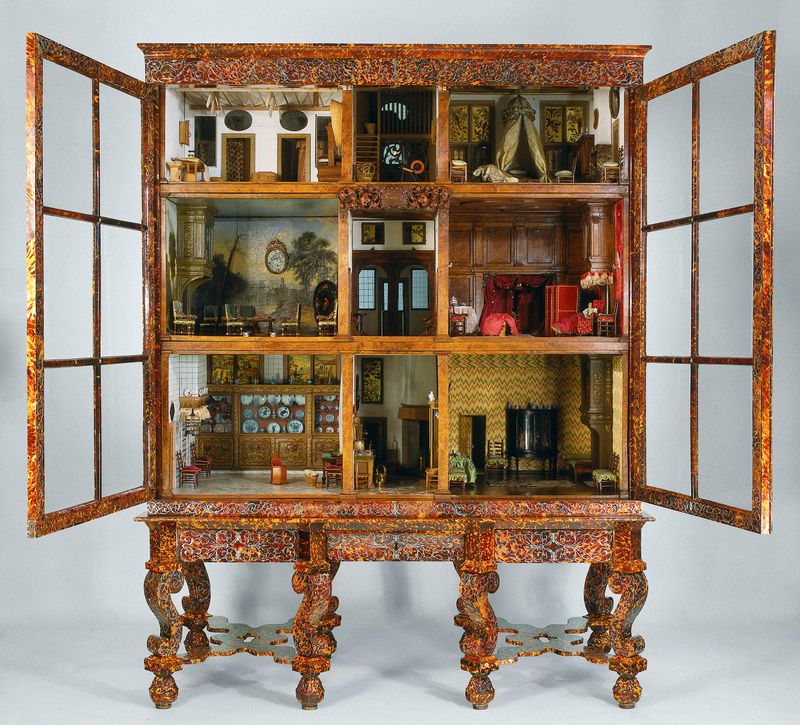
Dolls’ house of Petronella Oortman
Unknown Artist
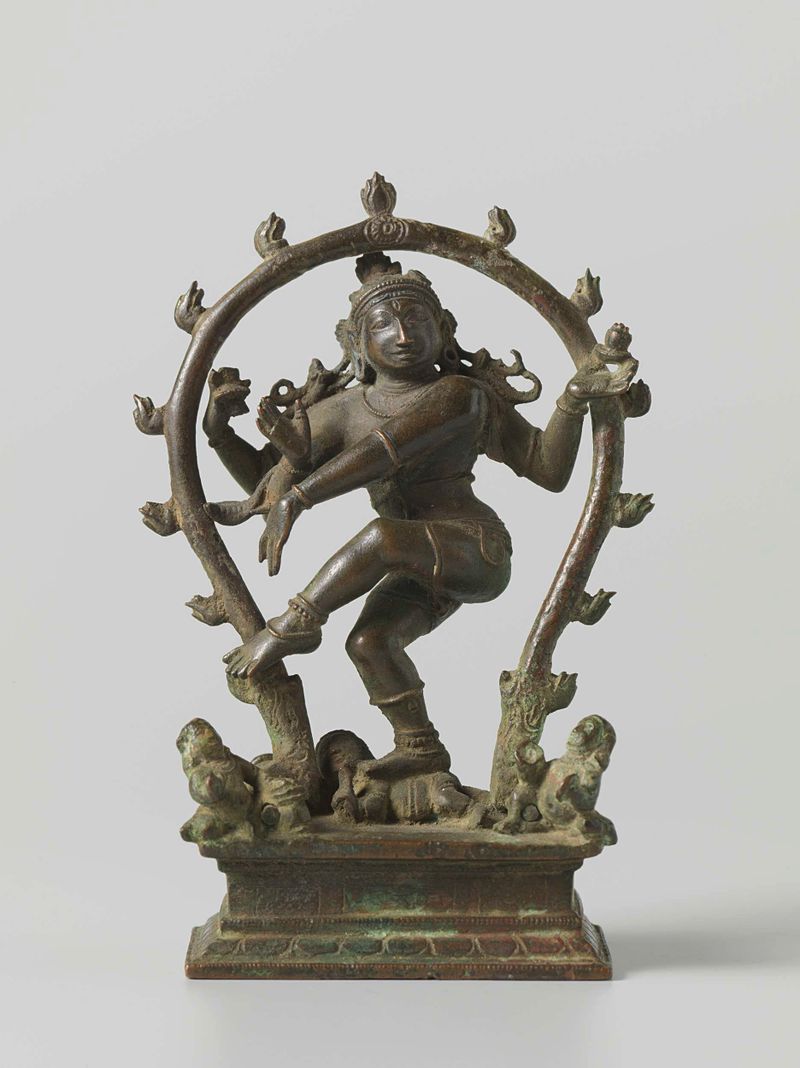
Shiva Nataraja
Unknown Artist

The Tale of Genji
Unknown Artist

The Tale of Genji
Unknown Artist

Cong
Unknown Artist
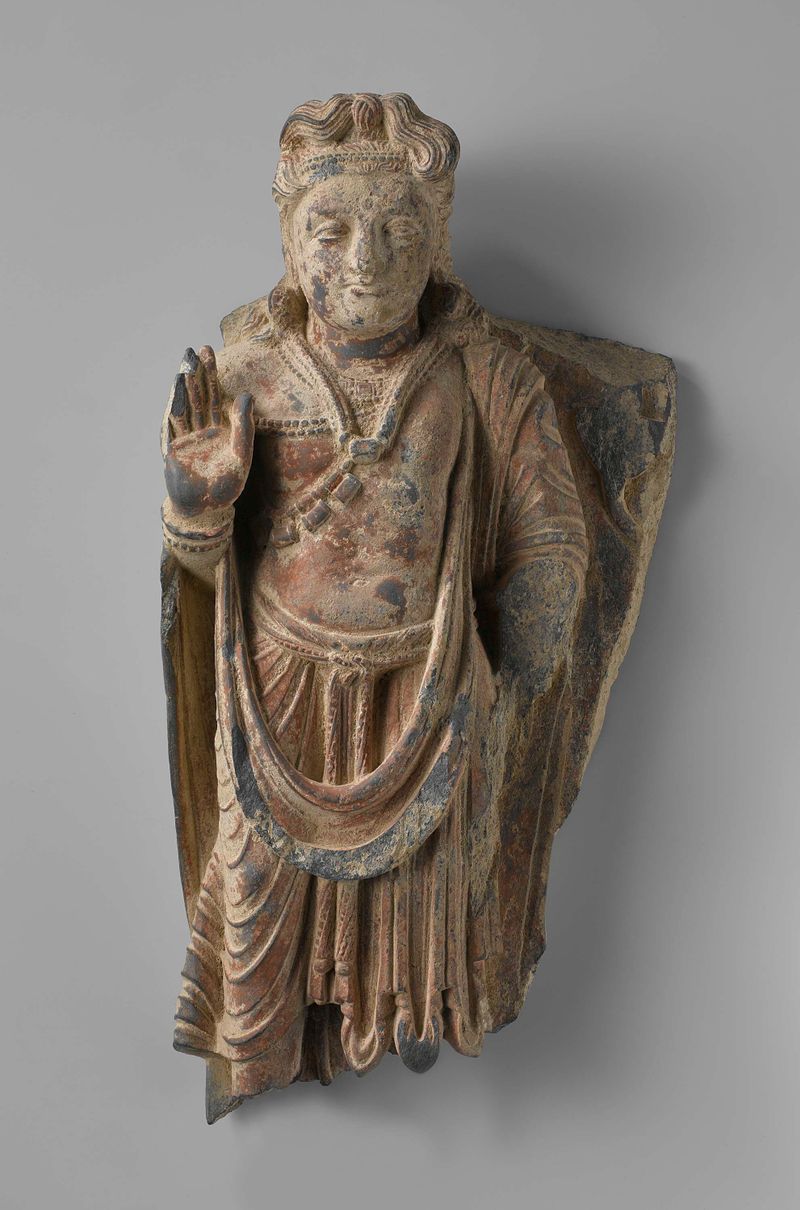
The bodhisattva Maitreya
Unknown Artist

Teabowl with a 'hare's fur' glaze
Unknown Artist





