
Kinderkruistocht — History & Facts
Can beauty exist without sorrow? The delicate brushstrokes and serene expressions in this piece invite viewers into a realm where joy and grief intertwine. Look to the foreground at the figures clad in simple yet vibrant garments, their faces a blend of determination and innocence. Notice how the light cascades gently over their forms, accentuating the contrast between the brightness of their clothing and the somber backdrop that hints at a tumultuous journey. The composition is meticulously balanced, drawing the eye toward the central group while the surrounding landscape fades into shadow, suggesting both a sense of purpose and the weight of their plight. Emotional tensions pulse through the scene, particularly in the juxtaposition of the children's unwavering resolve against the looming, darkened horizon.
Each small face tells a story of loss, coupled with an unspoken bond that seems to unite them in their shared experience. Look closely at their hands, some clasped together, others reaching outward, symbolizing a collective hope amidst despair. The artist's choice of muted earth tones reinforces a sense of melancholy, grounding the viewer in the reality of their mission while hinting at the fragility of happiness. Created between 1700 and 1800, this work emerged during a period marked by tumultuous social changes and a preoccupation with loss, particularly in the context of religious and political strife.
The artist, identified only as Monogrammist LIW, was likely navigating the complexities of this era while seeking to capture the essence of human resilience through the innocence of youth. In a time where beauty was often intertwined with sorrow, this piece encapsulates the delicate balance between hope and despair.
More Artworks by Monogrammist LIW
Browse all →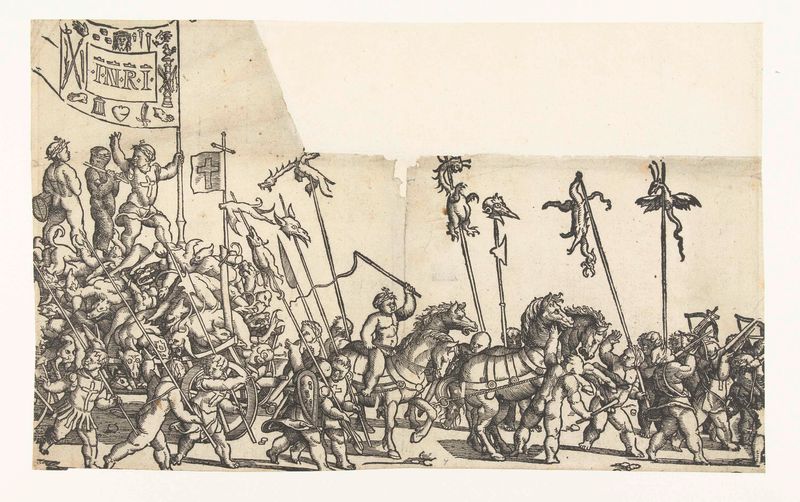


More Religious Art
Browse all →
The Return of the Prodigal Son
Rembrandt van Rijn

The Garden of Earthly Delights
El Bosco

Count Orgaz’ funeral
El Greco

The Hundred Guilder Print: the central piece with Christ preaching, the plate arched
Rembrandt van Rijn

The Descent from the Cross
Rogier van der Weyden

The return of the prodigal son
Rembrandt van Rijn