Kinderkruistocht — History & Facts
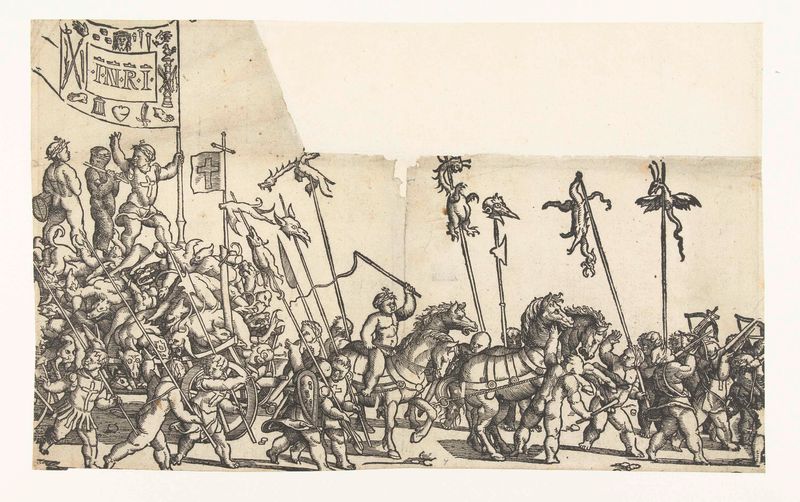
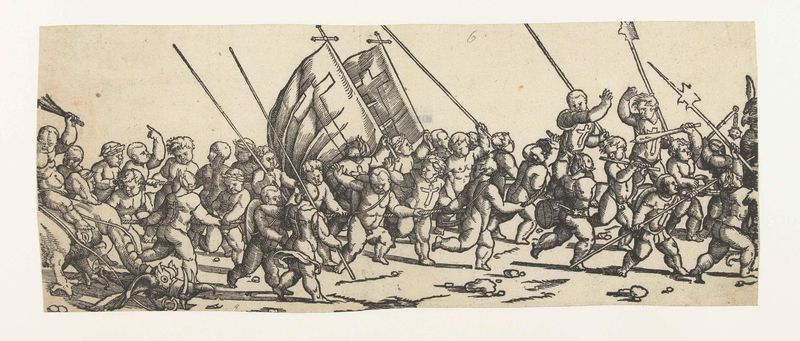
Can paint confess what words never could? In the delicate strokes of Kinderkruistocht, emotions dance on the canvas, revealing the profound themes of innocence and renewal. Focus first on the central group of children, their faces alight with hope and determination. Notice how their youthful exuberance contrasts with the somber colors of the background, as if the very palette whispers of a world burdened by despair. The artist employs soft, muted tones for the distant figures, creating a deeply moving juxtaposition that enhances the vibrancy of the children at the forefront.
Look closely at their gestures; hands outstretched, some clutching makeshift banners, their unity echoing a collective dream of a better future. The composition speaks volumes about rebirth and innocence reclaimed amidst adversity. The glaring contrast between the joyful, unfurling figures and the shadowy outlines behind them suggests a narrative of hope emerging from struggle. Each child’s expression encapsulates a moment of unwavering belief, yet hints at the fragility of their aspirations.
The play of light and shadow serves to underline this duality, inviting the viewer to ponder the delicate balance between joy and sorrow, progress and setback. Created between 1700 and 1800, this work reflects a period marked by social upheaval and reform. The artist, often identified as Monogrammist LIW, navigated the shifting tides of artistic conventions, embracing emotive storytelling that was gaining momentum in the early modern era. At a time when Europe was grappling with the consequences of the Enlightenment, this piece embodies a longing for a brighter tomorrow, encapsulating the spirit of youth striving for change amidst challenging realities.