
Kinderkruistocht — History & Facts
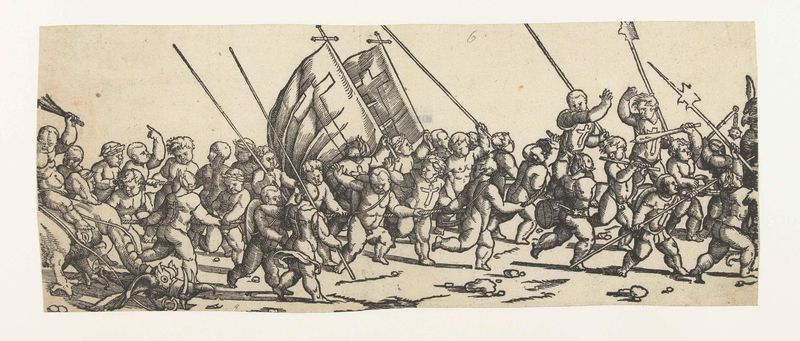
Within the vastness of the canvas, a delicate equilibrium is struck between turmoil and tranquility, inviting the viewer to contemplate the stillness that accompanies strife. Focus first on the central figures, rendered with meticulous detail; their expressions are a blend of innocence and resolve, a call to the heart. Notice how the muted colors combine with sharper hues, creating a poignant contrast that enhances the emotional weight of the scene. The gestural lines of their bodies seem to echo a silent plea, leading your gaze outward, as if urging you to grasp the gravity of their journey. This depiction embodies a tension between hope and despair—each child’s gaze tells a story of yearning, while their surrounding elements evoke a sense of impending challenge.
The careful balance of light and shadow throughout the composition not only highlights their vulnerability but also hints at a brighter horizon, suggesting that even amidst hardship, resilience can bloom. The artwork emerged from the hands of an anonymous master during a time when the world was rife with conflict and uncertainty. Created between 1700 and 1800, it reflects a period marked by social upheaval and religious tension. The artist, likely influenced by the turbulent tides of their own era, infused the piece with a sense of urgency and poignancy that captures the spirit of a generation grappling with faith and hope.
More Artworks by Monogrammist LIW
Browse all →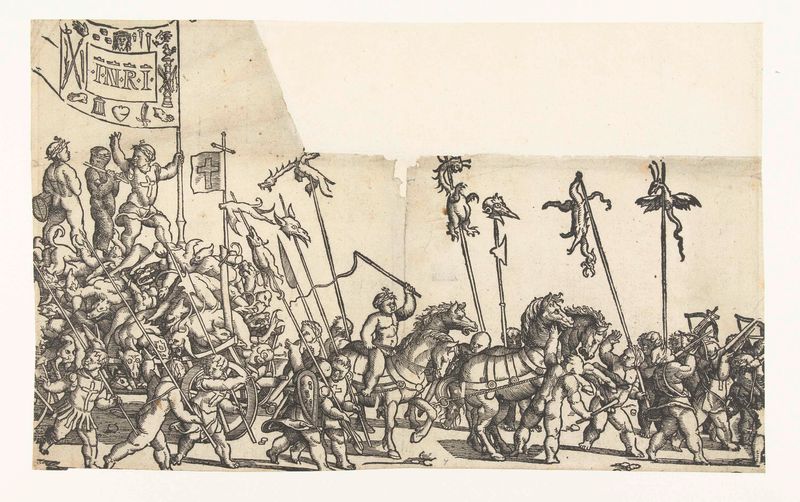


More Religious Art
Browse all →
The Return of the Prodigal Son
Rembrandt van Rijn

The Garden of Earthly Delights
El Bosco

Count Orgaz’ funeral
El Greco

The Hundred Guilder Print: the central piece with Christ preaching, the plate arched
Rembrandt van Rijn

The Descent from the Cross
Rogier van der Weyden

The return of the prodigal son
Rembrandt van Rijn