Kinderkruistocht — History & Facts
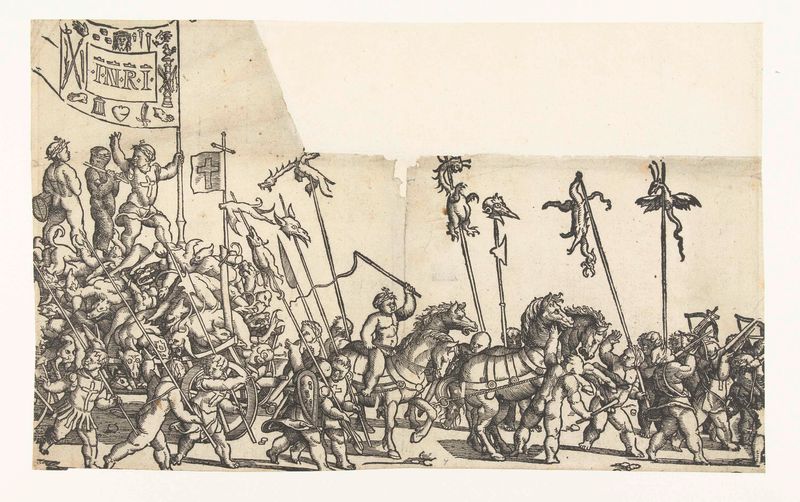
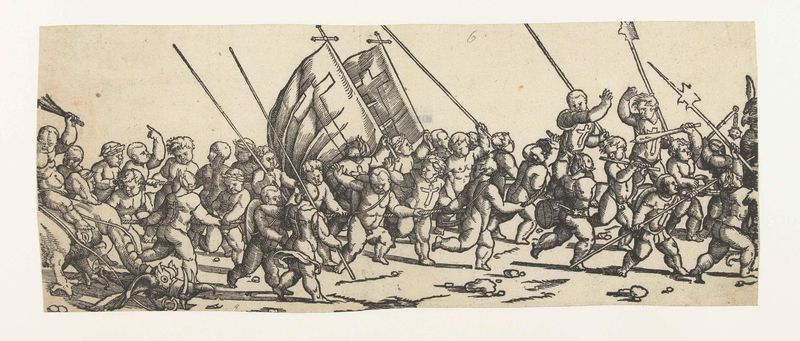
What secret hides in the quiet of the canvas? A chilling stillness lingers in the air, suggesting unease beneath the surface of innocence. This artwork captures the haunting essence of childhood fear, embodied in the figures that wander through a world both familiar and unsettling. Look to the center of the canvas, where a procession of children meanders along a narrow path, their small forms juxtaposed against the vastness of a looming landscape. Notice how the muted colors create an atmosphere of somberness, with shadows stretching across the ground as sunlight struggles to break through the overcast sky.
The figures' expressions, a mix of curiosity and trepidation, draw the viewer's gaze deeper into the emotional core of the piece. Yet, beyond the apparent simplicity of their journey lies a complex interplay of innocence and apprehension. The children's destination remains obscured, suggesting a journey fraught with ambiguity and the unknown. One can sense the collective tension, as if the weight of their experience speaks to broader themes of loss and disillusionment.
Every detail, from the tattered edges of their clothing to the chilling stillness of the surrounding landscape, heightens the atmosphere of dread that permeates the scene. The artist, known only as Monogrammist LIW, created this evocative work during the late 17th to early 18th century, a period marked by significant social and political upheaval in Europe. This era saw the rise of childhood as a subject of artistic exploration, reflecting both the innocence and vulnerability of youth in a time of uncertainty. As the world around them changed rapidly, the artist tapped into the undercurrents of fear that not only haunted their own time but also resonated deeply with the universal experience of growing up.