Kipkar — History & Facts
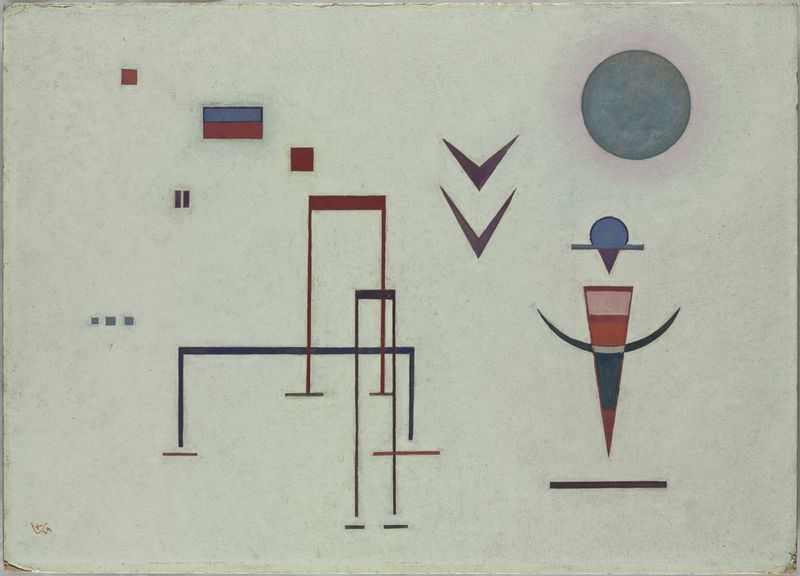
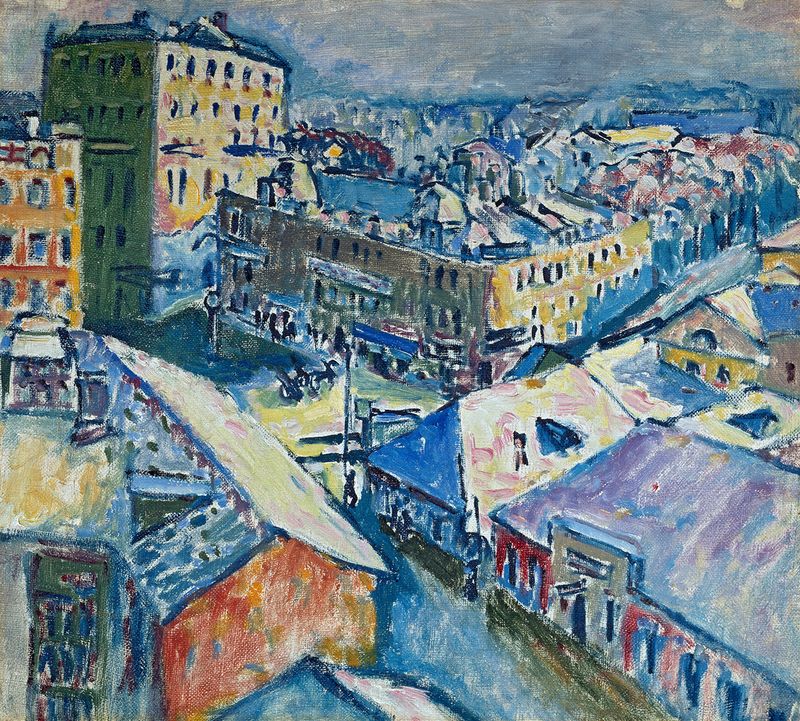
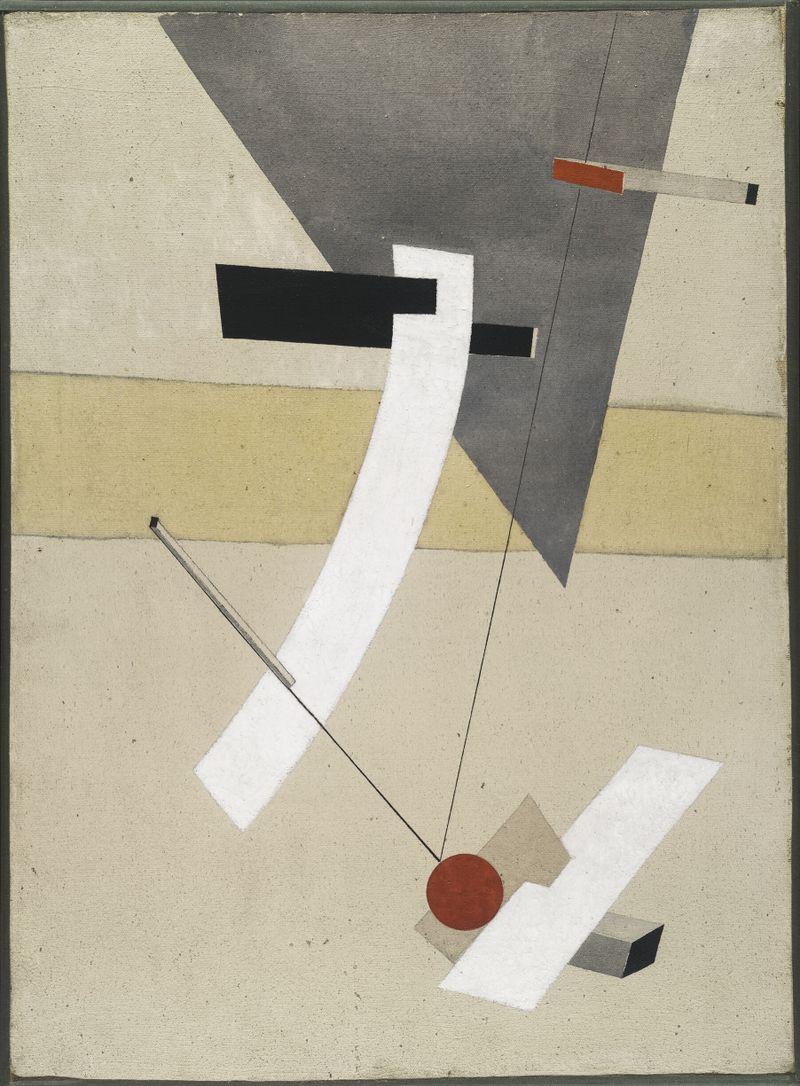
In a world often veiled in turmoil, the act of creation can lead to profound awakenings that stir the soul. What if every stroke on the canvas invited us to confront our inner landscapes, revealing the beauty hidden within the chaos? Focus first on the vibrant swirls of color that dominate the composition, a kaleidoscope of reds, blues, and yellows colliding in an ecstatic dance. Notice how the thick impasto technique adds texture, transforming mere pigment into a tactile experience that beckons the viewer closer.
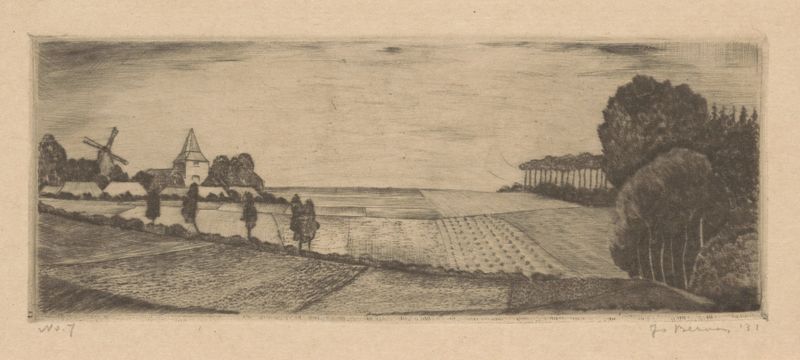
The interplay of light and shadow creates depth, inviting you to explore the layers beneath, where emotional intensity simmers beneath the surface, hinting at something more profound. As you delve deeper, observe the contrasting elements within the piece: chaos intertwined with serenity, frenetic energy balanced by moments of stillness. Subtle forms emerge from the tumult—a figure, perhaps, or an abstract shape that evokes a sense of awakening. The tension between the wild application of paint and the delicate balance of colors invites contemplation, prompting reflections on the transformative power of creativity. In 1931, Jo Bezaan created Kipkar amid a period of personal upheaval, marked by the socio-political shifts of the time.
Working in Europe during the interwar period, the artist engaged with modernist movements that celebrated abstraction and emotional expression. This artwork reflects both a response to the chaos of the world around him and a personal journey toward finding grace within turmoil, capturing the very essence of awakening through art.