
Kirchgang im Frühling — History & Facts
In Kirchgang im Frühling, the viewer is greeted by a vibrant spring scene filled with lush greenery and blooming flowers. A group of figures, dressed in traditional attire, is depicted walking towards a church, suggesting a communal celebration. The colors are bright and warm, with various shades of green, yellow, and blue dominating the landscape.
The overall atmosphere is joyful and lively, capturing the essence of springtime festivities. The painting is executed in oil on canvas, a medium that allows for rich color and texture. Waldmüller employs a realistic style, typical of the Romanticism movement, to depict the figures and their surroundings with great detail. The composition is balanced, with the church positioned centrally, drawing the viewer's eye.
Light plays an important role, illuminating the figures and enhancing the vibrancy of the scene. Ferdinand Georg Waldmüller was a prominent Austrian painter known for his depictions of everyday life and landscapes. This work, created in the 1850s, reflects his interest in portraying the beauty of rural life and community gatherings. An interesting fact about this painting is that it captures a moment of cultural significance, as church processions were important social events in 19th-century Austria.
Waldmüller's ability to blend realism with a touch of romantic idealism makes this piece a notable example of his work.
More Artworks by Ferdinand Georg Waldmüller

Die Rettenbachwildnis bei Ischl
Ferdinand Georg Waldmüller
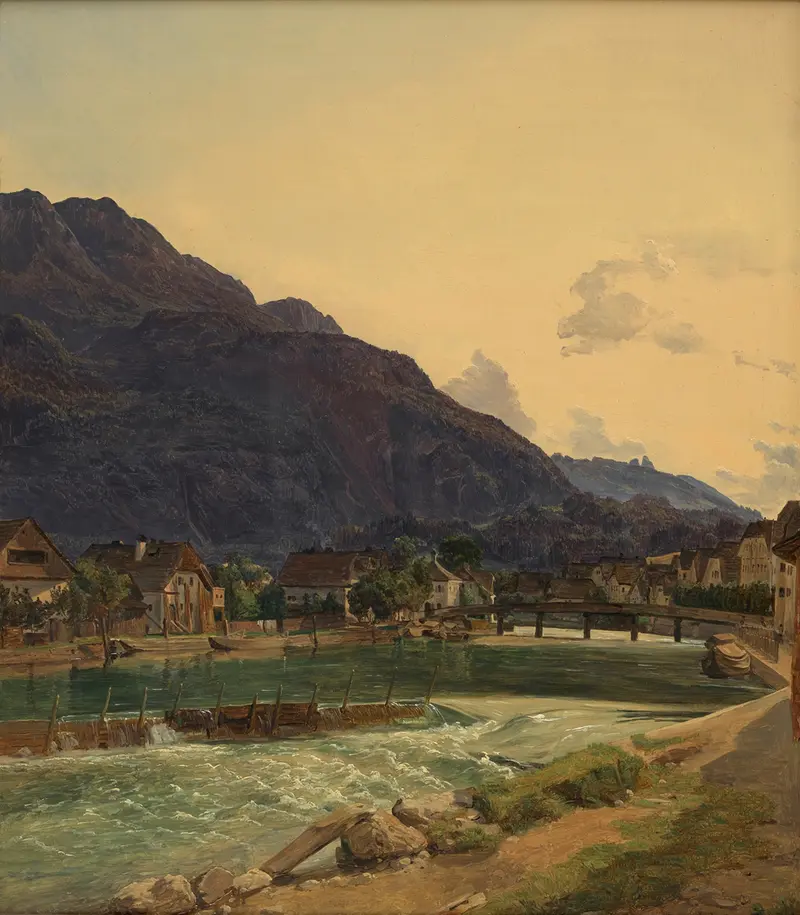
Die Traun bei Ischl
Ferdinand Georg Waldmüller
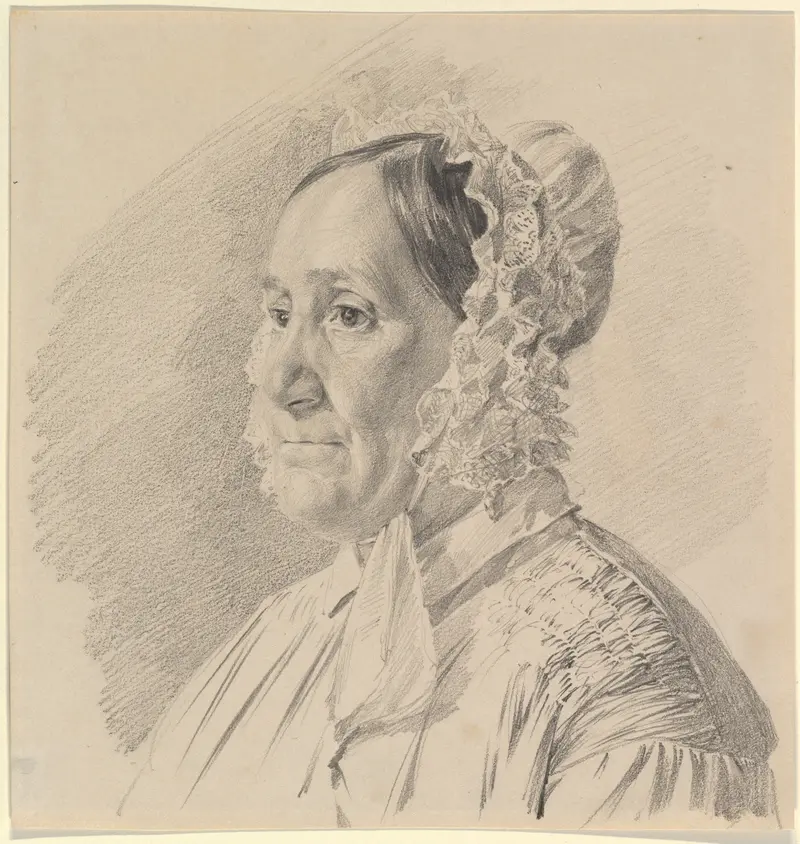
Portrait of a Woman in a Lace Bonnet, in three-quarter profile to the left
Ferdinand Georg Waldmüller
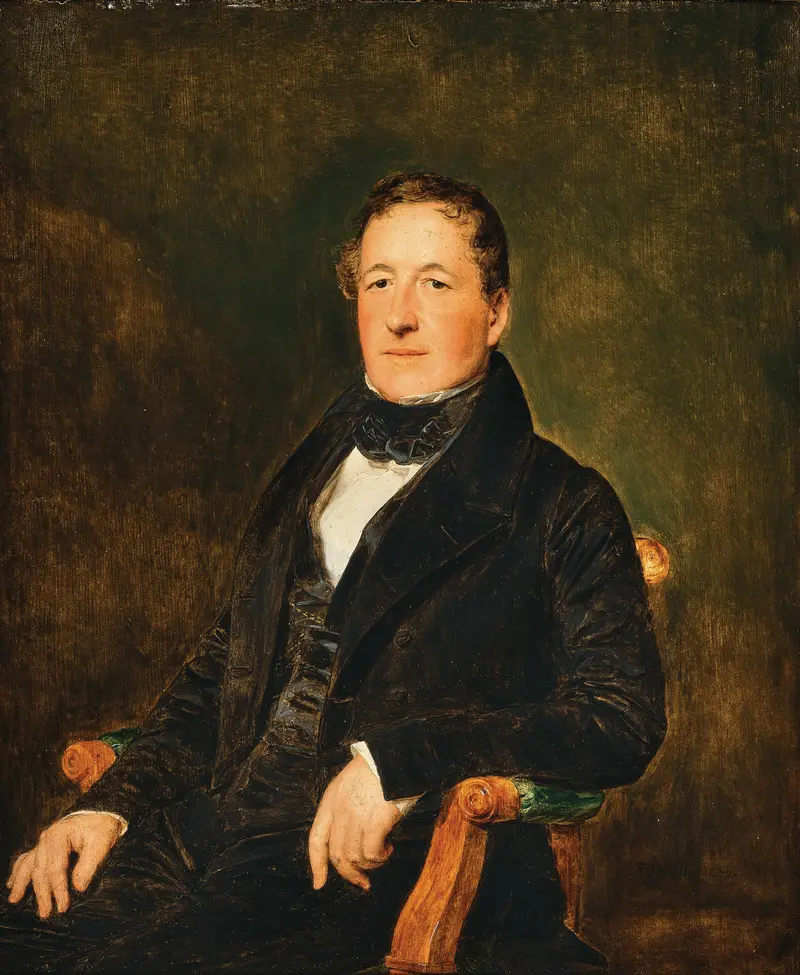
Portrait of Friedrich Eltz (1782–1855)
Ferdinand Georg Waldmüller

Porträt Josef von Stadler
Ferdinand Georg Waldmüller
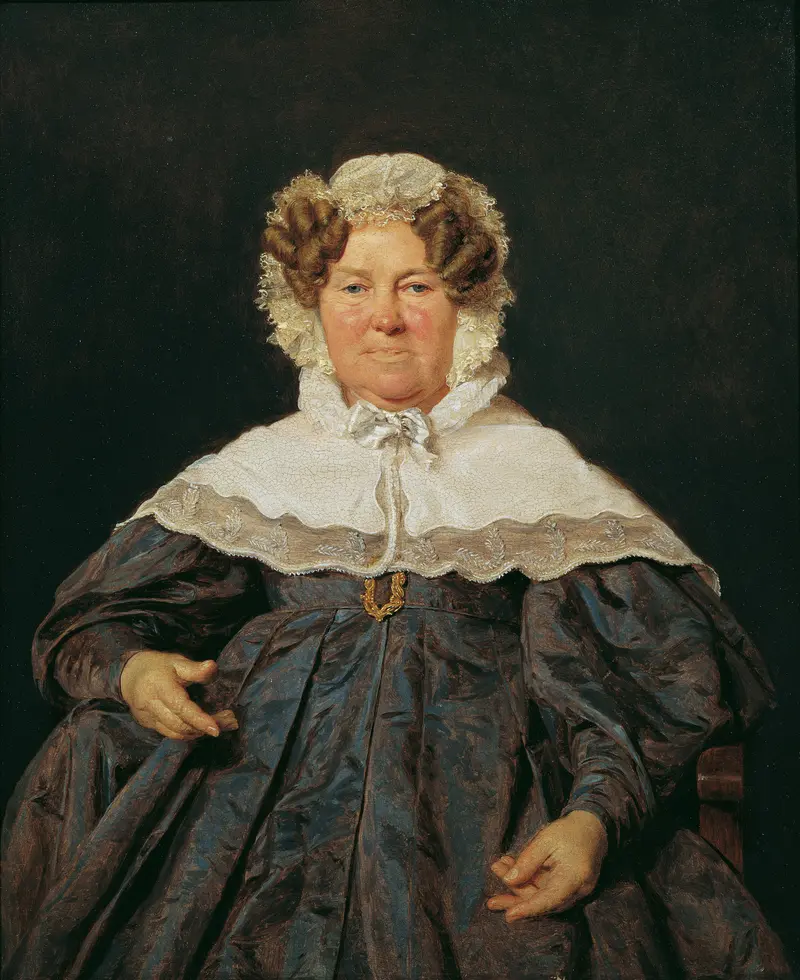
Josephine Schaumburg, geb. Stahel
Ferdinand Georg Waldmüller

Kaiser Ferdinand I. von Österreich
Ferdinand Georg Waldmüller
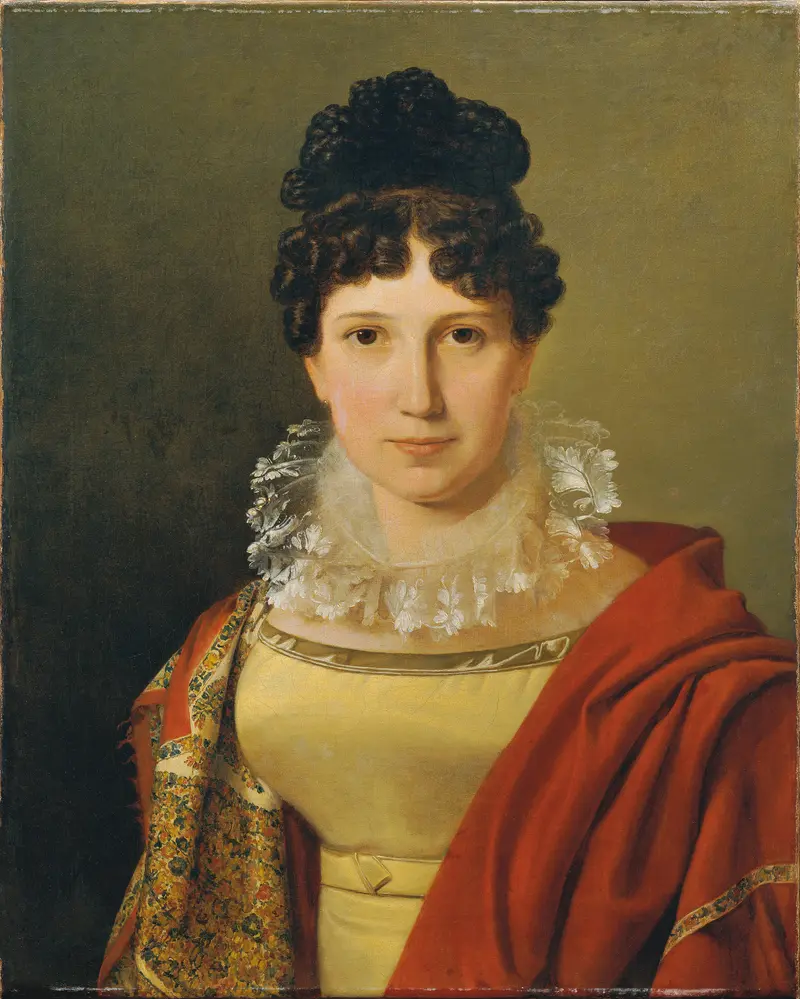
Catharina Freifrau von Koudelka
Ferdinand Georg Waldmüller
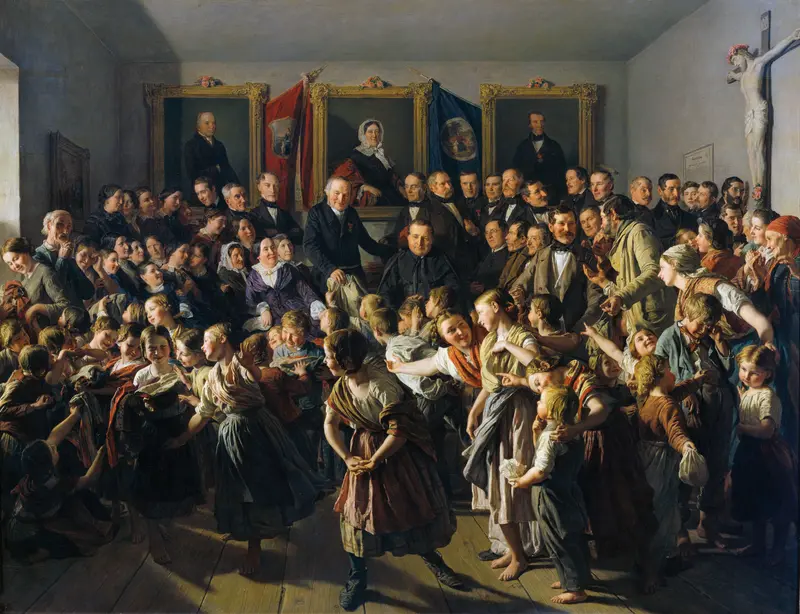
Kinder armer Eltern werden von der Gemeinde Spittelberg am Michaelitage mit Winterkleidern beteilt
Ferdinand Georg Waldmüller
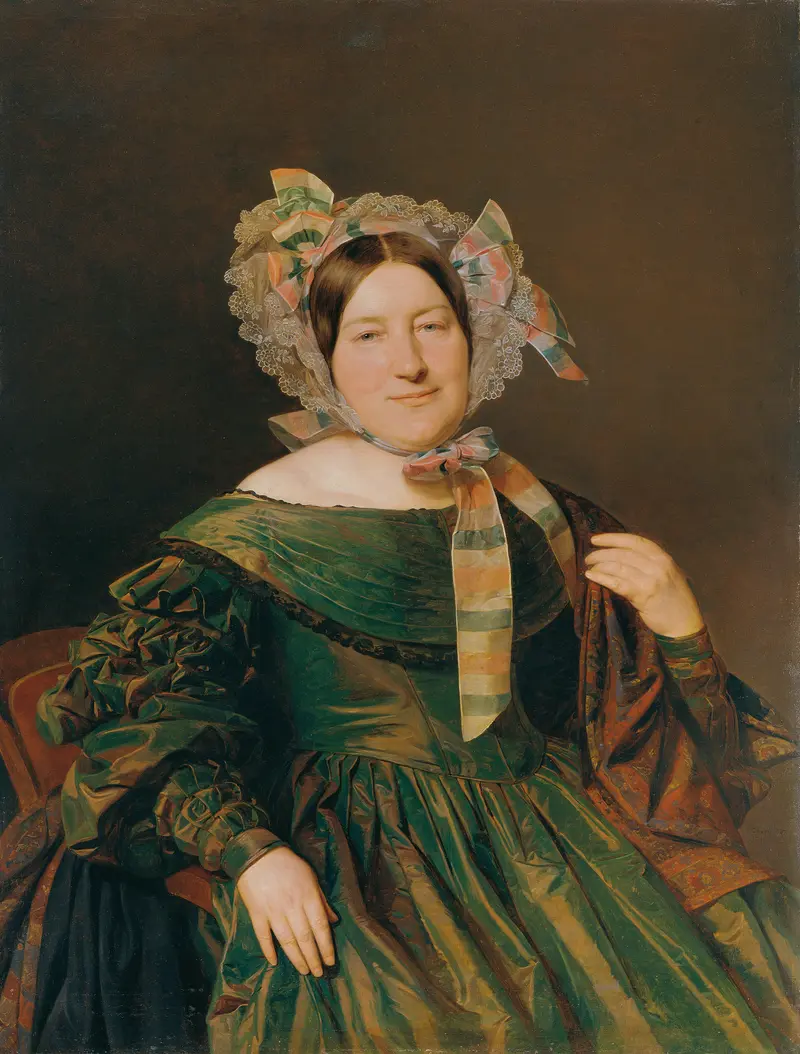
Frau in grünem, lachsrot changierendem Kleid
Ferdinand Georg Waldmüller
More Genre Scene Art

Banquet of the Officers of the St George Civic Guard
Frans Hals

Rembrandt and Saskia in the Scene of the Prodigal Son
Rembrandt van Rijn

Bal du moulin de la Galette
Pierre-Auguste Renoir

Quadrille at the Moulin Rouge
Henri de Toulouse-Lautrec

A Burial at Ornans
Gustave Courbet

When Will You Marry?
Paul Gauguin