
Klein gezicht op Mariakerke — History & Facts
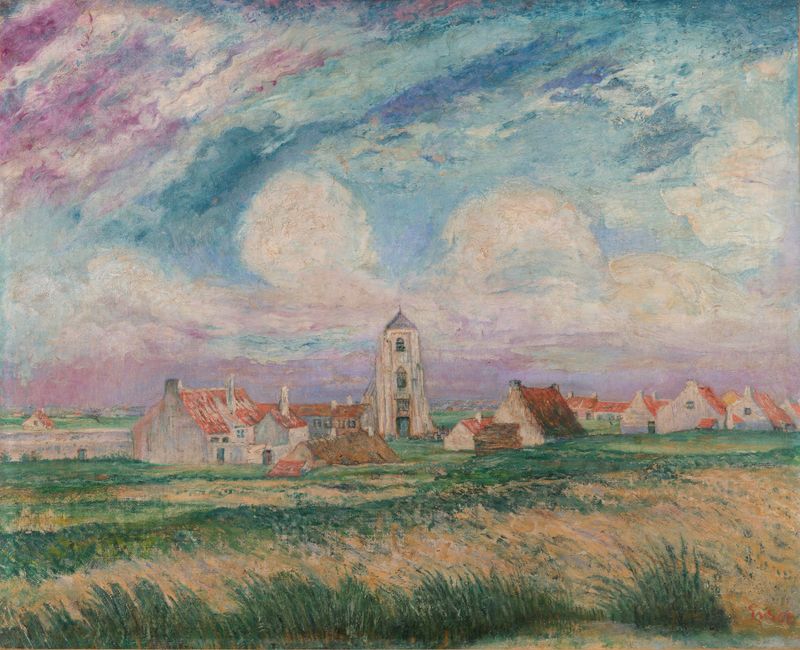
Could beauty survive in a century of chaos? The question lingers, echoing through the brushstrokes of this evocative work. In Klein gezicht op Mariakerke, the interplay of vibrant colors and bold forms suggests not only a scene but an emotional landscape where hope and turmoil coexist. Look to the left, where the sky is alive with dynamic swirls of blue and white, hinting at the vibrancy of life despite the underlying chaos. Notice how the warm hues of the buildings emerge from the cool shadows, creating a sense of intimacy and warmth amidst the uncertainty.
The composition draws the eye toward the church, its steeple piercing the sky, a symbol of resilience and faith that beckons the viewer to find solace within its presence. Delve deeper, and you may uncover layers of meaning: the juxtaposition of the serene church against the tumultuous sky reflects a stark contrast between spiritual refuge and the chaos of the outside world. The vibrant colors play not only with light but also with the emotions of rebirth and renewal, suggesting that beauty, even in its fragility, can emerge anew from the ashes of disruption. Each brushstroke pulses with the hope that, despite adversities, there remains an unyielding spirit of creation. James Ensor painted this work in 1887 in his native Ostend, a time when Belgium was grappling with industrialization and social upheaval.
This was a period of profound change in the art world, where traditional forms were giving way to avant-garde movements. Amidst this transitional atmosphere, Ensor’s exploration of color and form reflected both his personal journey and the broader shifts within society, capturing the essence of rebirth in a tumultuous era.
More Artworks by James Ensor
Browse all →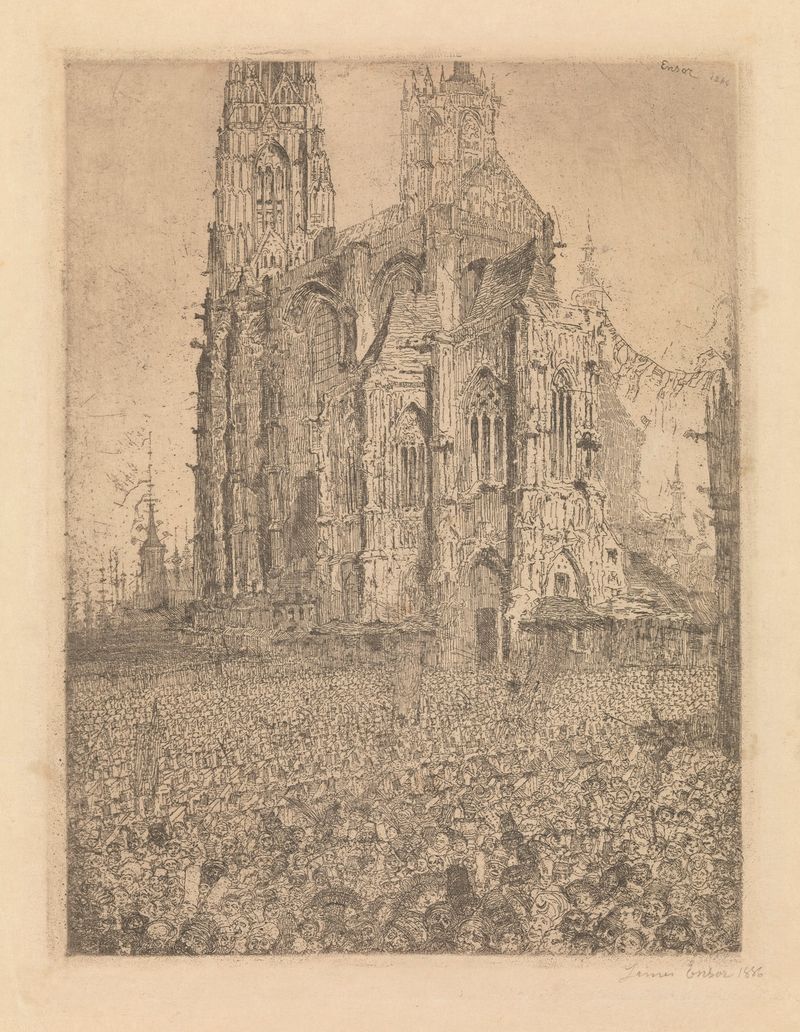
The Cathedral
James Ensor
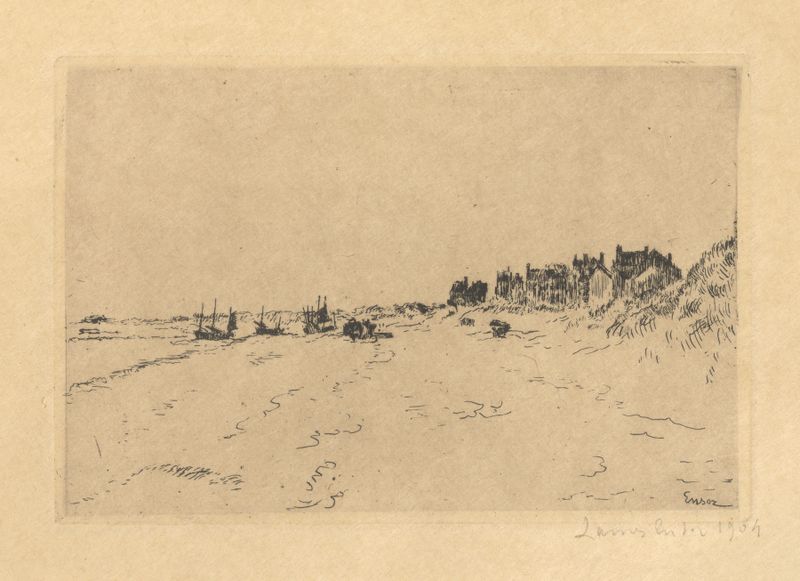
Het strand van De Panne
James Ensor
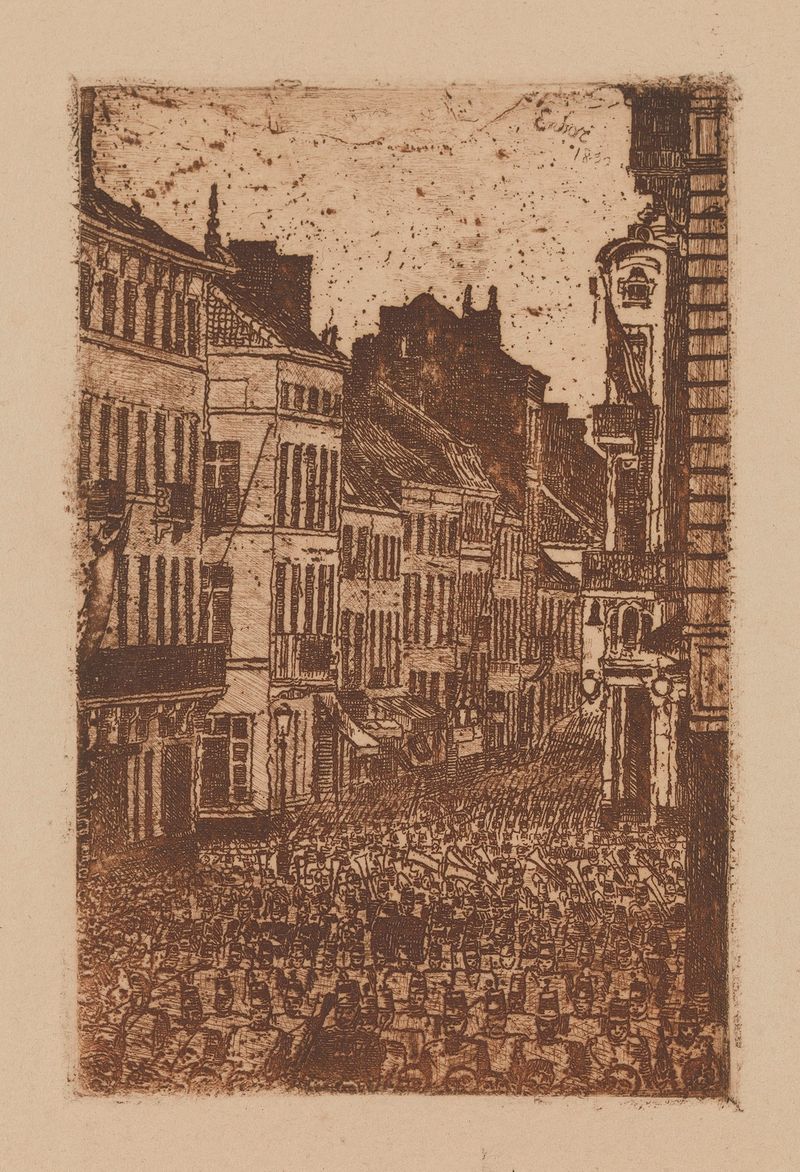
The Music in the rue de Flandre, Ostend
James Ensor
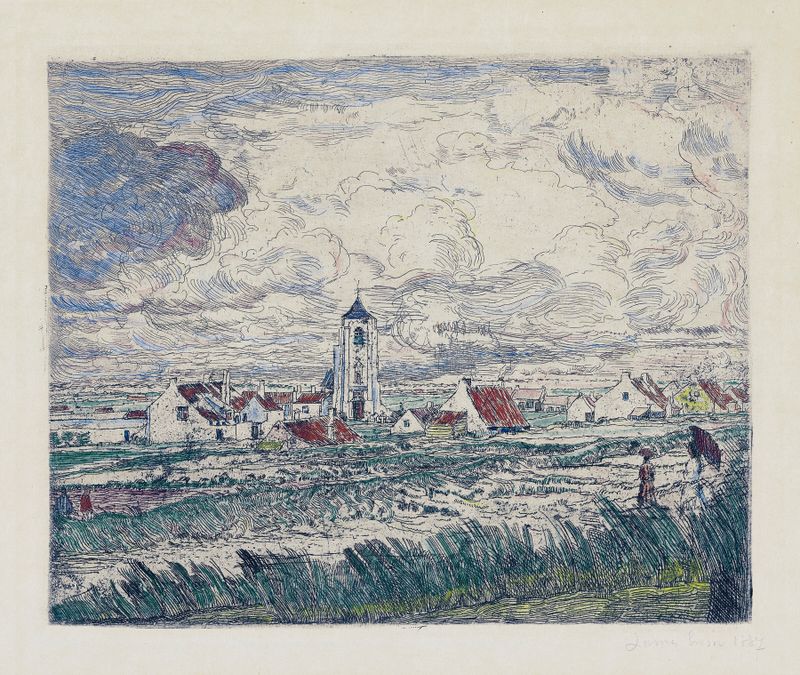
Grande vue de Mariakerke
James Ensor
View of Mariakerke
James Ensor
The Rooftops of Ostend
James Ensor
Huisjes in Mariakerke
James Ensor
The rooftops of Ostend
James Ensor
The Music in the rue de Flandre, Ostend
James Ensor
Verovering van een vreemde stad
James Ensor





