
Kleinkinderschule auf der Kirchenfeldbrücke — History & Facts
What draws the eye first in Kleinkinderschule auf der Kirchenfeldbrücke is the gentle procession of children, their straw hats bobbing in the sunlight as they cross the bridge under the watchful gaze of a caregiver. The scene is alive with quiet movement: a pram draped with cloth, a cluster of little hands and faces, and the purposeful stride of childhood. To the right, a woman in black stands apart, shaded by her umbrella, while two boys peer curiously over the railing, lost in their own discoveries.
The bridge itself, with its ornate ironwork and solitary lamp, becomes a stage for these small dramas, and the sweep of blue sky above suggests a world of possibility. Every detail—the tilt of a head, the play of shadow on stone—invites the viewer to imagine the stories unfolding in this moment of everyday life. Painted in 1900, this work by Albert Anker captures a slice of Swiss society at the turn of the century, when scenes of domestic order and childhood were both a comfort and a subject of national pride. Such images were often commissioned or collected by civic institutions or families eager to celebrate the rhythms of ordinary life in a rapidly changing world.
The painting now belongs to the collection of the Kanton Bern, a fitting home for a work so deeply rooted in local landscape and custom. History has kept few traces of this particular crossing on that particular day, but the image endures as a testament to the quiet dignity of daily routine—inviting us to linger, to notice, and to remember.
More Artworks by Albert Anker

Portrait Of A Girl
Albert Anker
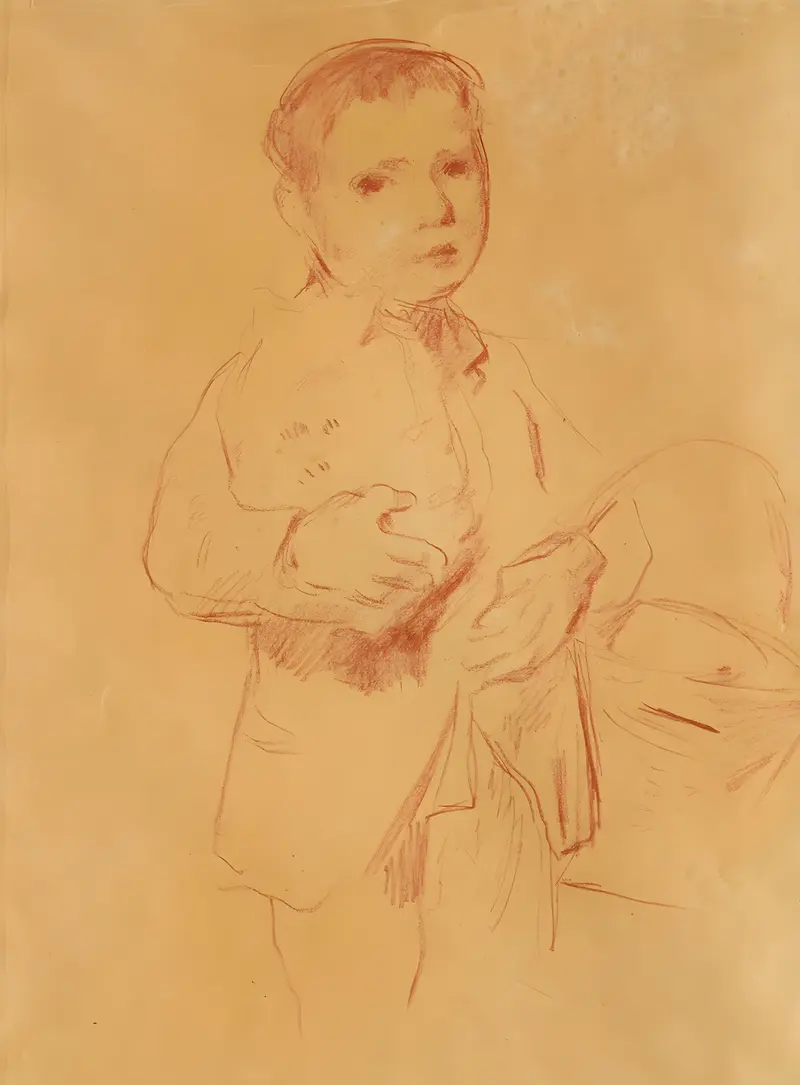
Boy with a basket
Albert Anker
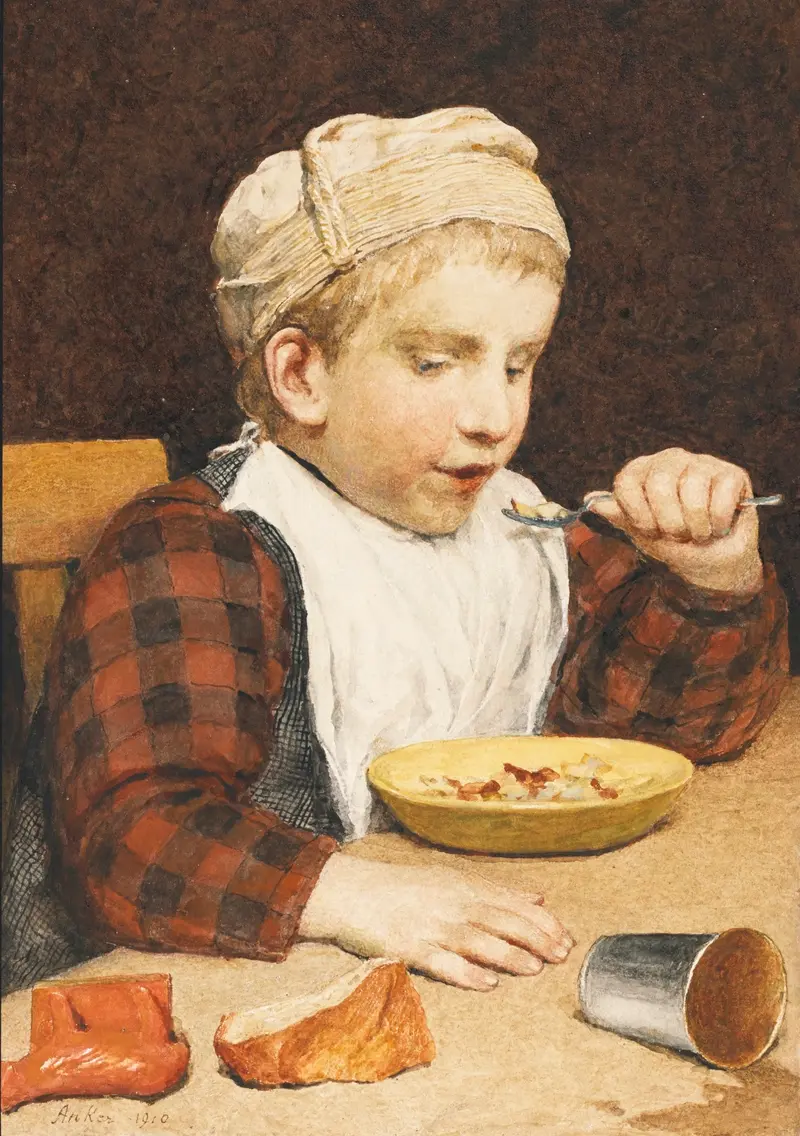
Knabe Mit Mütze Beim Essen
Albert Anker
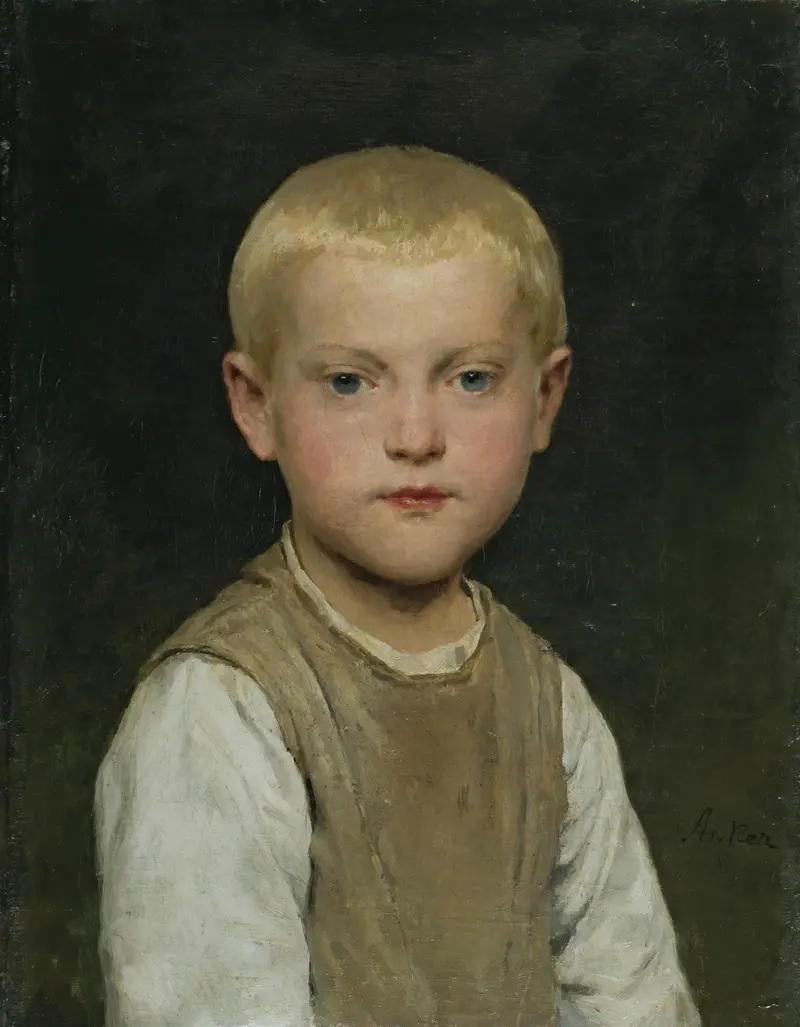
Knabenbildnis (Dr Heiri)
Albert Anker
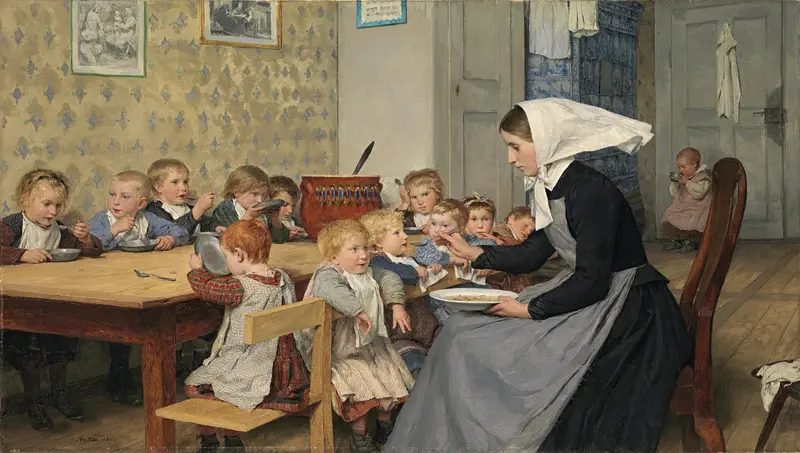
Die Kinderkrippe I
Albert Anker

L’instituteur et le pasteur
Albert Anker
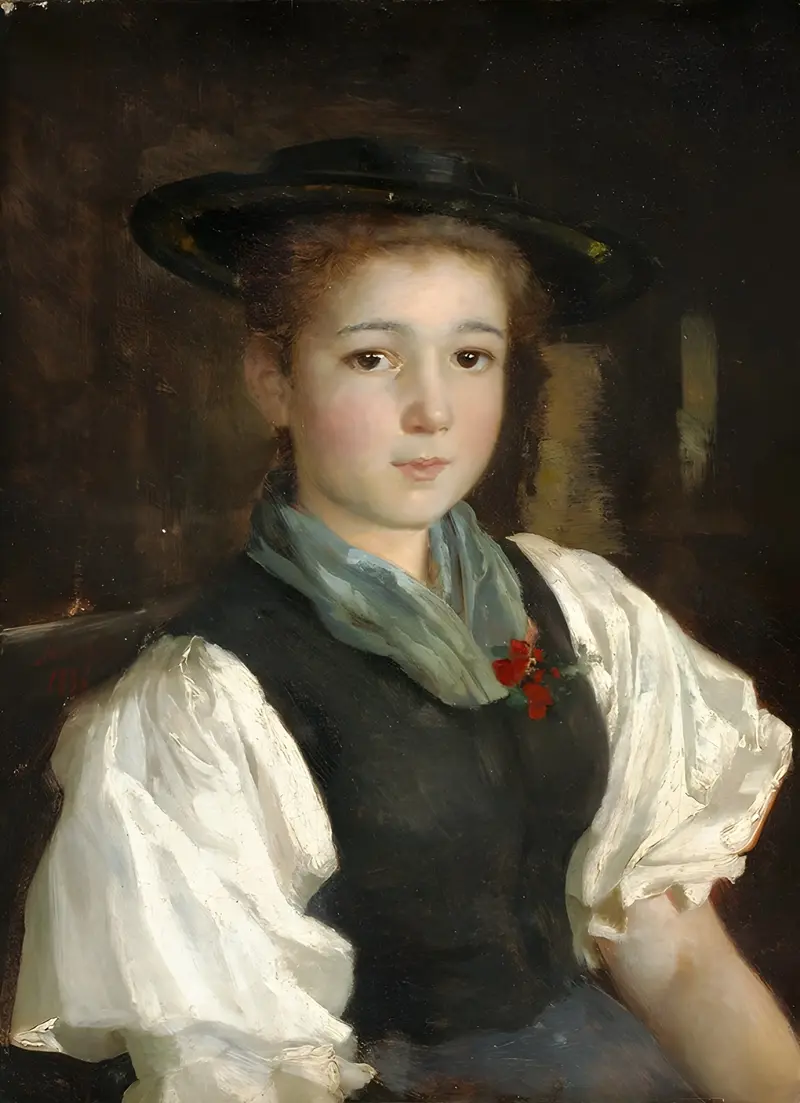
Bauernmädchen (Farm Girl)
Albert Anker
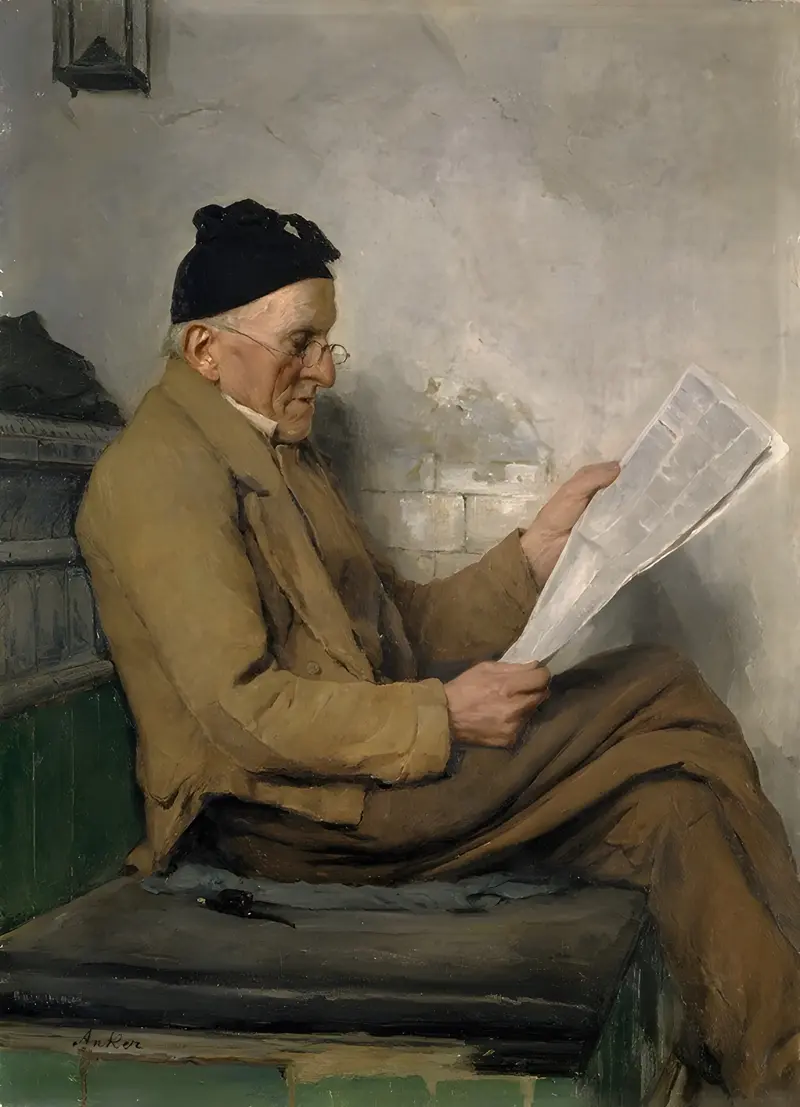
Farmer Reading on the Stove Bench
Albert Anker
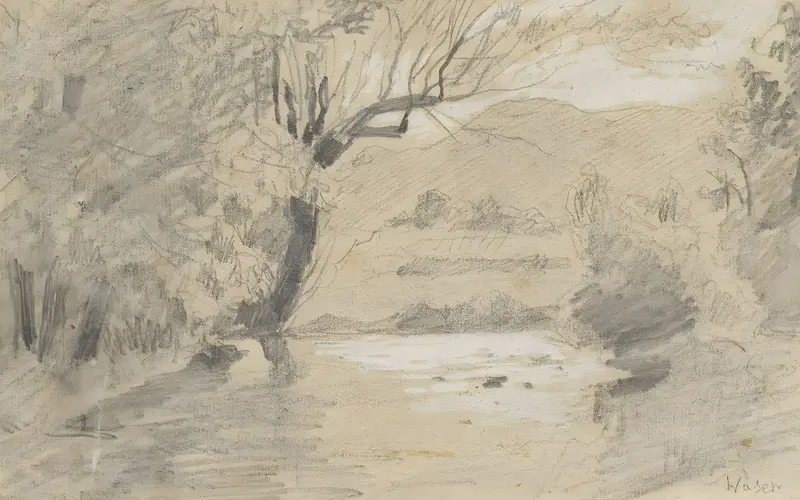
Flusslandschaft in Wasen (Emmental)
Albert Anker
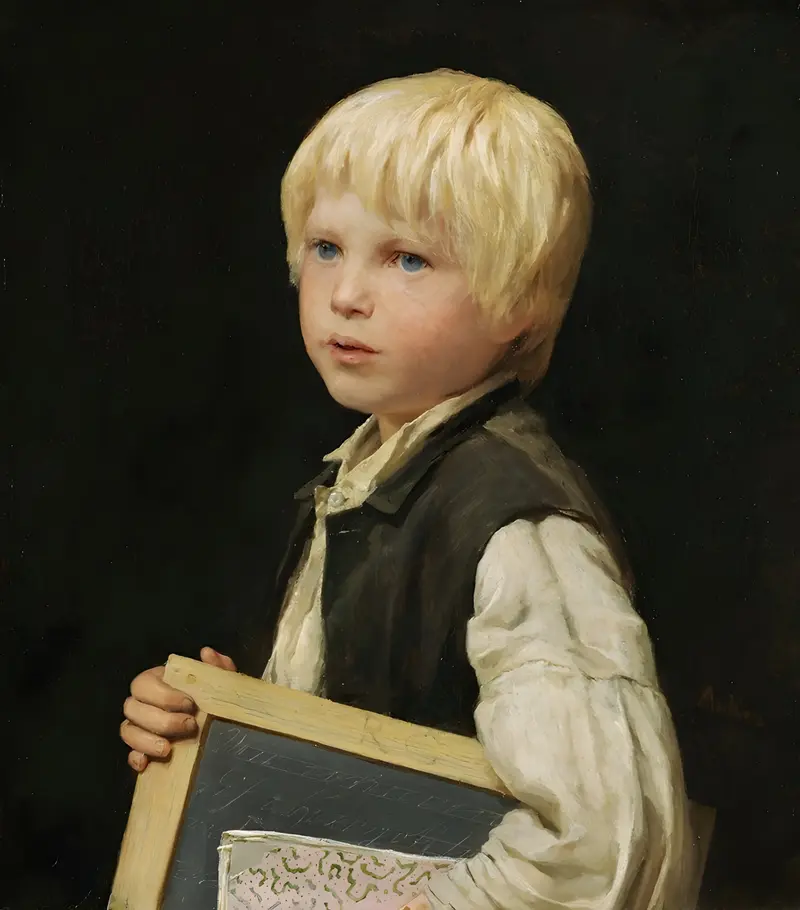
School Boy
Albert Anker
More Genre Scene Art

Banquet of the Officers of the St George Civic Guard
Frans Hals

Rembrandt and Saskia in the Scene of the Prodigal Son
Rembrandt van Rijn

Bal du moulin de la Galette
Pierre-Auguste Renoir

Quadrille at the Moulin Rouge
Henri de Toulouse-Lautrec

A Burial at Ornans
Gustave Courbet

When Will You Marry?
Paul Gauguin