
Kohtaus tanssiaisissa — History & Facts
A hush of anticipation hangs in the air between the woman in white and her companion, their conversation unfolding in the quiet margin of a grand event. The crisp folds of her fan, the poised tilt of her head, and the forward lean of the man in evening dress all speak to a moment suspended—private, yet edged by the distant murmur of the ballroom beyond. The painter’s loose, almost unfinished brushwork lets the scene breathe, bathing the figures in a warm, rosy glow that hints at gaslight and velvet drapes, while the blurred silhouette in the doorway reminds us that the world of the dance continues just out of sight. Painted in 1884, Kohtaus tanssiaisissa by Albert Edelfelt belongs to a moment when European artists were fascinated by the rituals and codes of polite society.
Works like this, with their focus on fleeting gestures and social nuance, were often created for an audience eager to see itself reflected—sometimes with irony, sometimes with affection. Edelfelt, working at the cusp of Impressionism and Realism, draws us into the private drama that unfolds at the edge of public spectacle. Little is recorded about the journey of this particular painting, now held in a Finnish collection, but its quiet tension and delicate atmosphere invite us to linger, imagining the stories that begin where the brushstrokes leave off.
More Artworks by Albert Edelfelt

The Day of Rest
Albert Edelfelt
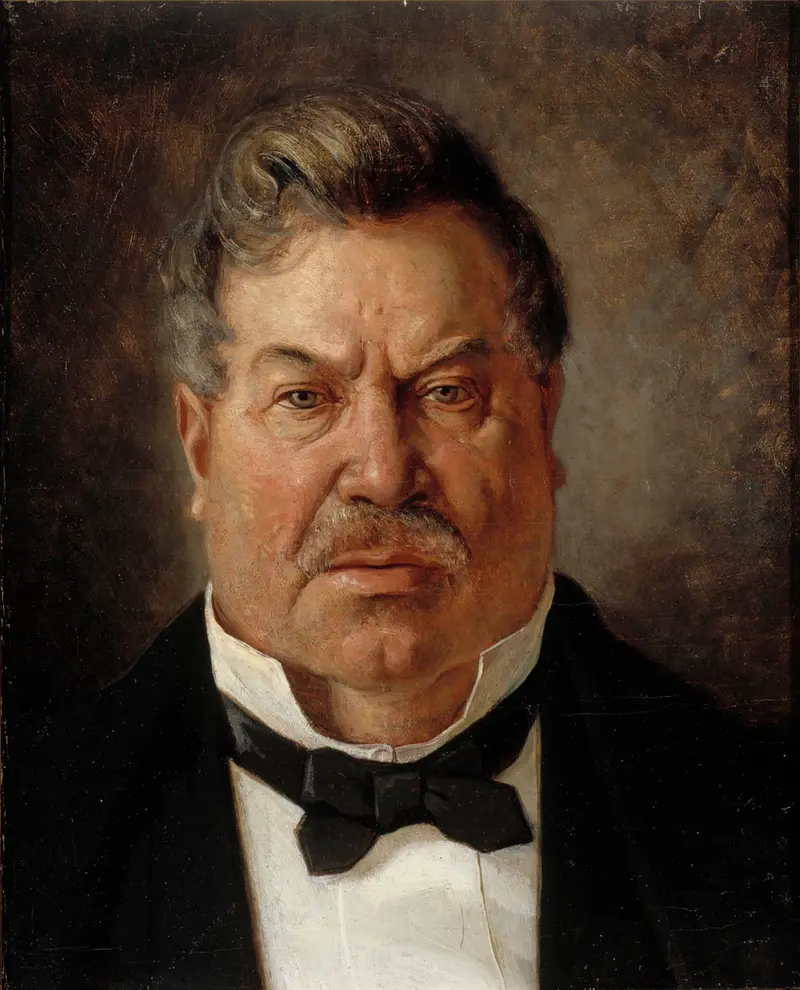
Portrait of August Streng
Albert Edelfelt
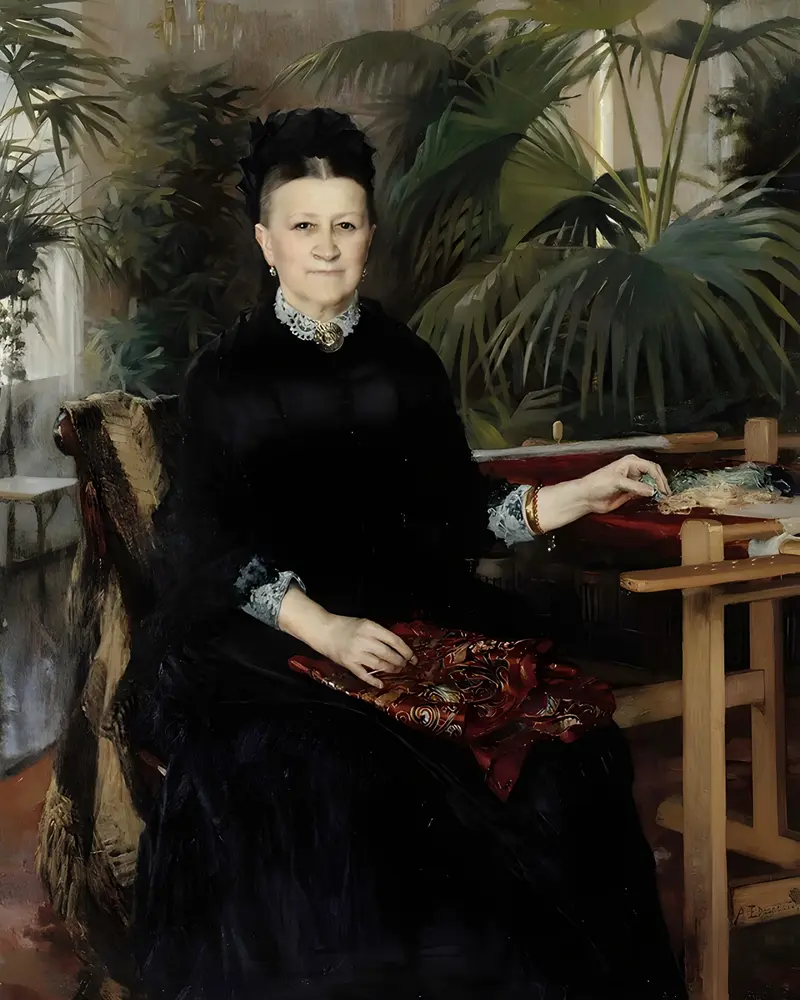
Portrait Of Mrs. Anna Sinebrychoff
Albert Edelfelt

The Poet, Larin Paraske
Albert Edelfelt

Parisian lady in a Peignoir
Albert Edelfelt
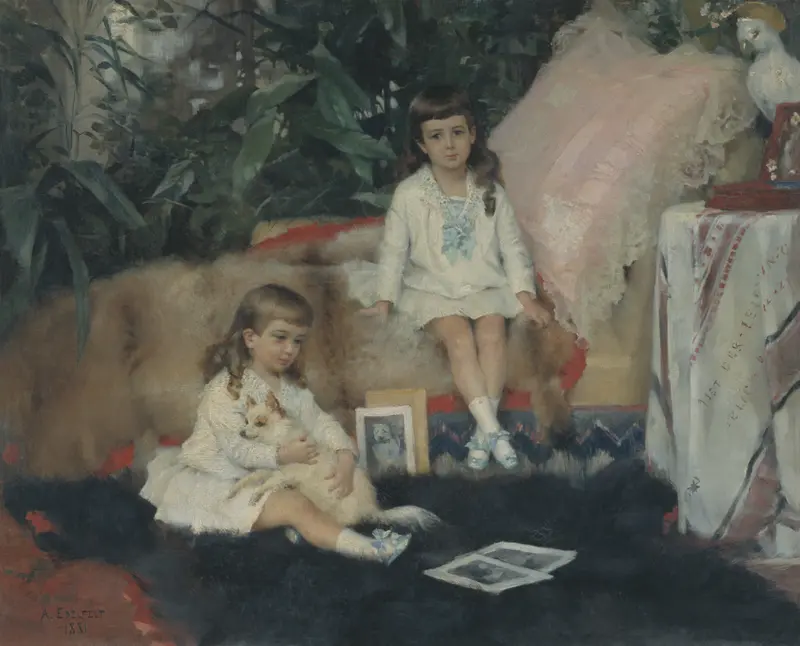
The Grand Dukes Boris and Kirill Vladimirovich as Children
Albert Edelfelt
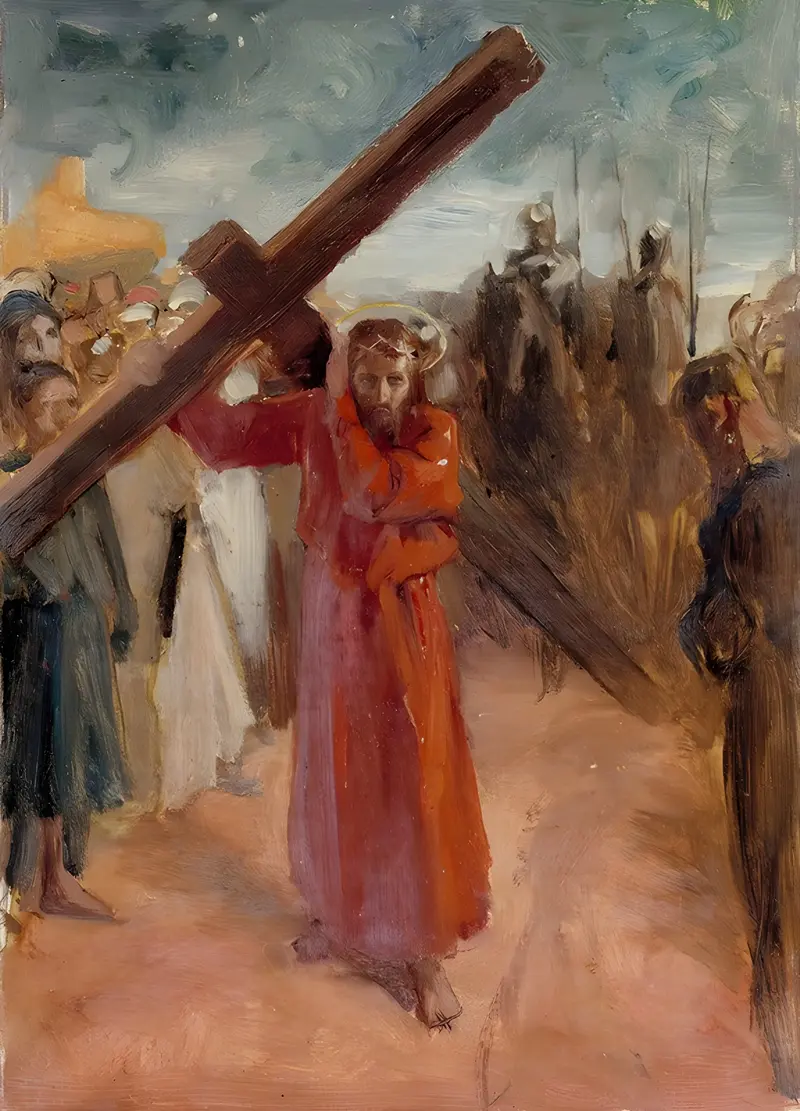
Christ Bears The Cross
Albert Edelfelt
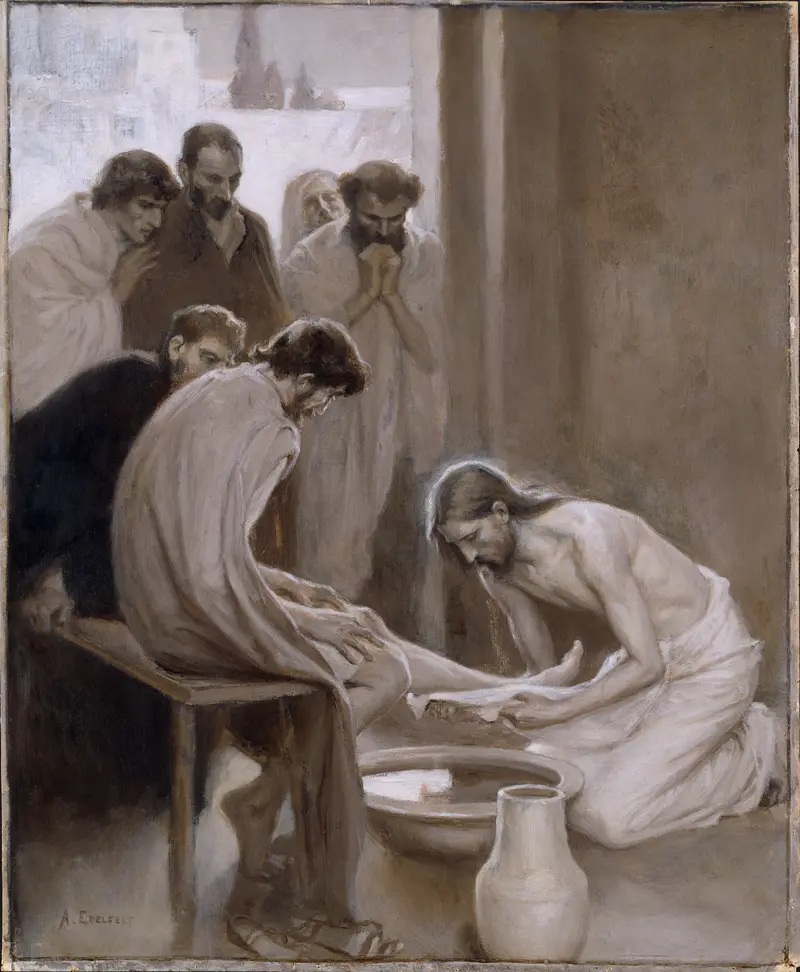
Jesus Washing the Feet of his Disciples
Albert Edelfelt

Larin Paraske with Kantele
Albert Edelfelt
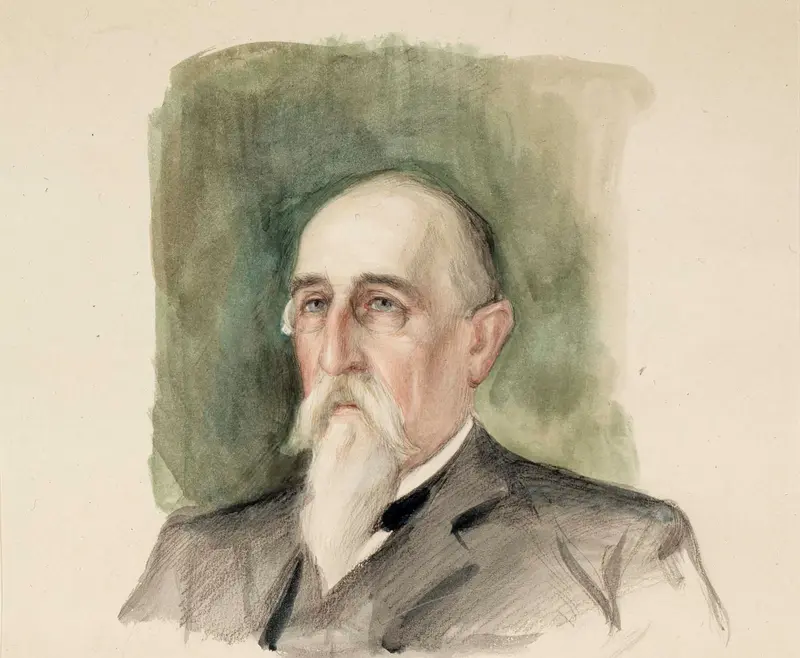
Leo Mechelin, Portrait Study
Albert Edelfelt
More Genre Scene Art

Banquet of the Officers of the St George Civic Guard
Frans Hals

Rembrandt and Saskia in the Scene of the Prodigal Son
Rembrandt van Rijn

Bal du moulin de la Galette
Pierre-Auguste Renoir

Quadrille at the Moulin Rouge
Henri de Toulouse-Lautrec

A Burial at Ornans
Gustave Courbet

When Will You Marry?
Paul Gauguin