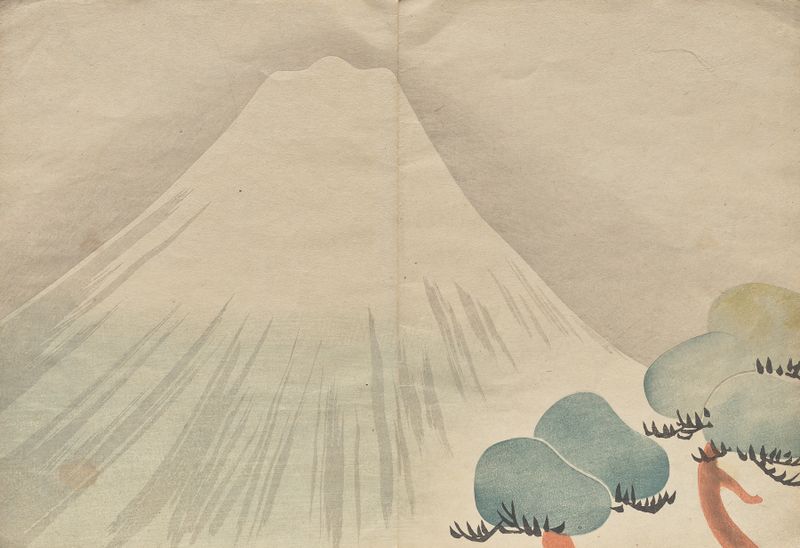
Kōrin gafu, Pl.13 — History & Facts
In the delicate brushstrokes of this work, destiny intertwines with memory, capturing fleeting moments that resonate across generations. Look closely at the intricate details of the composition, where ethereal landscapes meet the soft curves of flora and fauna. Notice how the delicate lines create a rhythm that invites the eye to dance across the canvas, while the muted palette evokes a sense of nostalgia. The balance between light and shadow breathes life into each element, compelling viewers to explore the hidden layers of beauty and meaning nestled within the scene. Beneath the surface, this artwork reflects the tension between tradition and change.
The precise representation of nature speaks to a reverence for the past, while the gentle abstraction hints at the inevitable evolution of art and identity. Each stroke carries the weight of history, suggesting the fragility of existence and the unyielding passage of time, as if to remind us that our destinies are interwoven with those who came before us. Nakamura created this piece between 1868 and 1912, a period marked by Japan's rapid transformation during the Meiji Restoration. As a pivotal artist of the Nihonga style, he sought to merge traditional techniques with contemporary influences.
The world around him was shifting dramatically, yet he remained anchored in the rich cultural heritage of his homeland, painting works that echoed the enduring spirit of a past that whispers through the present.