
The Kōrin Picture Book Pl.28 — History & Facts
The shimmering patterns dance across the surface, each stroke both captivating and unsettling, beckoning the viewer closer only to pull them into the depths of their own unease. Look to the upper left, where vibrant gold leaf gleams against the cool blues and subtle earth tones, creating a striking contrast that draws the eye. Notice how the delicate florals intertwine, their chaotic elegance expressing a tension that speaks to both life and decay. The meticulous detailing and the rich colors evoke a sense of longing, as if the beauty celebrated here is overshadowed by an underlying fear of transience and loss. Delve deeper into the imagery, and you’ll uncover hidden narratives—a fleeting butterfly, a wilting petal, the subtle turn of leaves that hint at the inevitable passage of time.
Each element serves as a reminder that beauty does not exist in a vacuum; it often coexists with melancholy and dread. This intricate interplay invites a profound contemplation of existence, questioning whether the allure of such beauty masks darker realities. During the 1800s, Nakamura created this piece amidst a blossoming yet tumultuous period in Japanese art, renowned for its merging of traditional and innovative techniques. As Ukiyo-e flourished, the artist navigated both acceptance and critique, finding inspiration in the delicate balance of nature and the ephemeral beauty that surrounded him.
This painting encapsulates the artist's exploration of these themes, reflecting a world enamored with beauty while beneath it lurked an inescapable sense of fear.
More Artworks by Hōchū Nakamura
Browse all →
More Illustration Art
Browse all →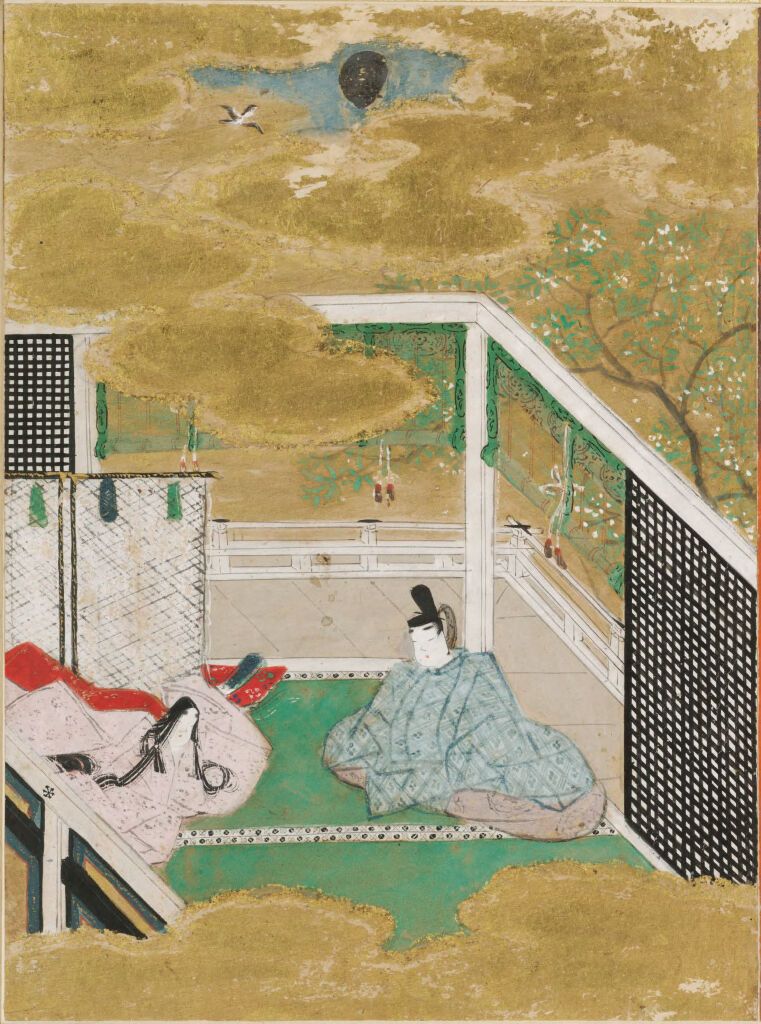
Falling Flowers (Hanachirusato), Illustration to Chapter 11 of the Tale of Genji (Genji monogatari)
Tosa Mitsunobu
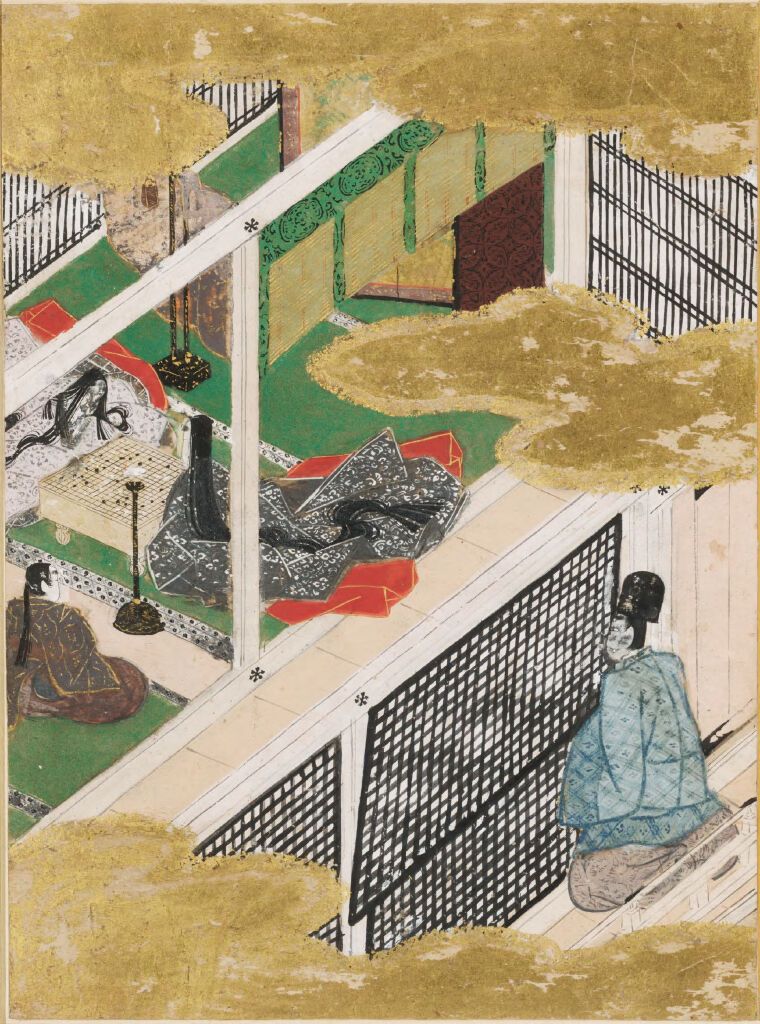
The Cicada Shell (Utsusemi), Illustration to Chapter 3 of the Tale of Genji (Genji monogatari)
Tosa Mitsunobu
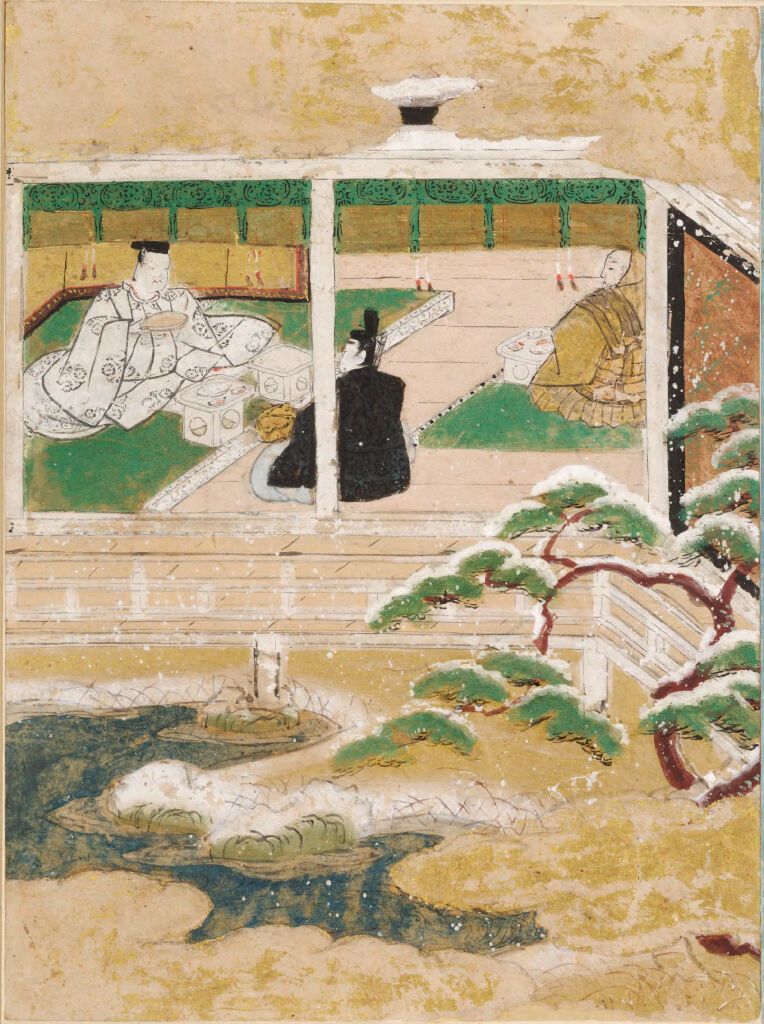
The Seer (Maboroshi), Illustration to Chapter 41 of the Tale of Genji (Genji monogatari)
Tosa Mitsunobu
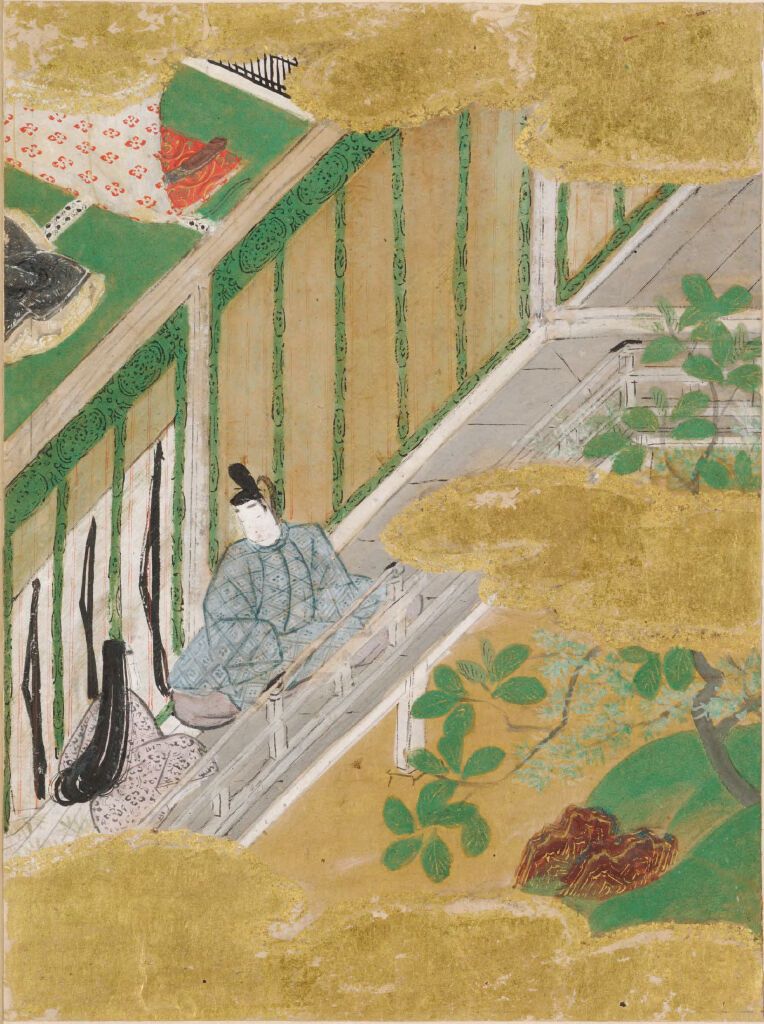
The Oak Tree (Kashiwagi), Illustration to Chapter 36 of the Tale of Genji (Genji monogatari)
Tosa Mitsunobu
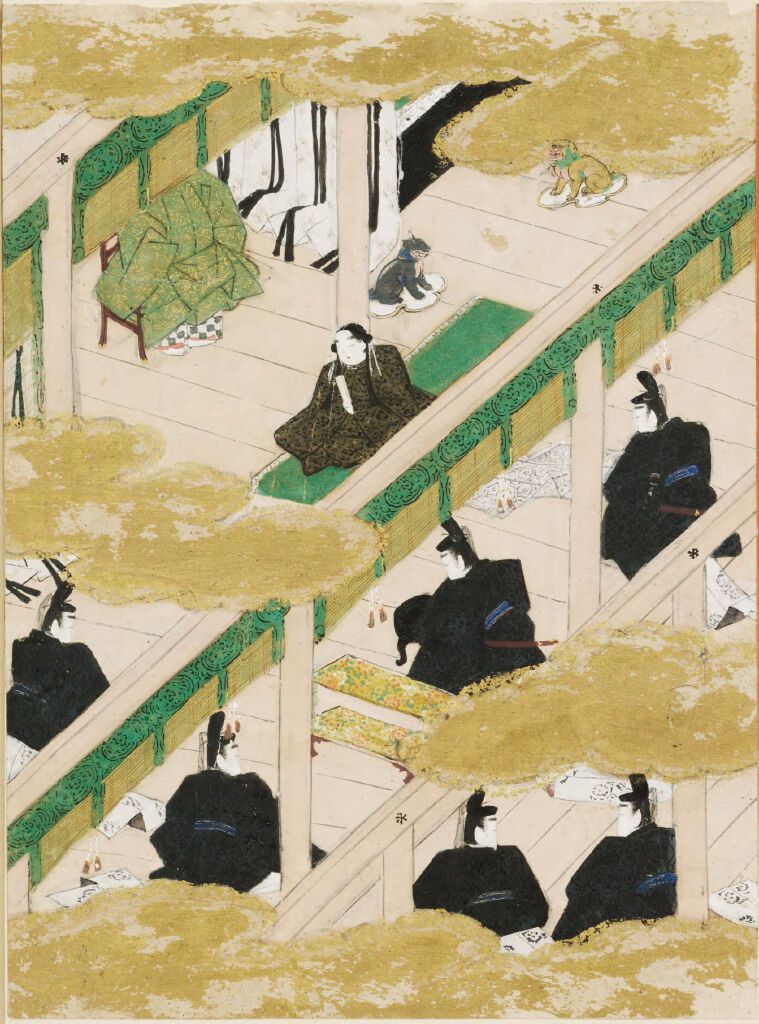
The Paulownia Pavilion (Kiritsubo), Illustration to Chapter 1 of the Tale of Genji (Genji monogatari)
Tosa Mitsunobu
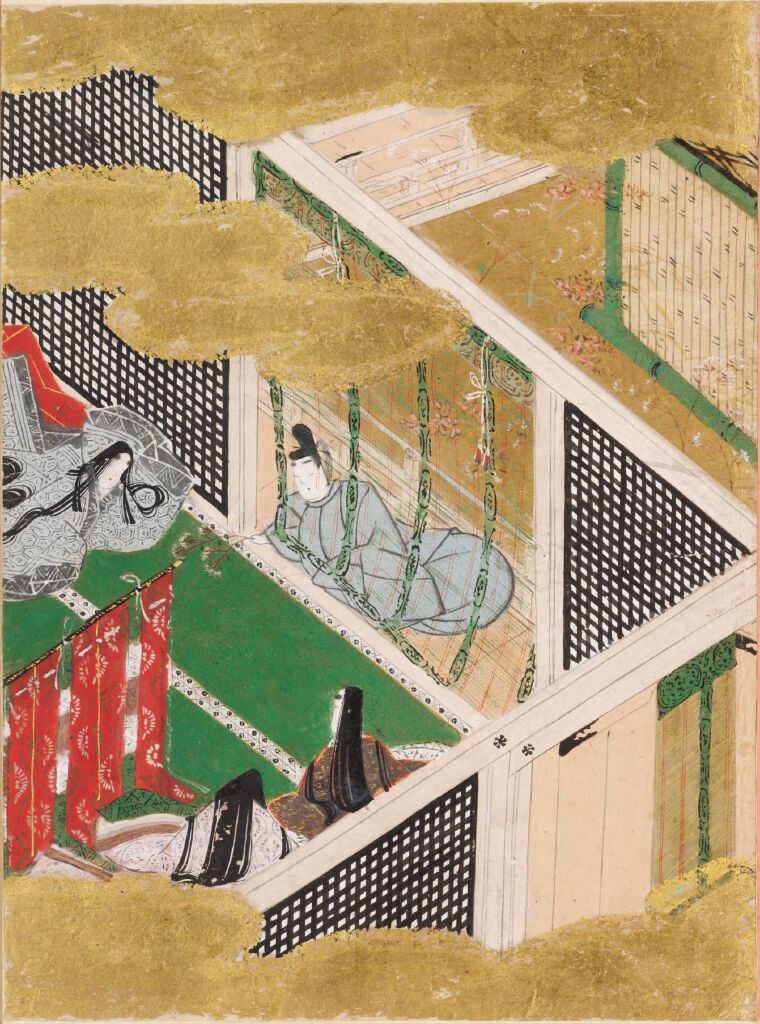
Thoroughwort Flowers (Fujibakama), Illustration to Chapter 30 of the Tale of Genji (Genji monogatari)
Tosa Mitsunobu