Kosciusko — History & Facts
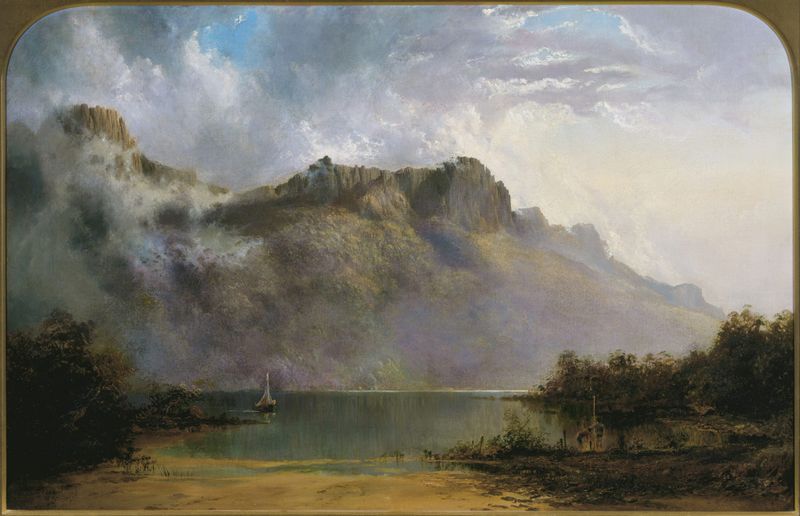
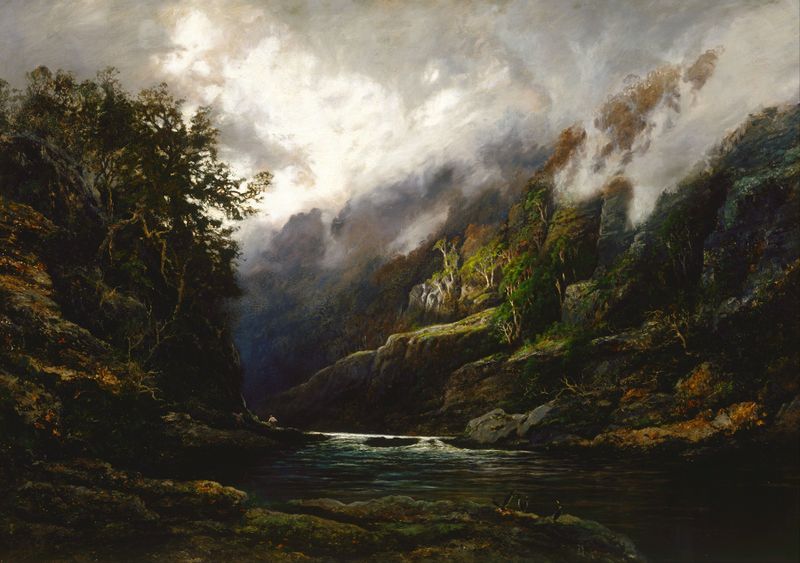
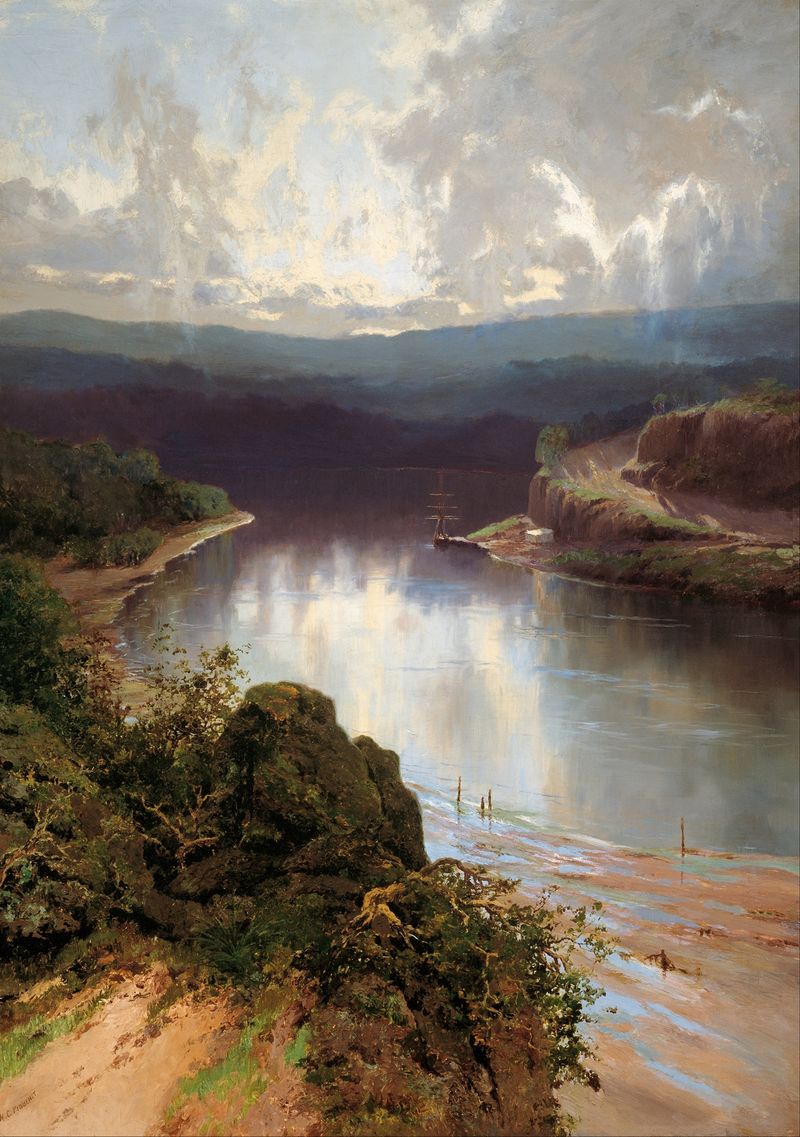
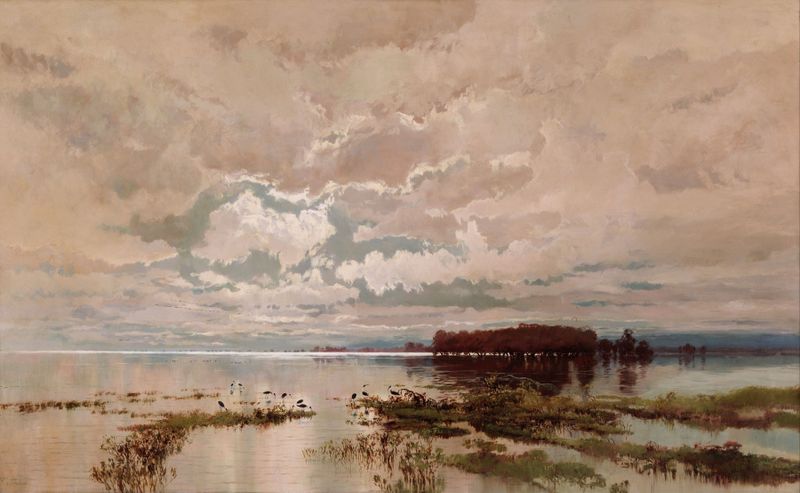
In the delicate interplay of memory and imagination, a dreamscape emerges, holding whispers of forgotten realms and lost moments. Focus on the gentle curves of the landscape, where soft greens and tranquil blues blend seamlessly, inviting the viewer to wander through a serene wilderness. Notice how the foreground blossoms with vibrant wildflowers, their colors pulsating against the cool shadows that stretch from the distant hills. The composition draws the eye upward, where the sky swirls with ethereal clouds, suggesting a moment suspended between reality and the heart's deepest yearnings. Beneath the beauty lies a poignant contrast: the fleeting nature of dreams set against the enduring strength of the mountains.
The flowers, in their temporary bloom, evoke the transience of life's joys, while the steadfast peaks stand as guardians of timelessness. This tension breathes life into the painting, urging the viewer to reflect on their own dreams and the passage of time, where memories linger like the fading light of dusk. In 1903, William Charles Piguenit created this evocative piece during a period marked by the rise of Australian nationalism and a burgeoning appreciation for the natural beauty of his homeland. Amidst the vibrant artistic movements, he sought to capture the essence of the Australian landscape, drawing inspiration from his experiences and the emotional depth that such scenes could evoke.