
Kōshi no tsuki — History & Facts
In Kōshi no tsuki, we see a serene night scene illuminated by the moon. The colors are predominantly deep blues and silvery whites, creating a tranquil atmosphere. Figures are depicted in traditional clothing, engaged in quiet activities under the moonlight.
The setting is a typical Japanese landscape, with trees and distant hills enhancing the peaceful feeling. The print is a fine example of Ukiyo-e, a genre of Japanese woodblock printing. Yoshitoshi's attention to detail is evident in the intricate patterns of the clothing and the delicate rendering of the moonlight. The use of color and line work reflects the technical skill of the artist.
This piece showcases the traditional techniques of woodblock printing that were popular during the Edo period. Tsukioka Yoshitoshi was one of the last great masters of Ukiyo-e, and he created Kōshi no tsuki during a time of significant change in Japan. This work is notable for its emotional depth and the way it captures the beauty of the night. Yoshitoshi often drew inspiration from historical events and legends, blending them with his unique style.
An interesting fact about this piece is its reflection of the transitional period in Japanese art, moving from traditional to modern influences.
More Artworks by Tsukioka Yoshitoshi

Frost fills the air and the autumn air is still/lines of returning geese cross the moon in the third hour-Kenshin, from the series Twelve Aspects of the Moon
Tsukioka Yoshitoshi
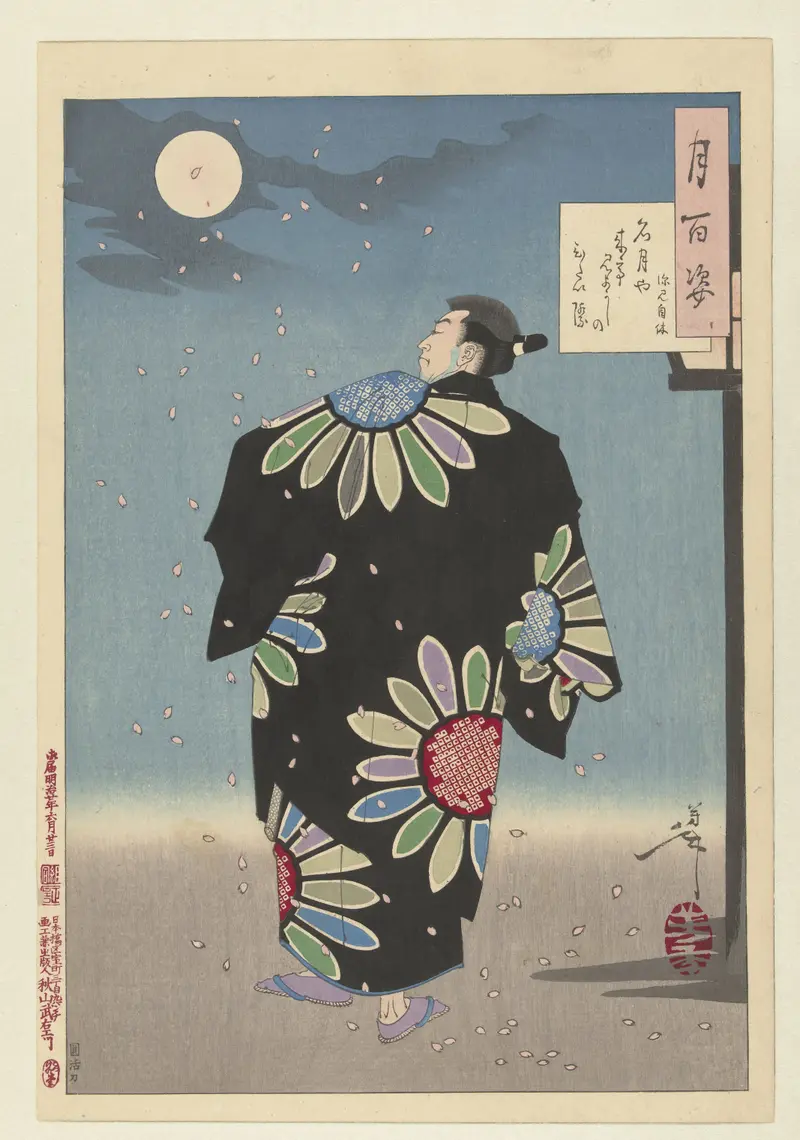
Fukami Jikyu in maanlicht
Tsukioka Yoshitoshi
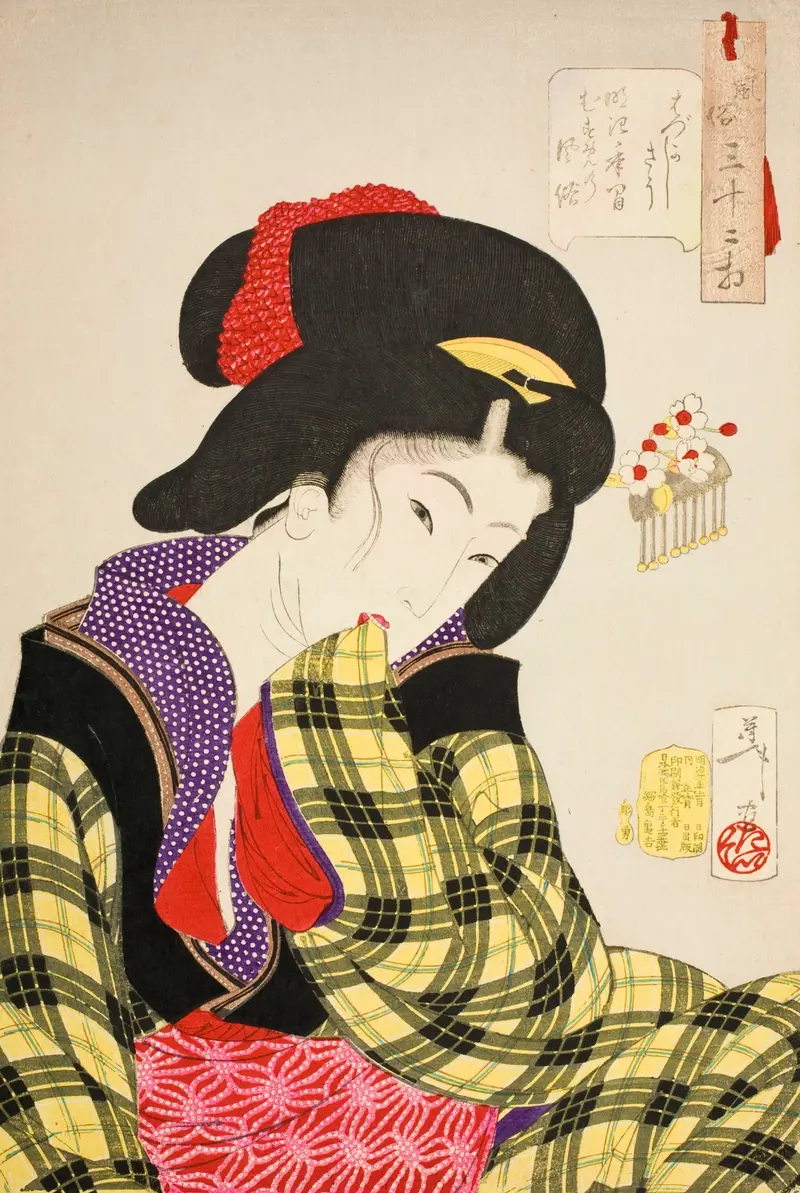
Looking Shy; The Manners of a Young Girl of the Meiji Era
Tsukioka Yoshitoshi
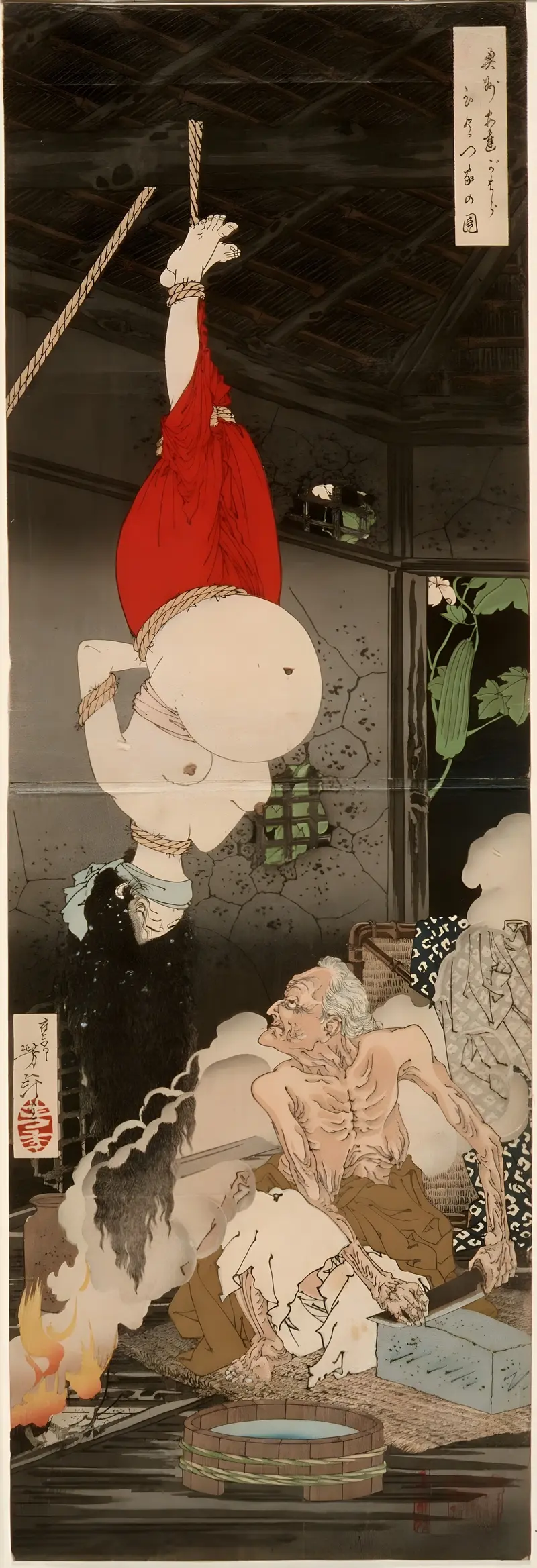
The Lonely House on Adachi Moor in Northern Japan
Tsukioka Yoshitoshi
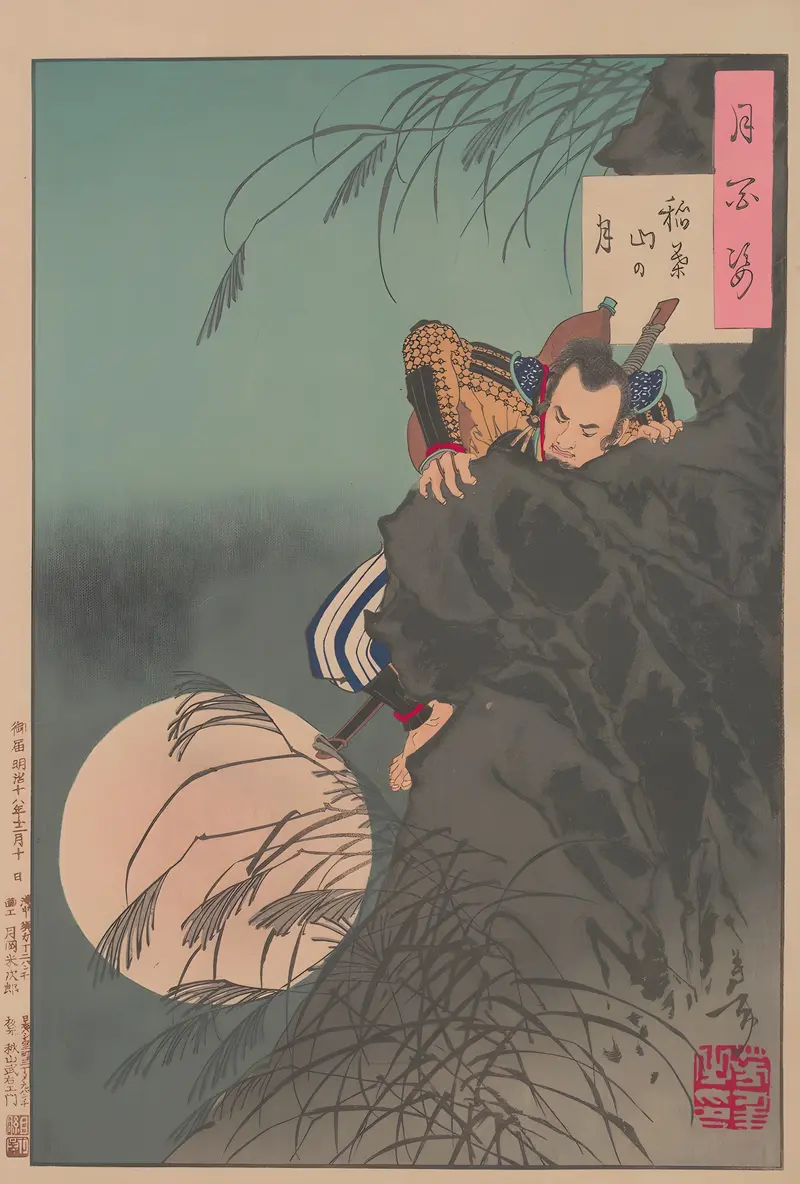
Inaba Mountain moon (Inabayama no tsuki)
Tsukioka Yoshitoshi
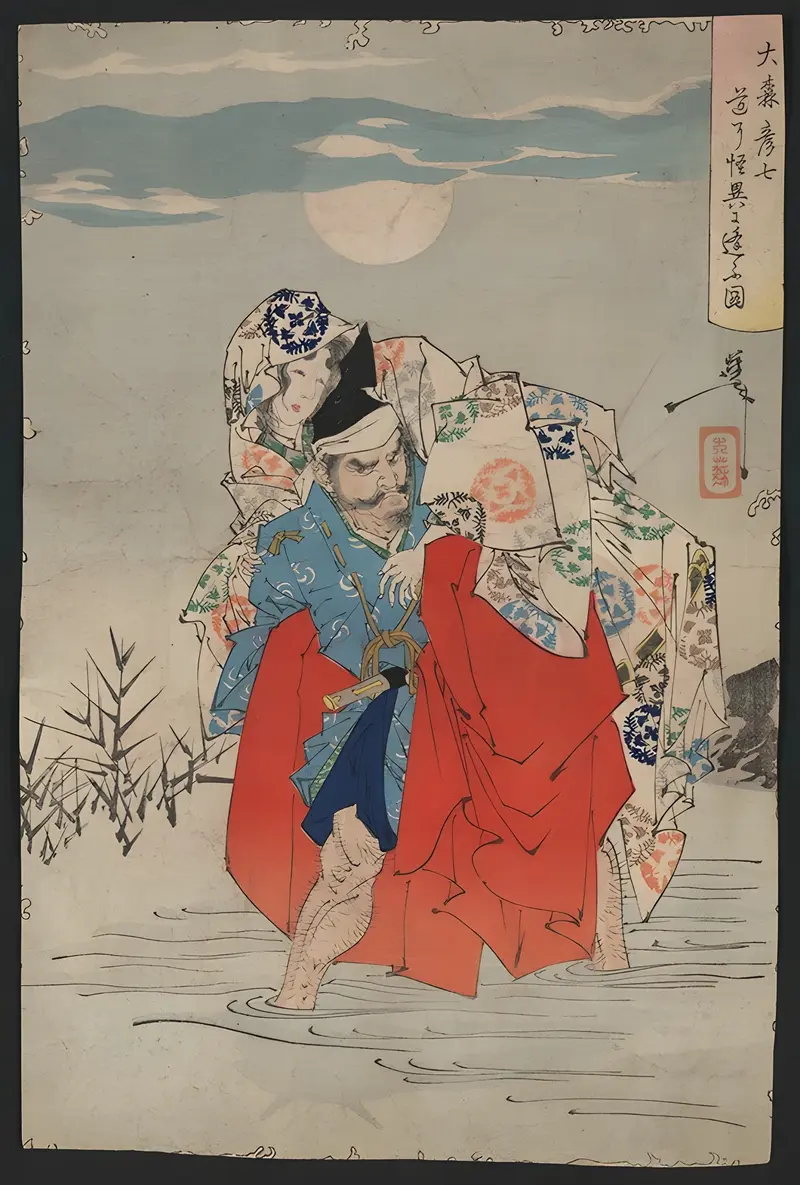
Omori Hikoshichi
Tsukioka Yoshitoshi
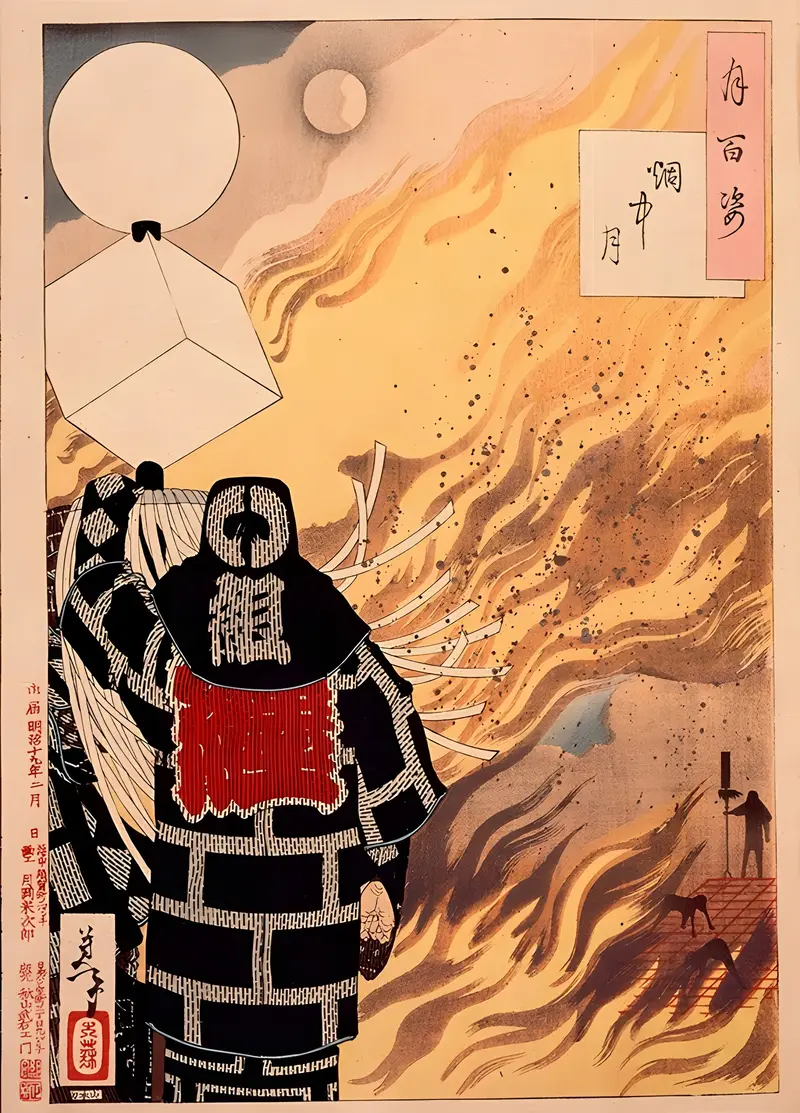
One Hundred Aspects of the Moon
Tsukioka Yoshitoshi
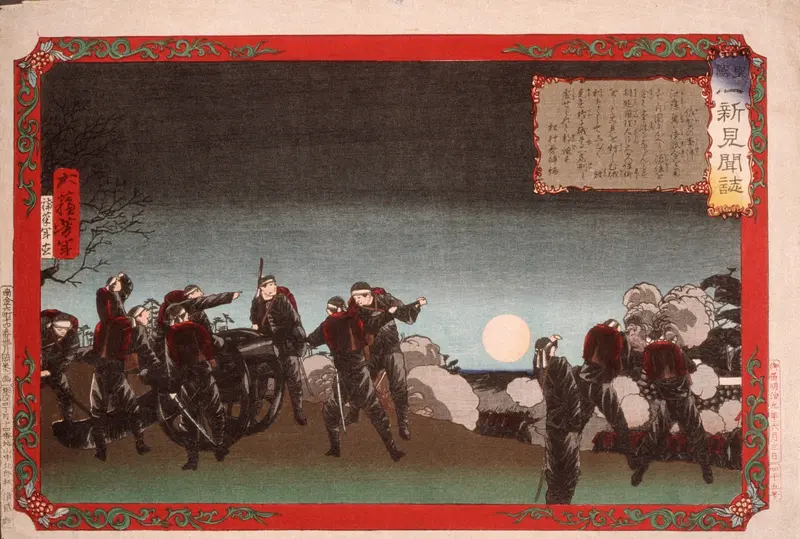
The Saga Incident
Tsukioka Yoshitoshi
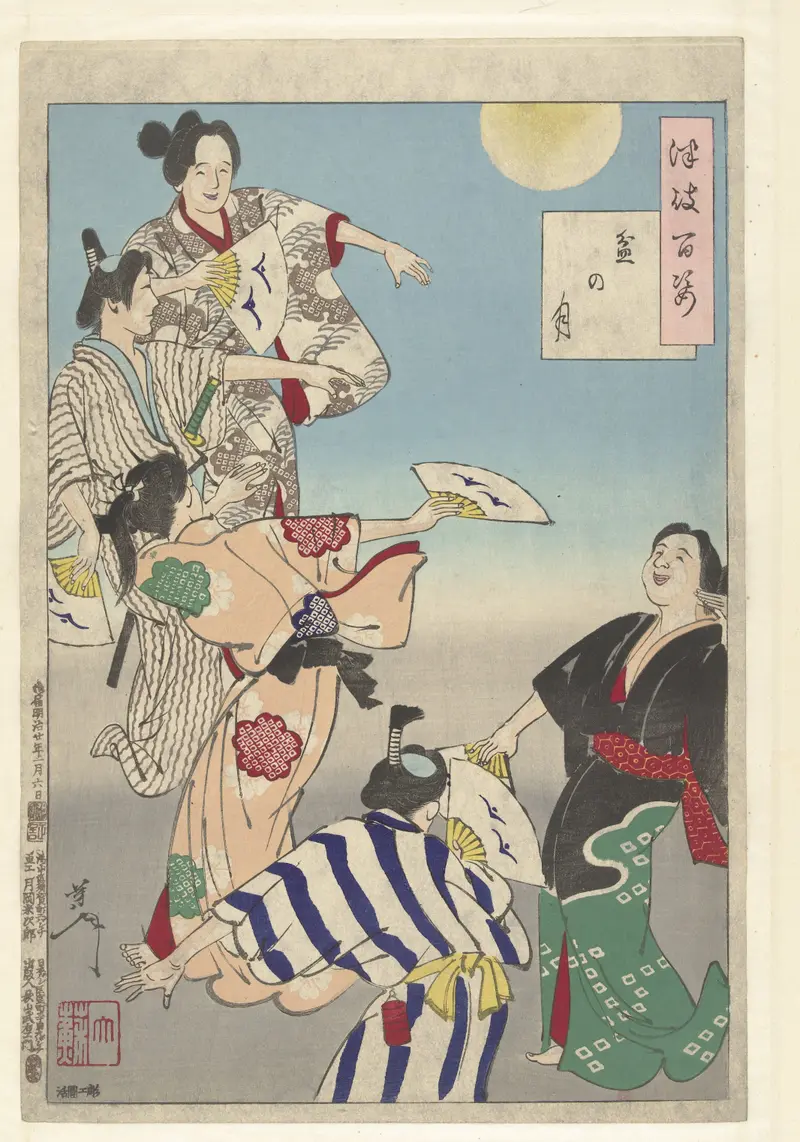
Bon Festival Moon (Bon no tsuki)
Tsukioka Yoshitoshi
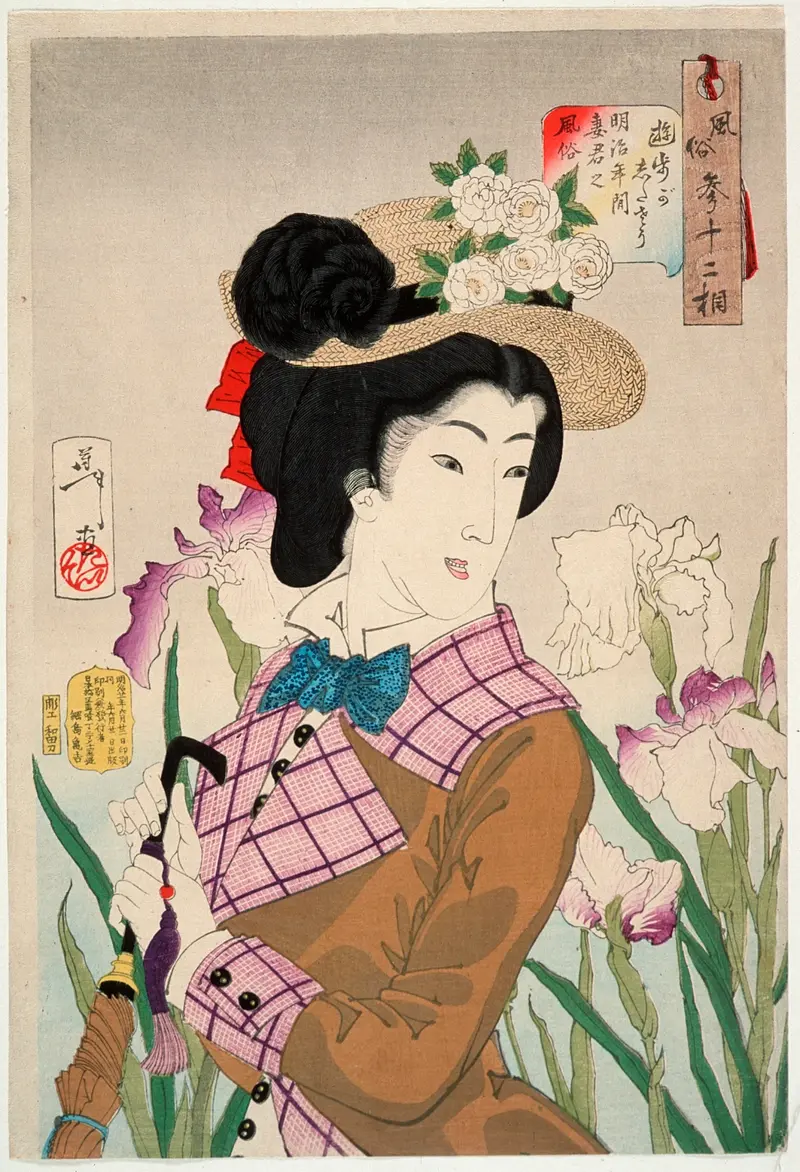
Preparing to Take a Stroll; The Wife of a Nobleman of the Meiji Period
Tsukioka Yoshitoshi



