Krajina — History & Facts
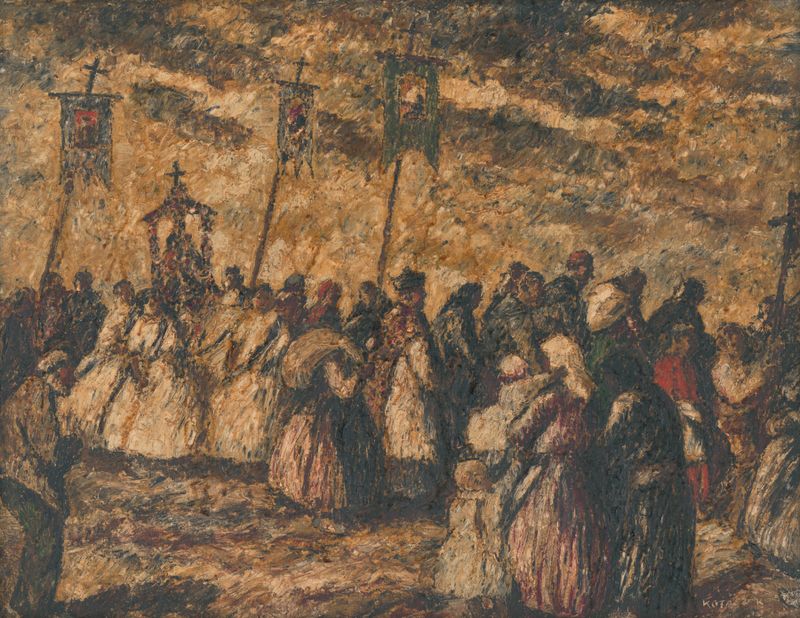
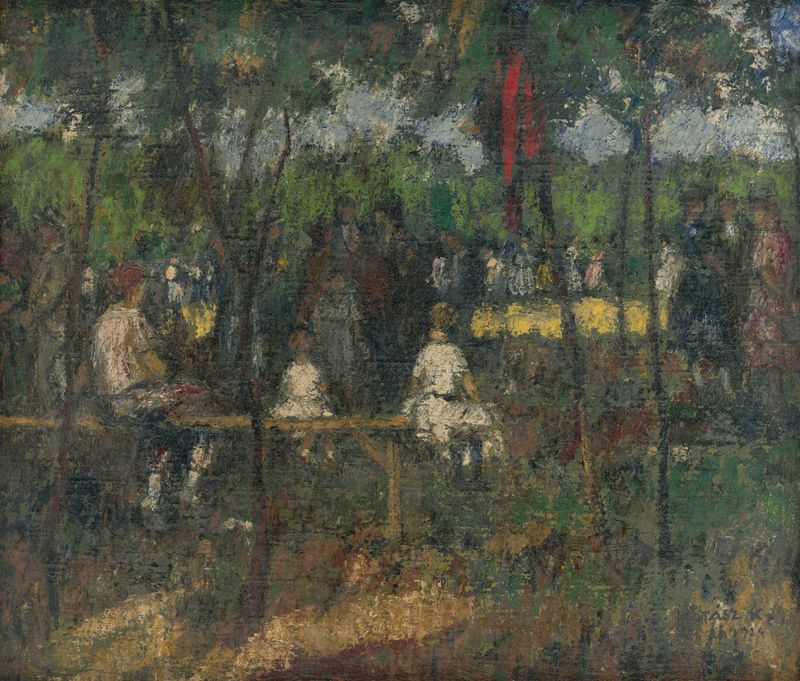
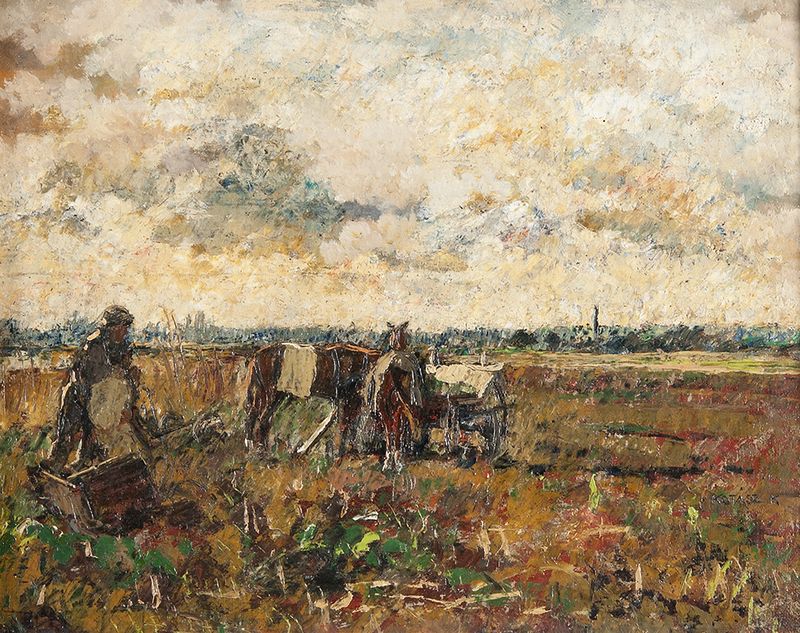
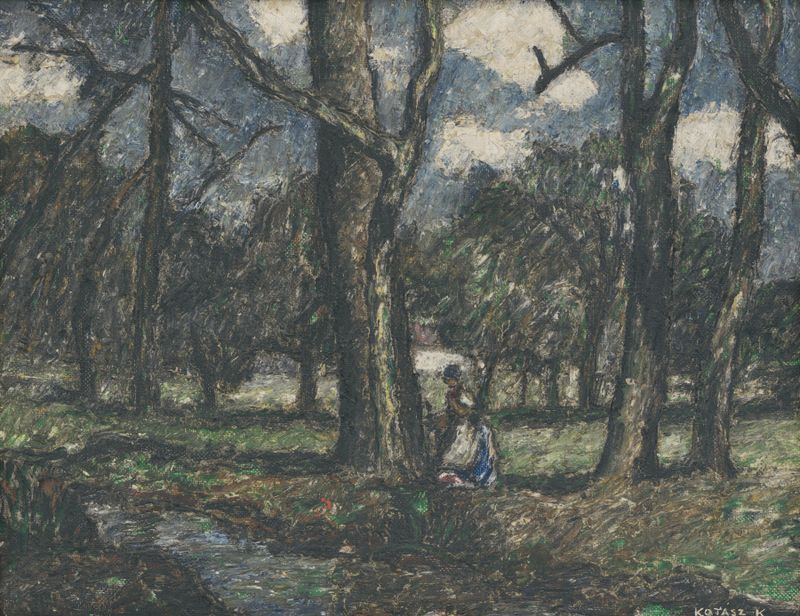
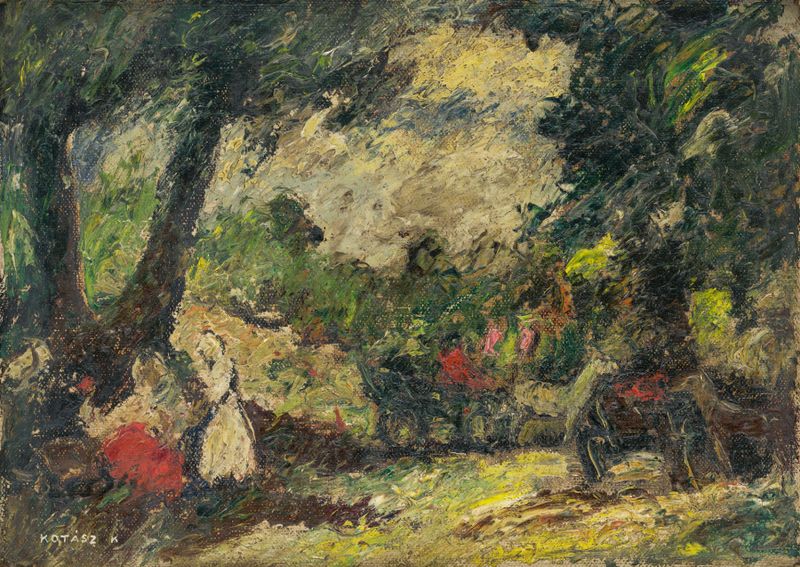
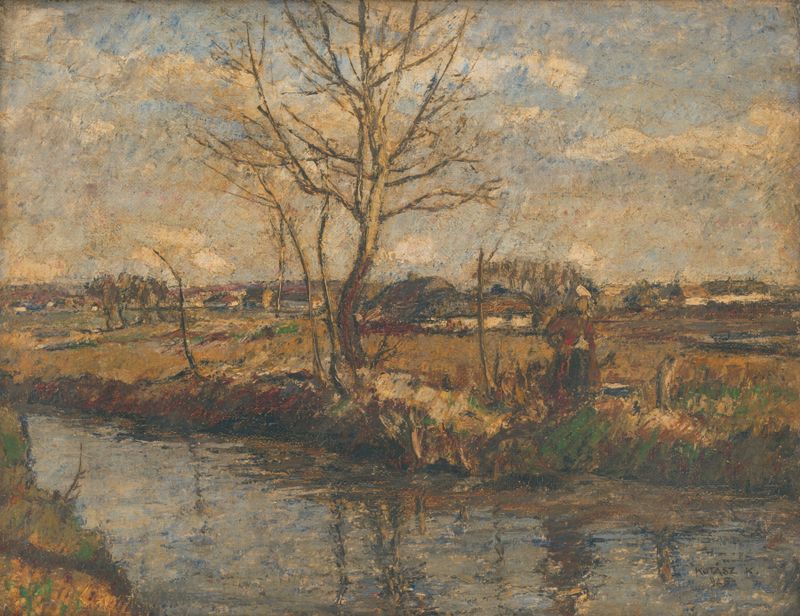
Could a single brushstroke hold eternity? In Krajina, the essence of movement is captured so eloquently that one might feel the landscapes whispering their stories through the canvas. Look to the left, where undulating hills converge in a soft embrace, the gentle strokes of green and gold evoking a sense of rolling life. Notice how the light plays across the landscape, illuminating the contours with a warm glow that creates depth and rhythm. The palette shifts from vibrant to muted, guiding the eye across the work like a breeze rustling through fields, inviting the viewer to explore every nuance of texture and color. Within the tranquil beauty lies an undercurrent of tension; the juxtaposition of stillness and motion suggests the balance of nature's cycles.
The fluidity of the brushstrokes hints at the fleeting moments that exist between dawn and dusk, between awakening and slumber. Here, the artist encapsulates not only the physical landscape but the emotional terrain that weaves through human experience, reflecting our own journeys through time and space. Created between 1915 and 1925, this piece emerged during a transformative period in Károly Kotász's life. Living in Hungary amidst the upheaval following World War I, he sought solace in the beauty of his homeland.
While the world of art was shifting towards abstraction, Kotász remained rooted in representation, using his craft to express the profound connection between nature and human emotion, a poignant testament to his era.