Majáles (Festival) — History & Facts
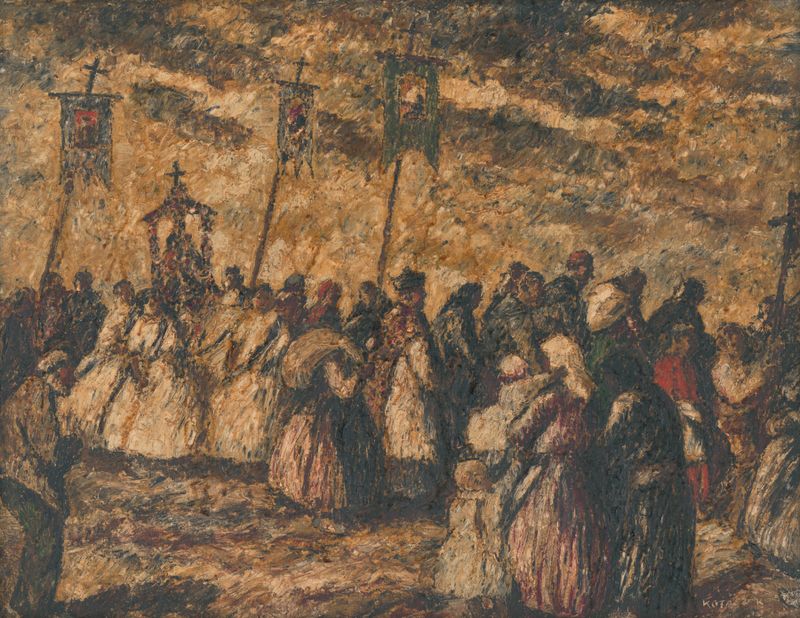
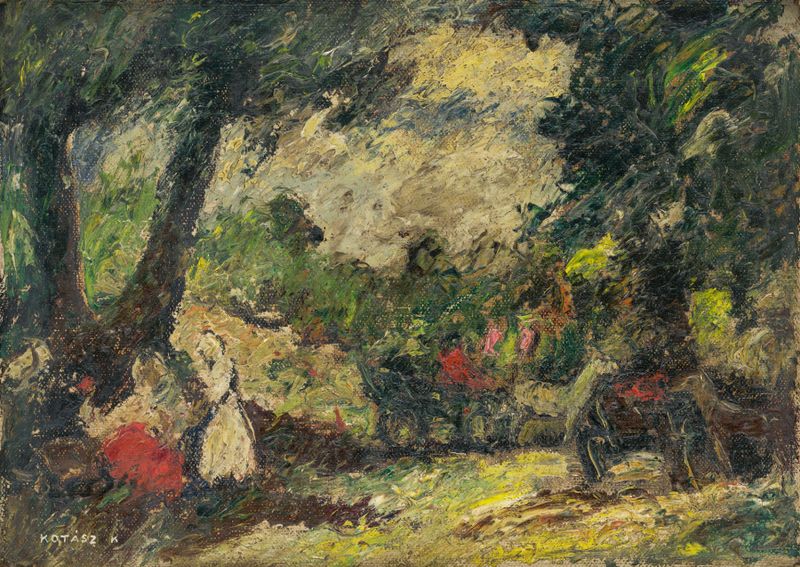
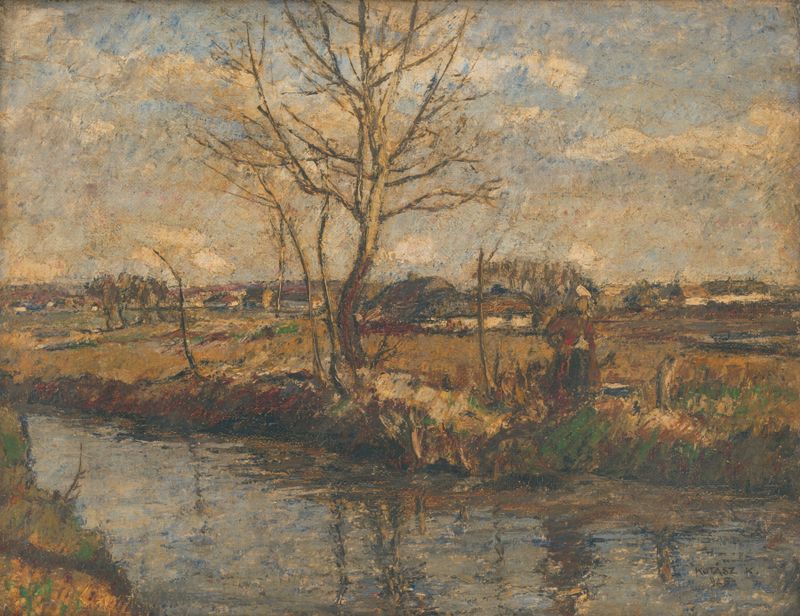
Could beauty survive in a century of chaos? Amidst the turbulence of the early twentieth century, a vivid tapestry of transformation unfurls in the hands of a masterful artist. Look to the center, where vibrant colors collide in a celebration of life and movement. The figures dance with abandon, their limbs outstretched in joyous abandon, as the sun bathes them in a warm golden light. Notice the fluid brushstrokes that lend an air of motion, capturing the essence of a festival where time seems suspended.
Each hue pulses with energy, from the deep blues of twilight to the fiery oranges and reds that evoke passion and exhilaration. Within this exuberant scene lies a contrast between the chaos of the world outside and the sanctuary of joy represented here. The celebration becomes a metaphor for resilience, a reminder that even in turbulent times, beauty and community can thrive. The small details—a child’s laughter, a couple in a tender embrace—speak to the intimacy that binds the crowd, suggesting that transformation can spring from unity.
Each character, though unique, contributes to an overarching harmony, reflecting the interconnectedness of humanity. In 1924, as Károly Kotász painted Majáles, he was deeply influenced by the socio-political upheavals of post-World War I Europe. Living in Hungary, he witnessed the impact of the war on society, which sparked a yearning for renewal and celebration through art. This period marked a significant shift in artistic expression, as many sought to capture the vitality of life amid the shadows of conflict, and Kotász's work encapsulates that spirit of hope and transformation beautifully.