
Kruisafneming — History & Facts
In the stillness of Kruisafneming, Dürer captures a moment suspended between despair and reverence, a poignant contemplation of mortality and the divine. The painting speaks to the decay of the physical body and the enduring nature of the spirit, inviting viewers to reflect on their own transience. Look to the center where Christ's lifeless body is cradled, draped in a rich, somber palette that contrasts beautifully with the ethereal glow emanating from the figures surrounding him. Notice how the light falls upon their faces, illuminating expressions of sorrow and reverence, while shadows linger, echoing an impending sense of loss.
The intricate details of their garments, from the deep reds and blues to the delicate folds, draw the eye and emphasize the human experience of grief, enhanced by Dürer’s meticulous line work and composition. The emotional tension is palpable, contrasting the stillness of death with the fervent gestures of the mourners. Each figure encapsulates a distinct reaction—anguish, acceptance, devotion—mirroring the multifaceted responses to tragedy. The underlying theme of decay is poignantly illustrated through the vulnerable moments captured, reminding us that beauty often coexists with sorrow.
The juxtaposition of the sacred and the temporal encourages a deeper exploration of faith and human fragility. Albrecht Dürer created Kruisafneming between 1509 and 1510 during a pivotal time in his career, marked by his dedication to merging Northern Renaissance techniques with Italian influences. Living in Nuremberg, he was profoundly impacted by the shifting religious landscape of Europe, as well as personal experiences, including the death of close friends. This period of his life was characterized by a deep interrogation of spiritual themes, ultimately shaping his artistic vision and giving rise to works that continue to resonate with profound emotional depth.
More Artworks by Albrecht Dürer
Browse all →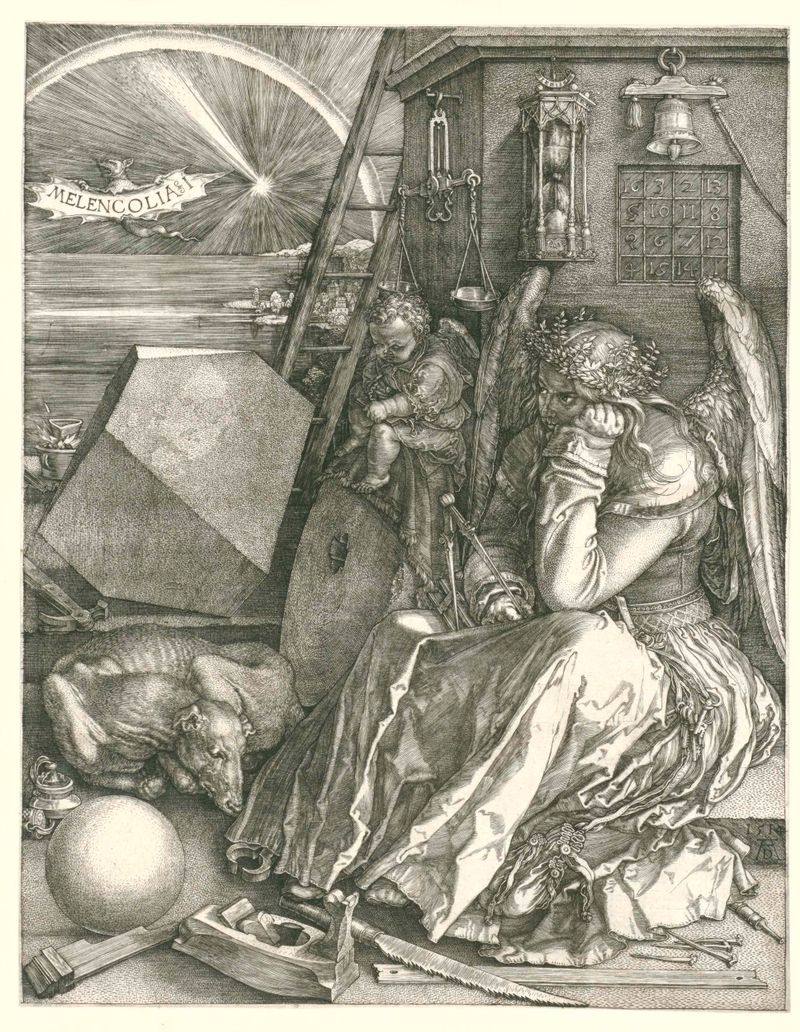
Melancholia
Albrecht Dürer
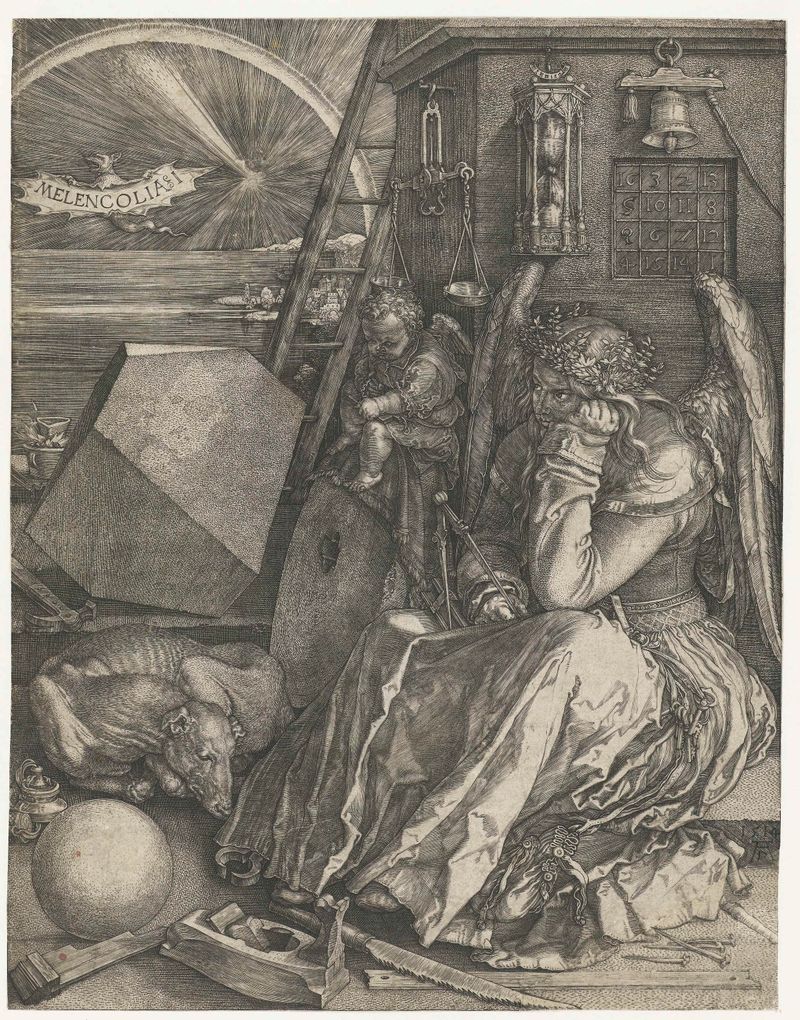
Melancholie
Albrecht Dürer
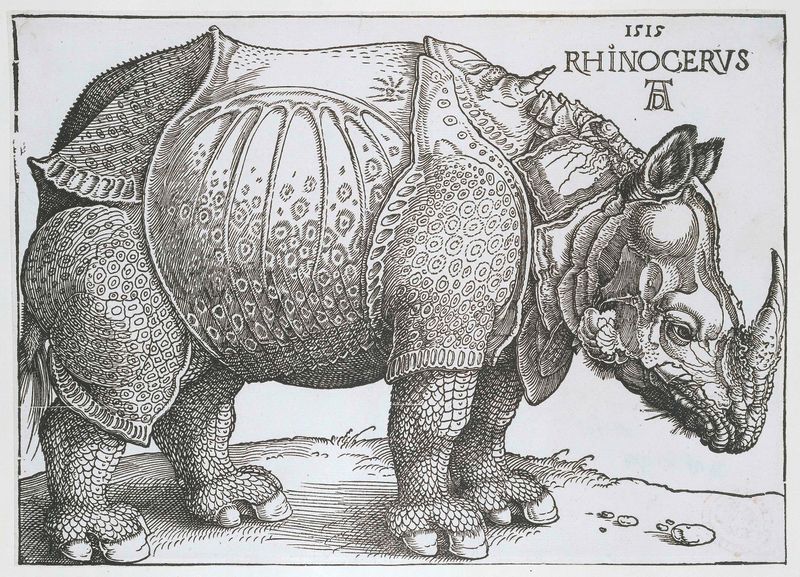
Neushoorn
Albrecht Dürer
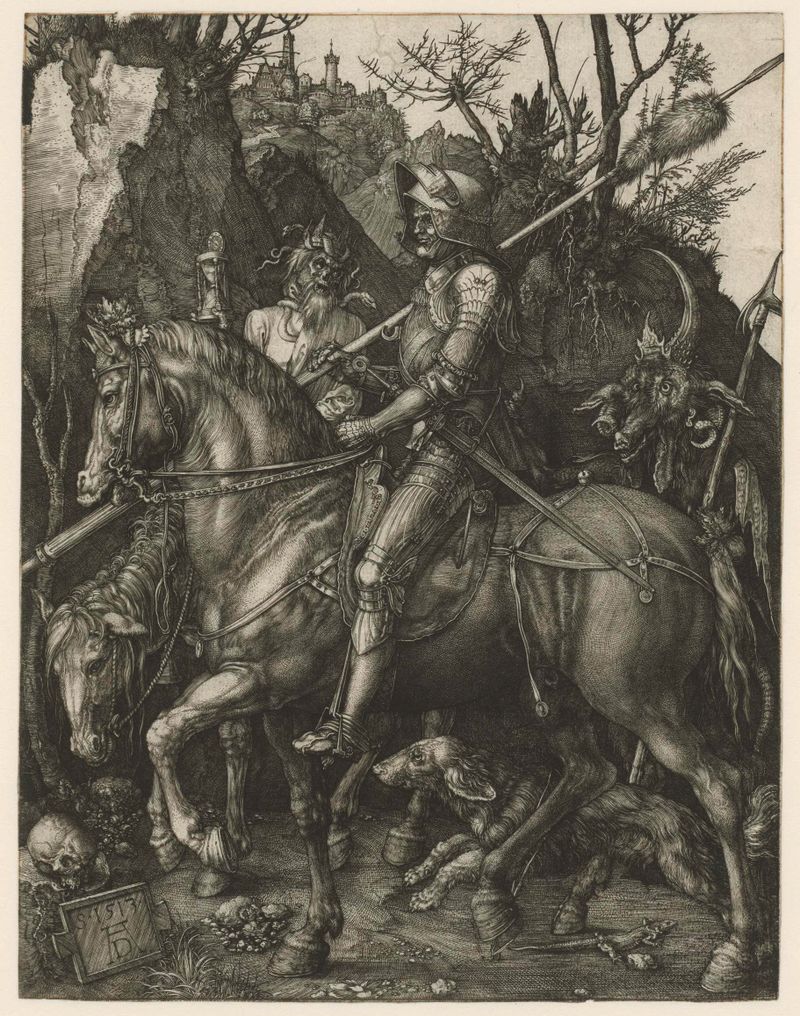
Knight, Death, and the Devil
Albrecht Dürer

De vier ruiters van de apocalyps
Albrecht Dürer

De vier ruiters van de apocalyps
Albrecht Dürer
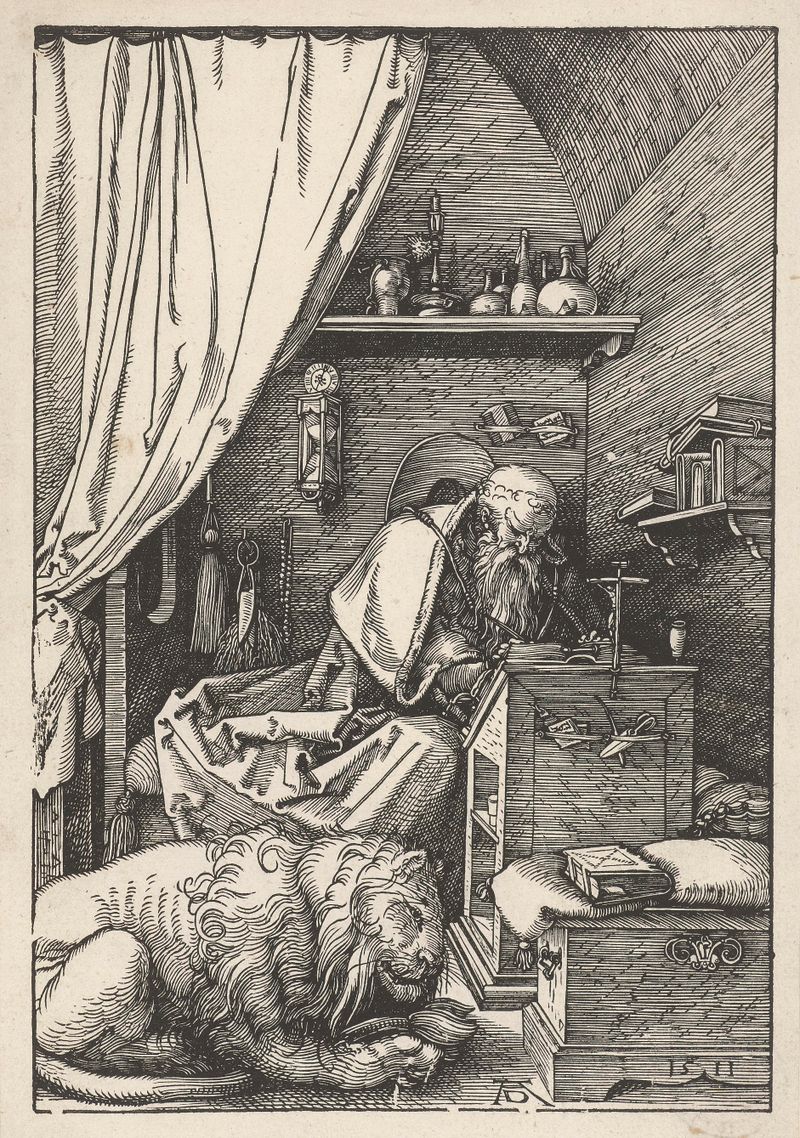
De Heilige Hiëronymus in zijn studeervertrek
Albrecht Dürer
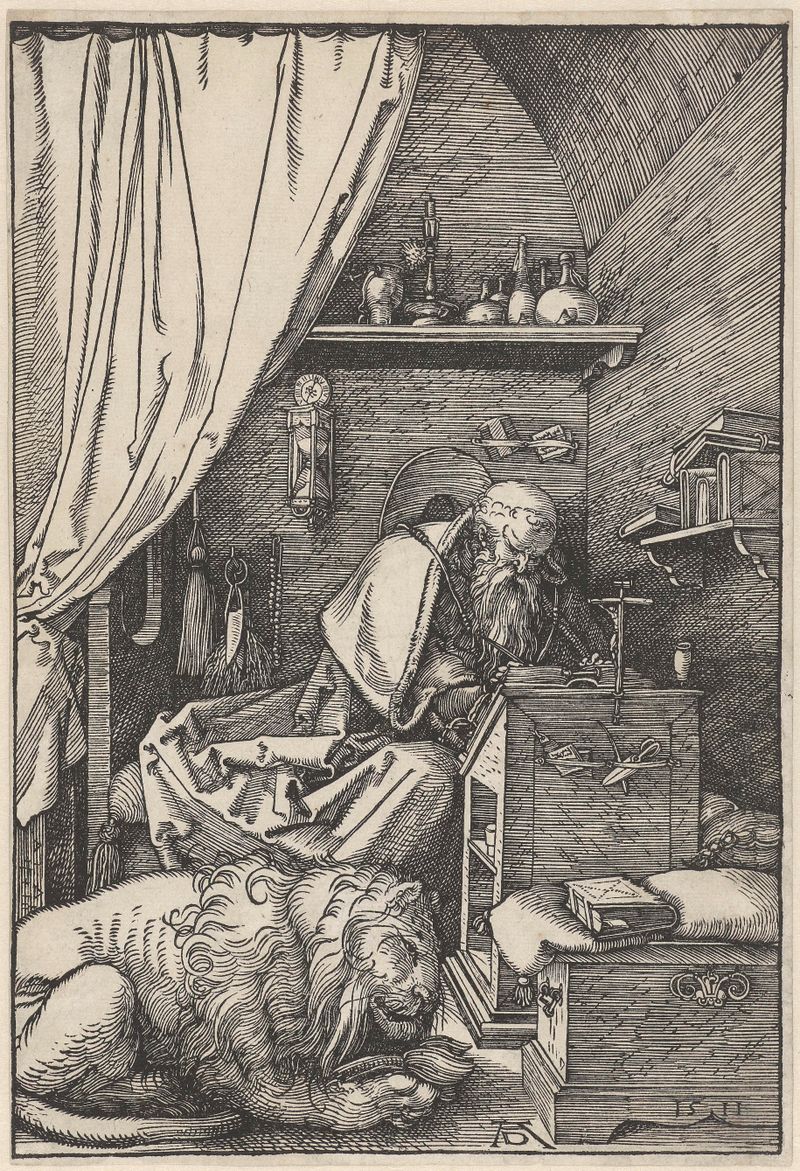
De Heilige Hiëronymus in zijn studeervertrek
Albrecht Dürer
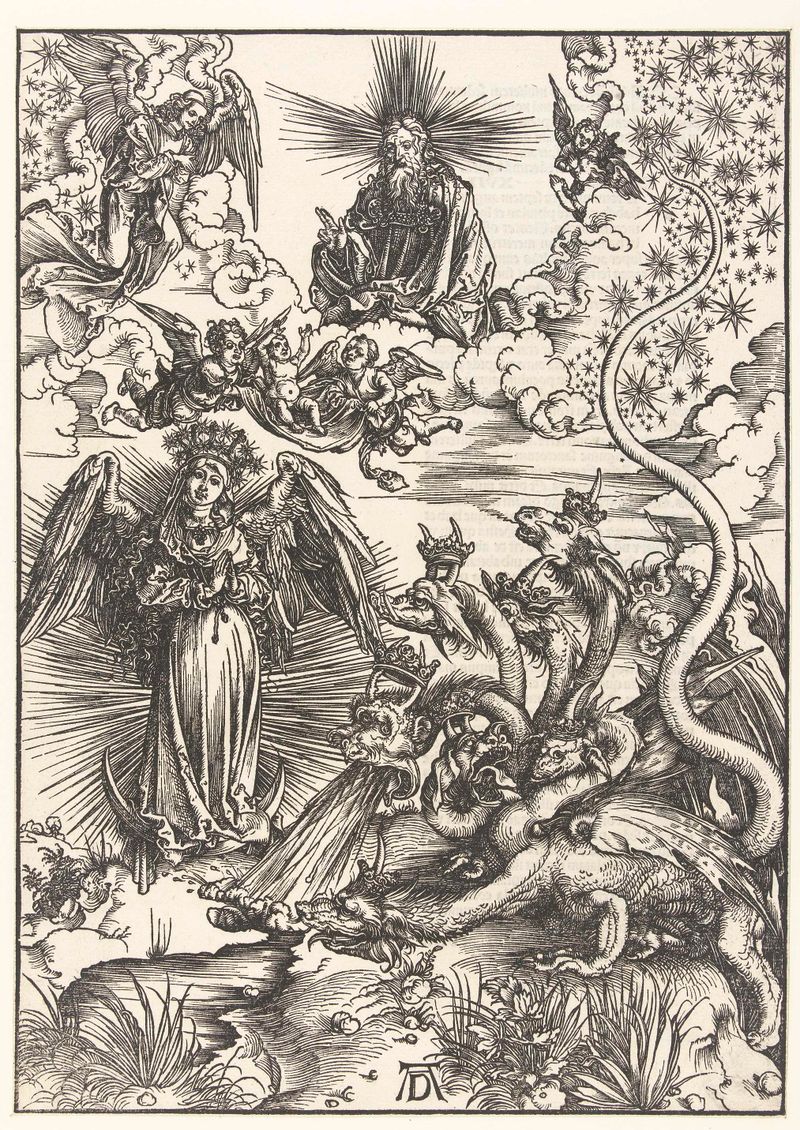
De apocalyptische vrouw en de zevenkoppige draak
Albrecht Dürer
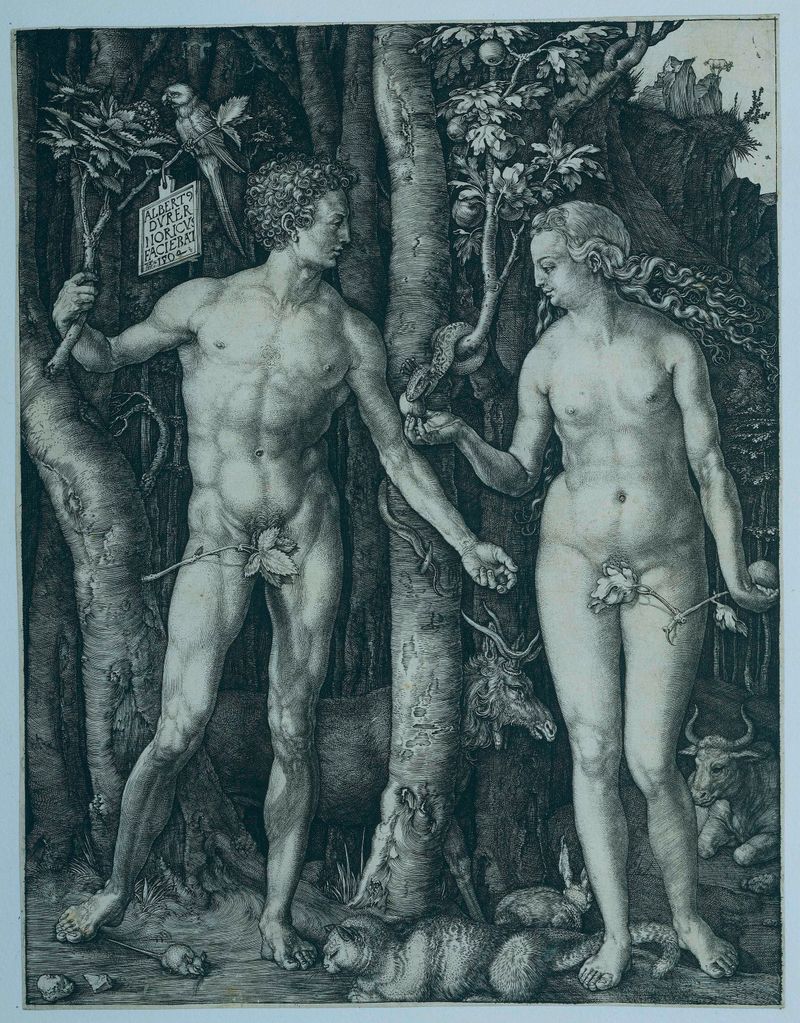
Adam en Eva
Albrecht Dürer
More Religious Art
Browse all →
The Return of the Prodigal Son
Rembrandt van Rijn

The Garden of Earthly Delights
El Bosco

Count Orgaz’ funeral
El Greco

The Hundred Guilder Print: the central piece with Christ preaching, the plate arched
Rembrandt van Rijn

The Descent from the Cross
Rogier van der Weyden

The return of the prodigal son
Rembrandt van Rijn