
Kruisdraging — History & Facts
When did color learn to lie? In the world of Kruisdraging, truth bends under the weight of a crucifix, heavy with meaning yet cloaked in vibrant hues. Focus on the central figure, the Christ bearing the cross, whose anguished expression draws the eye. Notice the contrasting colors of the garments worn by the figures surrounding Him—all in motion, yet each remains steadfast in their own purpose. The dynamic composition creates a rhythm as the crowd swells, guiding the viewer’s gaze from the somber focal point to the expressive gestures of the onlookers, revealing a visceral tension between despair and devotion. The interplay of light and shadow brings forth a complex emotional landscape, where sorrow is met with an undercurrent of hope.
The varying textures of the fabrics evoke a sense of realism that transcends the canvas, while the intense gaze of the witnesses seems to question their own faith. Each detail, from the drapery to the expressions, invites contemplation about the sacrifices made and the collective burden they share, hinting at a deeper resonance of humanity in the face of suffering. Albrecht Dürer painted Kruisdraging in the late 15th century, during a time of significant religious upheaval in Europe. His exploration of movement and emotion captured a moment that was both universal and intensely personal.
As the Northern Renaissance flourished, Dürer sought to harness the transformative power of art, reflecting the spiritual and cultural challenges of his era through meticulous craftsmanship and profound thematic depth.
More Artworks by Albrecht Dürer
Browse all →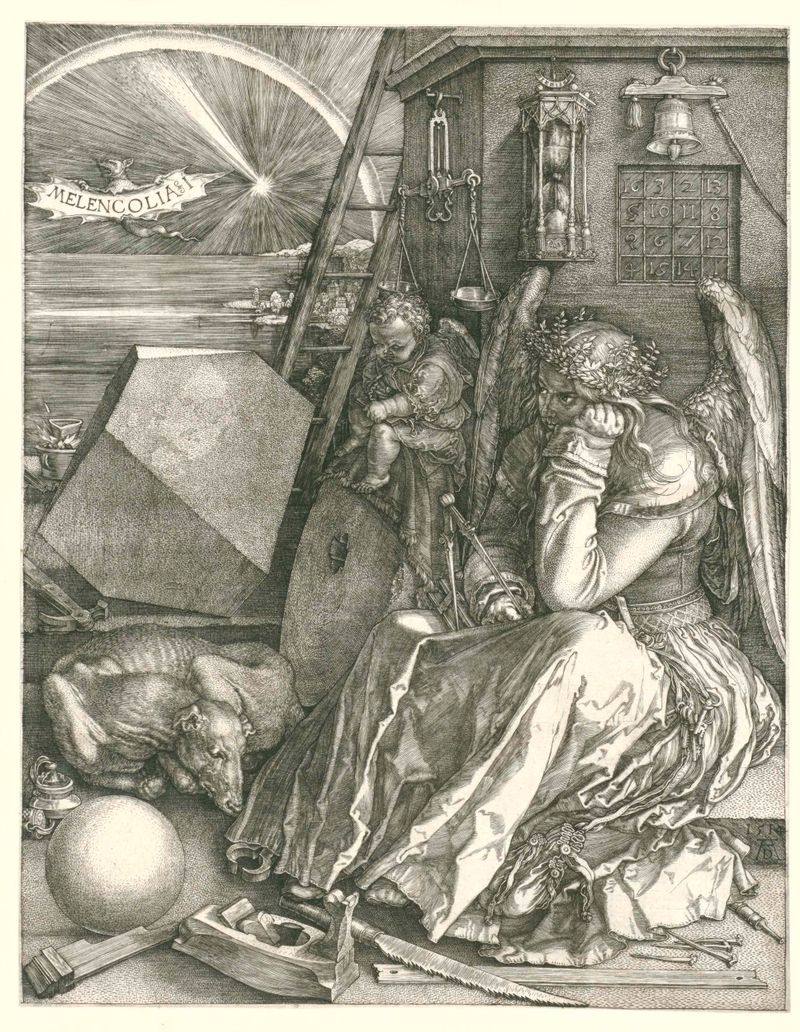
Melancholia
Albrecht Dürer
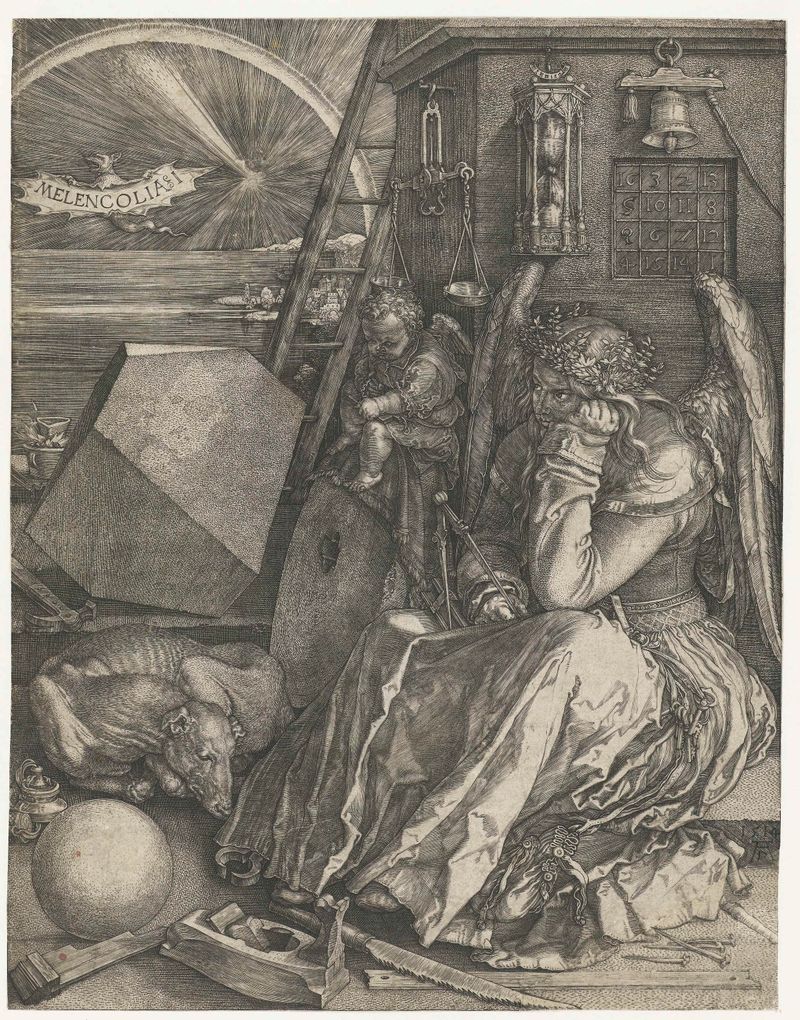
Melancholie
Albrecht Dürer
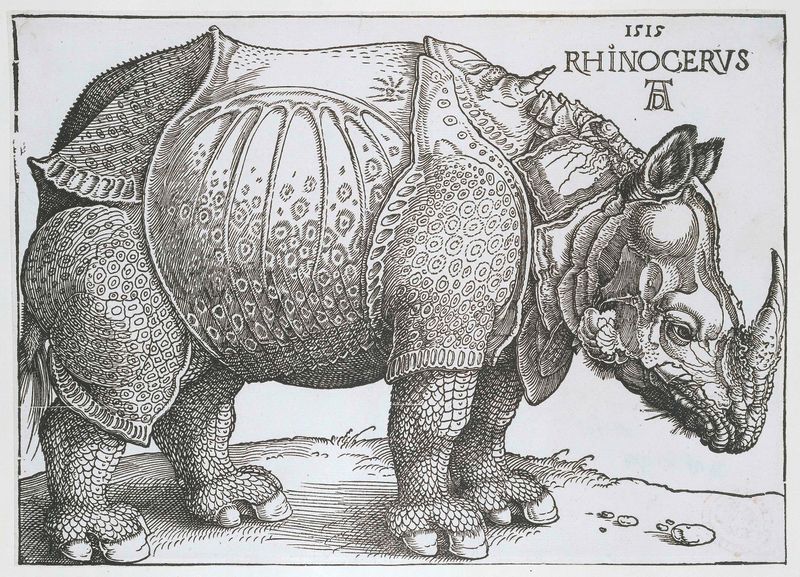
Neushoorn
Albrecht Dürer
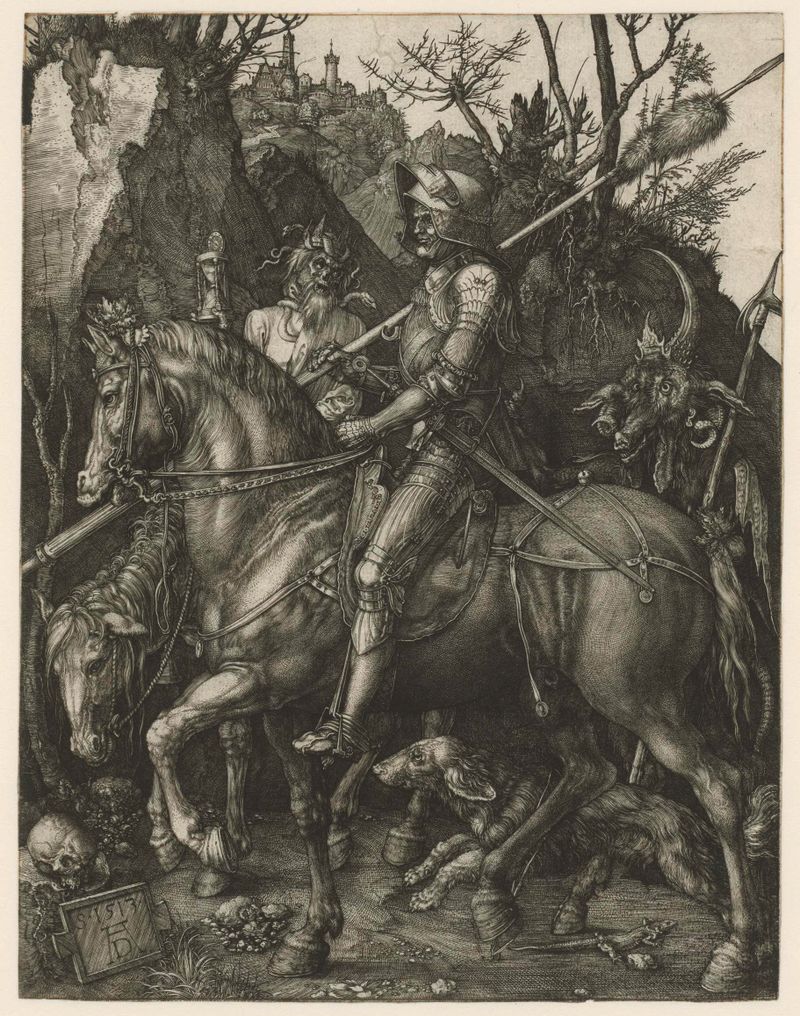
Knight, Death, and the Devil
Albrecht Dürer

De vier ruiters van de apocalyps
Albrecht Dürer

De vier ruiters van de apocalyps
Albrecht Dürer
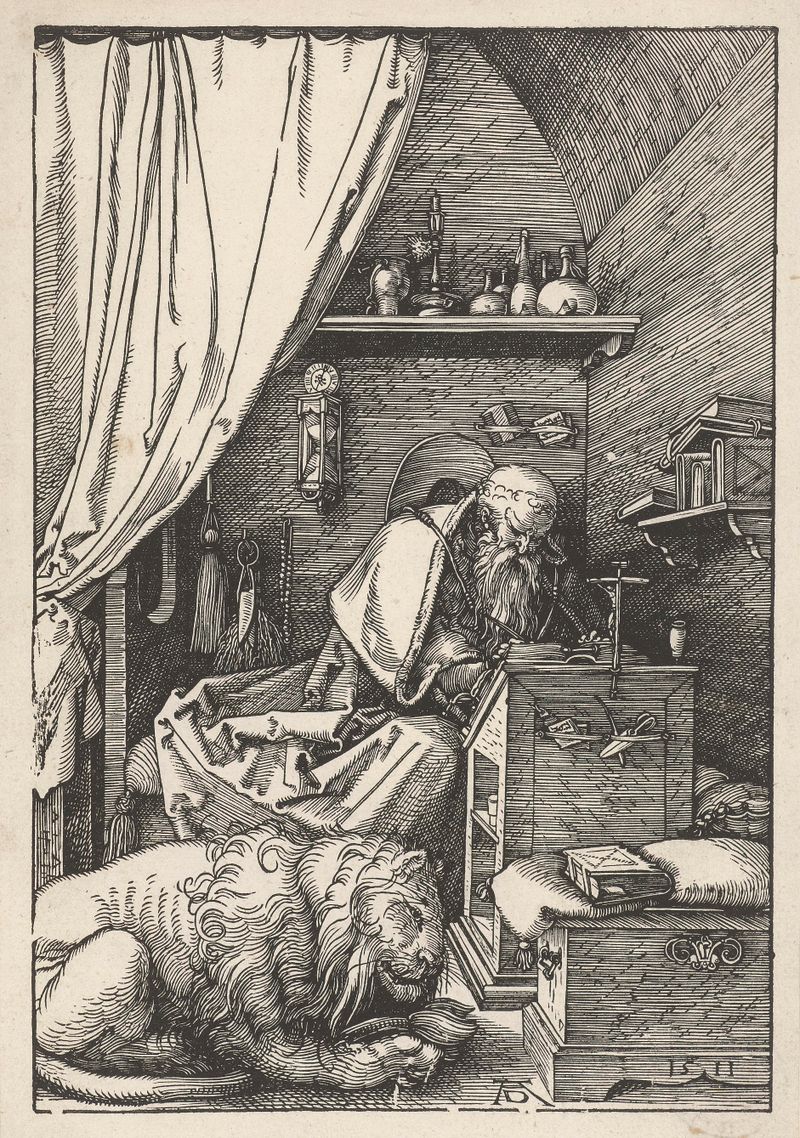
De Heilige Hiëronymus in zijn studeervertrek
Albrecht Dürer
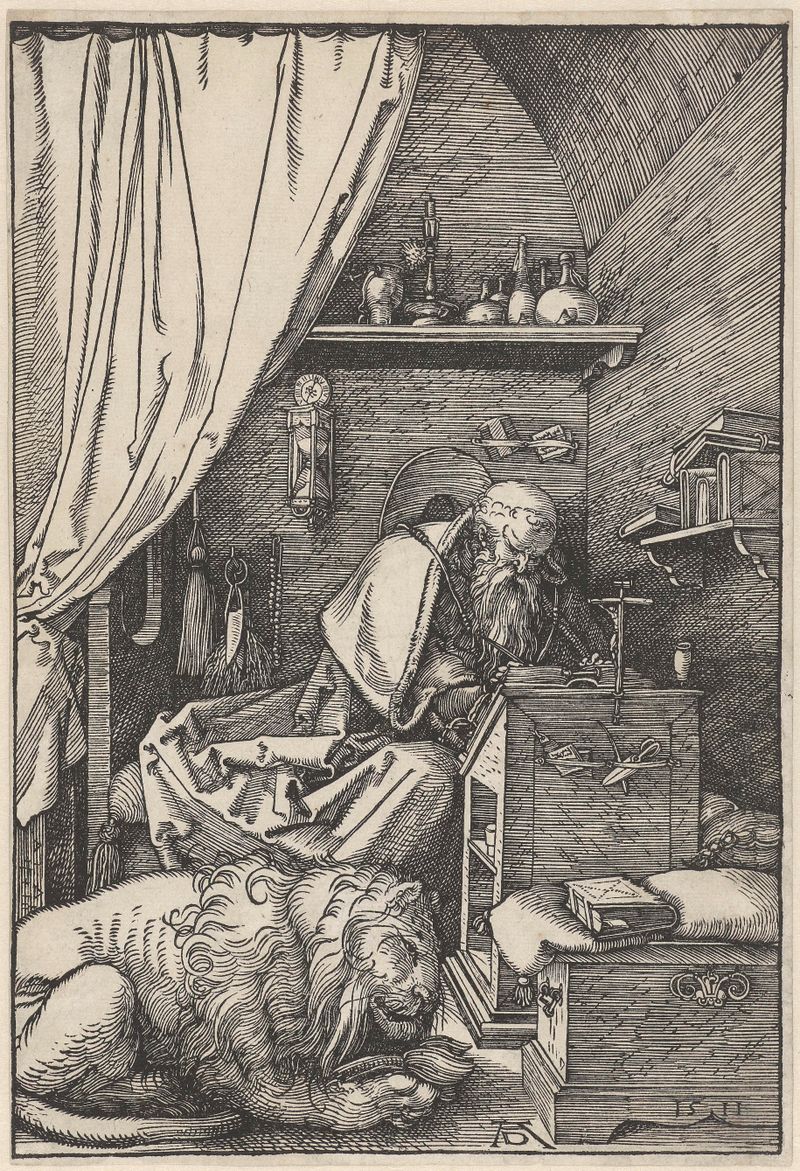
De Heilige Hiëronymus in zijn studeervertrek
Albrecht Dürer
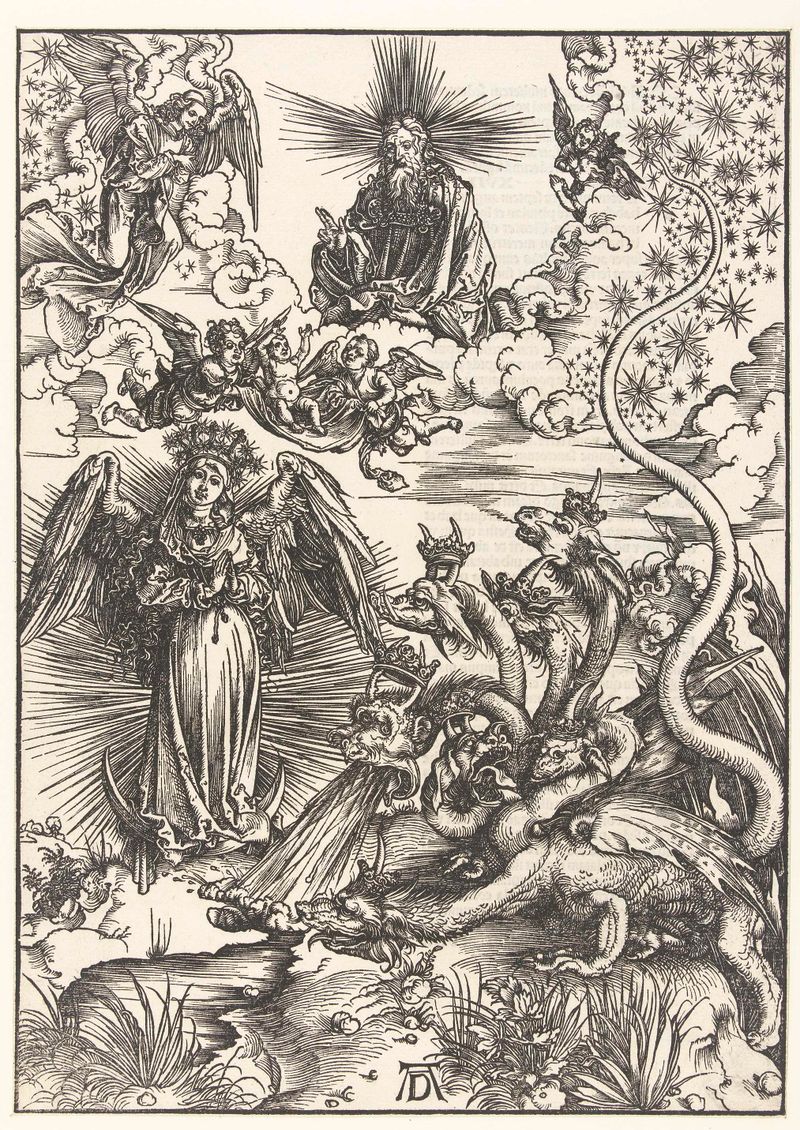
De apocalyptische vrouw en de zevenkoppige draak
Albrecht Dürer
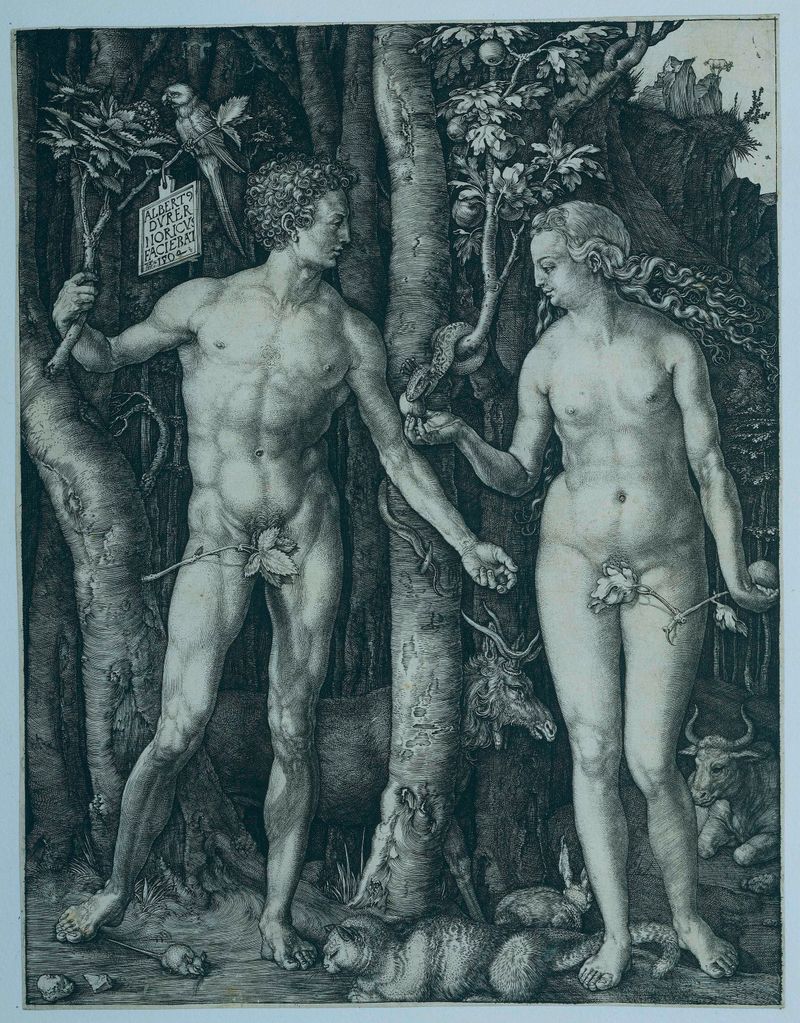
Adam en Eva
Albrecht Dürer
More Religious Art
Browse all →
The Return of the Prodigal Son
Rembrandt van Rijn

The Garden of Earthly Delights
El Bosco

Count Orgaz’ funeral
El Greco

The Hundred Guilder Print: the central piece with Christ preaching, the plate arched
Rembrandt van Rijn

The Descent from the Cross
Rogier van der Weyden

The return of the prodigal son
Rembrandt van Rijn