
Kruisdraging — History & Facts
Is this a mirror — or a memory? In the hands of Albrecht Dürer, the weight of mortality hangs palpably in the air, challenging viewers to confront the fleeting nature of existence. Focus on the central figure, draped in somber tones, as he carries the cross with a grace that belies the burden he bears. Notice the intricate details in the figures surrounding him, each one a testament to pain and reverence, their faces contorted with anguish yet united in solemn purpose. The play of light and shadow enhances the emotional gravity, illuminating the stark contrasts between suffering and devotion, life and death, as the horizon looms darkly behind them. Within this scene lies a cascade of meaning.
The cross, a symbol of sacrifice, is juxtaposed against the vulnerability of the figures, reminding us of humanity’s shared fate. The expressions—caught in a moment of collective grief—echo a timeless truth about the inevitability of loss. Each brushstroke captures not just physicality but the very essence of struggle, weaving a narrative that transcends the canvas and invites introspection. Dürer painted Kruisdraging in 1509, during a period marked by profound shifts in artistic expression and a burgeoning humanism in Northern Europe.
Straddling the line between medieval tradition and Renaissance innovation, he was deeply influenced by the socio-political turmoil of the time, as well as his own personal encounters with mortality. This work stands as a poignant reflection of both his artistic evolution and the broader existential questions of his era.
More Artworks by Albrecht Dürer
Browse all →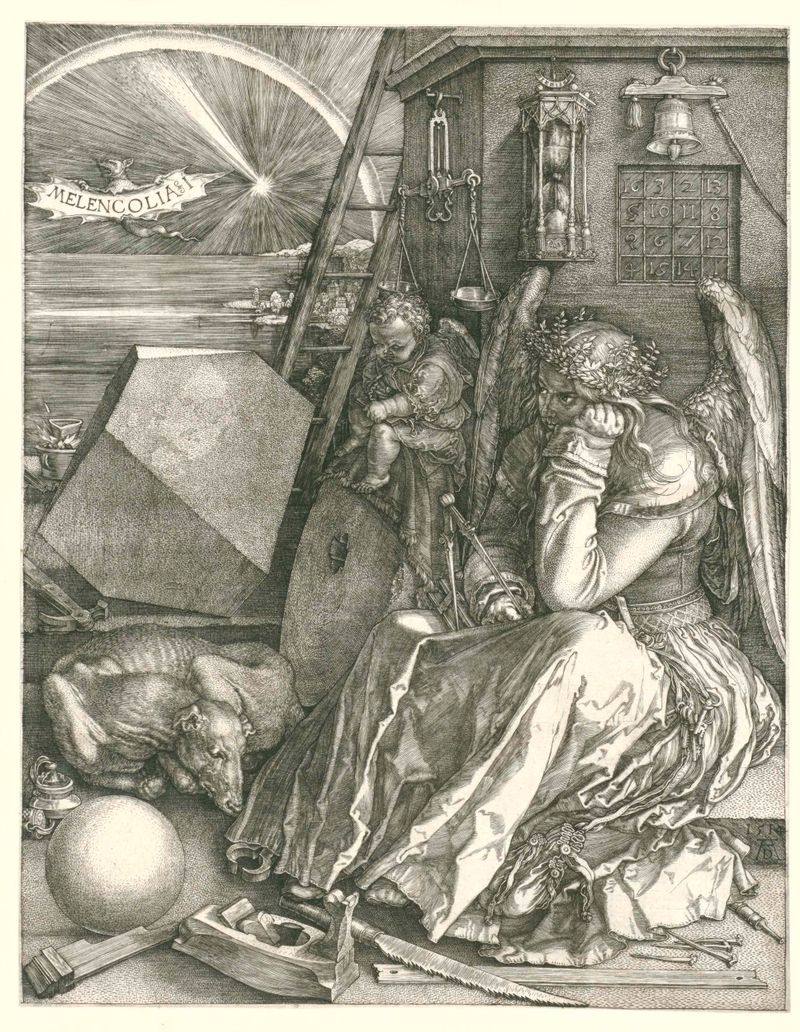
Melancholia
Albrecht Dürer
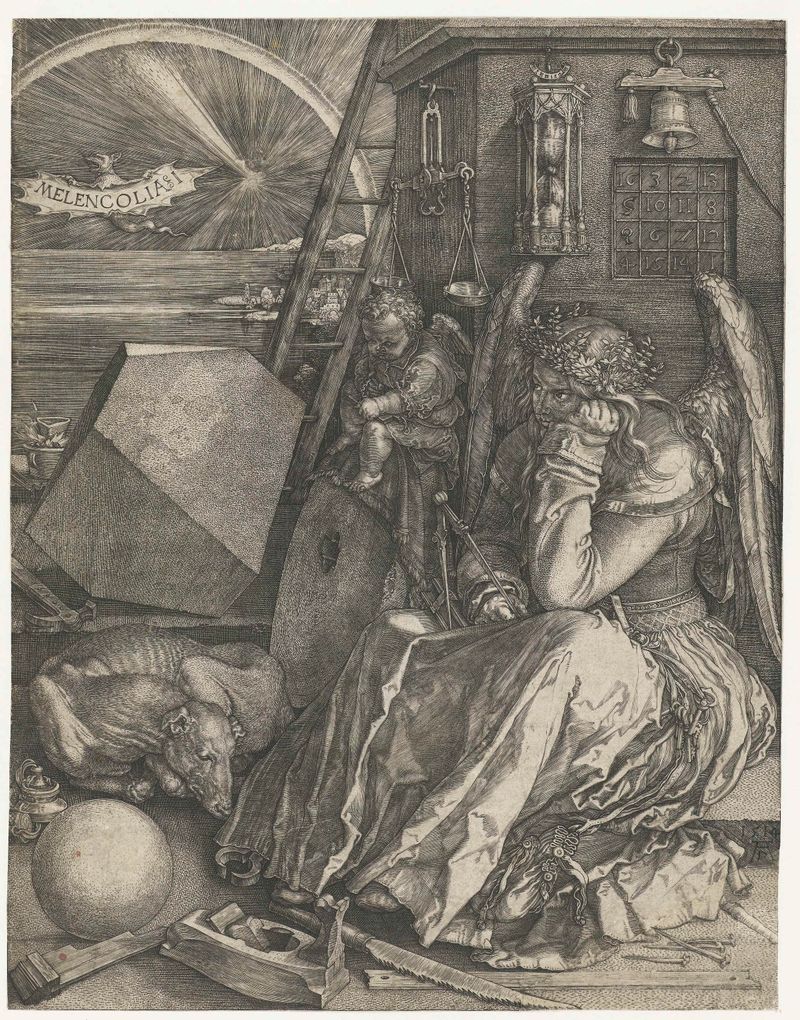
Melancholie
Albrecht Dürer
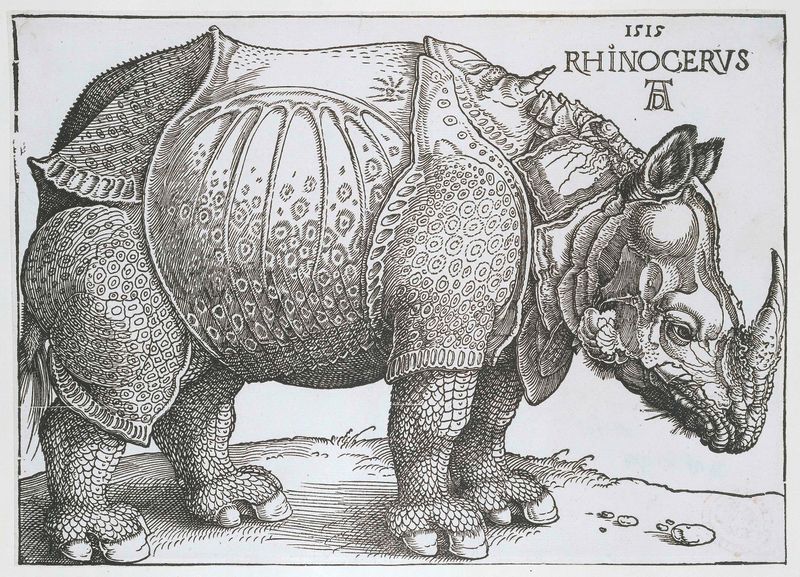
Neushoorn
Albrecht Dürer
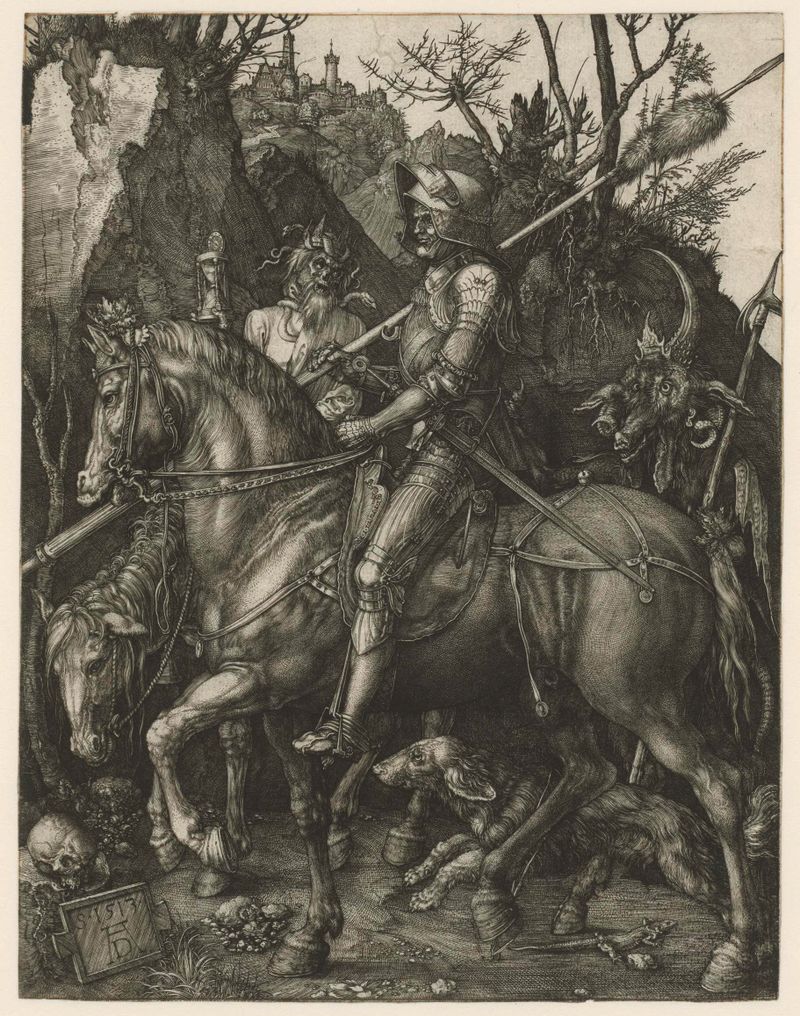
Knight, Death, and the Devil
Albrecht Dürer

De vier ruiters van de apocalyps
Albrecht Dürer

De vier ruiters van de apocalyps
Albrecht Dürer
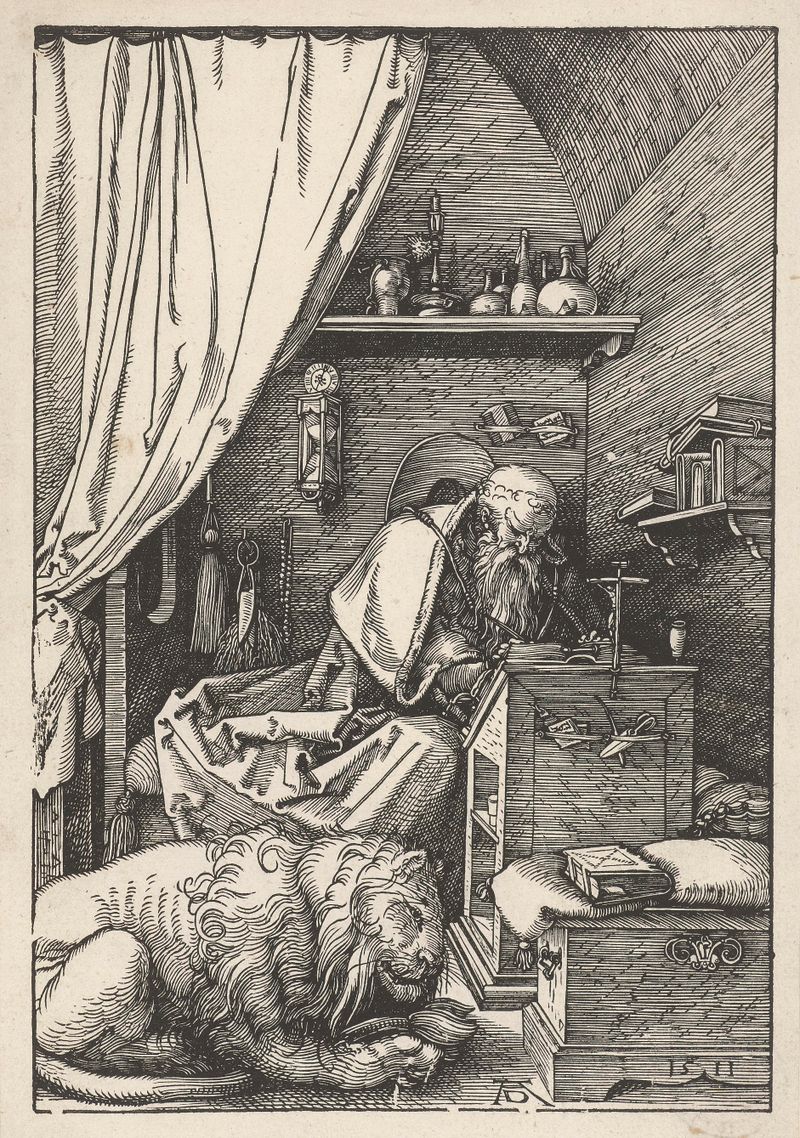
De Heilige Hiëronymus in zijn studeervertrek
Albrecht Dürer
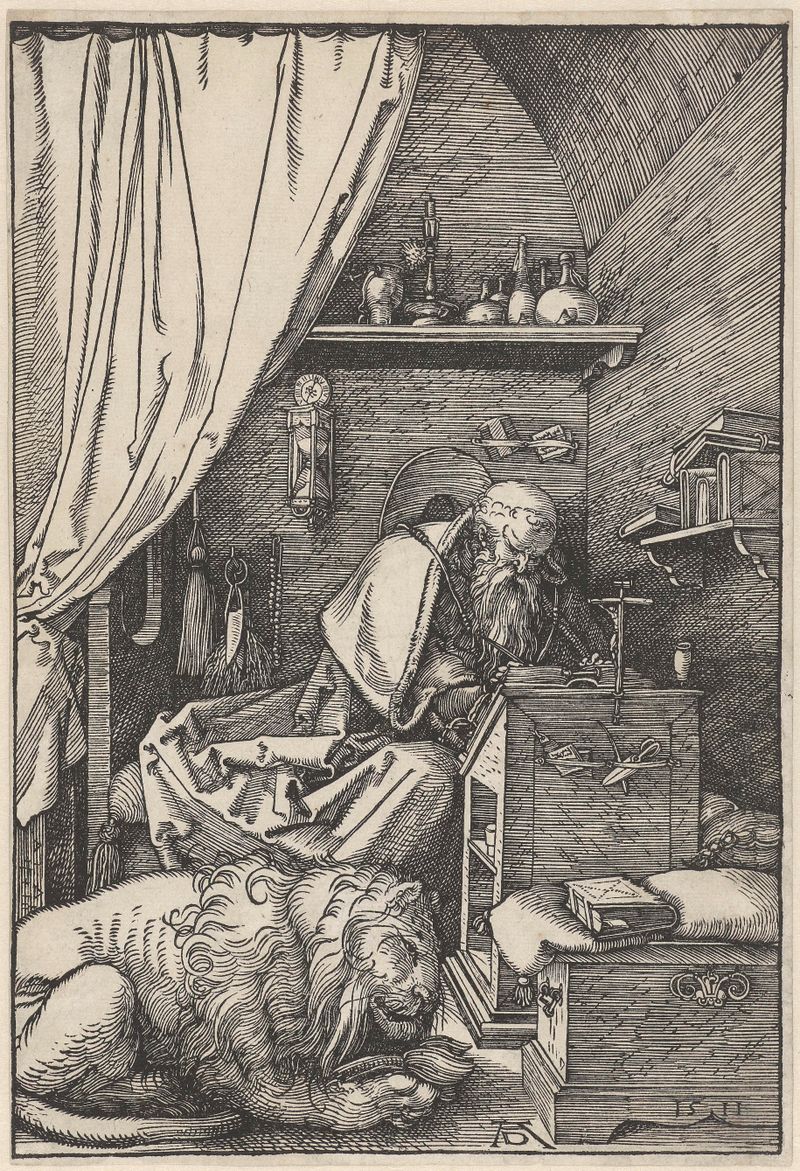
De Heilige Hiëronymus in zijn studeervertrek
Albrecht Dürer
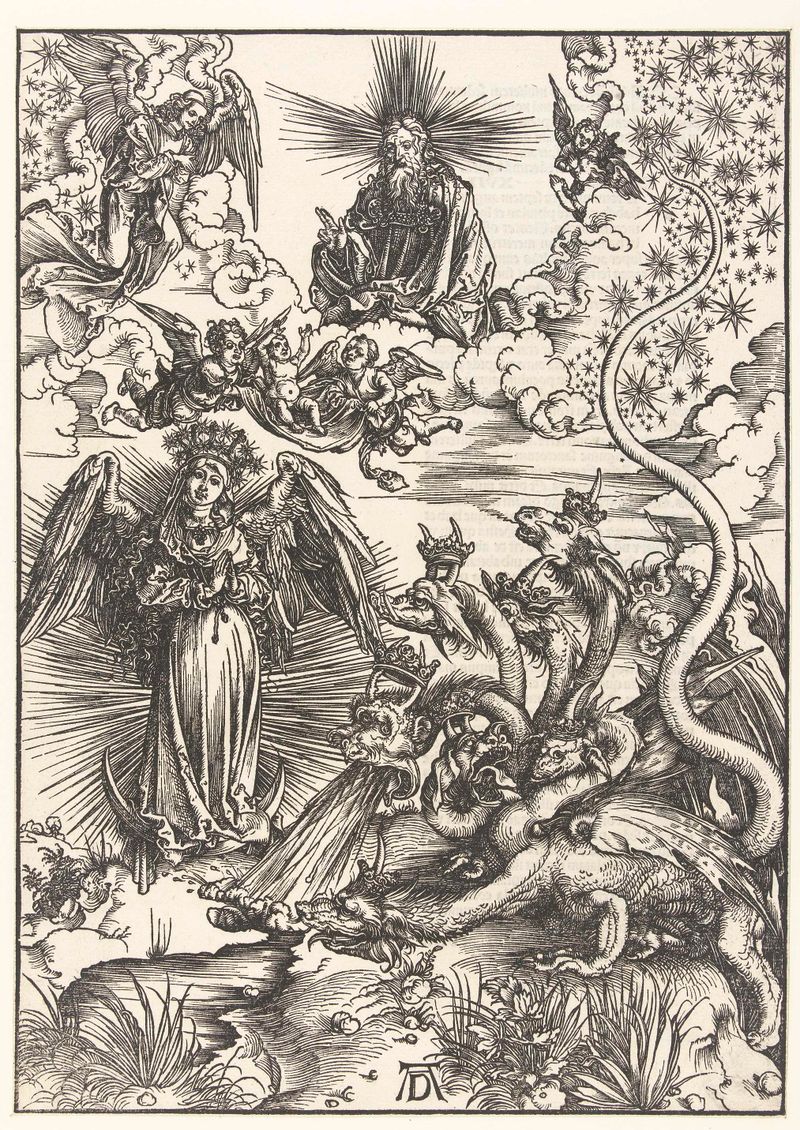
De apocalyptische vrouw en de zevenkoppige draak
Albrecht Dürer
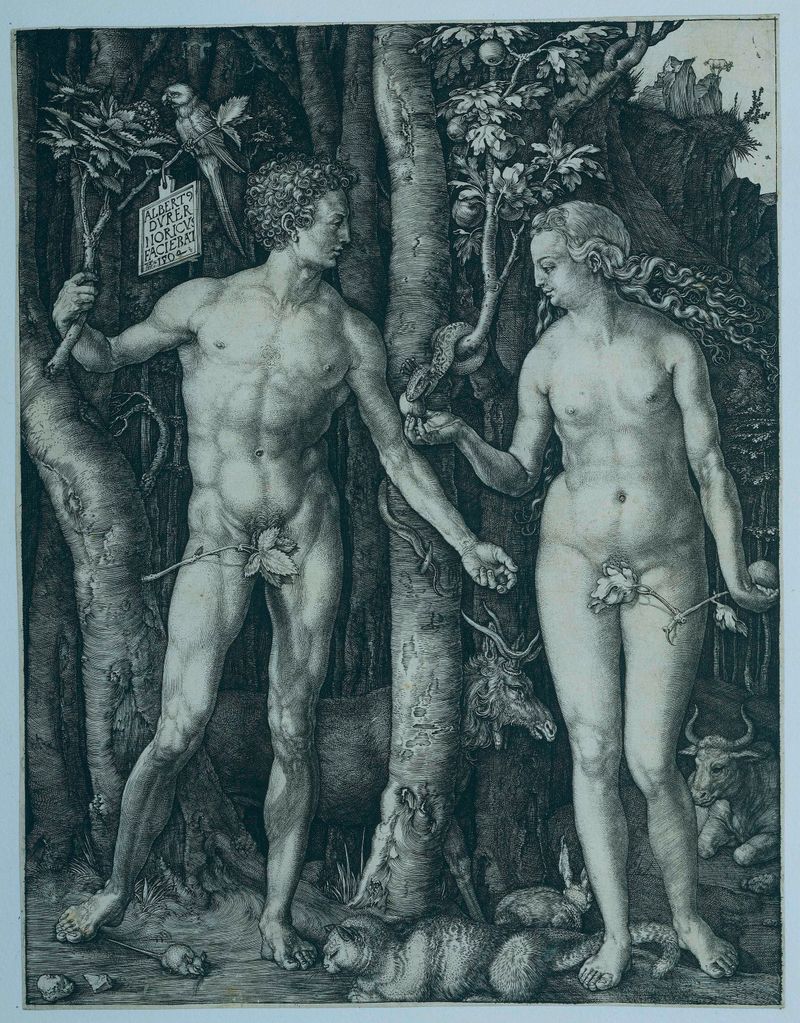
Adam en Eva
Albrecht Dürer
More Religious Art
Browse all →
The Return of the Prodigal Son
Rembrandt van Rijn

The Garden of Earthly Delights
El Bosco

Count Orgaz’ funeral
El Greco

The Hundred Guilder Print: the central piece with Christ preaching, the plate arched
Rembrandt van Rijn

The Descent from the Cross
Rogier van der Weyden

The return of the prodigal son
Rembrandt van Rijn