
Kruisiging — History & Facts
In the crucible of art, rebirth emerges from sorrow, echoing through the strokes of Dürer’s compelling vision. Look to the center of the composition, where the figure of Christ hangs suspended in ultimate sacrifice. The rich interplay of shadow and light defines the contours of his form, drawing your gaze to the raw emotion etched on his face. Notice how the stark contrast of the deep reds and muted browns creates a visceral tension, heightening the sense of anguish yet hinting at an underlying promise of resurrection.
The surrounding figures, awash in varying degrees of despair and contemplation, amplify this moment of divine transcendence. The artwork is not merely a scene of suffering; it encapsulates a profound dialogue between despair and hope. The anguish of the onlookers, characterized by their twisted gestures and downcast eyes, contrasts sharply with the serene acceptance present in Christ’s expression. Each detail, from the blood trickling down to the intricate drapery of the garments, speaks to the pain of mortality while simultaneously invoking thoughts of rebirth and renewal—a duality that resonates through the ages. In 1498, Dürer, enveloped by the burgeoning influence of the Northern Renaissance, created this work in Nuremberg, a city thriving with artistic innovation.
It was a period marked by a deep exploration of human emotion and spirituality, a time when artists were beginning to break free from the constraints of medieval representation. Dürer’s meticulous attention to detail and emotive depth positioned him as a leading figure in this evolution, forever changing the landscape of European art.
More Artworks by Albrecht Dürer
Browse all →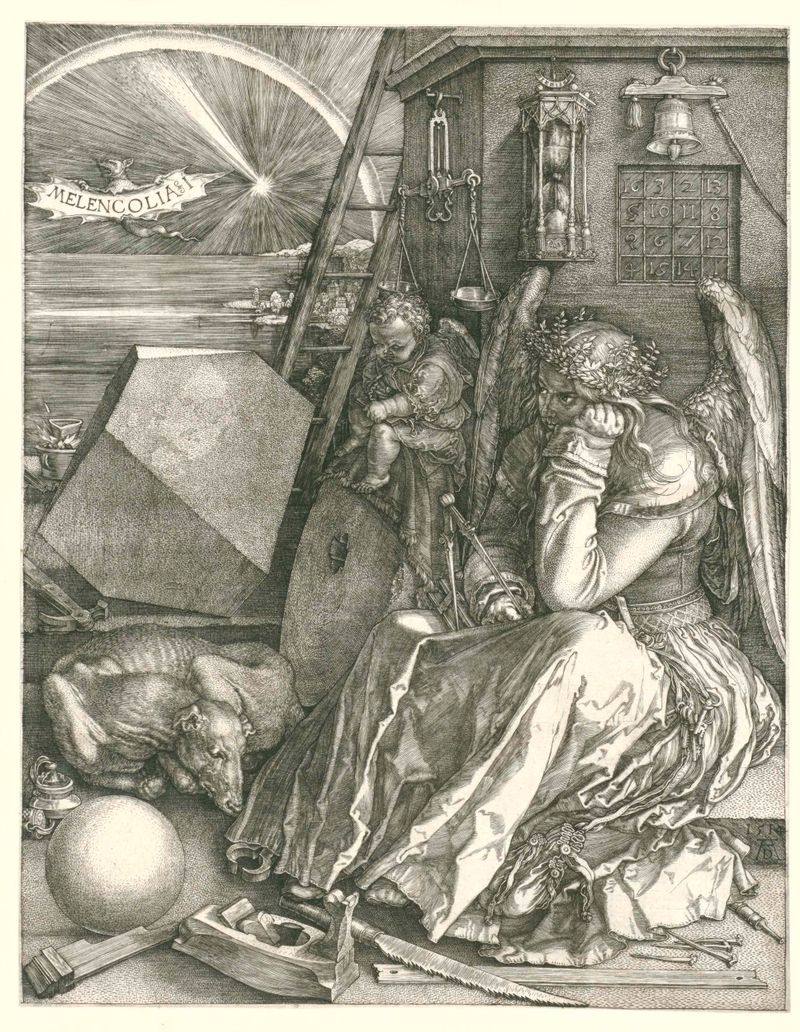
Melancholia
Albrecht Dürer
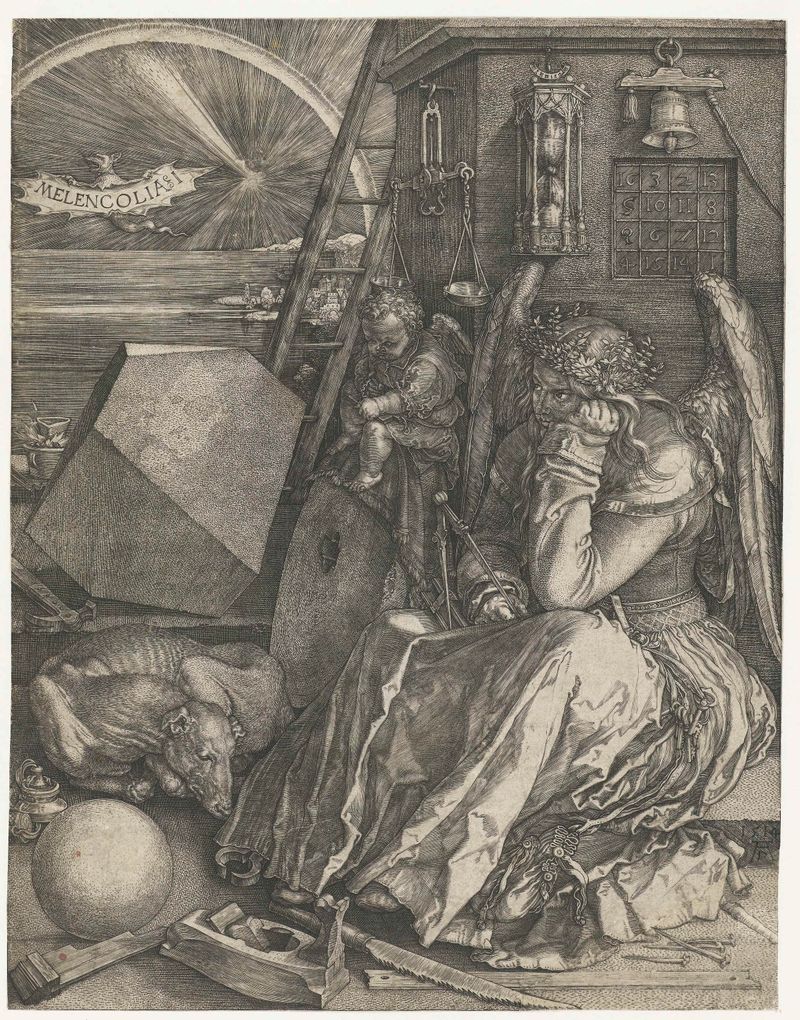
Melancholie
Albrecht Dürer

Neushoorn
Albrecht Dürer
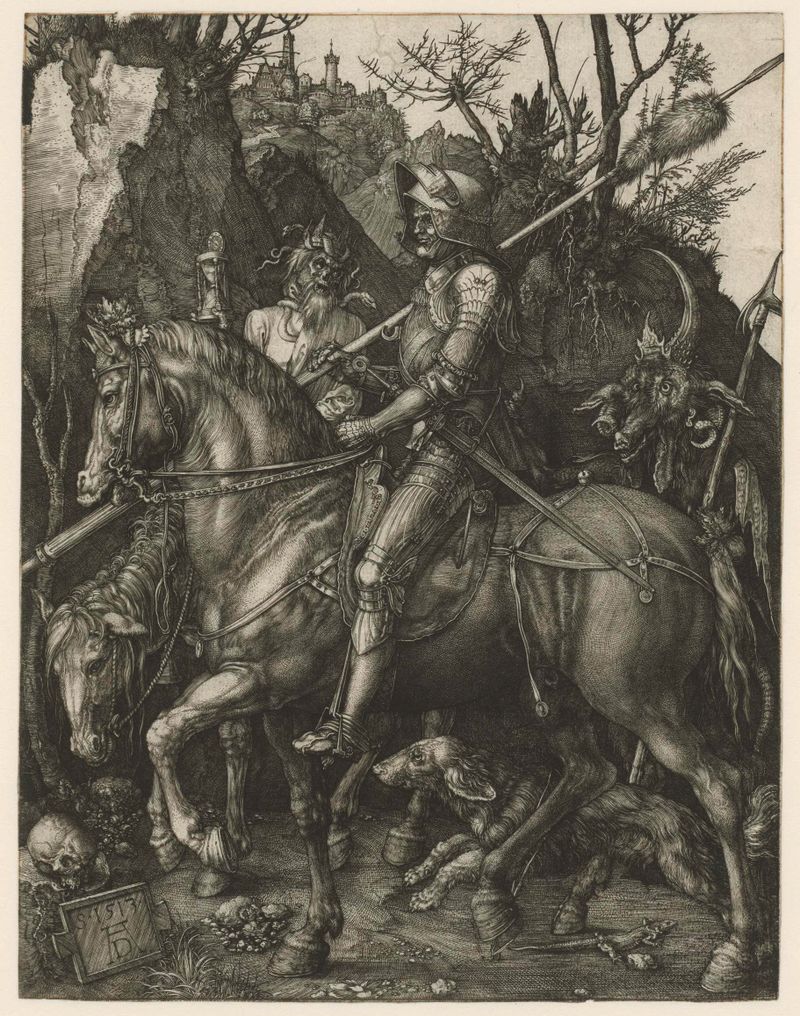
Knight, Death, and the Devil
Albrecht Dürer

De vier ruiters van de apocalyps
Albrecht Dürer

De vier ruiters van de apocalyps
Albrecht Dürer
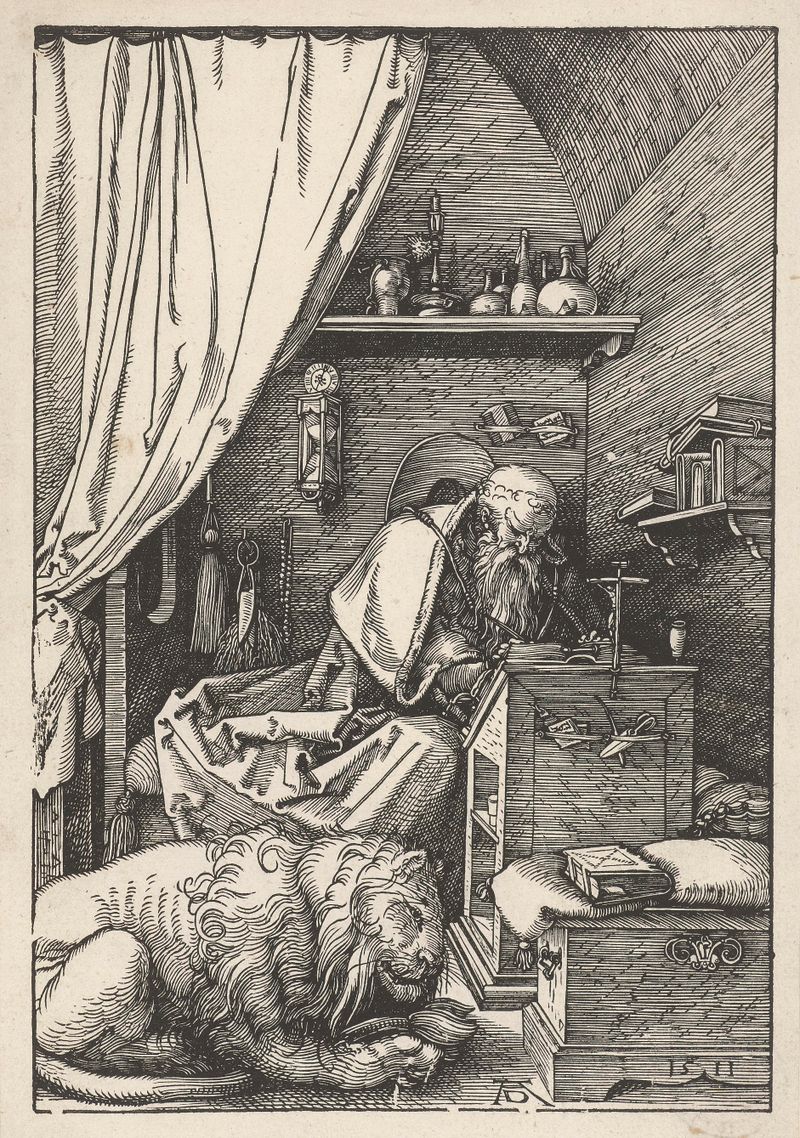
De Heilige Hiëronymus in zijn studeervertrek
Albrecht Dürer
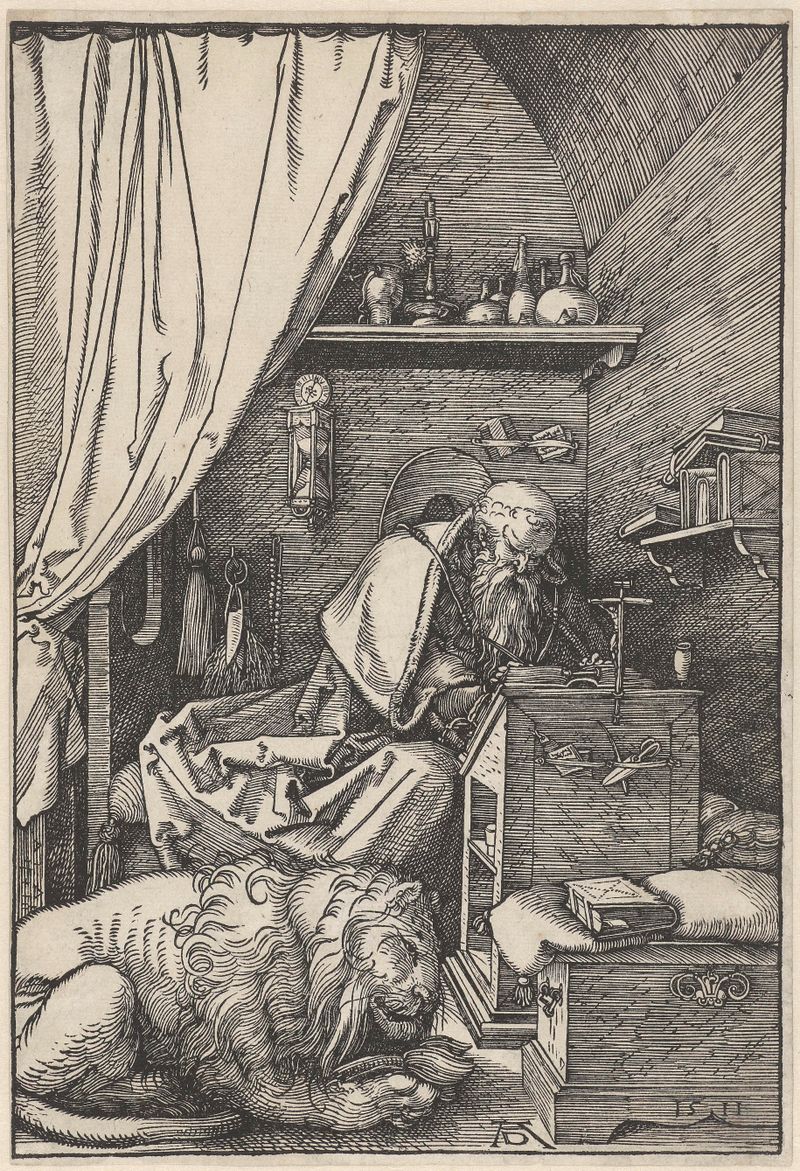
De Heilige Hiëronymus in zijn studeervertrek
Albrecht Dürer
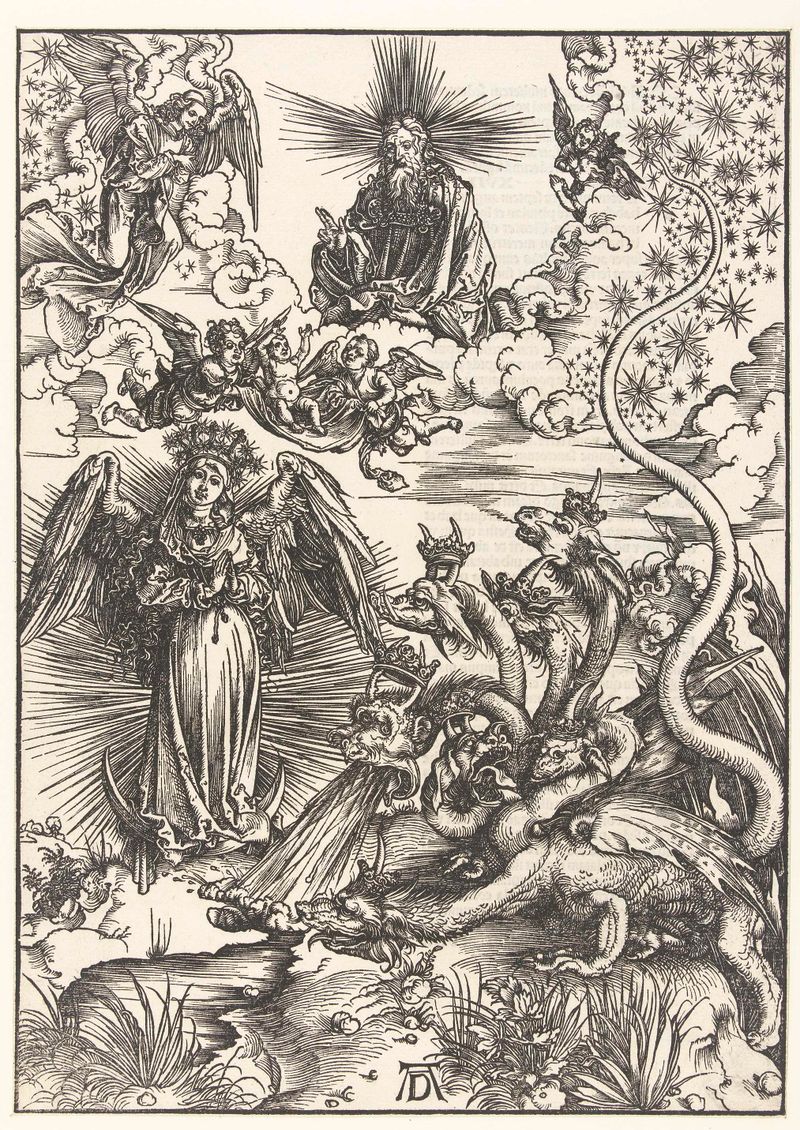
De apocalyptische vrouw en de zevenkoppige draak
Albrecht Dürer
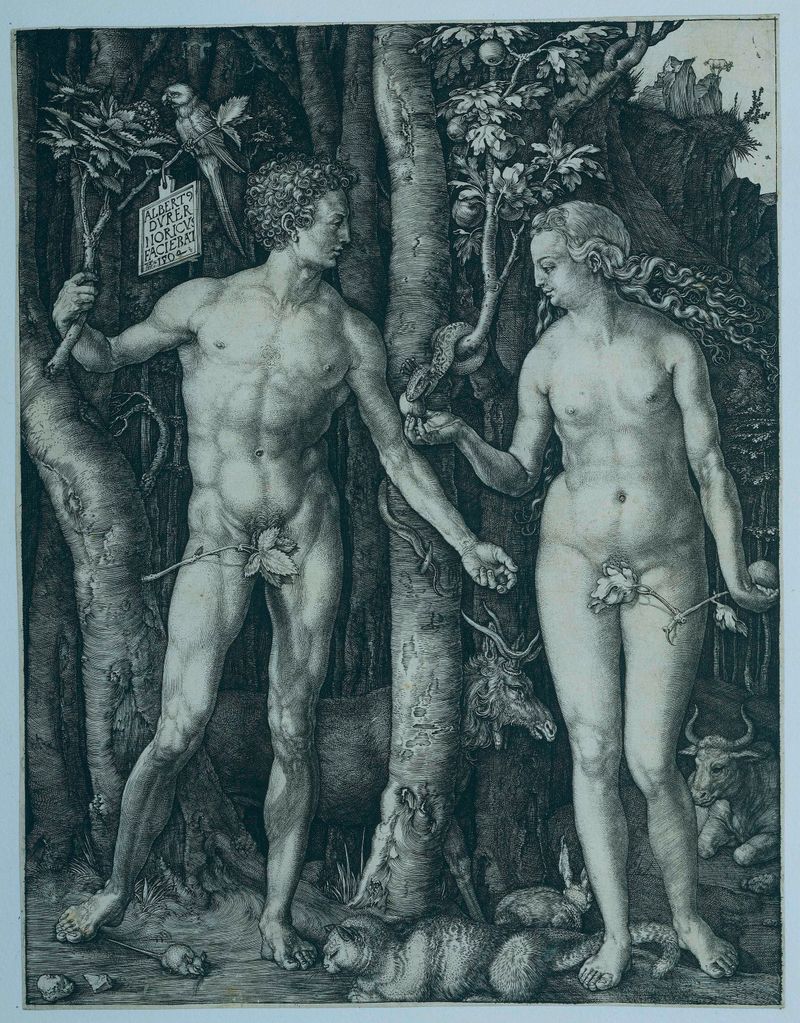
Adam en Eva
Albrecht Dürer
More Religious Art
Browse all →
The Return of the Prodigal Son
Rembrandt van Rijn

The Garden of Earthly Delights
El Bosco

Count Orgaz’ funeral
El Greco

The Hundred Guilder Print: the central piece with Christ preaching, the plate arched
Rembrandt van Rijn

The Descent from the Cross
Rogier van der Weyden

The return of the prodigal son
Rembrandt van Rijn