
Kruisiging — History & Facts
What if silence could speak through light? In Albrecht Dürer's Kruisiging, the interplay of shadow and radiance evokes the weight of destiny suspended in the air. Look to the center, where the figure of Christ hangs with an almost ethereal stillness, his body illuminated against the darkening sky. The stark contrasts of light and shadow reveal not just the physical agony but also the spiritual transcendence of this moment. Notice how the rugged texture of the cross juxtaposes the smooth, serene face of Christ, capturing a fragile balance between suffering and peace.
The meticulous details in the surrounding figures draw the viewer's eye, each one engaged in their own silent narrative. Delve deeper into the surrounding chaos; the anguished faces convey an array of human emotions—grief, despair, and disbelief. The landscape itself seems to mirror the turmoil of the moment, with jagged mountains framing the sorrowful scene. Each element, from the cloaks of the mourners to the ethereal light breaking through the clouds, speaks to the complexity of fate and the profound impact of sacrifice.
The painting encapsulates the tension between the divine and the mortal, anchoring the viewer in a contemplation of their own destiny. Dürer created Kruisiging in 1511 during a time of personal and artistic transformation. Residing in Nuremberg, he was deeply influenced by the early Reformation and the evolving ideas about faith and humanity. His meticulous craftsmanship and innovative approach to printmaking were redefining the boundaries of art in Northern Europe, as he sought to convey profound spiritual truths through visual means, making this piece a significant reflection of his artistic vision and the zeitgeist of the era.
More Artworks by Albrecht Dürer
Browse all →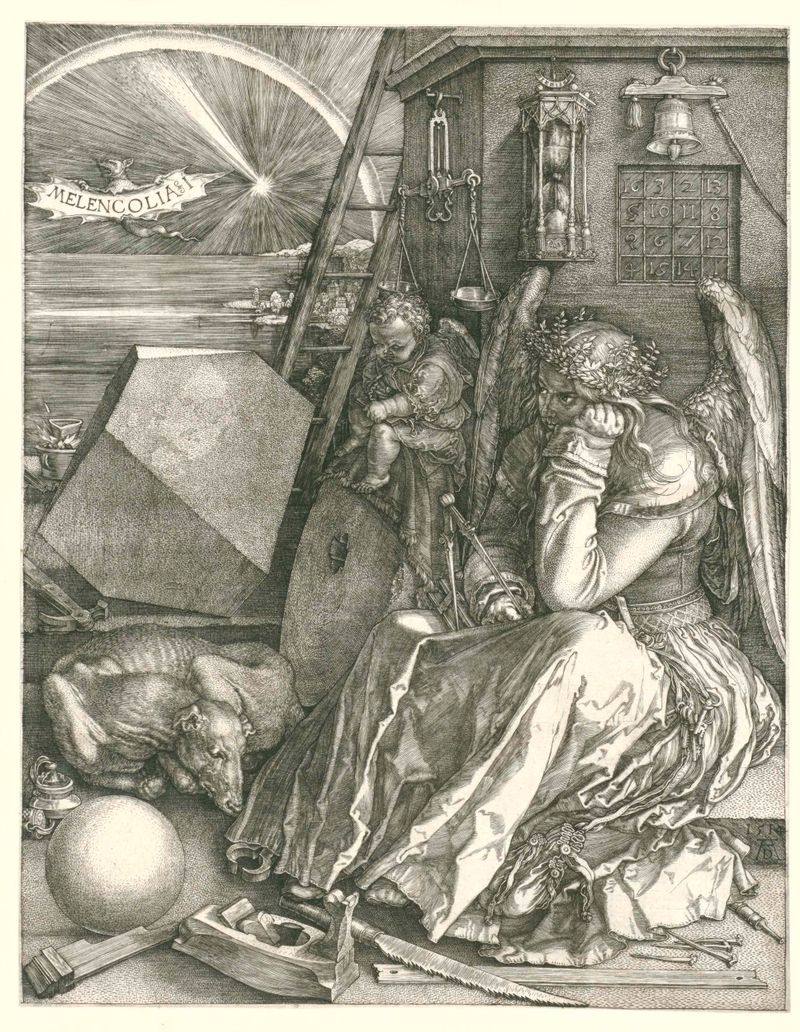
Melancholia
Albrecht Dürer
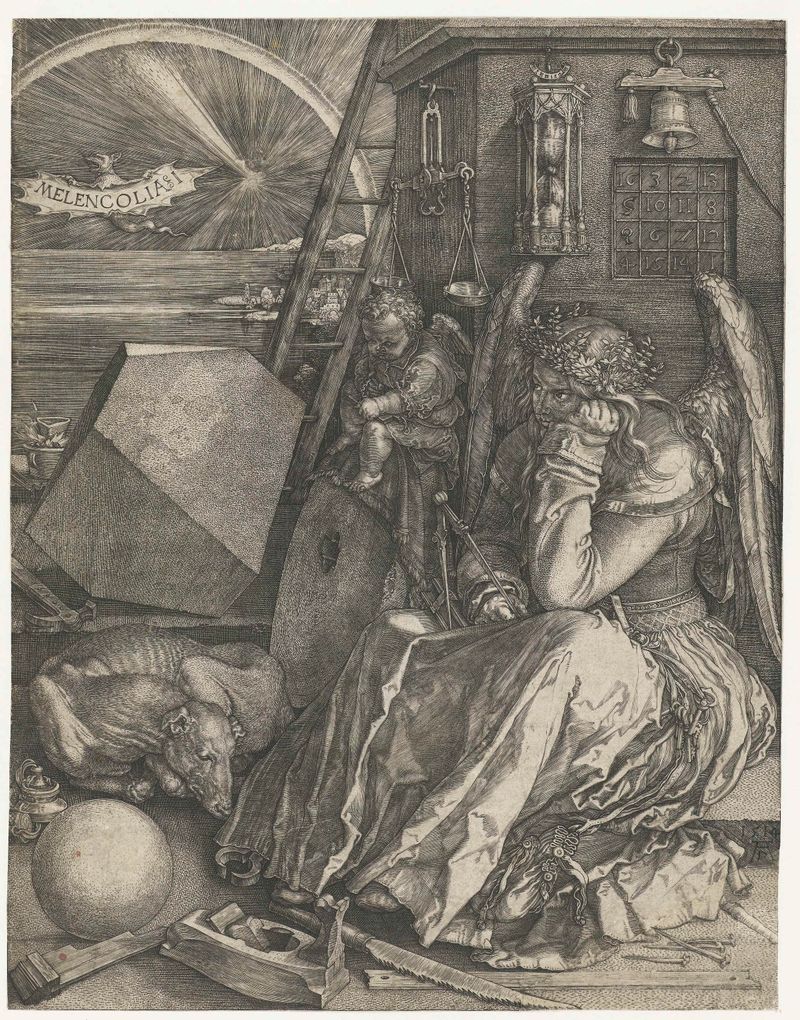
Melancholie
Albrecht Dürer

Neushoorn
Albrecht Dürer
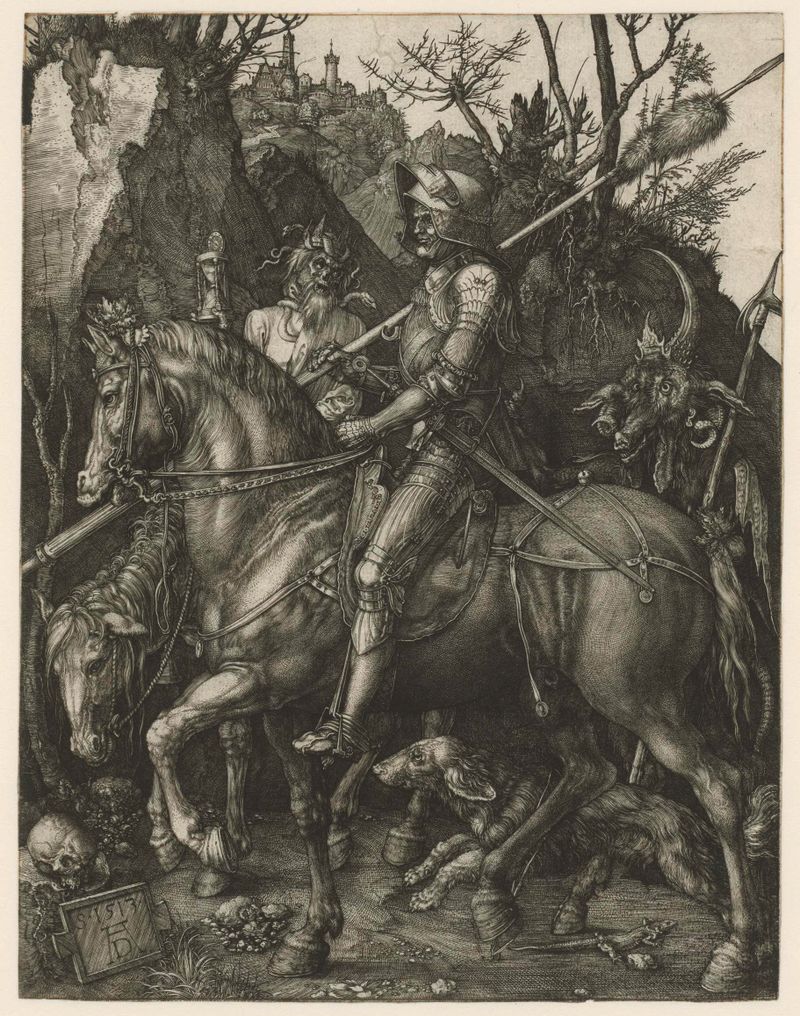
Knight, Death, and the Devil
Albrecht Dürer

De vier ruiters van de apocalyps
Albrecht Dürer

De vier ruiters van de apocalyps
Albrecht Dürer
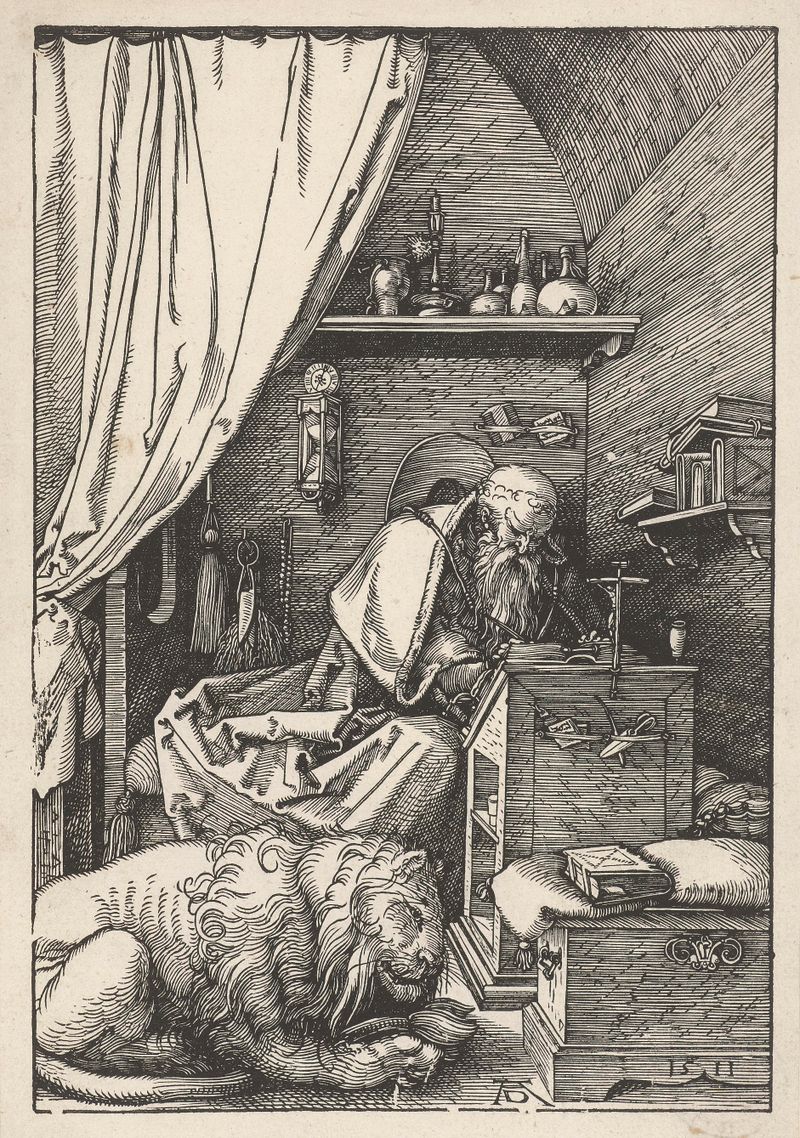
De Heilige Hiëronymus in zijn studeervertrek
Albrecht Dürer
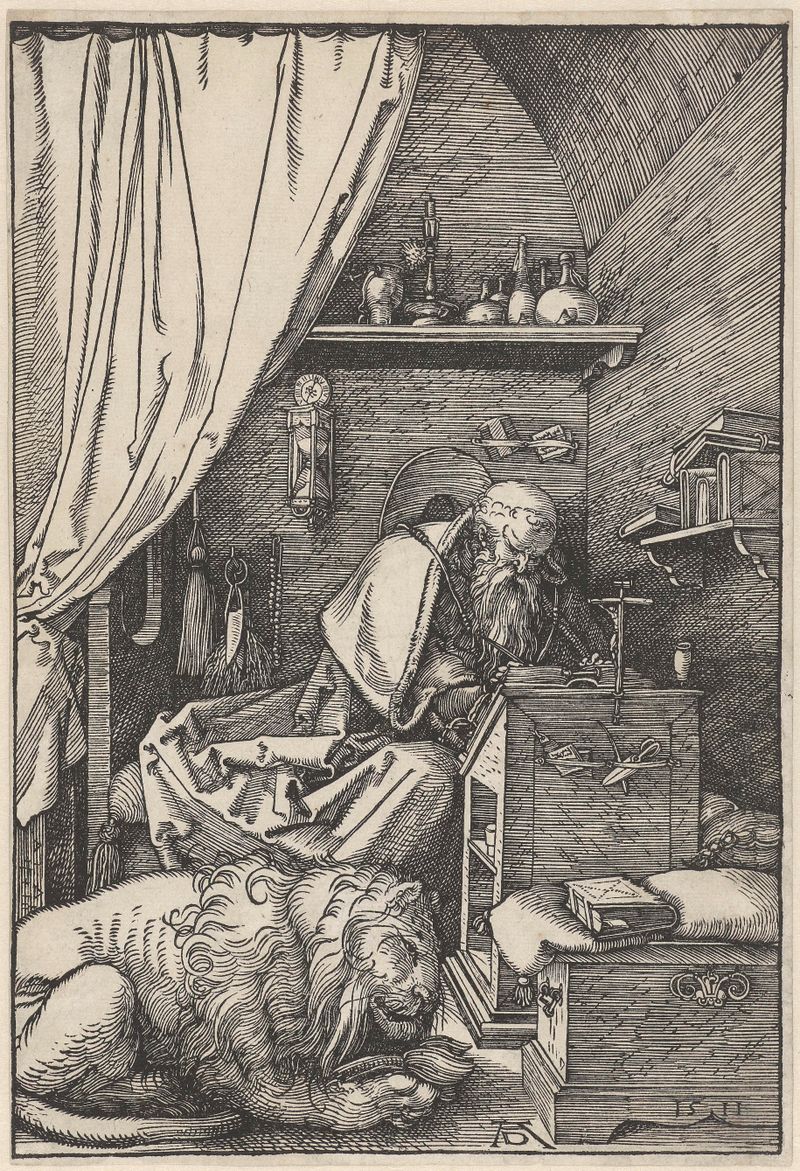
De Heilige Hiëronymus in zijn studeervertrek
Albrecht Dürer
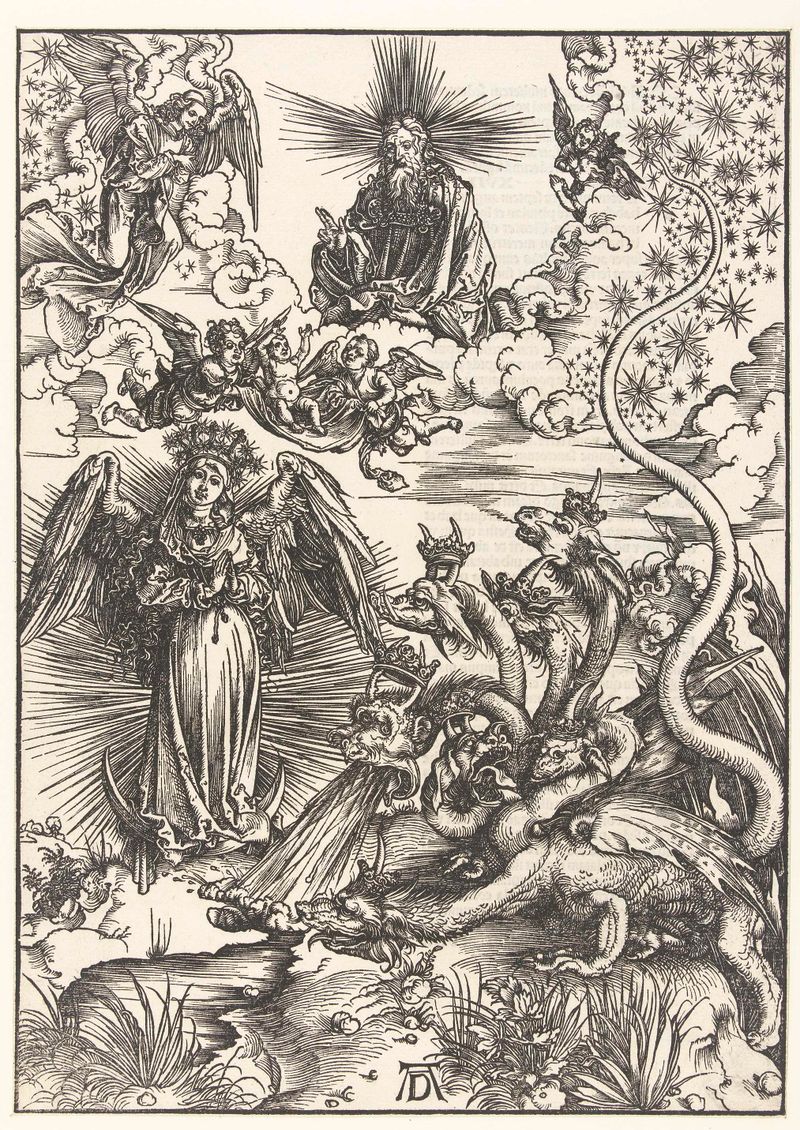
De apocalyptische vrouw en de zevenkoppige draak
Albrecht Dürer
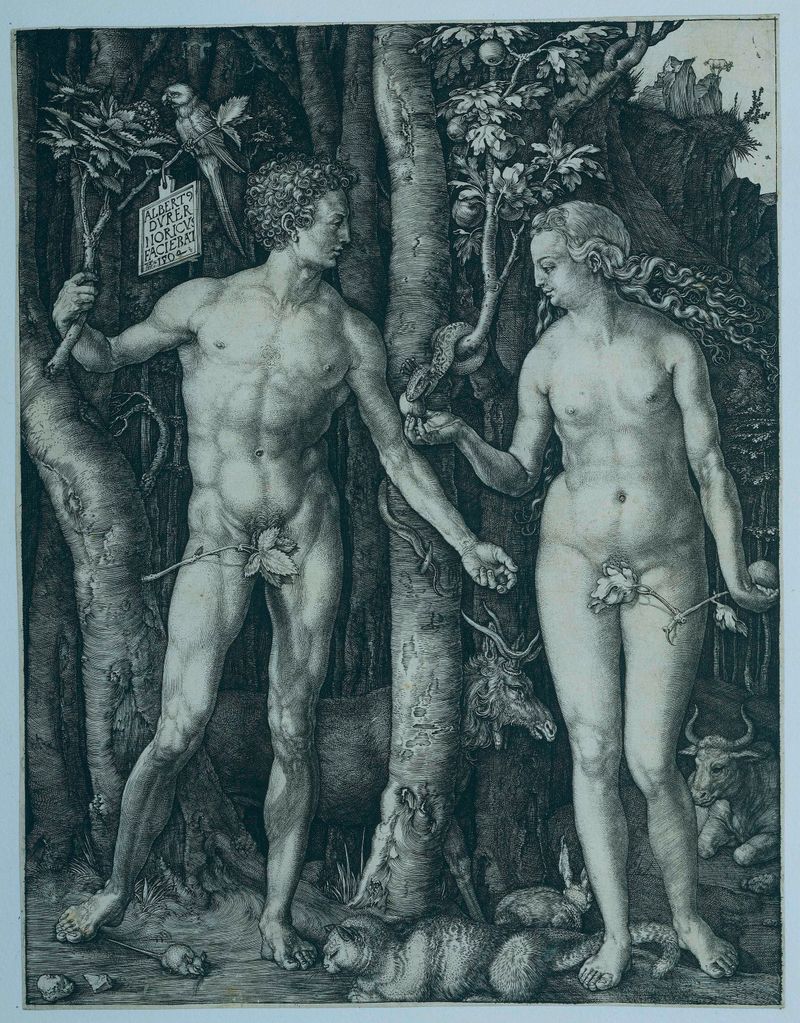
Adam en Eva
Albrecht Dürer
More Religious Art
Browse all →
The Return of the Prodigal Son
Rembrandt van Rijn

The Garden of Earthly Delights
El Bosco

Count Orgaz’ funeral
El Greco

The Hundred Guilder Print: the central piece with Christ preaching, the plate arched
Rembrandt van Rijn

The Descent from the Cross
Rogier van der Weyden

The return of the prodigal son
Rembrandt van Rijn