
Kruisiging — History & Facts
In the face of mortality, Dürer’s Kruisiging evokes a profound sense of fear, reminding us of the fragility of life and the inevitability of death. Focus on the central figure, the crucified Christ, suspended between heaven and earth. Notice his body, contorted in agony, the stark contrast of light illuminating his suffering against the shadowy figures surrounding him. The meticulous attention to detail in the figures’ expressions—grief, despair, and disbelief—draws the viewer into a moment frozen in time, where sorrow reigns supreme.
The textures created by the woodcut technique intensify the raw emotion, while the absence of color allows the viewer to fill the scene with their own thoughts and feelings. Amidst the horror, there’s a sublime beauty in the composition. Dürer masterfully captures the delicate play of light and dark, symbolizing the eternal struggle between hope and despair. The looming presence of the cross signifies not just the pain of sacrifice but also the looming specter of fate.
Each figure surrounding Christ serves as a witness to this pivotal moment, embodying the human response to suffering—some recoil in fear, while others look on with a heavy heart. This tension lends the work a haunting resonance that lingers long after the initial viewing. Dürer created Kruisiging between 1503 and 1504 during a period of intense spiritual reflection and artistic innovation in Europe. Living in Nuremberg, he was deeply influenced by the burgeoning Renaissance, which sought to blend humanism with religious themes.
The period was marked by upheaval and reform, and his work reflects both the personal and collective fears of an uncertain future, as the Protestant Reformation began to challenge established norms within society and the church.
More Artworks by Albrecht Dürer
Browse all →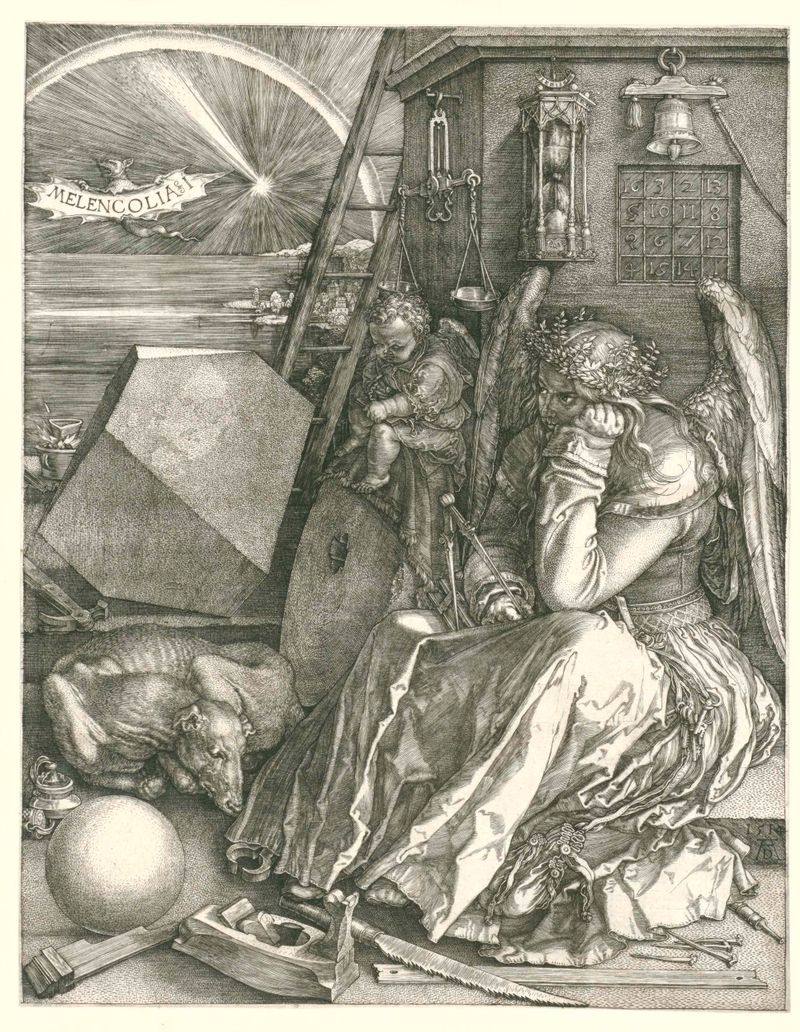
Melancholia
Albrecht Dürer
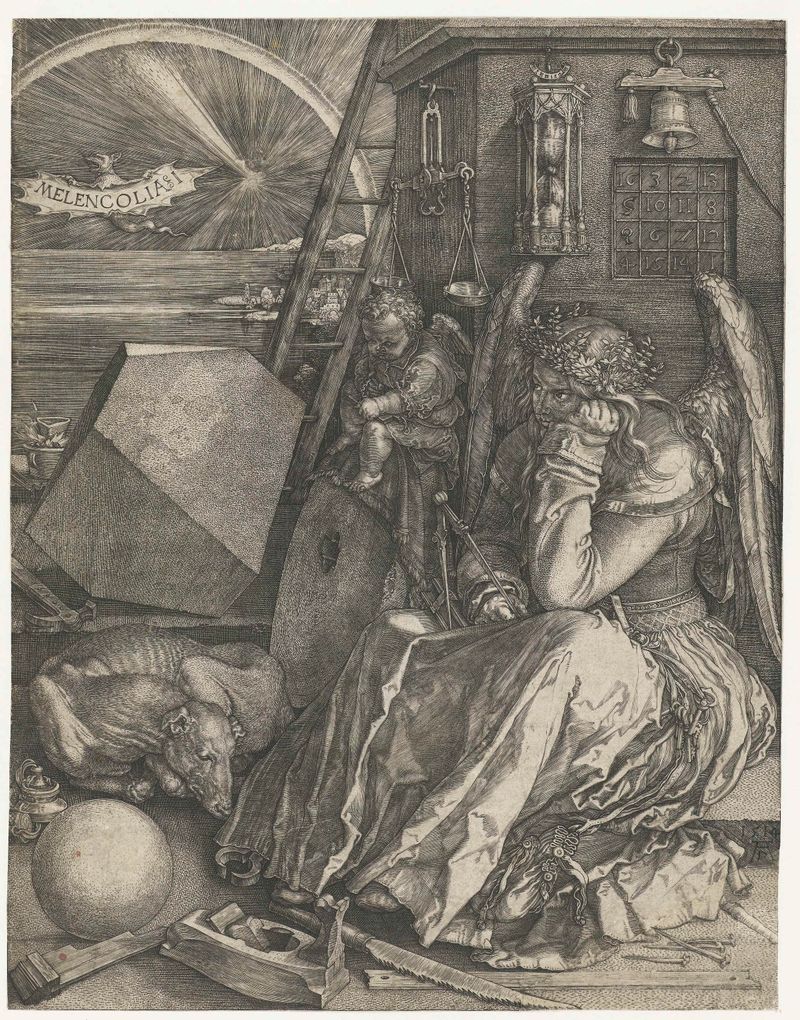
Melancholie
Albrecht Dürer

Neushoorn
Albrecht Dürer
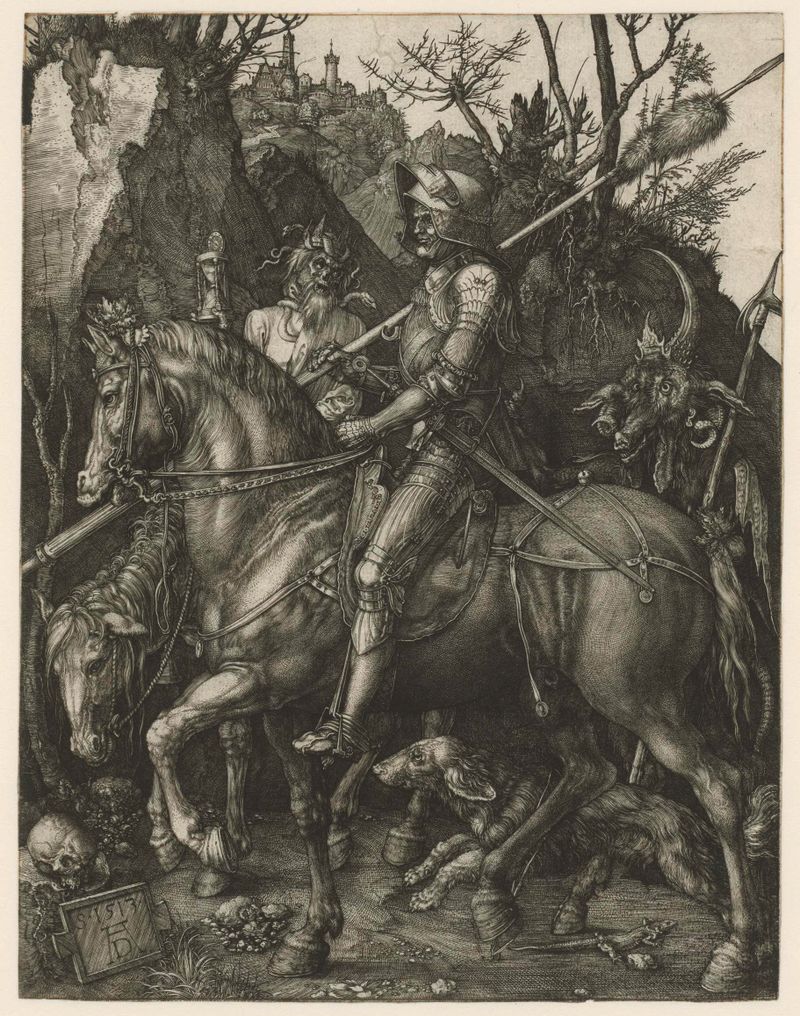
Knight, Death, and the Devil
Albrecht Dürer

De vier ruiters van de apocalyps
Albrecht Dürer

De vier ruiters van de apocalyps
Albrecht Dürer
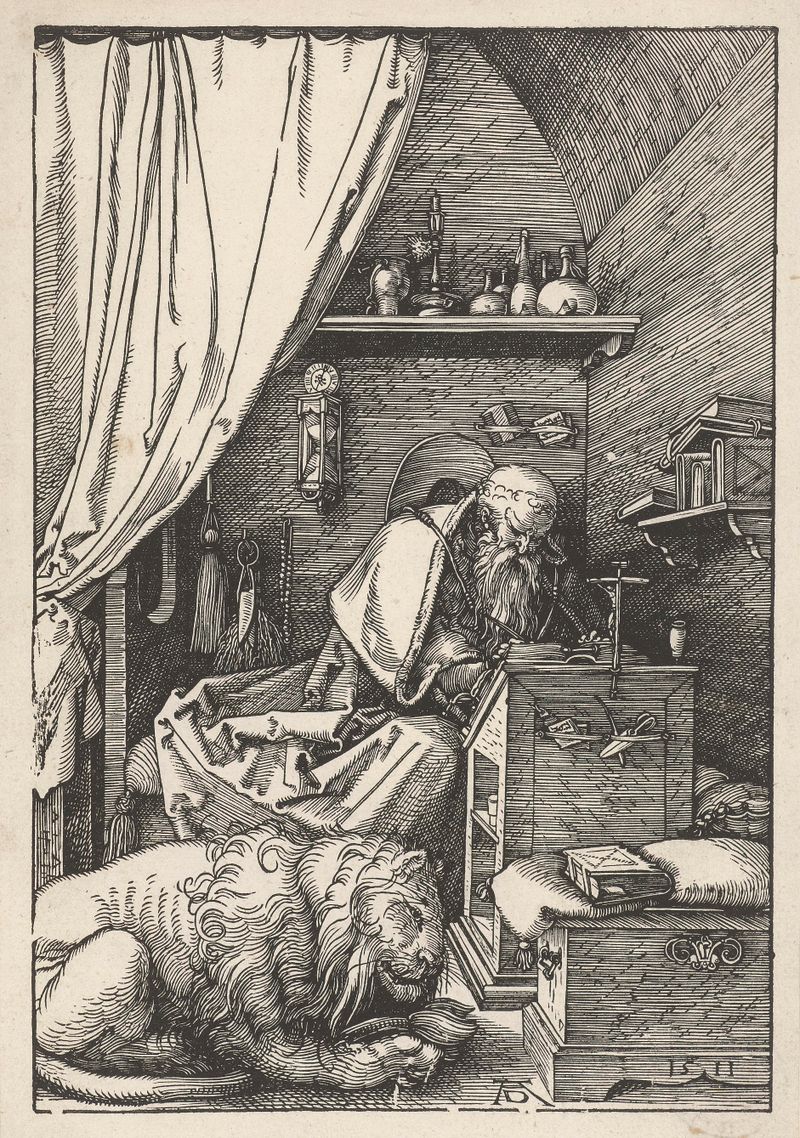
De Heilige Hiëronymus in zijn studeervertrek
Albrecht Dürer
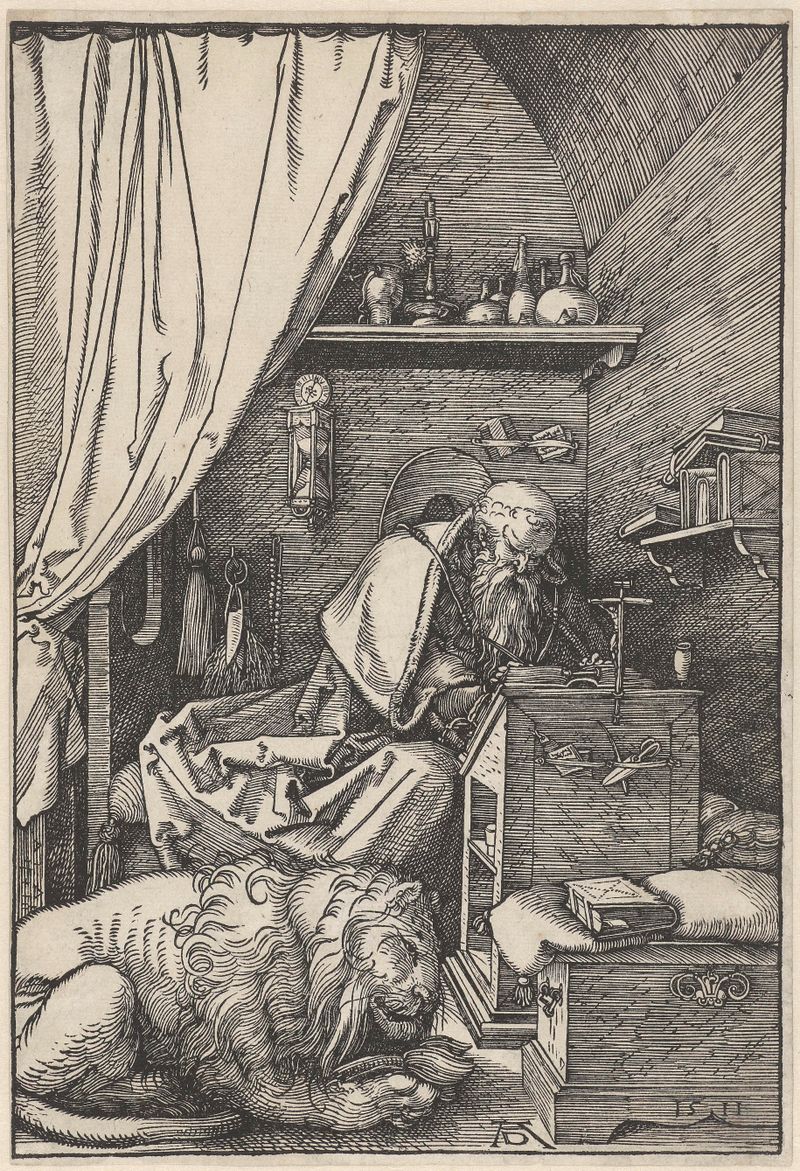
De Heilige Hiëronymus in zijn studeervertrek
Albrecht Dürer
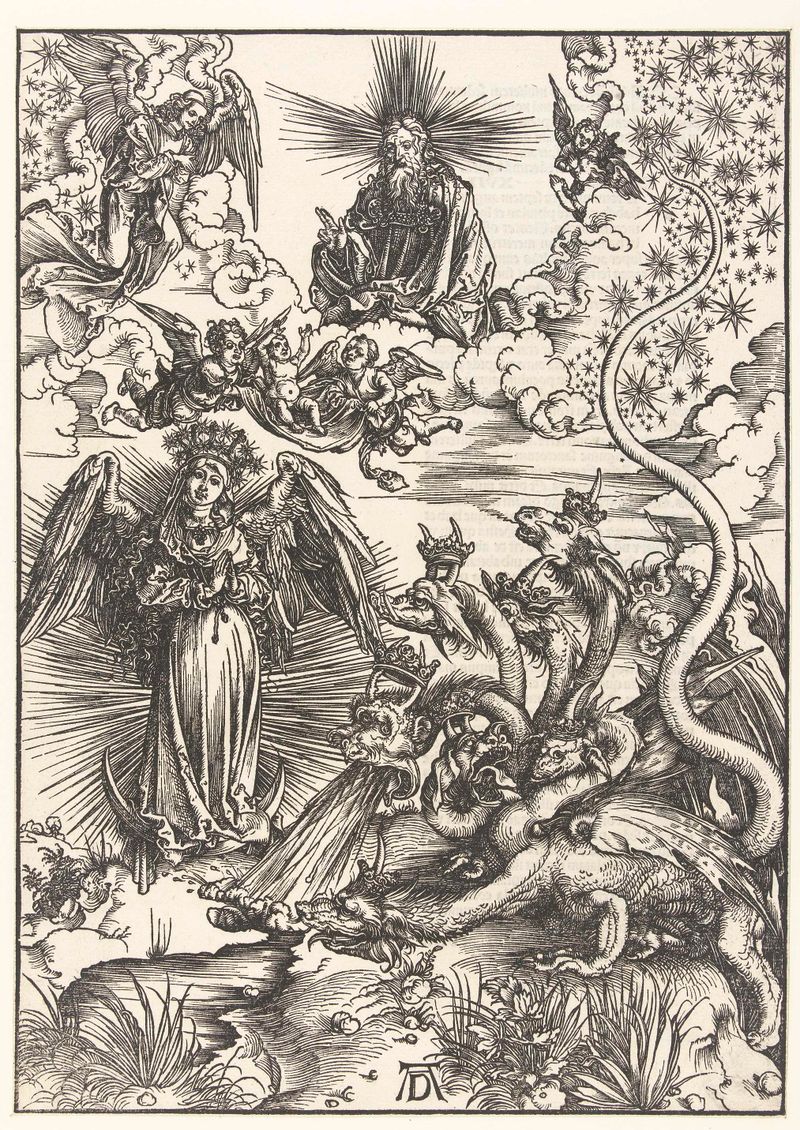
De apocalyptische vrouw en de zevenkoppige draak
Albrecht Dürer
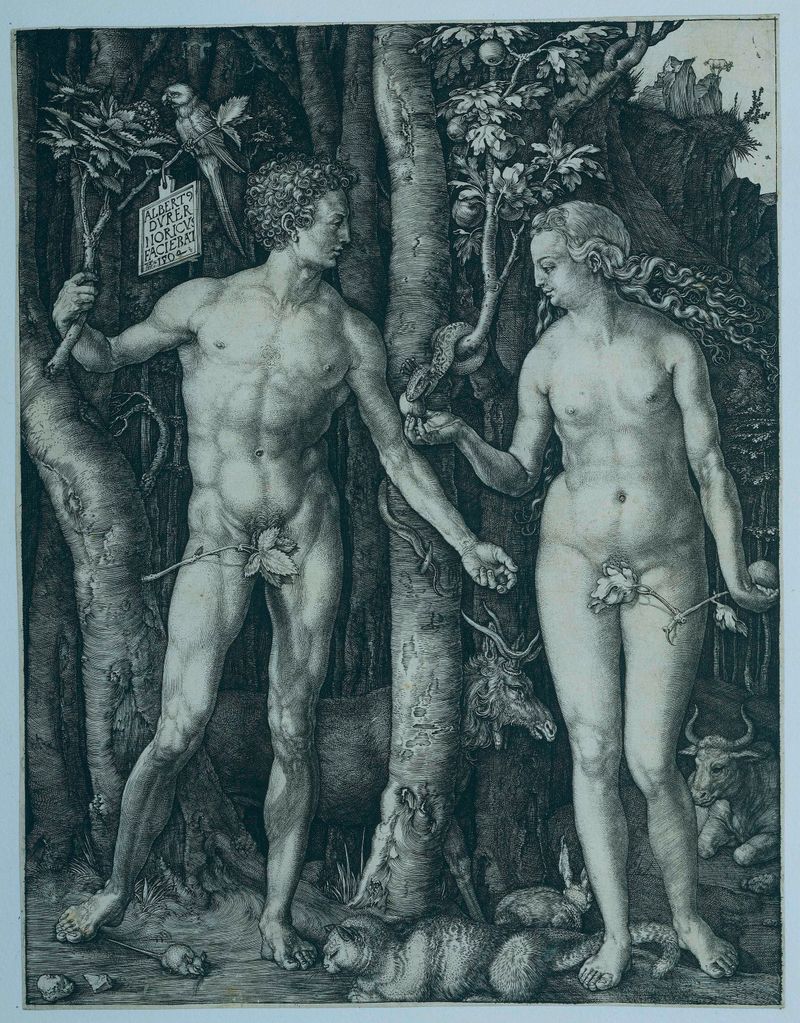
Adam en Eva
Albrecht Dürer
More Religious Art
Browse all →
The Return of the Prodigal Son
Rembrandt van Rijn

The Garden of Earthly Delights
El Bosco

Count Orgaz’ funeral
El Greco

The Hundred Guilder Print: the central piece with Christ preaching, the plate arched
Rembrandt van Rijn

The Descent from the Cross
Rogier van der Weyden

The return of the prodigal son
Rembrandt van Rijn