
Kruisiging — History & Facts
Did the painter know this moment would outlive them? In Kruisiging, the weight of grief permeates each stroke, a poignant reminder of our shared human suffering. Look to the center where Christ hangs against a stark, desolate landscape. The rugged terrain and darkened sky echo the somber mood, while the contrasting light illuminating his figure emphasizes his vulnerability. Notice how the twisted forms of the soldiers and mourners frame the scene, their gestures of despair and indifference pulling you deeper into the emotional turmoil encapsulated in this moment. Beneath the surface, the painting reveals a complex interplay of faith and doubt.
The stark contrast between the radiant figure of Christ and the chaotic background suggests both divine presence and human anguish. The expressions of the onlookers oscillate between reverence and indifference, highlighting the varied responses to suffering and the challenge of witnessing tragedy. Each detail, from the somber color palette to the meticulous rendering of emotion, draws the viewer into a dialogue about mortality and belief. Albrecht Dürer created this work during a pivotal period in early 16th-century Germany, a time when the Renaissance was transforming the landscape of art and thought.
Painted between 1503 and 1504, he was navigating his own artistic evolution while grappling with the themes of spirituality and human experience that resonated deeply in the cultural milieu of the Reformation. This piece stands as a testament to his mastery and the enduring power of art to confront the complexities of existence.
More Artworks by Albrecht Dürer
Browse all →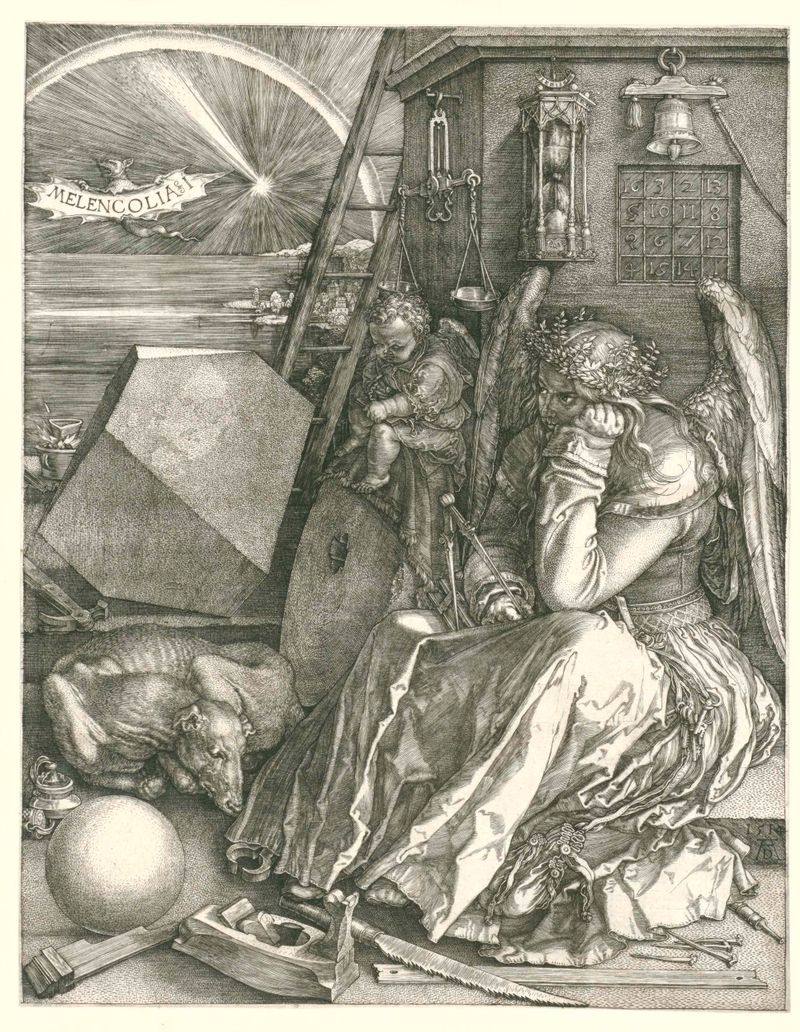
Melancholia
Albrecht Dürer
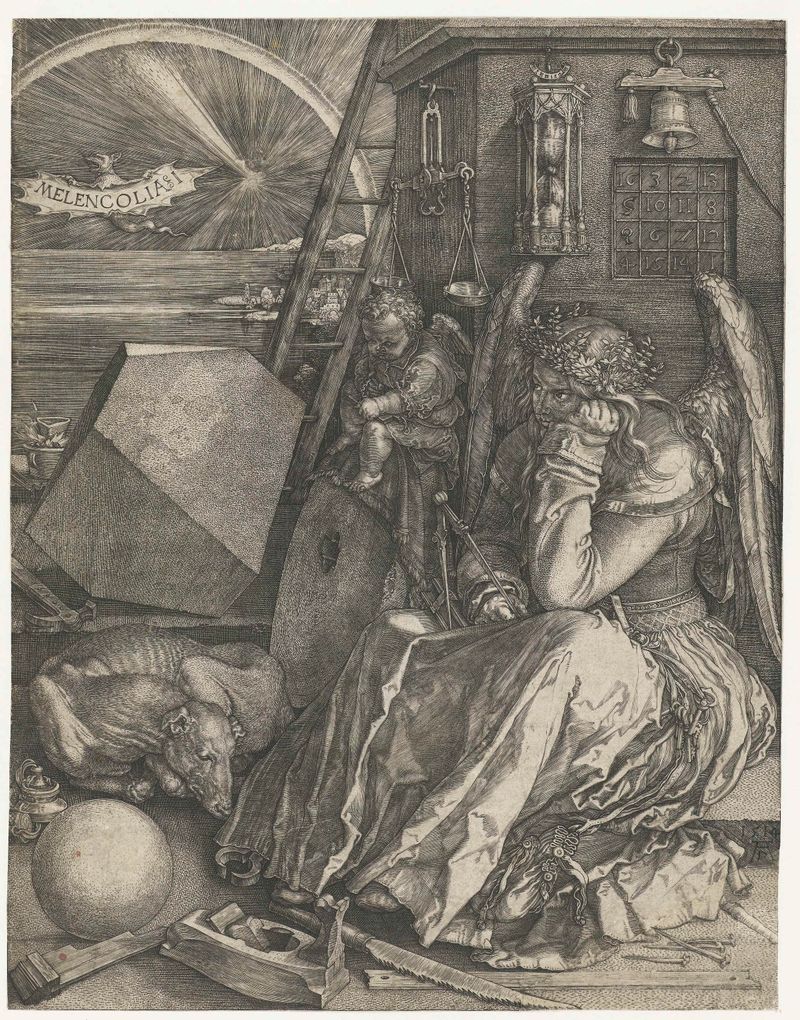
Melancholie
Albrecht Dürer
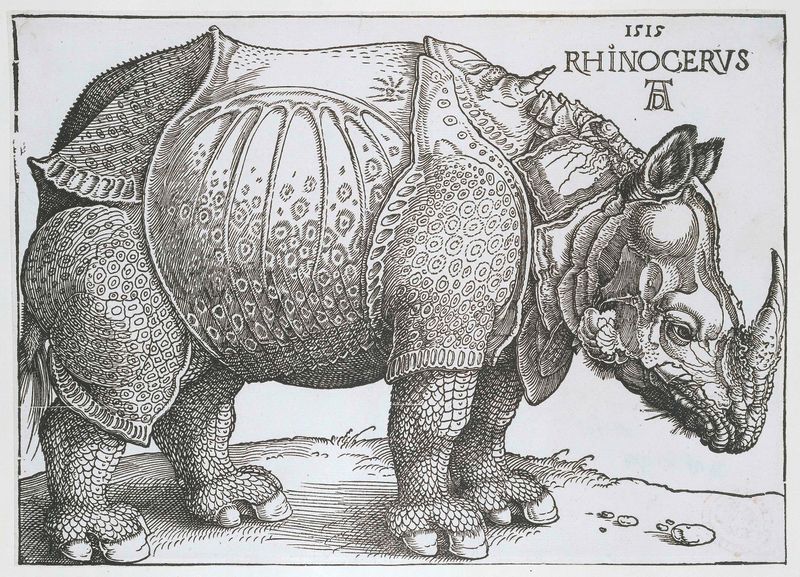
Neushoorn
Albrecht Dürer
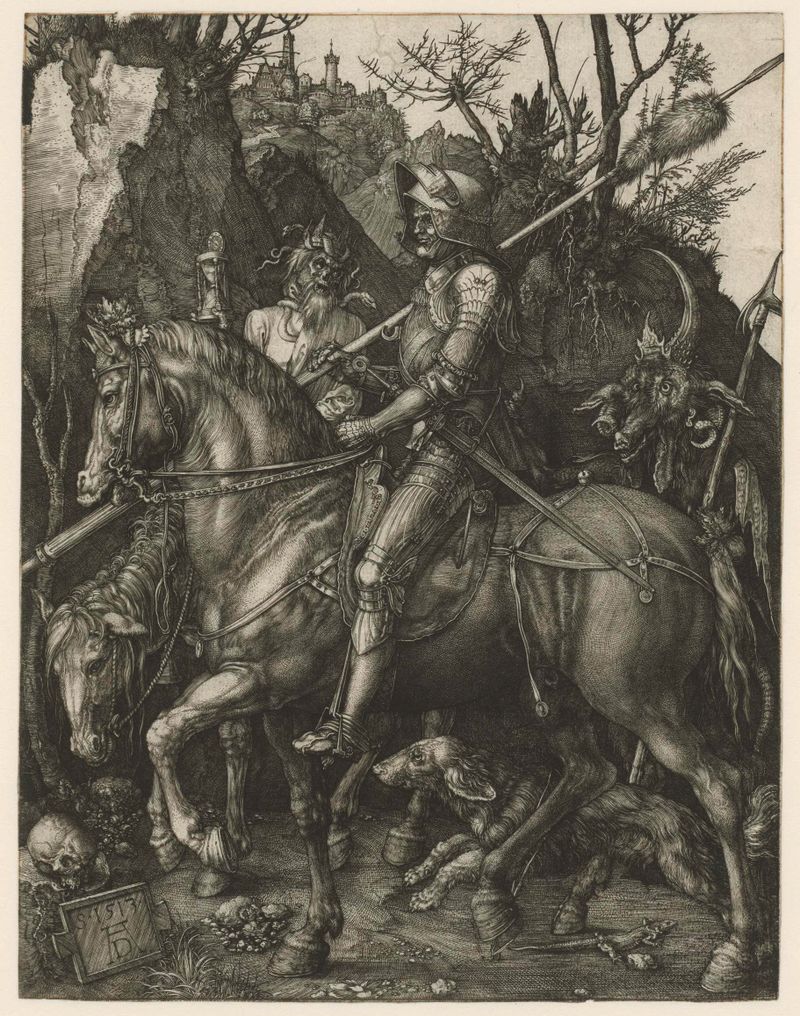
Knight, Death, and the Devil
Albrecht Dürer

De vier ruiters van de apocalyps
Albrecht Dürer
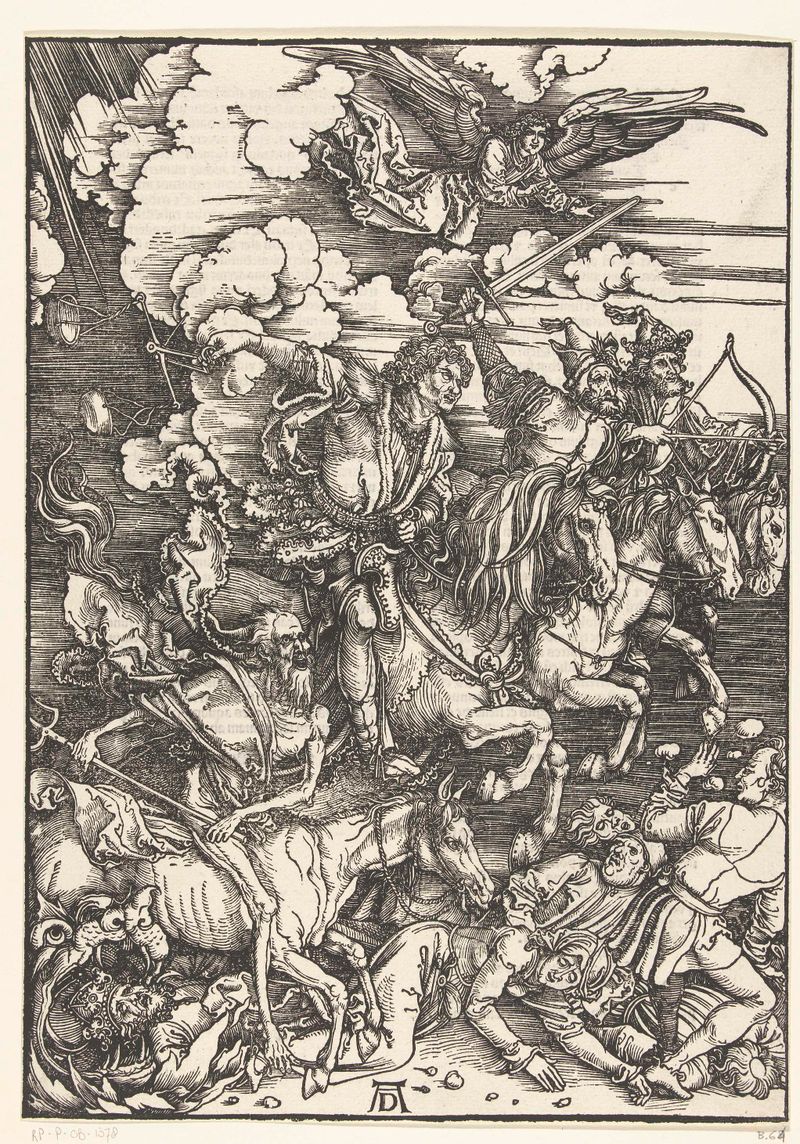
De vier ruiters van de apocalyps
Albrecht Dürer
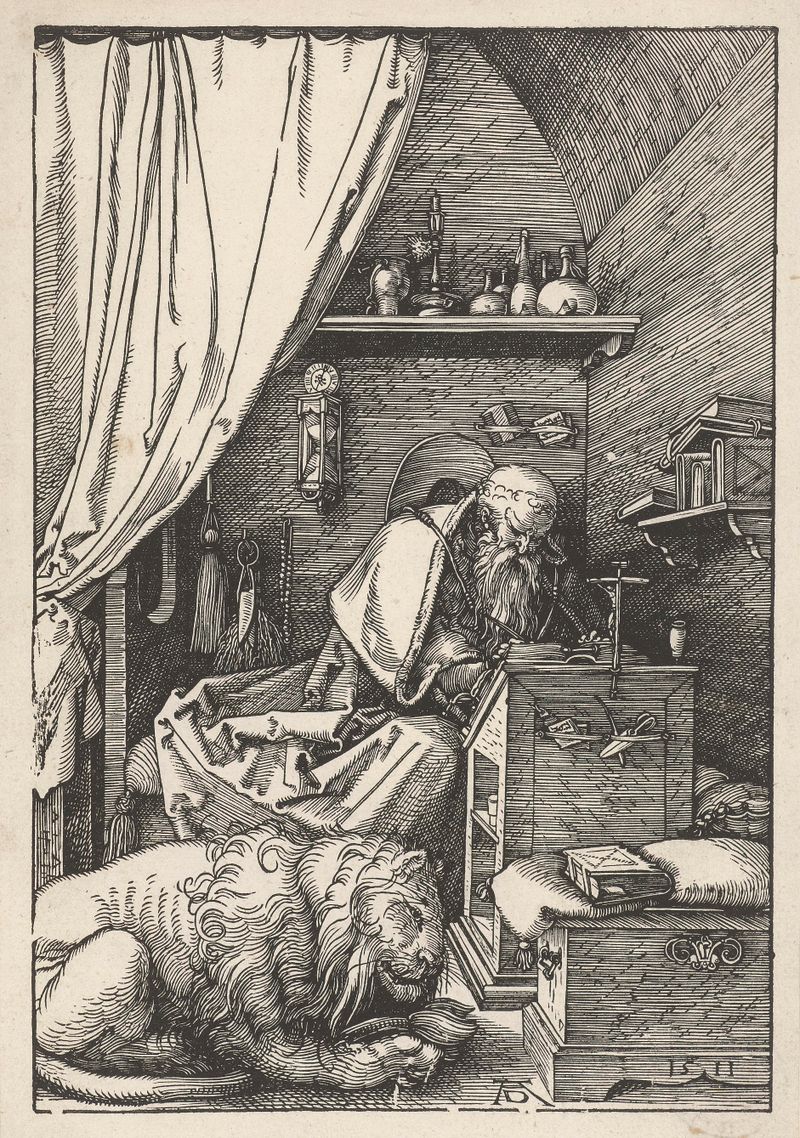
De Heilige Hiëronymus in zijn studeervertrek
Albrecht Dürer
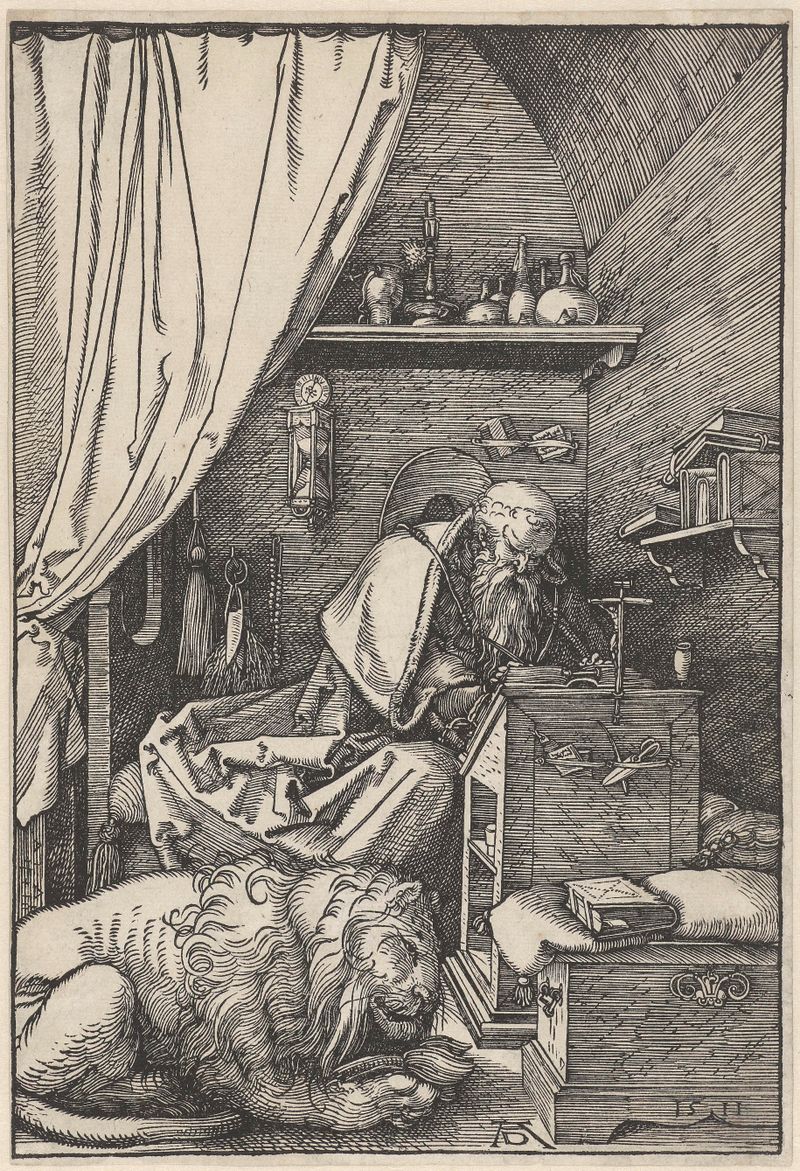
De Heilige Hiëronymus in zijn studeervertrek
Albrecht Dürer
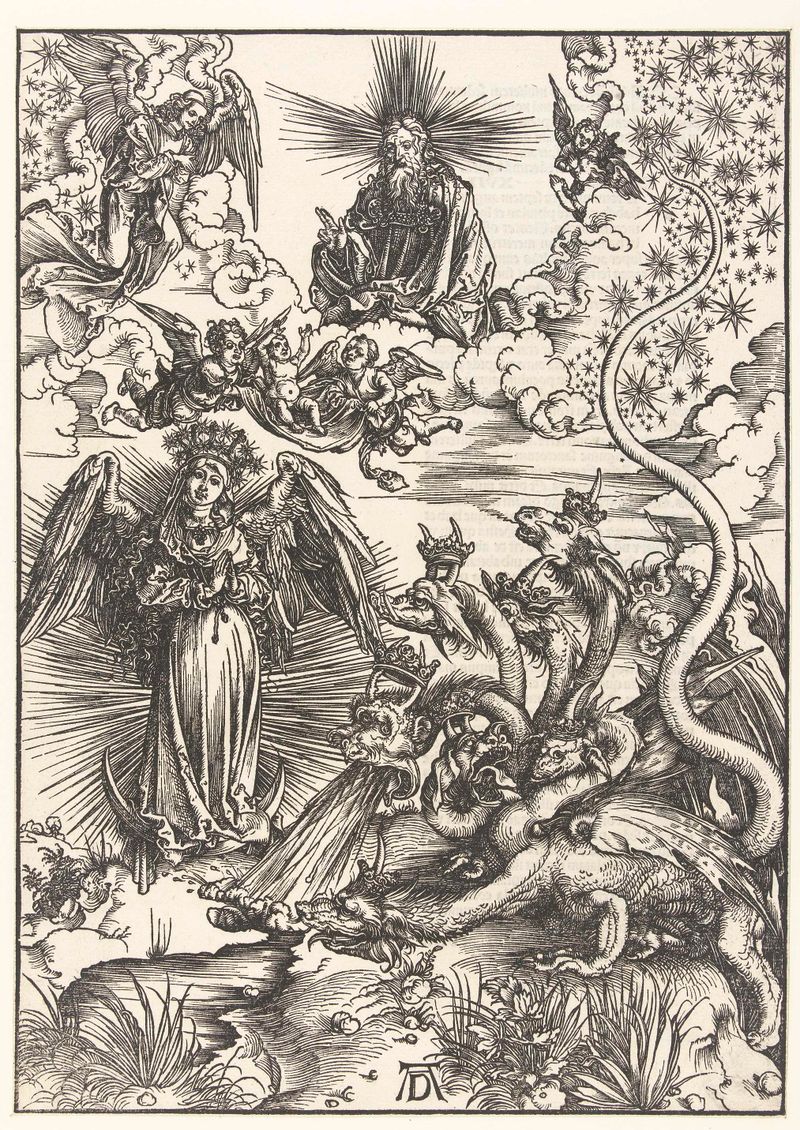
De apocalyptische vrouw en de zevenkoppige draak
Albrecht Dürer
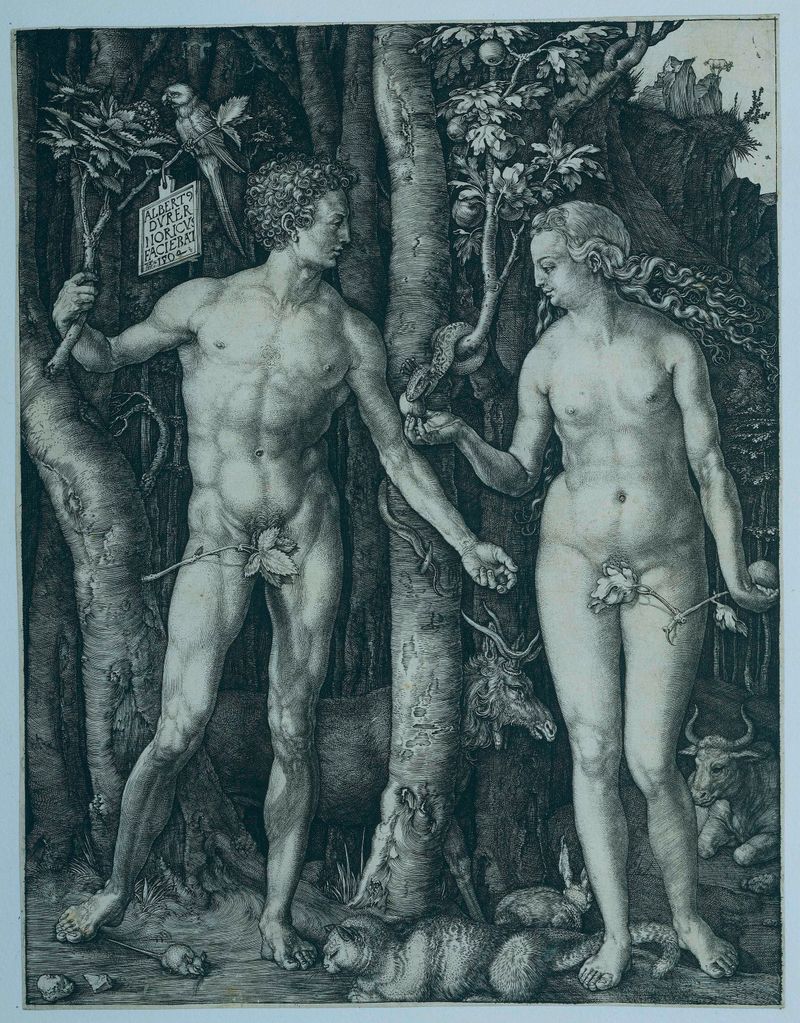
Adam en Eva
Albrecht Dürer
More Religious Art
Browse all →
The Return of the Prodigal Son
Rembrandt van Rijn

The Garden of Earthly Delights
El Bosco

Count Orgaz’ funeral
El Greco

The Hundred Guilder Print: the central piece with Christ preaching, the plate arched
Rembrandt van Rijn

The Descent from the Cross
Rogier van der Weyden

The return of the prodigal son
Rembrandt van Rijn