
Kruisiging — History & Facts
What if beauty was never meant to be finished? The gaze lingers on the intricate details that pulse with emotion, revealing a truth that transcends time. Look to the center where the figure of Christ hangs, suspended in agony yet radiating a dignity that compels contemplation. Notice how Dürer masterfully utilizes line and shadow to create depth, the stark contrast of the pale body against the darkening sky. Every fold of fabric, every curve of the thorn-crowned head draws us into a narrative, the landscape cradling the crucifixion, echoing the somber weight of the moment. This piece is rife with dichotomy: the beauty of the human form juxtaposed with the grotesque act of suffering.
Observe the small details—the anguished faces of the onlookers, each expression a window into despair and reverence. The precision of the background elements, from the distant hills to the stormy heavens, suggests a world that is both watching and mourning. Dürer invites us to reflect not only on the act itself but also on the shared experience of loss and sacrifice. Painted in 1503, this work emerged from a period when Dürer was honing his skills in Nuremberg, a hub of artistic innovation.
During a transformative era for Northern European art, he was deeply influenced by both humanist ideals and emergent printmaking techniques. The Kruisiging captures not just a biblical event but also the artist's struggle with beauty and mortality, imbuing it with a timeless resonance that continues to evoke awe in its viewers.
More Artworks by Albrecht Dürer
Browse all →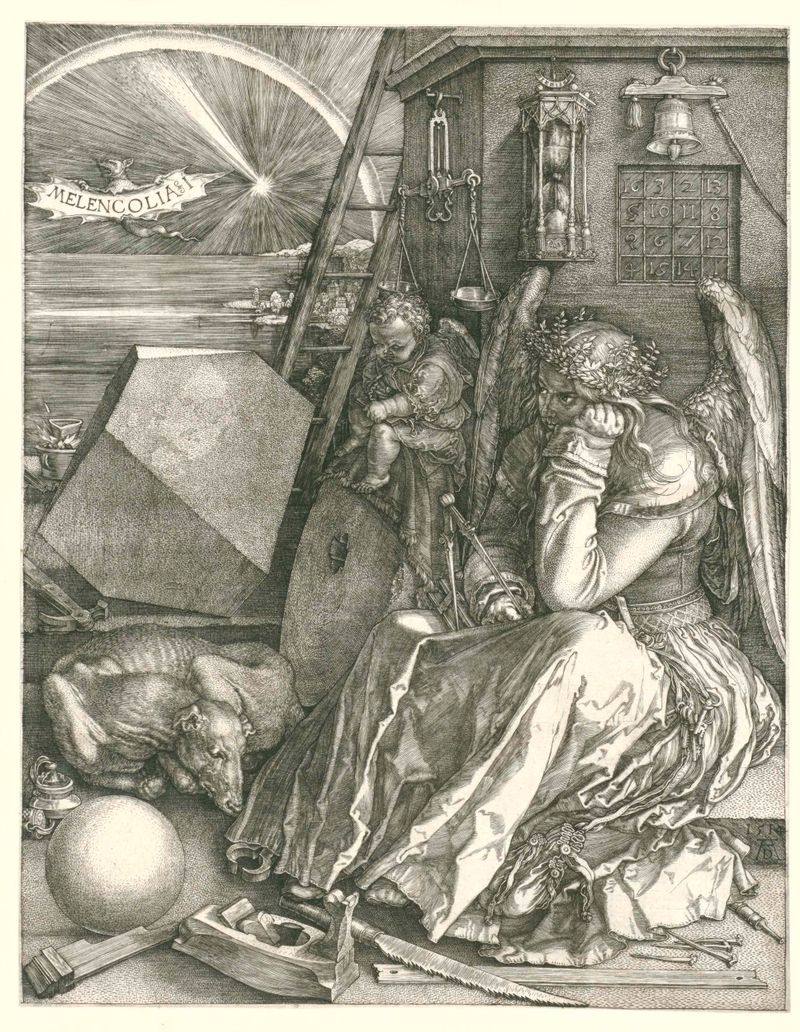
Melancholia
Albrecht Dürer
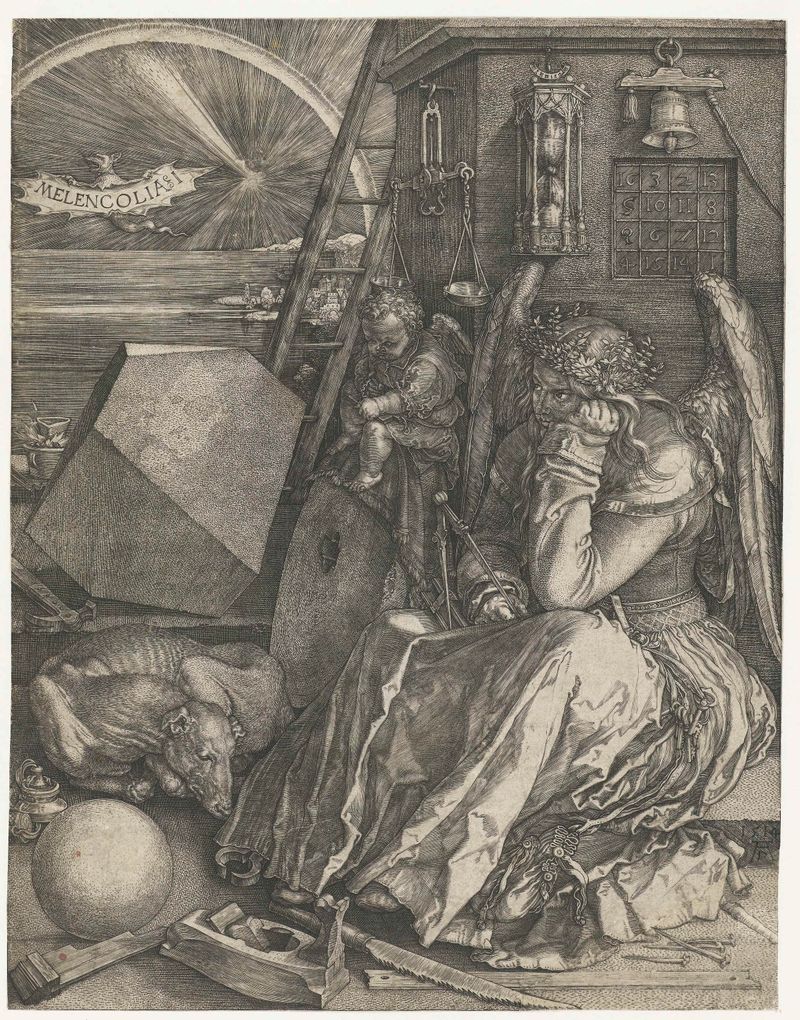
Melancholie
Albrecht Dürer
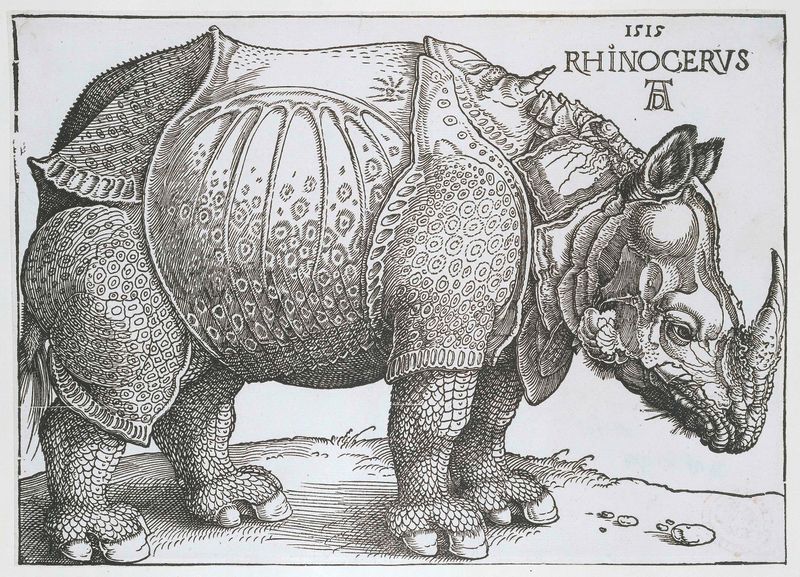
Neushoorn
Albrecht Dürer
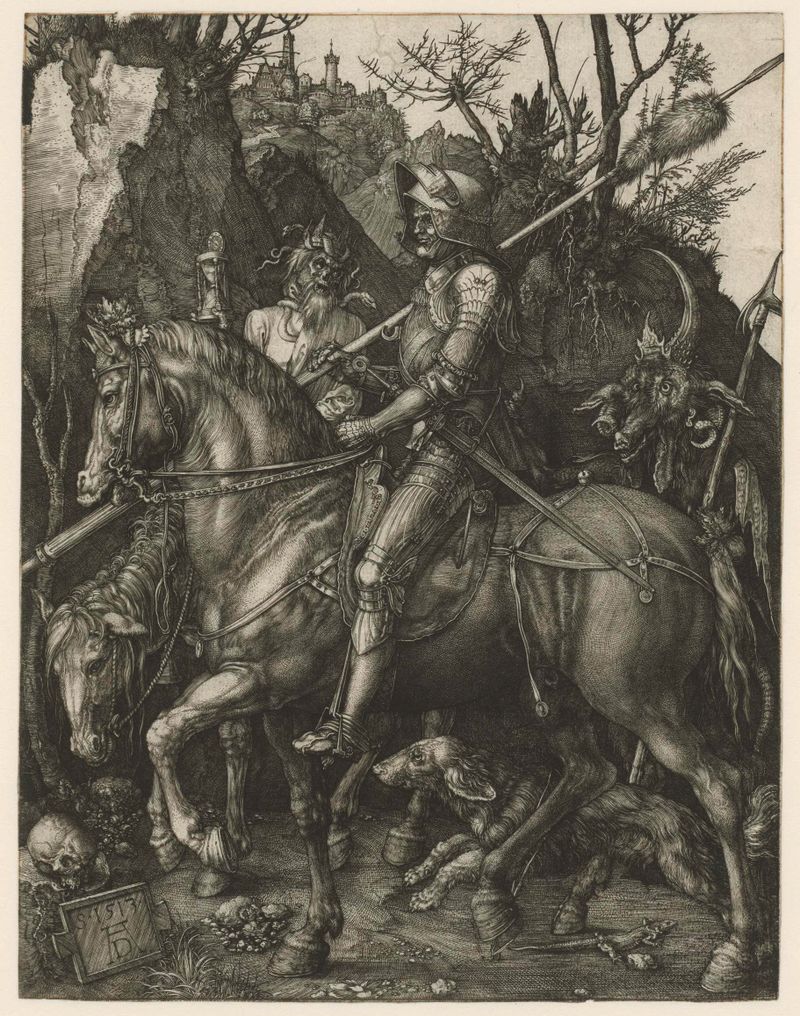
Knight, Death, and the Devil
Albrecht Dürer

De vier ruiters van de apocalyps
Albrecht Dürer

De vier ruiters van de apocalyps
Albrecht Dürer
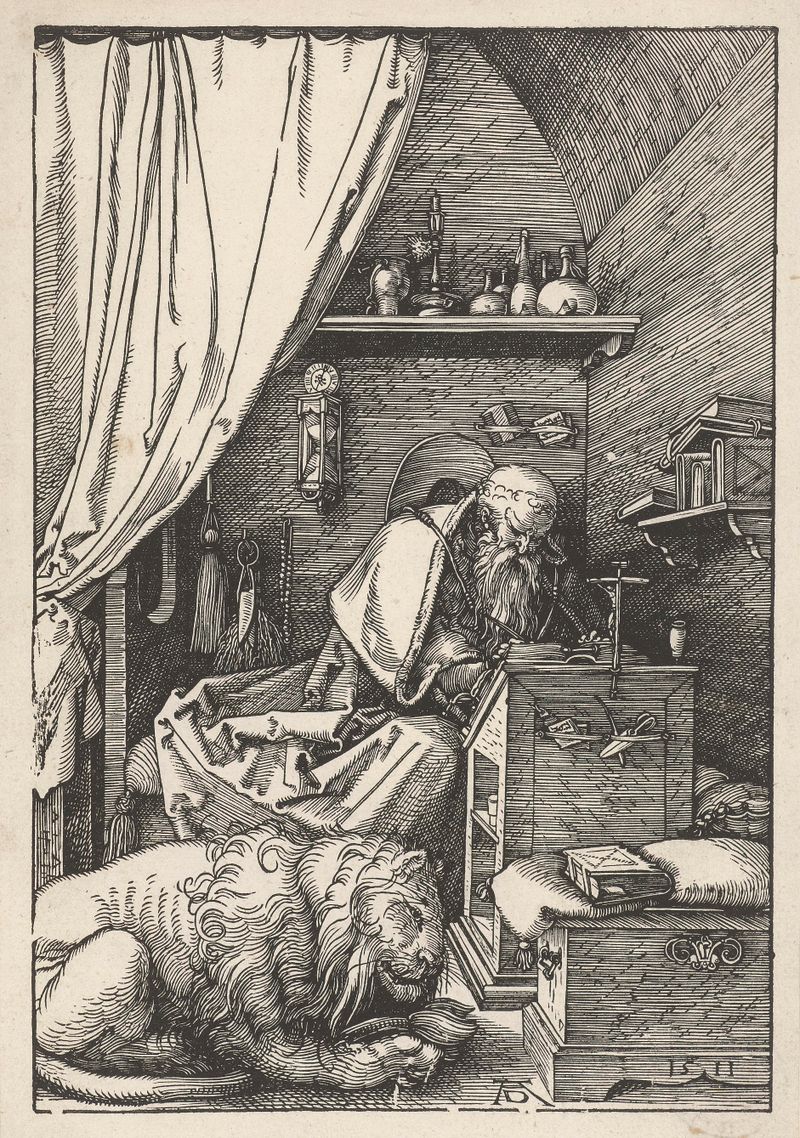
De Heilige Hiëronymus in zijn studeervertrek
Albrecht Dürer
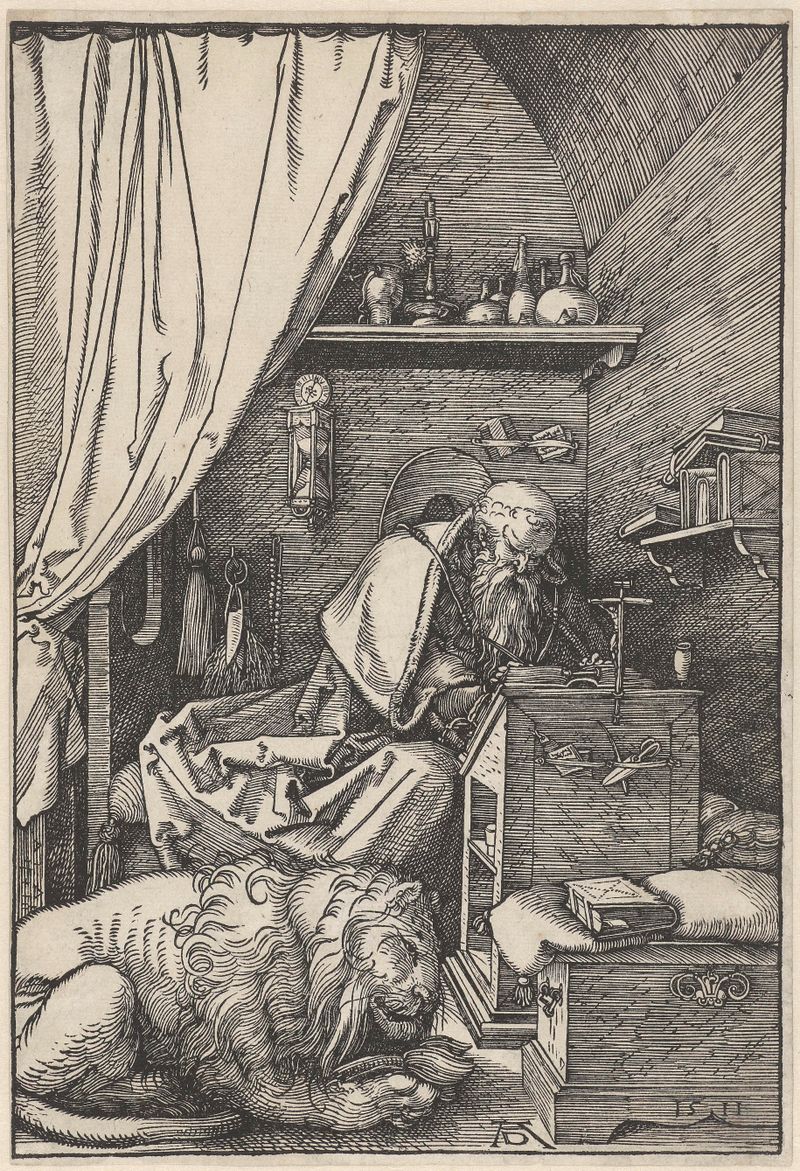
De Heilige Hiëronymus in zijn studeervertrek
Albrecht Dürer
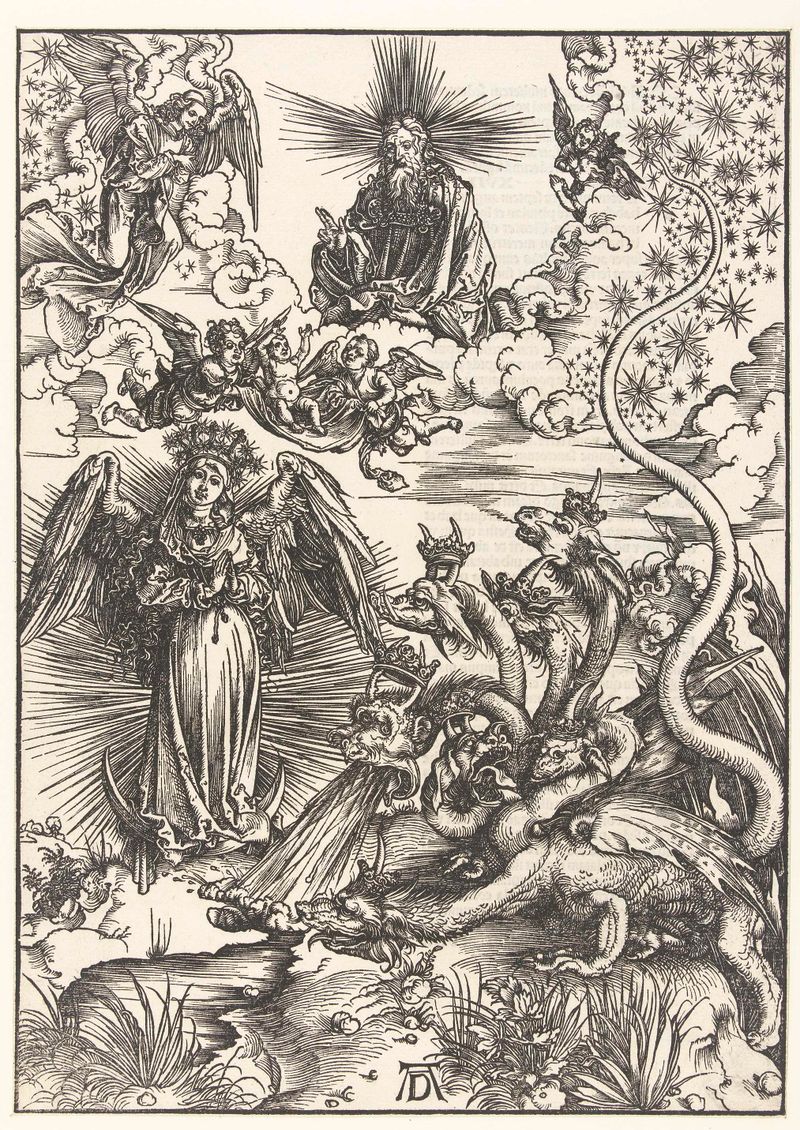
De apocalyptische vrouw en de zevenkoppige draak
Albrecht Dürer
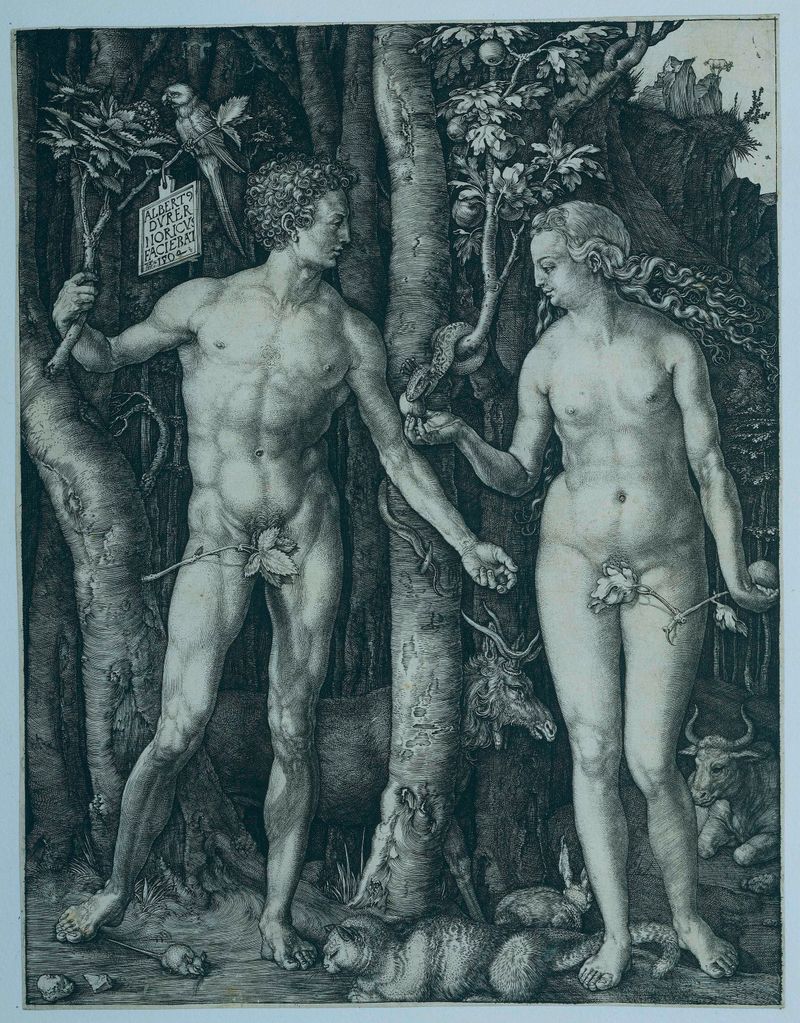
Adam en Eva
Albrecht Dürer
More Religious Art
Browse all →
The Return of the Prodigal Son
Rembrandt van Rijn

The Garden of Earthly Delights
El Bosco

Count Orgaz’ funeral
El Greco

The Hundred Guilder Print: the central piece with Christ preaching, the plate arched
Rembrandt van Rijn

The Descent from the Cross
Rogier van der Weyden

The return of the prodigal son
Rembrandt van Rijn