
Kursaal van Oostende — History & Facts
In Kursaal van Oostende, Alfred Ost captures a lively scene of the Kursaal, a prominent architectural landmark in Oostende, Belgium. The painting features a bright palette dominated by warm yellows, blues, and whites, evoking a sense of light and vibrancy. Figures can be seen enjoying the surroundings, adding life to the composition.
The setting is bustling, reflecting the social atmosphere of the time. The painting is executed in oil on canvas, a medium that allows for rich color application and texture. Ost's brushwork is loose and expressive, characteristic of the Impressionist style, which emphasizes the effects of light and movement. The dimensions are approximately 80 x 100 cm, making it a sizable work that draws the viewer's attention.
The composition is balanced, with the Kursaal as the focal point against a lively background. Alfred Ost was known for his depictions of Belgian coastal scenes, and this painting is a prime example of his focus on architecture and social life. The Kursaal itself was a popular venue for entertainment and gatherings, symbolizing the leisure culture of the late 19th and early 20th centuries. An interesting fact about this work is that it reflects the transition in art towards capturing everyday life, a hallmark of the Impressionist movement.
Ost's ability to convey the atmosphere of the moment makes this piece notable in his oeuvre.
More Artworks by Alfred Ost

Danseres
Alfred Ost

Dansers
Alfred Ost
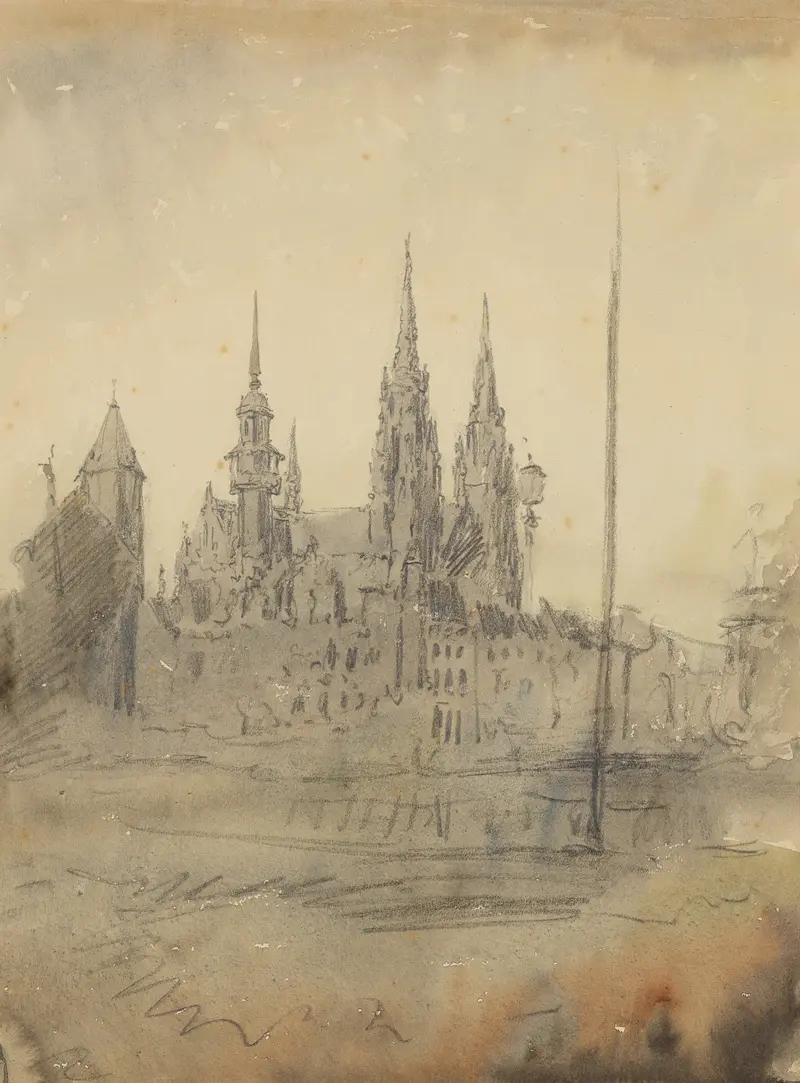
Oostende in de mist
Alfred Ost
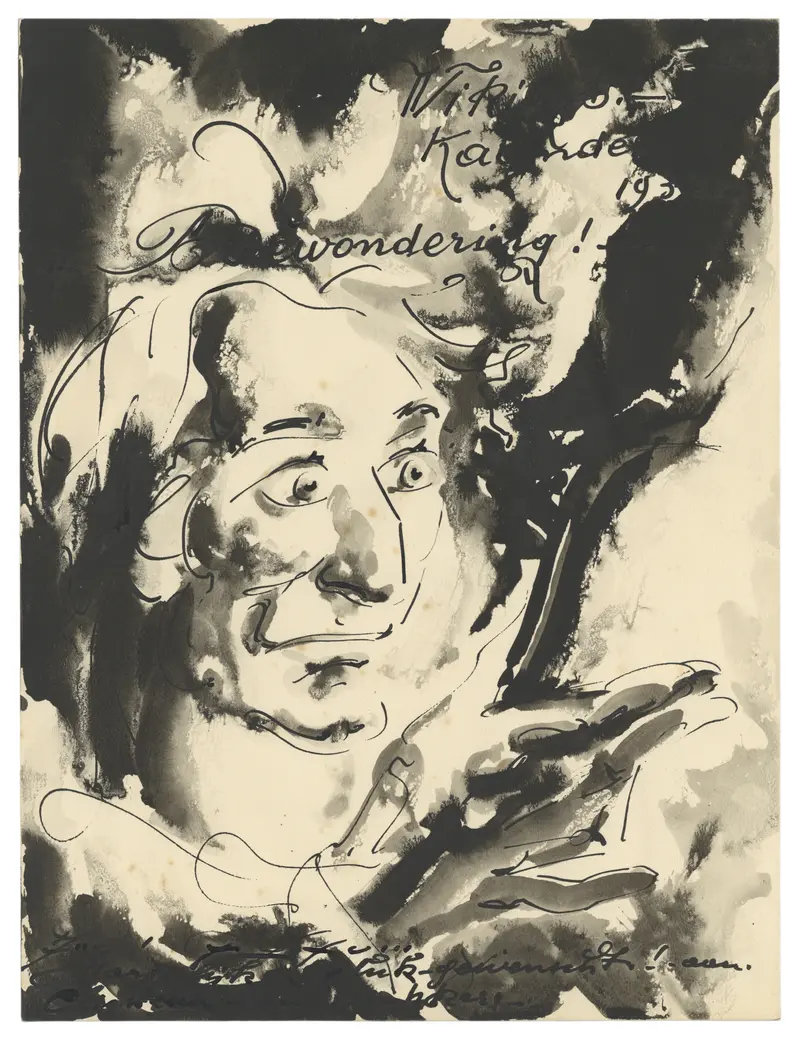
Vikingskalender – II Bewondering
Alfred Ost
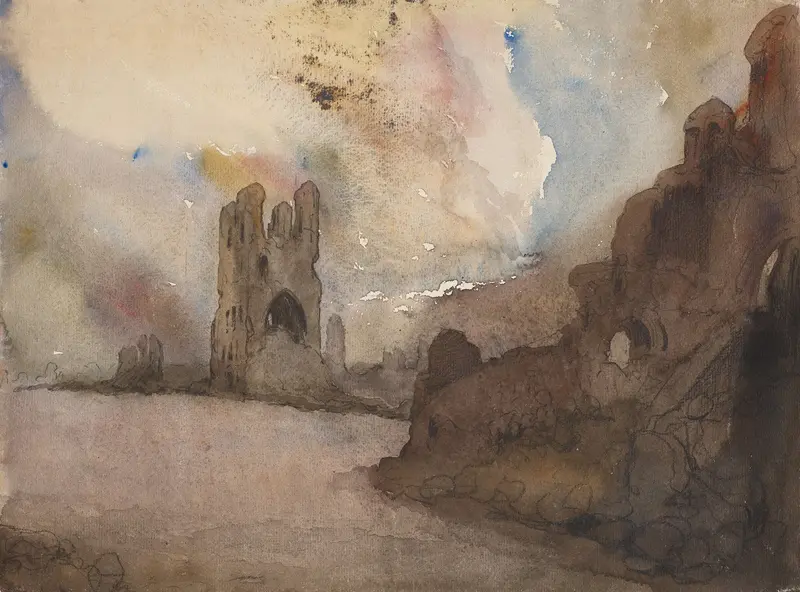
Ypres Remember
Alfred Ost
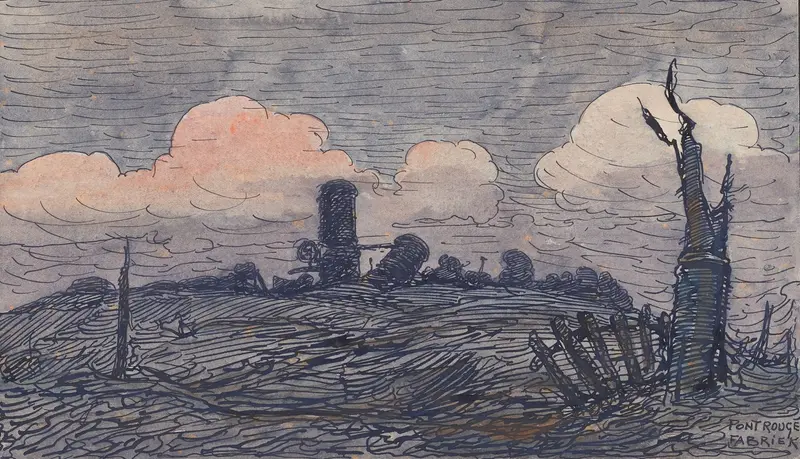
Ypres Remember
Alfred Ost
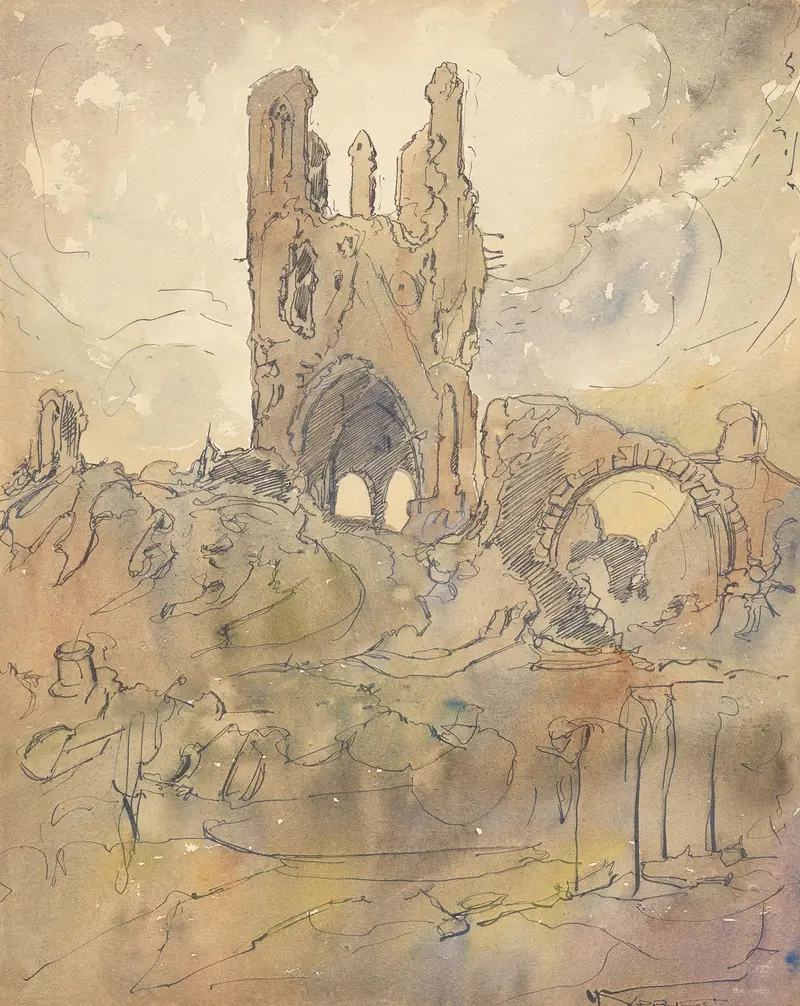
Ypres Remember
Alfred Ost
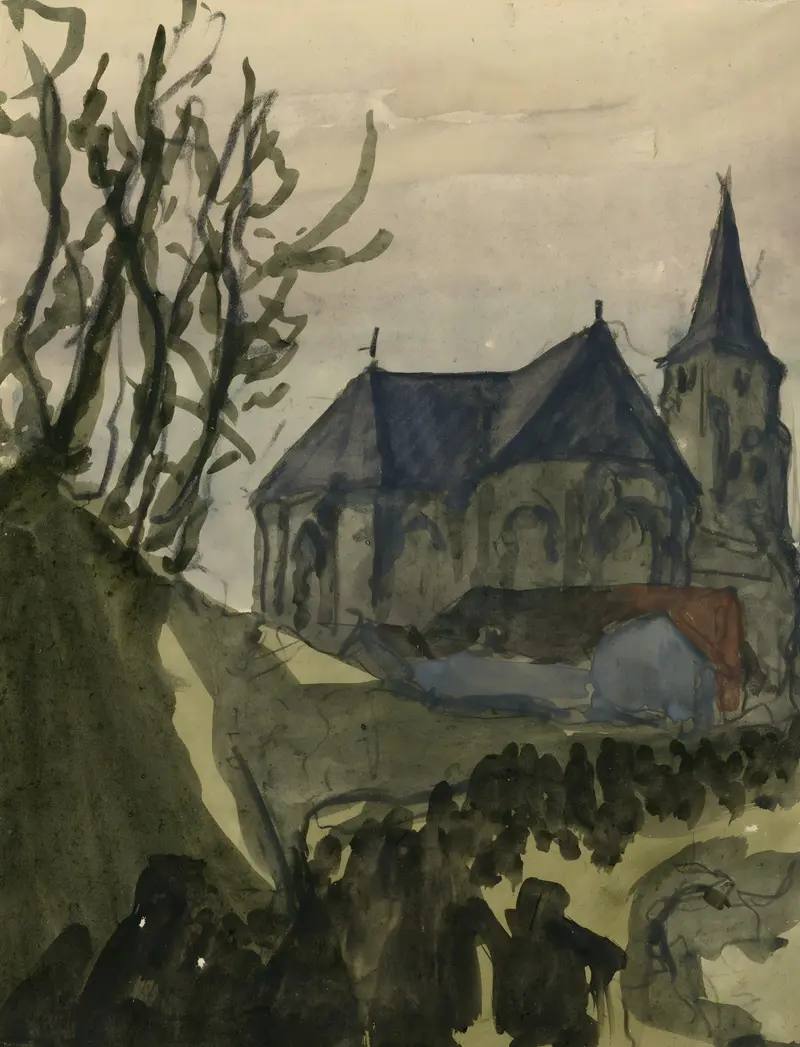
Bedevaarders op weg naar de Sint Salavtorkerk van Hakendover
Alfred Ost
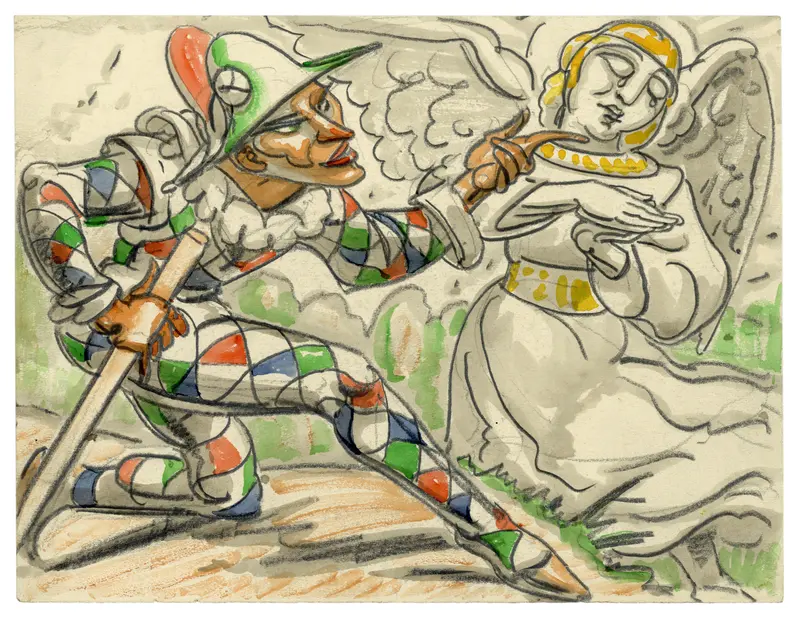
Harlekijn met engel
Alfred Ost

Antwerps havendok
Alfred Ost





