
Discover insights about this artwork
L´Allée des marronniers au Jas de Bouffan — History & Facts
In L´Allée des marronniers au Jas de Bouffan, we see a serene landscape filled with lush greenery. The painting features a pathway lined with chestnut trees, creating a natural tunnel effect. Cézanne uses a palette of greens, browns, and hints of blue, capturing the essence of the Provençal countryside.
The dappled light filtering through the leaves adds depth and warmth to the scene. Cézanne's technique is evident in the way he applies paint in thick, expressive brushstrokes. The composition is carefully structured, with the trees framing the pathway and guiding the viewer's eye into the distance. The use of color is not just for representation but also for emotional impact, as seen in the contrasting shades.
This painting exemplifies Cézanne's transition from Impressionism to his unique style of Post-Impressionism. Paul Cézanne created L´Allée des marronniers au Jas de Bouffan around the late 1870s, during a period of significant artistic development. This work reflects his deep connection to the landscape of Aix-en-Provence, where he spent much of his life. An interesting fact about this painting is that it showcases Cézanne's innovative approach to perspective, which would influence future generations of artists.
His focus on geometric forms and structure laid the groundwork for modern art.
More Artworks by Paul Cézanne
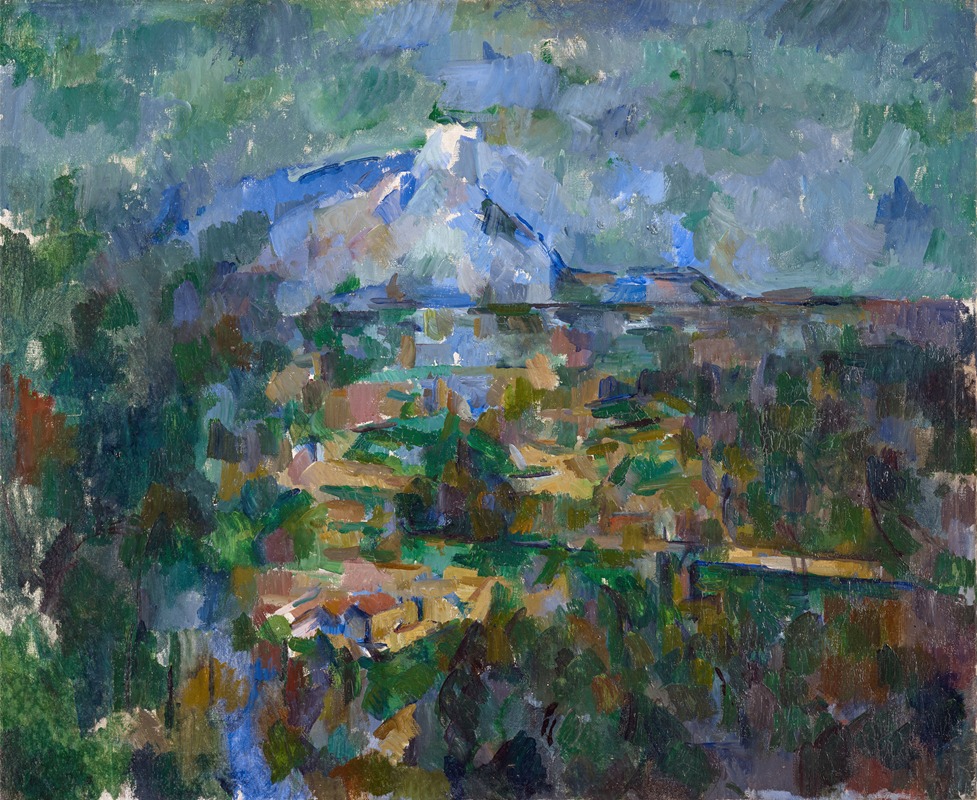
The Mont Sainte-Victoire Seen From Les Lauves
Paul Cézanne
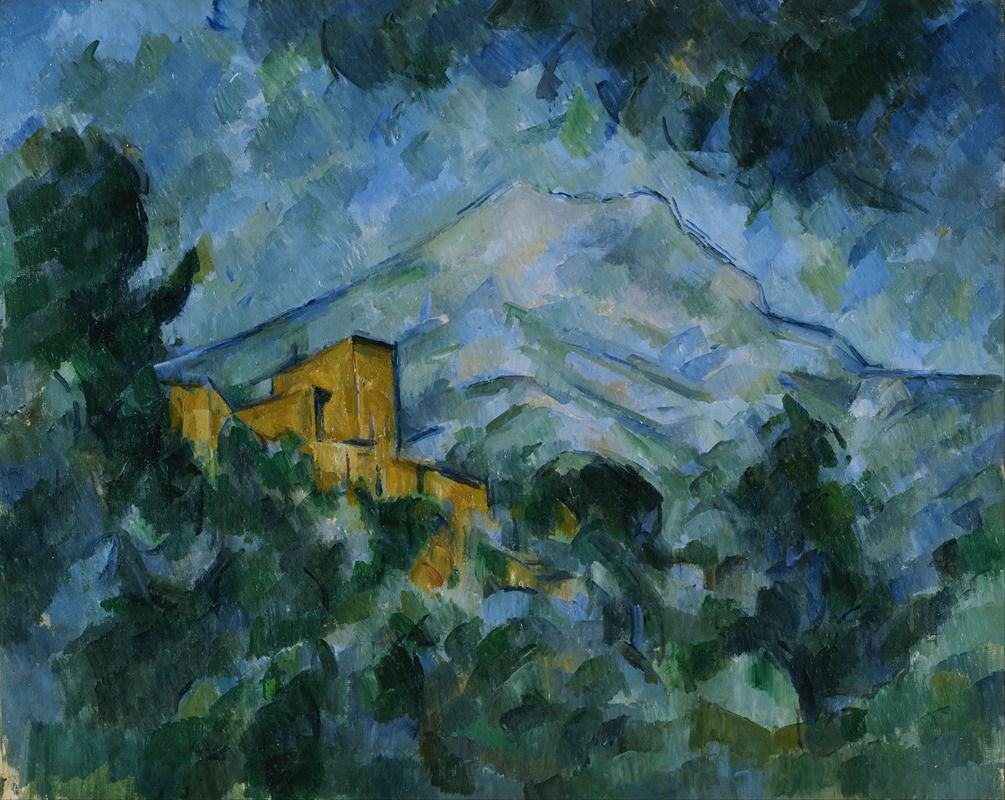
Mont Sainte-Victoire and Château Noir
Paul Cézanne
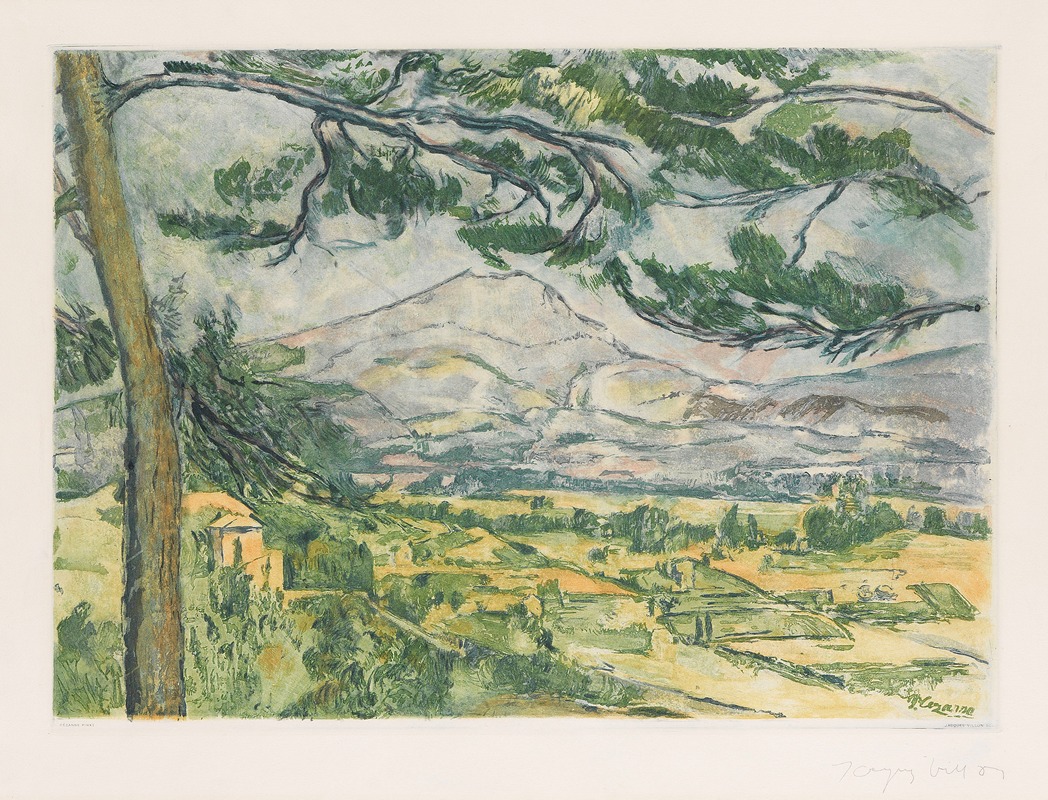
La Montagne Sainte-Victoire
Paul Cézanne
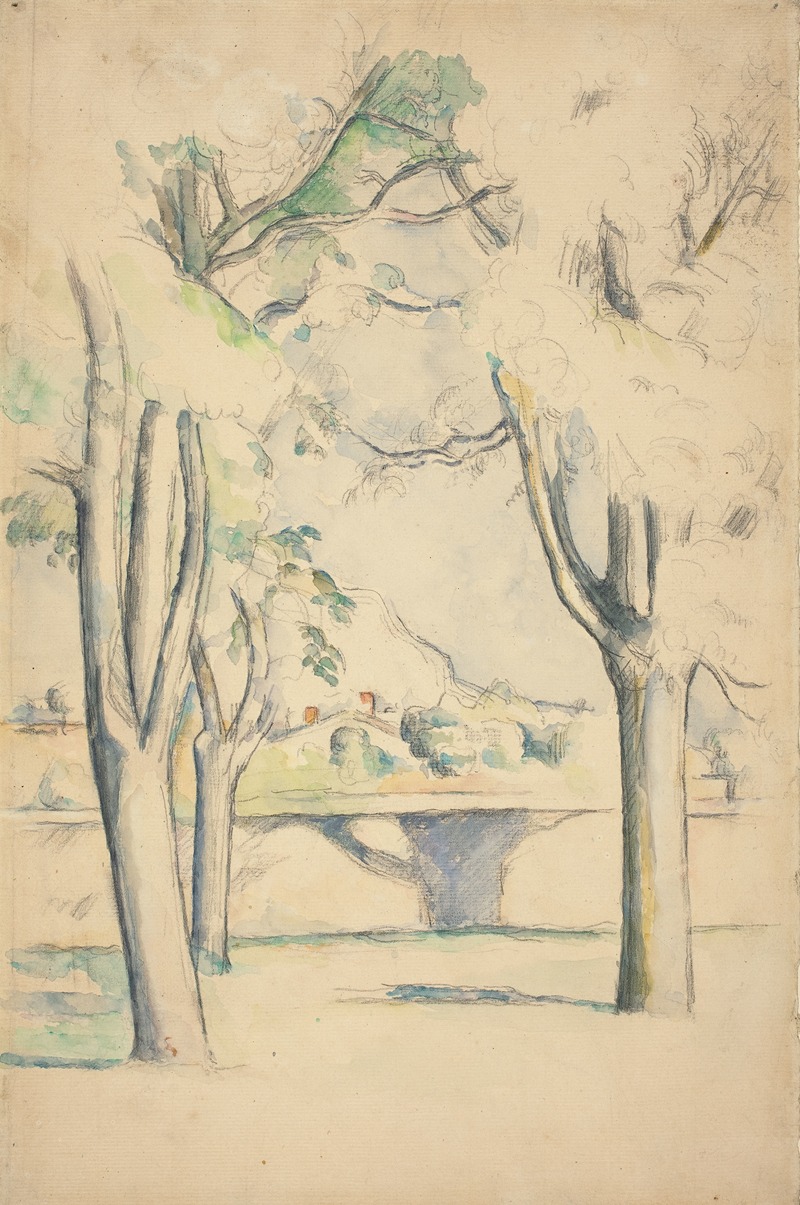
Mont Sainte-Victoire Seen beyond the Wall of the Jas de Bouffan
Paul Cézanne
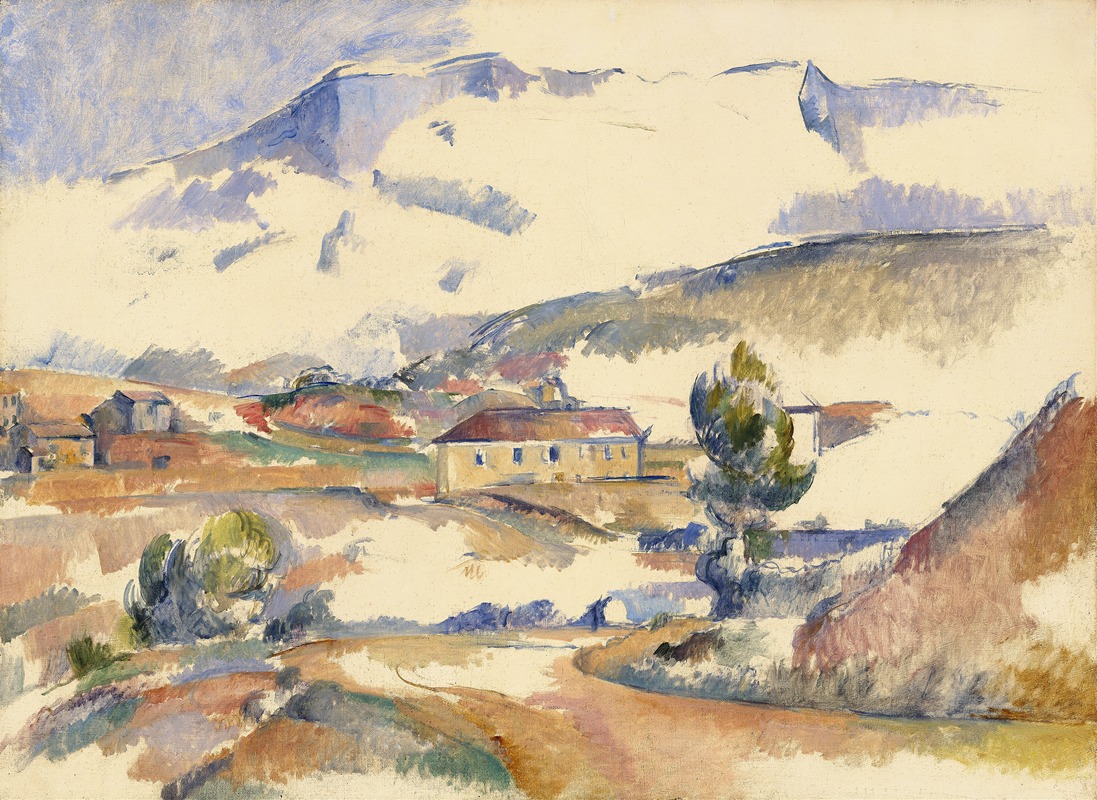
Montagne Sainte-Victoire,from near Gardanne
Paul Cézanne
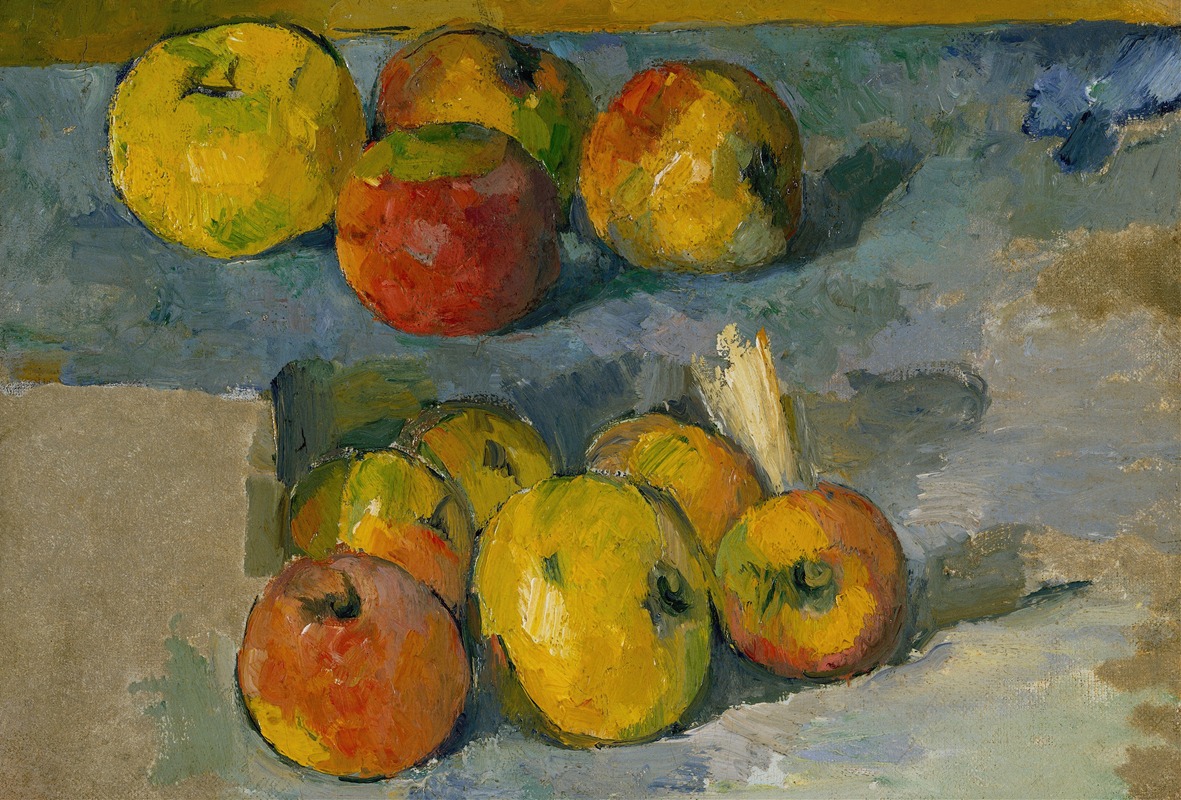
Apples
Paul Cézanne
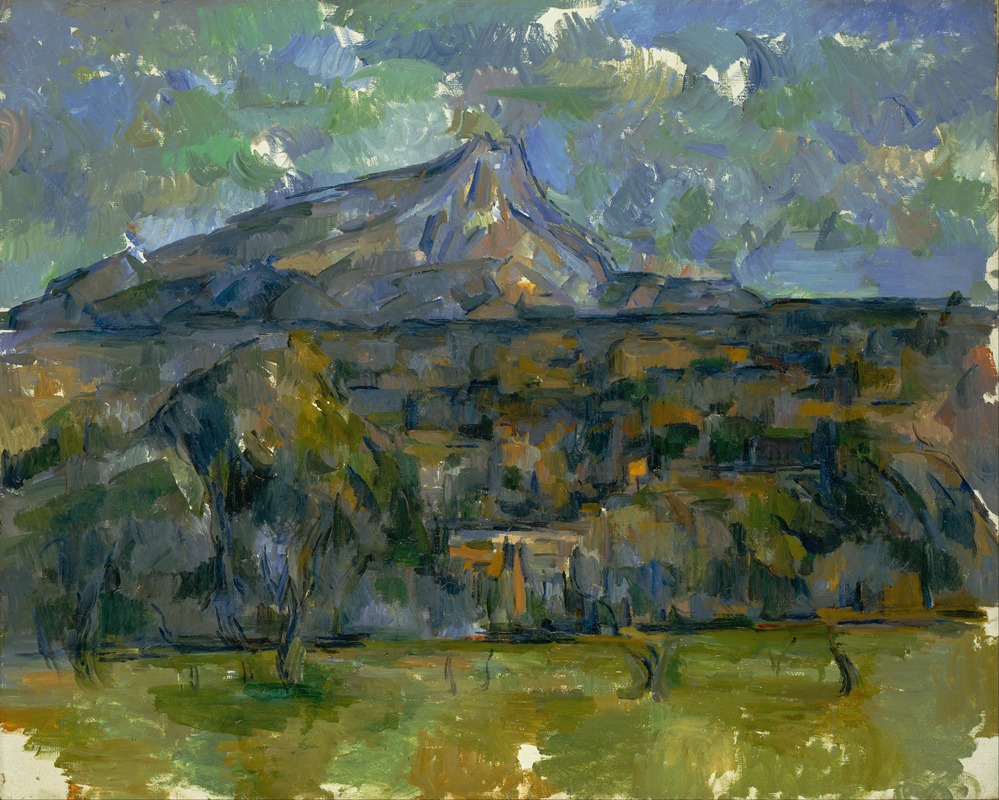
Mont Sainte-Victoire
Paul Cézanne
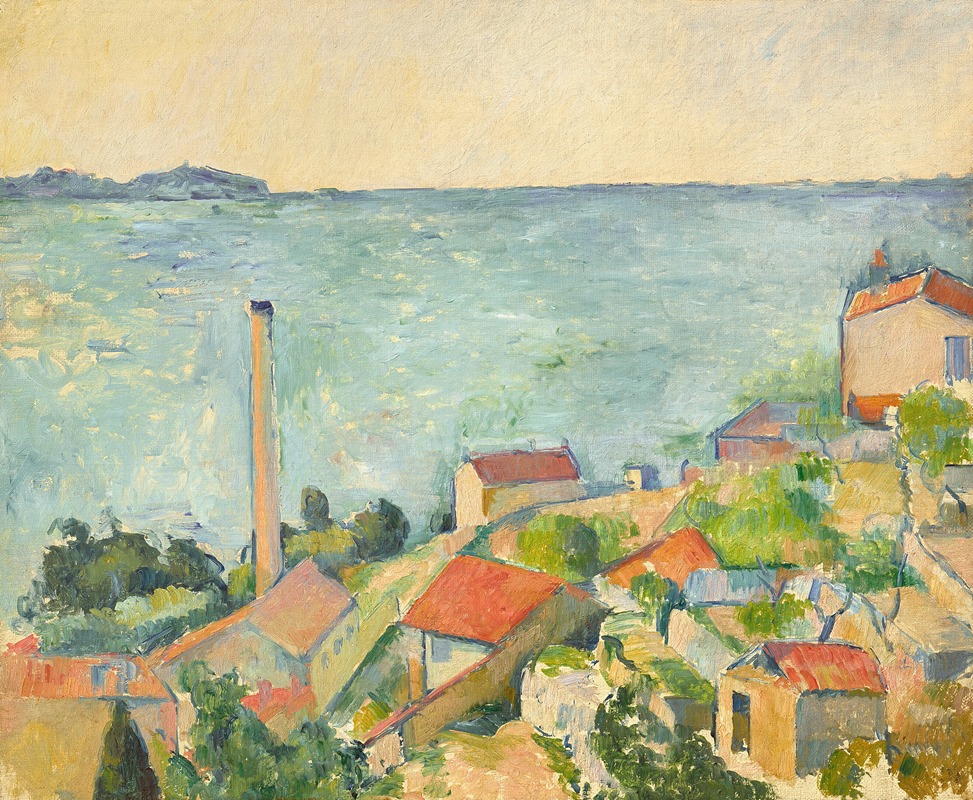
La mer à l’Estaque
Paul Cézanne
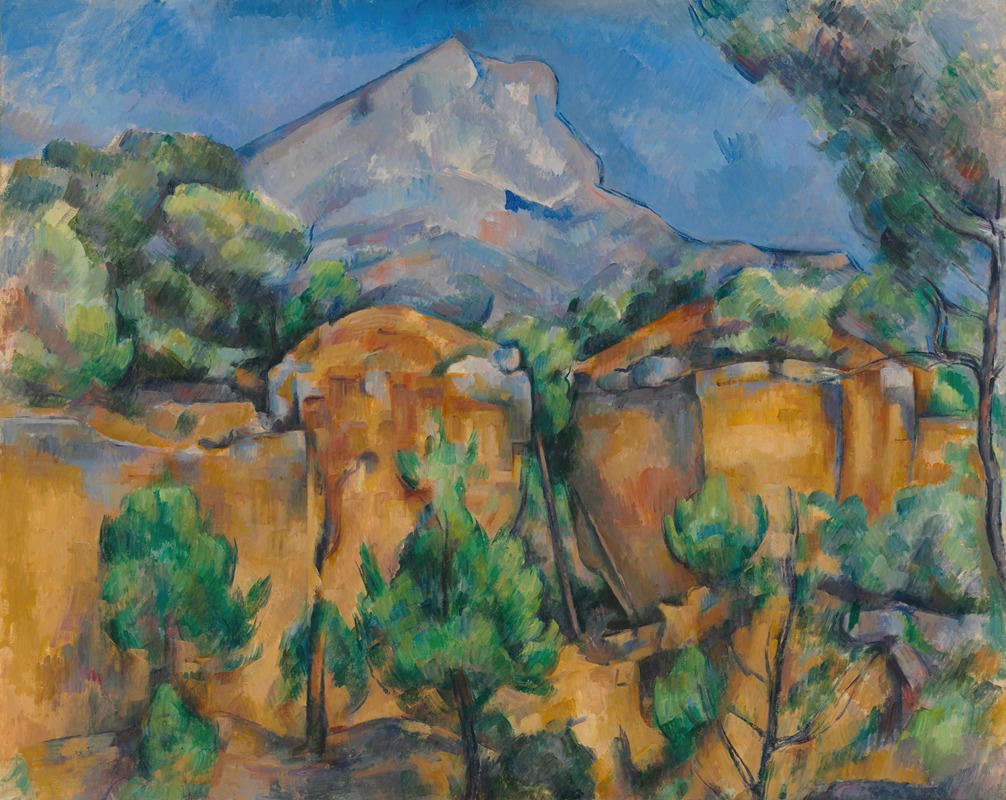
La Montagne Sainte-Victoire vue de la carrière Bibémus
Paul Cézanne
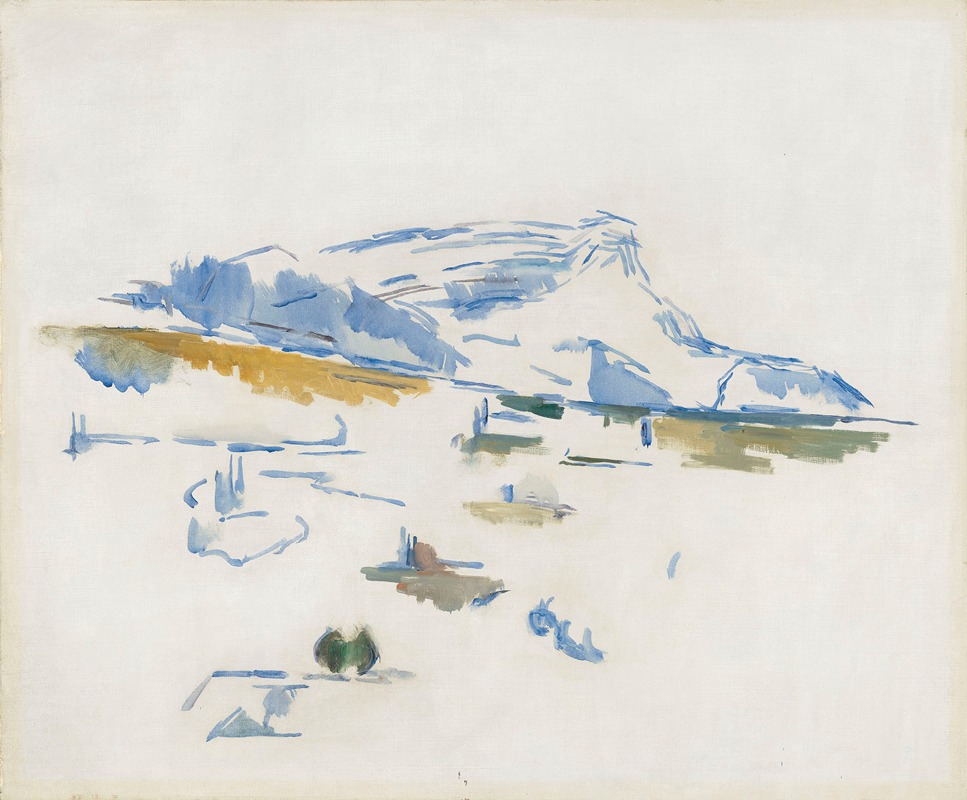
La Montagne Sainte-Victoire vue des Lauves
Paul Cézanne
More Landscape Art
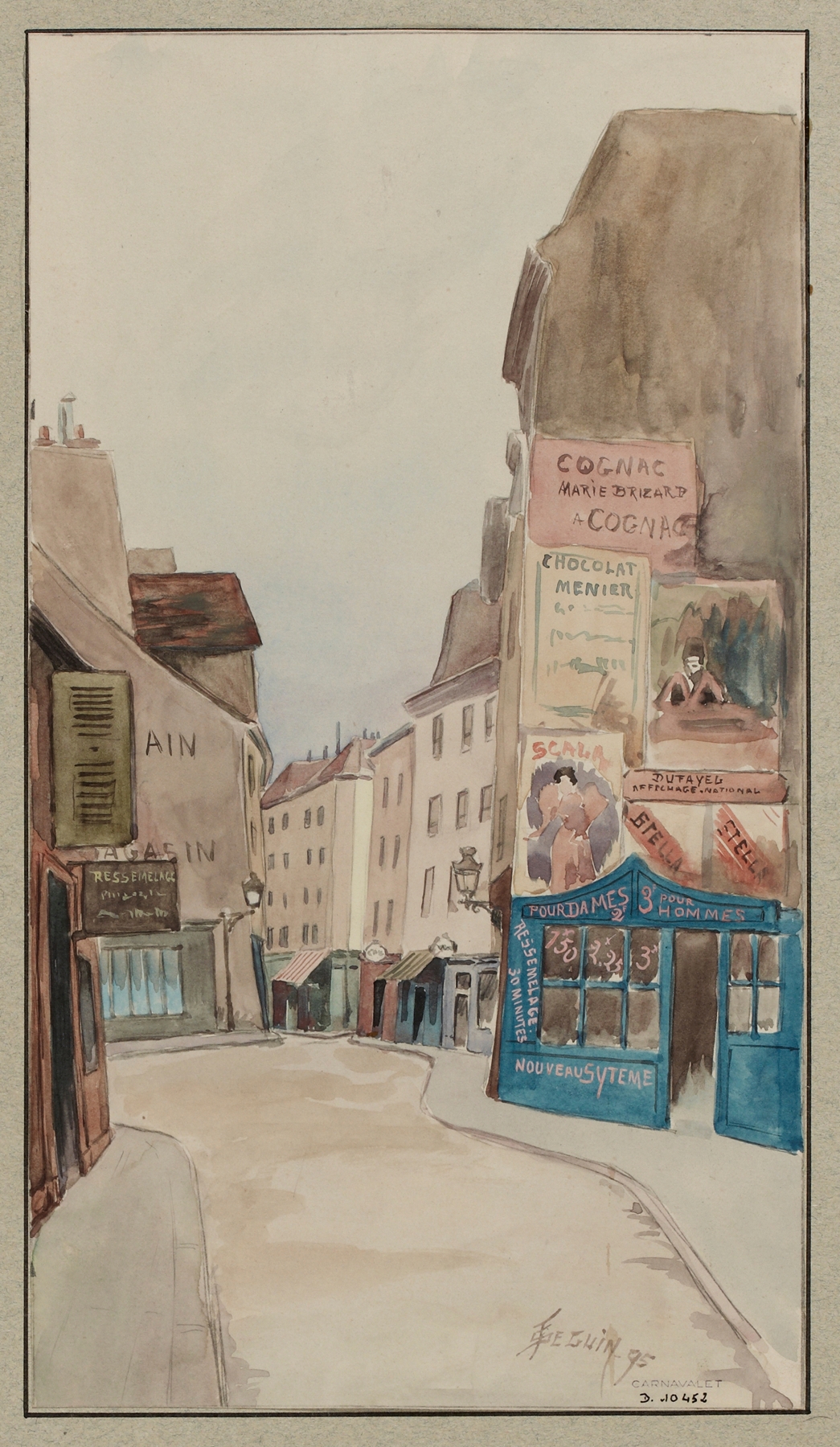
Rue Descartes
F. Séguin
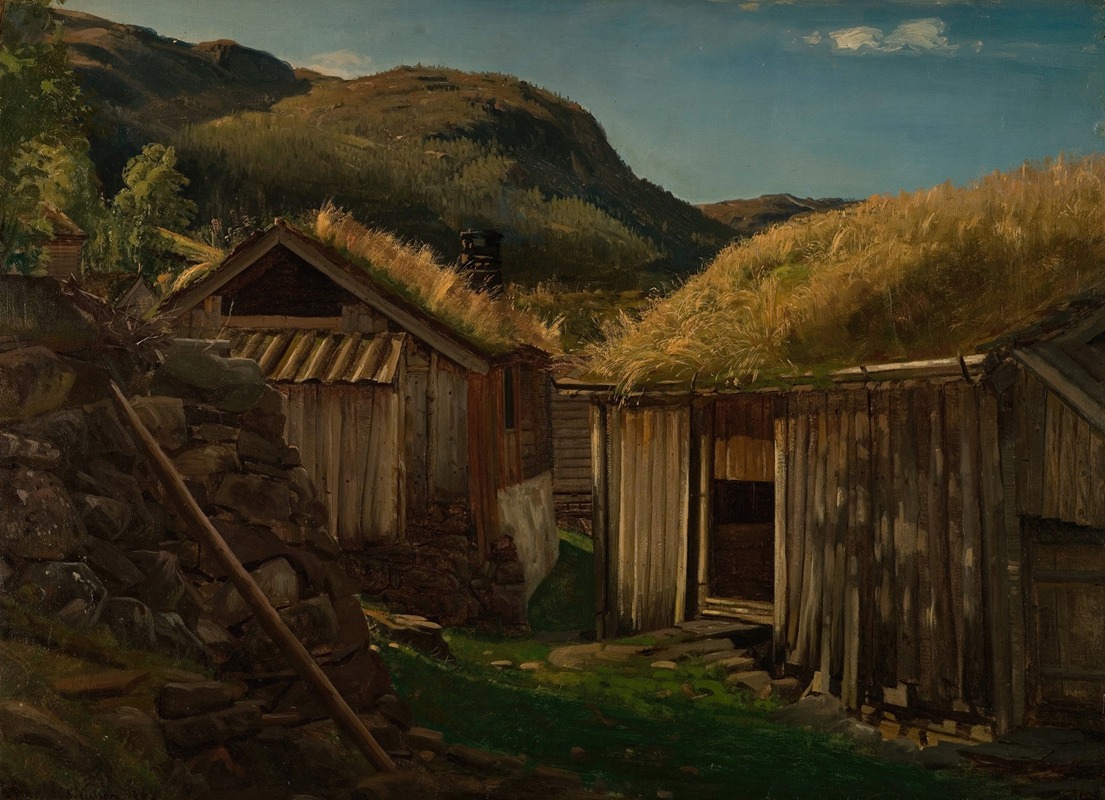
Aarhus, Suldal, Ryfylke
Amaldus Nielsen
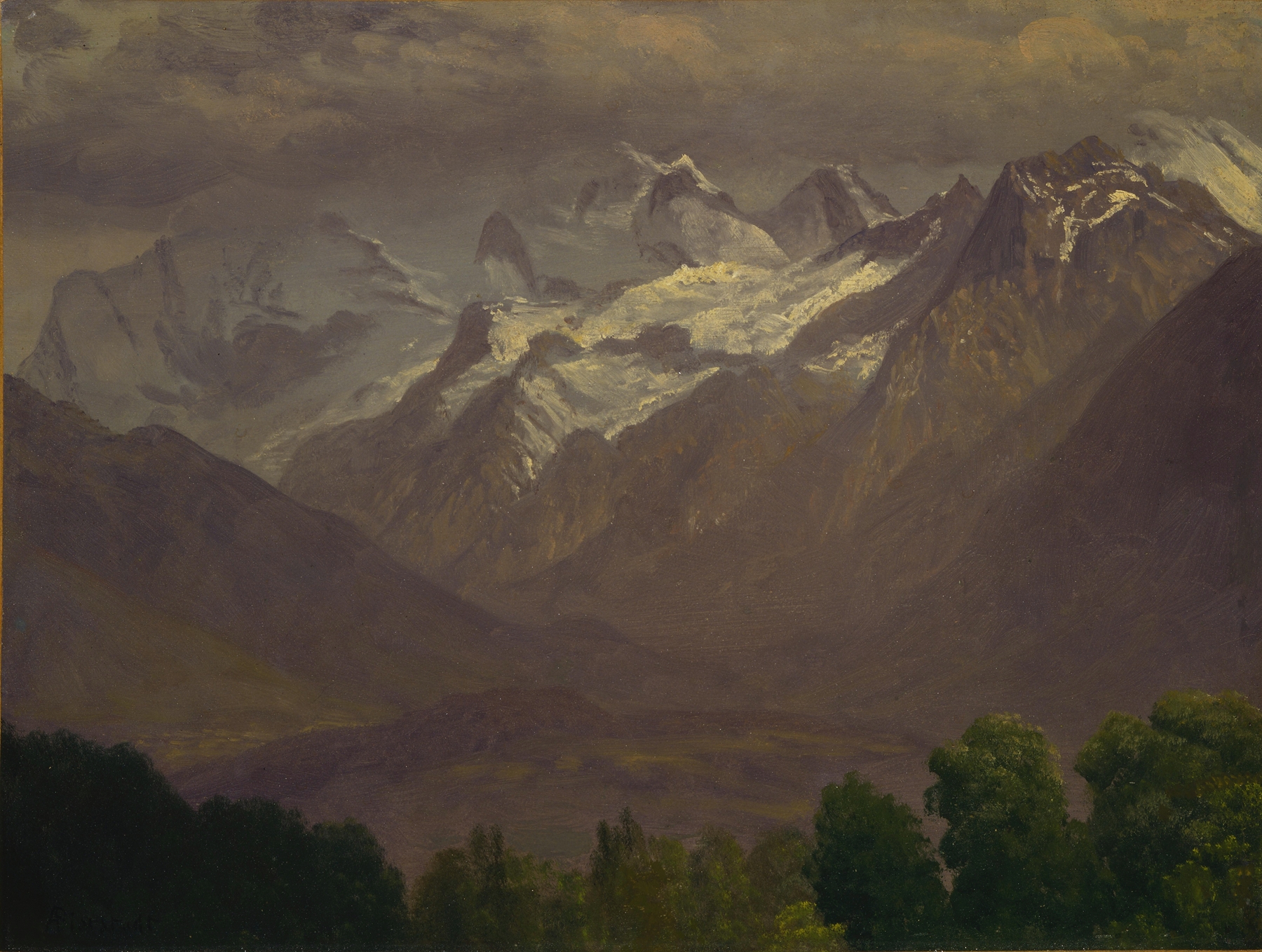
In the High Mountains
Albert Bierstadt
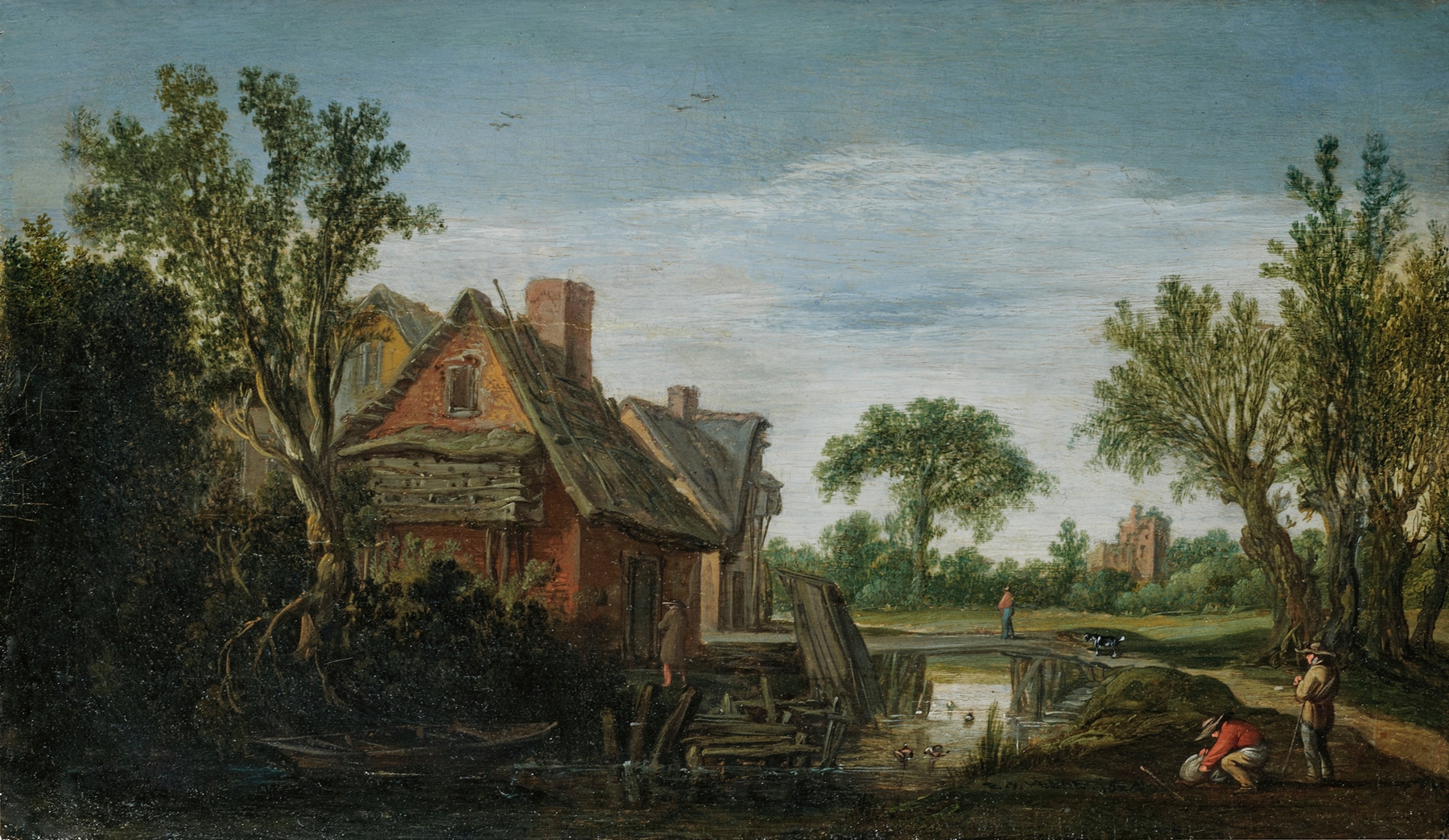
The Hague A Wooded River Landscape With Figures On A Path On A River Bank Beside A Village, A Bridge Beyond
Esaias van de Velde
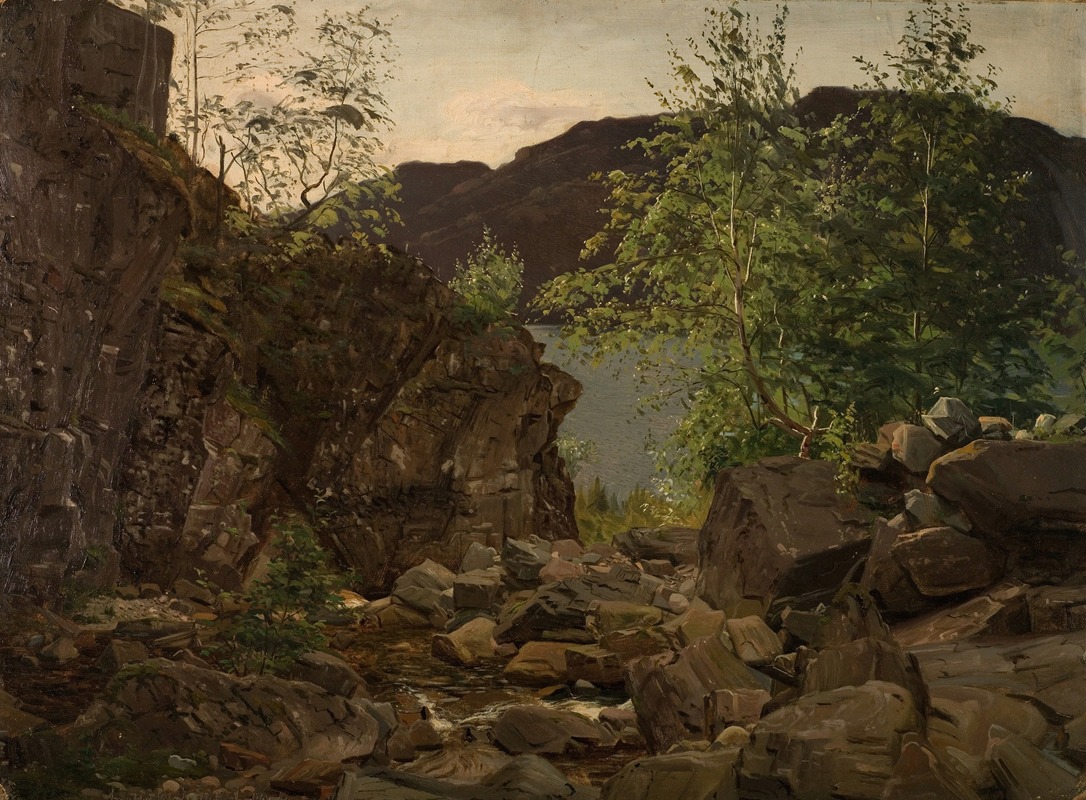
Aarhus, Suldal, Ryfylke
Amaldus Nielsen
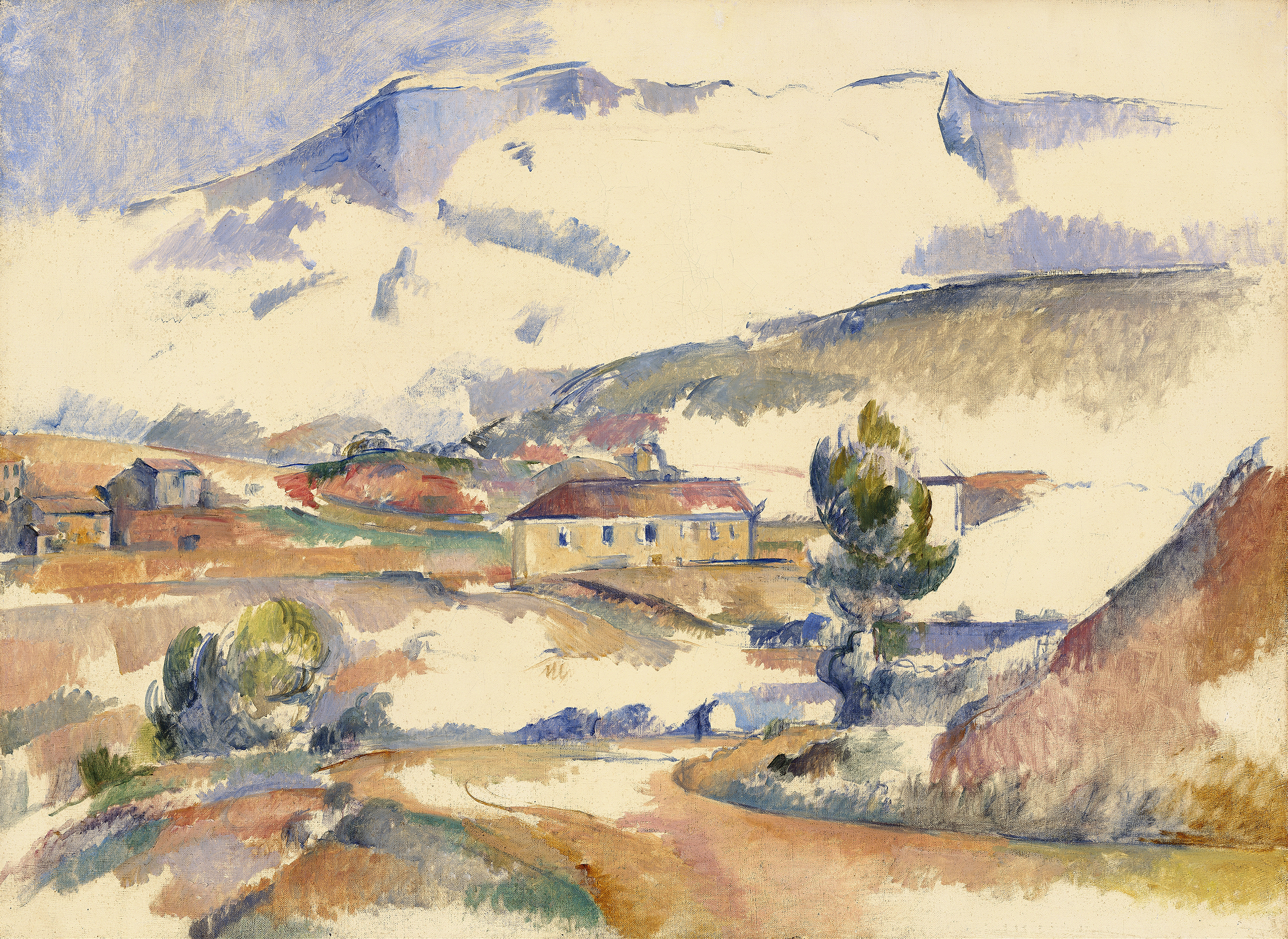
Montagne Sainte-Victoire,from near Gardanne
Paul Cezanne