
Discover insights about this artwork
L’amore virtuoso — History & Facts
L’amore virtuoso by Guercino presents a vibrant scene filled with rich colors and dynamic figures. The composition showcases a central female figure, embodying the concept of virtuous love, surrounded by cherubs and symbolic elements. The warm tones of reds and golds contrast with cooler blues, creating a lively atmosphere.
The setting appears to be an idyllic landscape, enhancing the allegorical message of the painting. The painting is executed in oil on canvas, a common medium during the Baroque period. Guercino's technique displays a mastery of light and shadow, known as chiaroscuro, which adds depth to the figures and enhances their three-dimensionality. The brushwork is fluid, contributing to the overall sense of movement within the piece.
Viewers can appreciate the intricate details in the drapery and facial expressions of the characters. Guercino, born Giovanni Francesco Barbieri, was a prominent Italian Baroque painter known for his dramatic use of light and color. L’amore virtuoso is a notable work that reflects his interest in allegorical themes and emotional expression. An interesting fact about this painting is that it was commissioned by a noble patron, which was common for artists of his time, allowing him to explore grand themes in his work.
This piece remains a significant example of Baroque art's focus on narrative and symbolism.
More Artworks by Guercino

The Entombment
Guercino
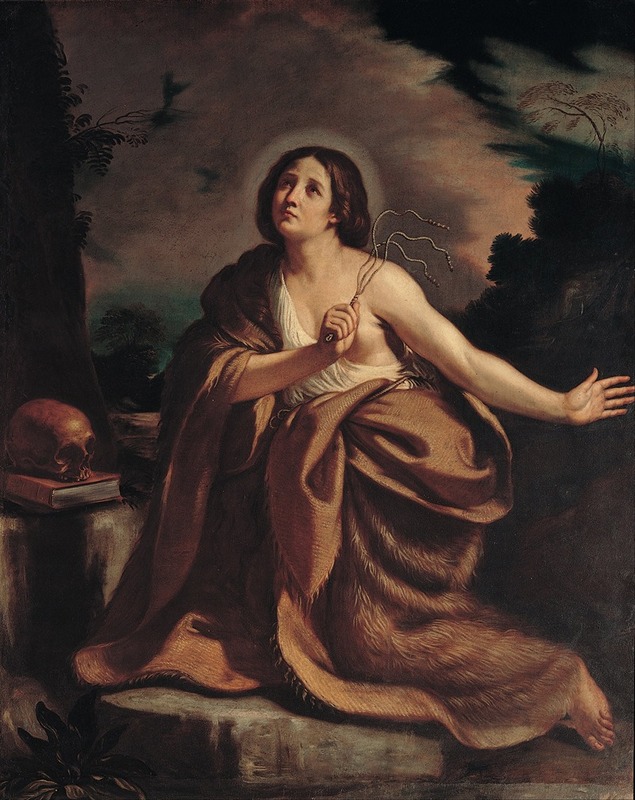
Penitent Magdalene
Guercino
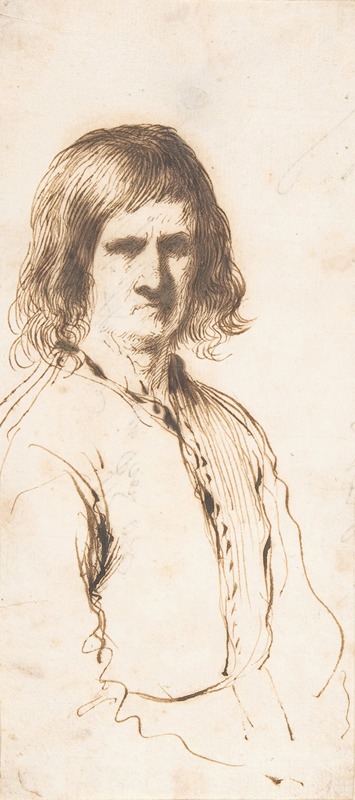
Portrait of Morose Man in Half-Length
Guercino
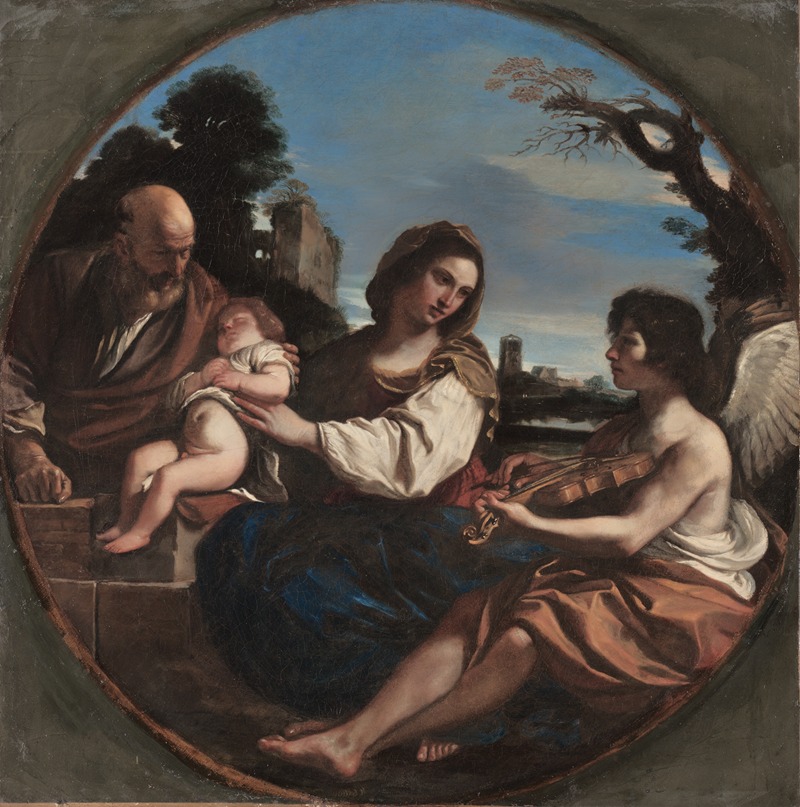
Rest on the Flight into Egypt
Guercino
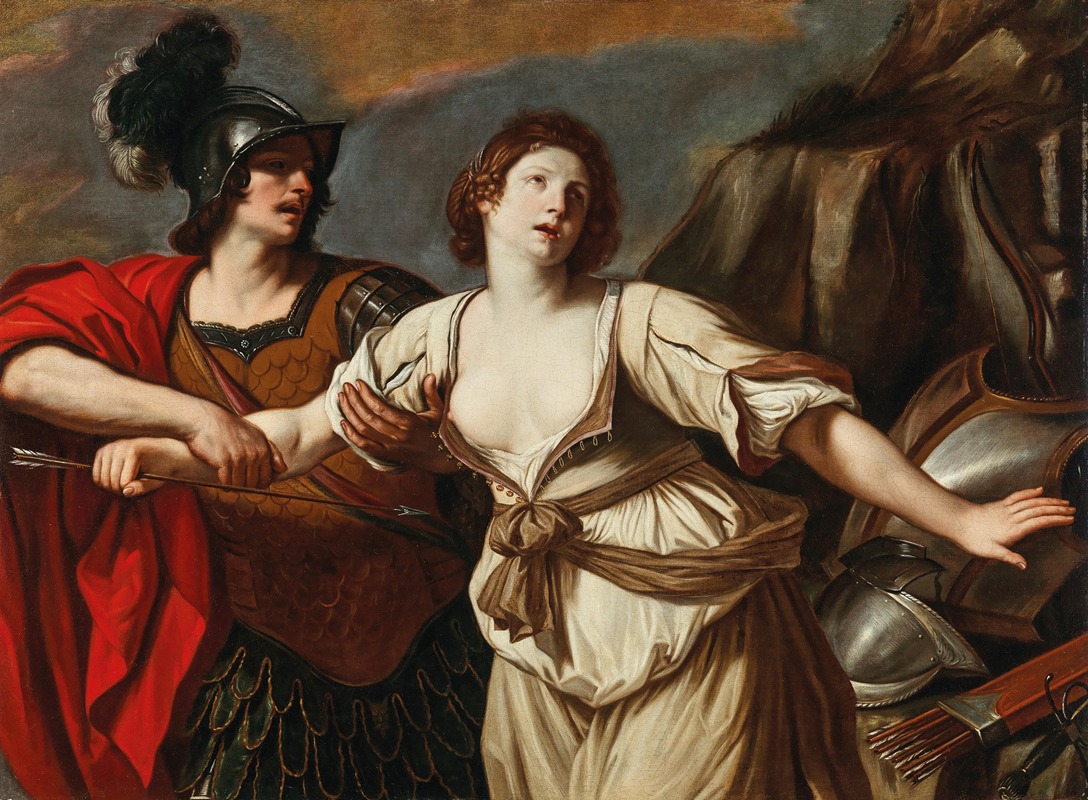
Rinaldo ed Armida
Guercino
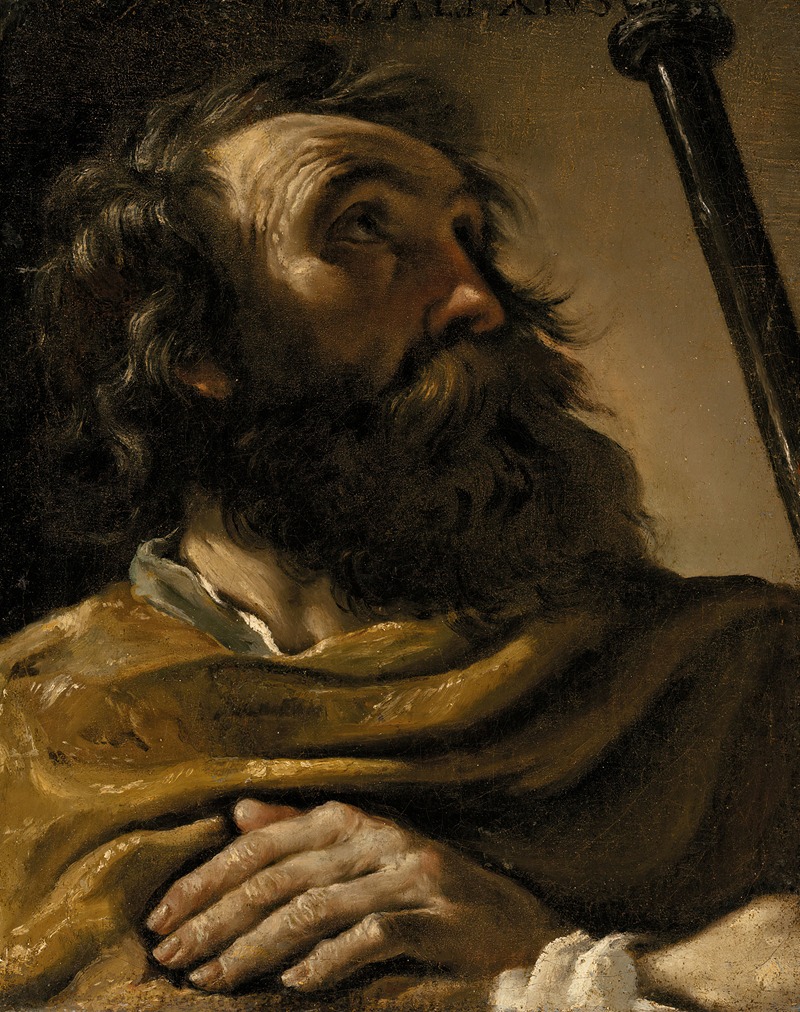
Saint Alexius In A Brown Wrap, Holding A Staff
Guercino
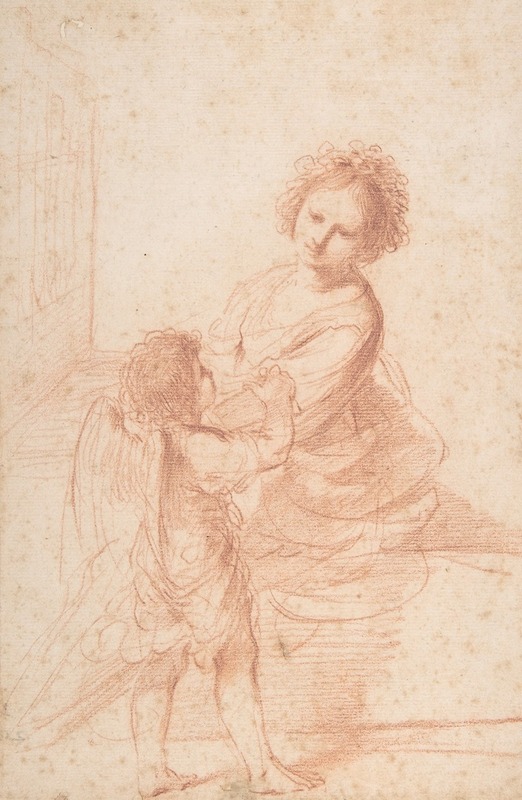
Saint Cecilia Playing the Organ
Guercino
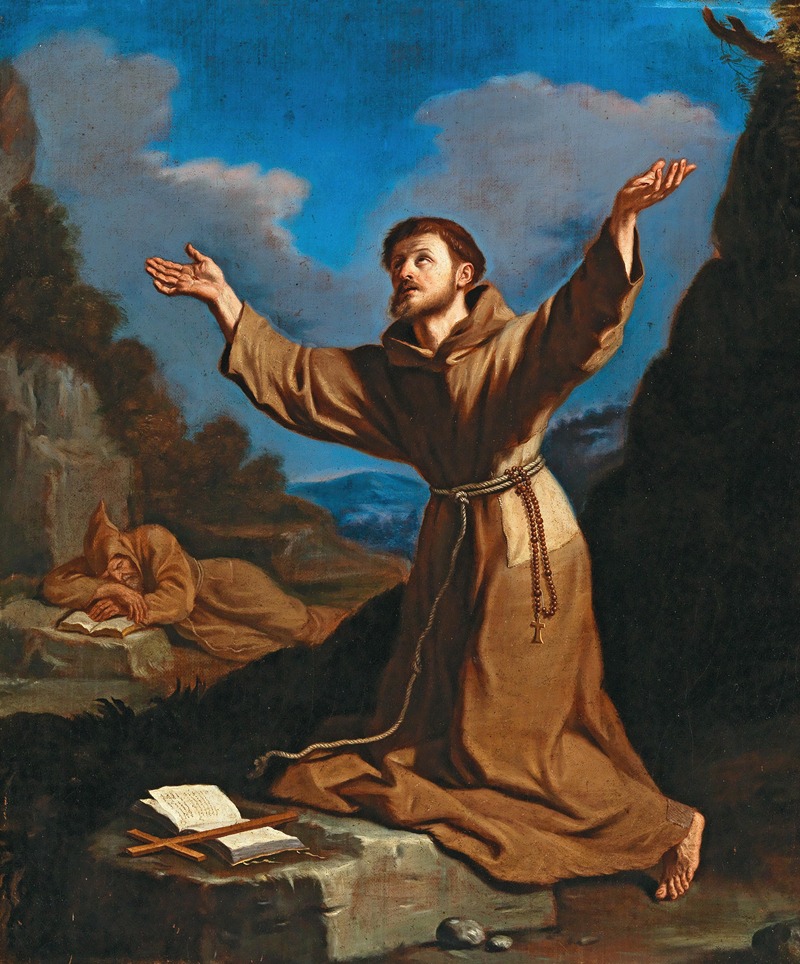
Saint Francis receiving the Stigmata
Guercino
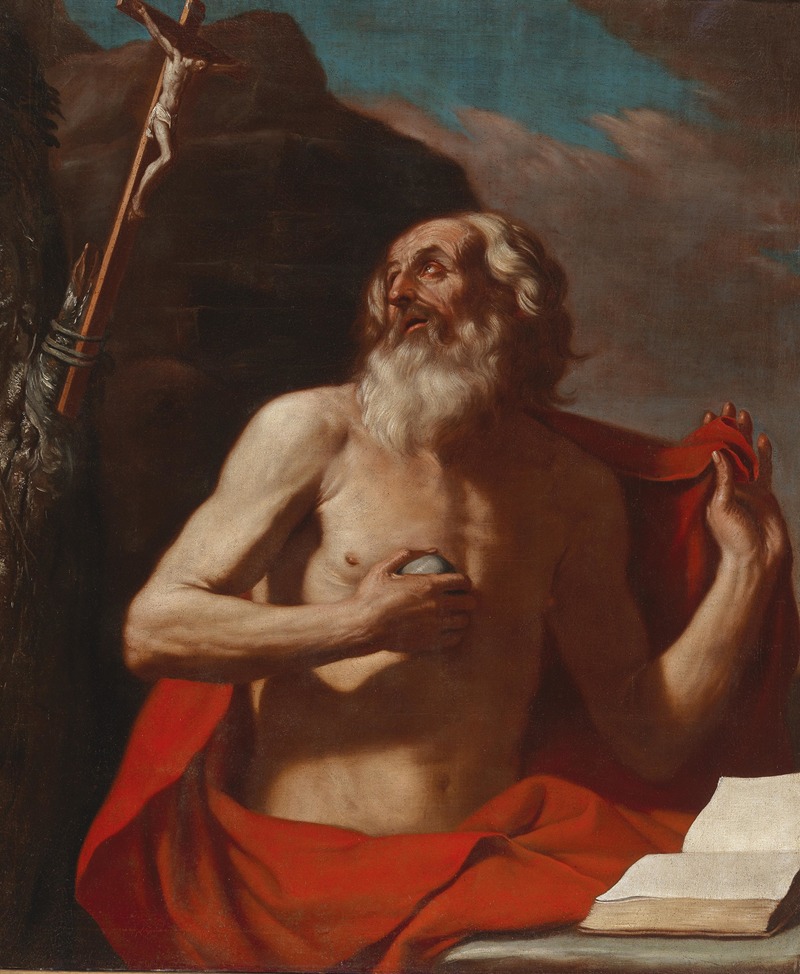
Saint Jerome
Guercino
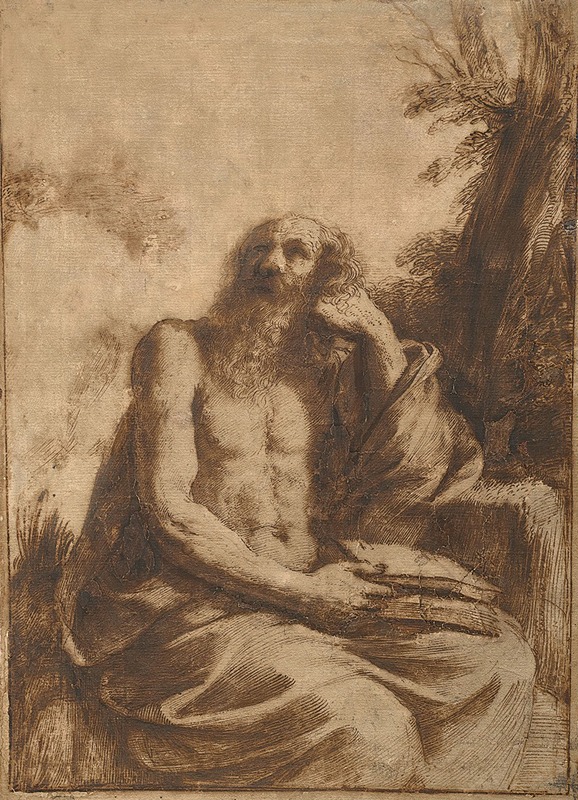
Saint Jérôme
Guercino
More Allegory Art
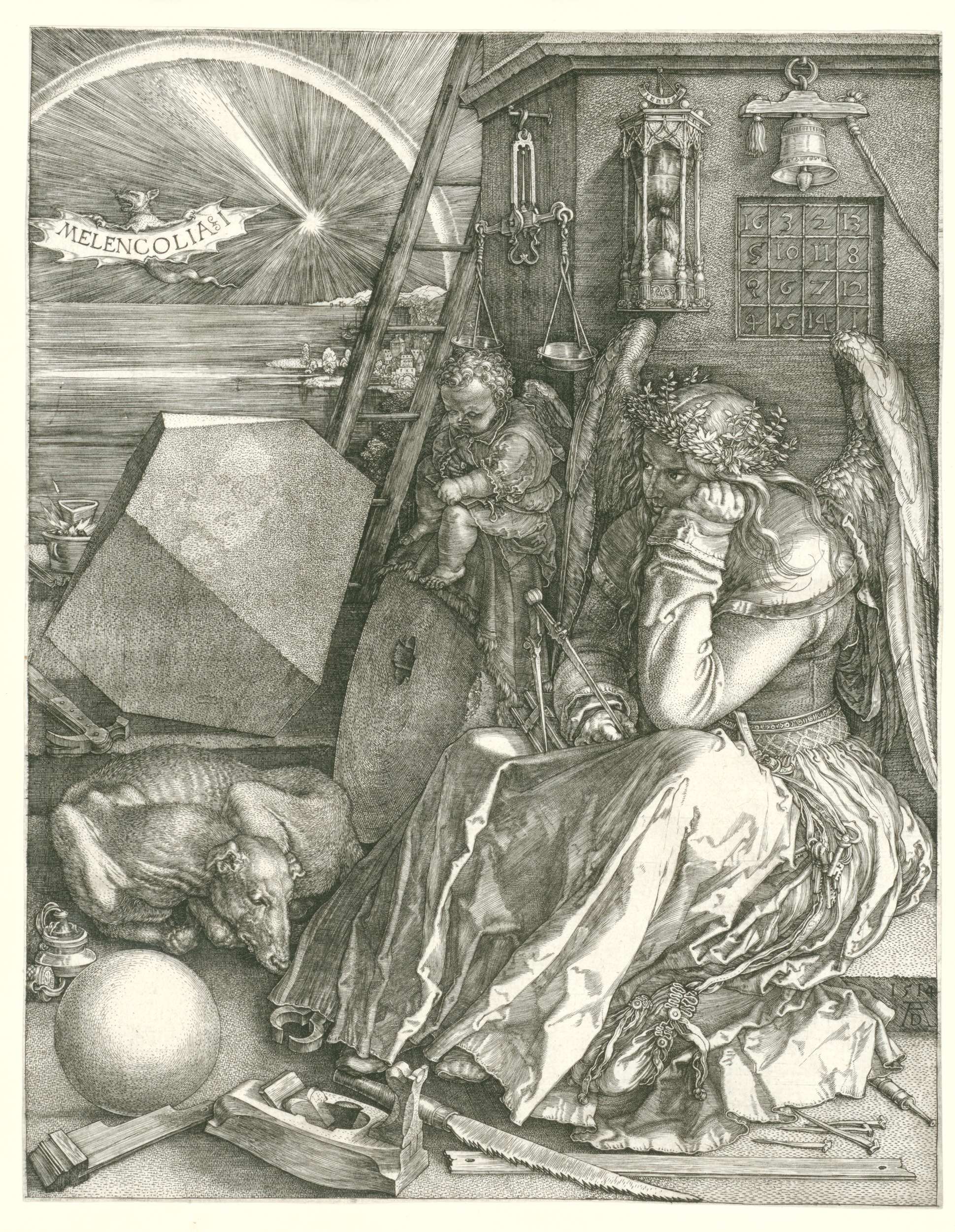
Melancholia
Albrecht Dürer
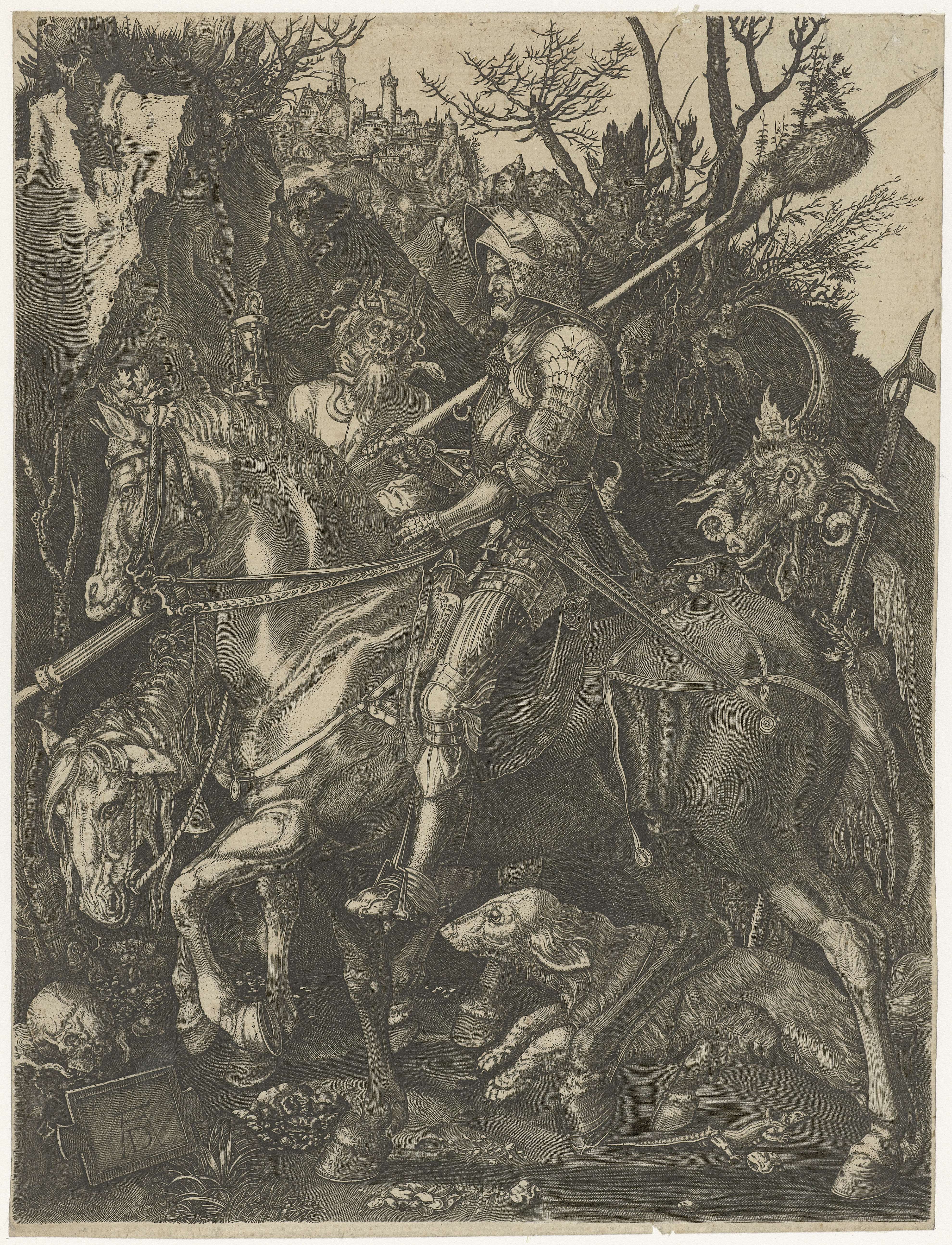
Ridder, Dood en Duivel
Unknown Artist
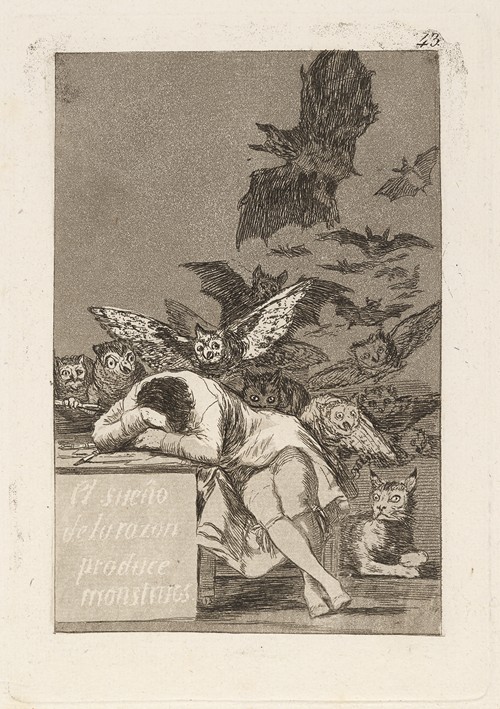
El sueño de la razon produce monstruos. (The sleep of reason produces monsters.)
Francisco de Goya
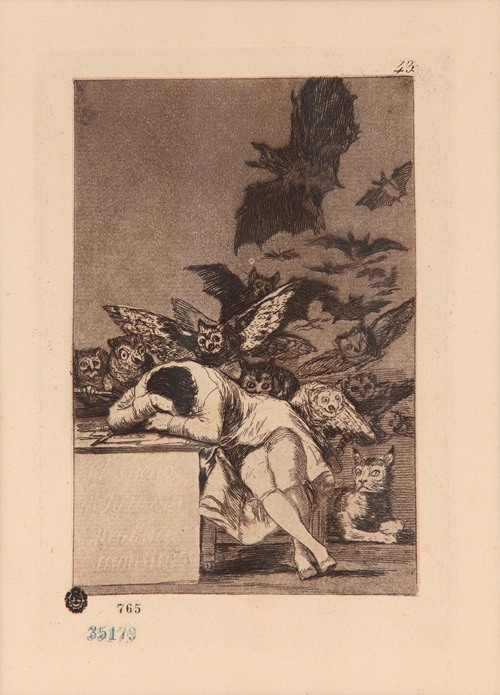
El sueño de la razon produce moustruos (Serie Caprichos)
Francisco de Goya
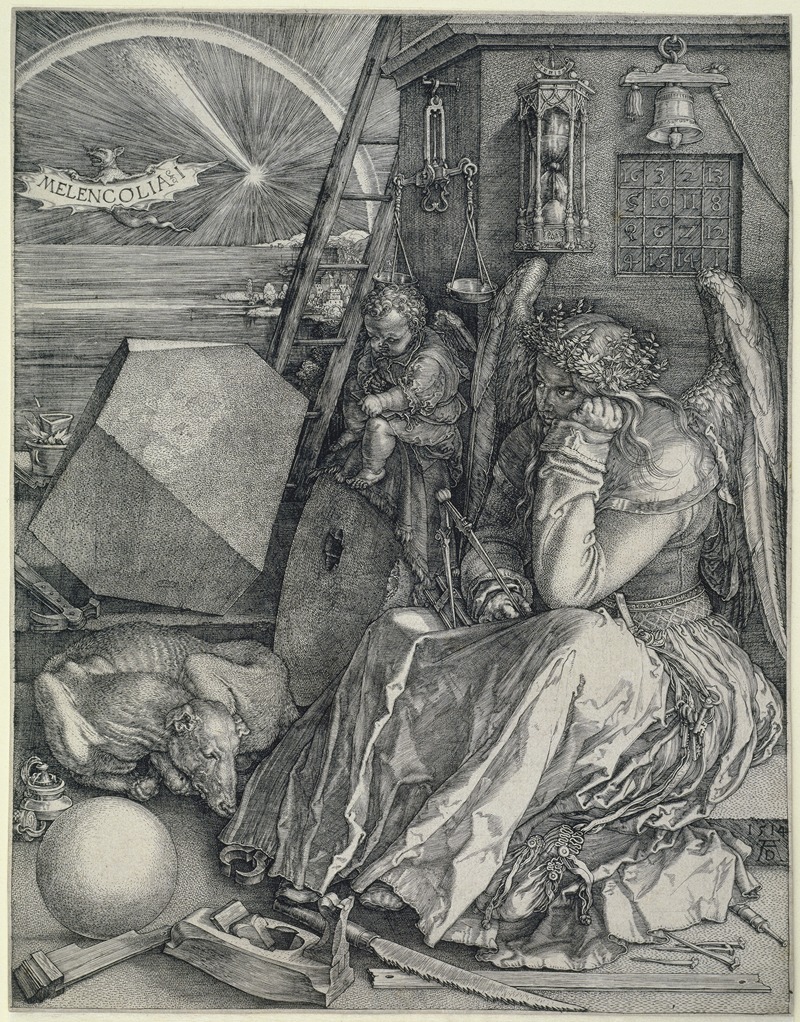
Melencolia I (The Melancholy)
Albrecht Dürer
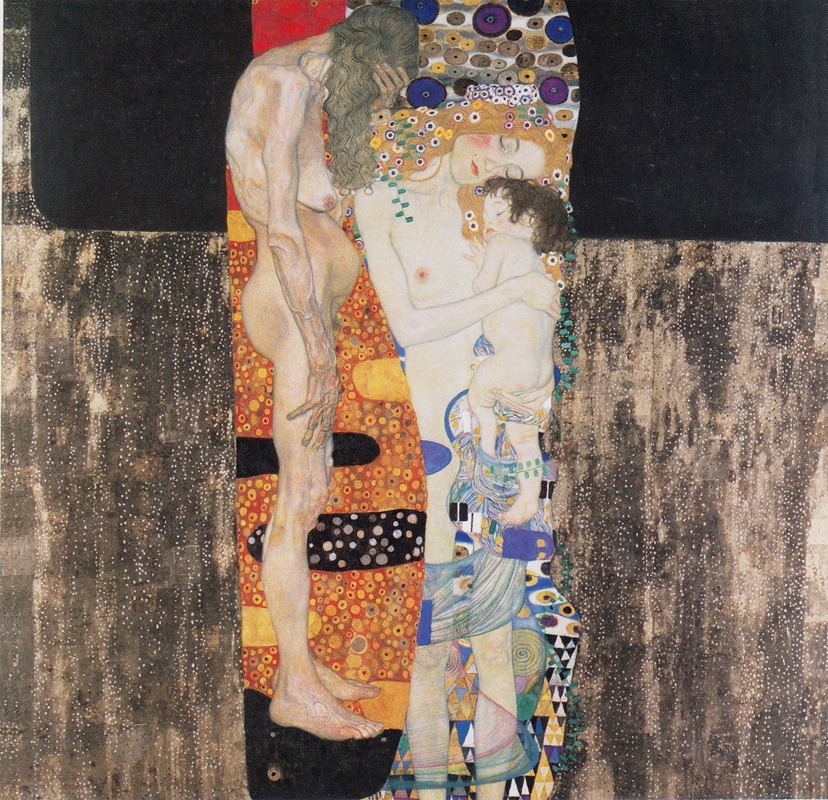
The Three Ages of the Woman
Gustav Klimt