Discover insights about this artwork
L’Estaque aux toits rouges — History & Facts
In L’Estaque aux toits rouges, Paul Cézanne presents a vibrant landscape filled with red-roofed houses nestled among lush greenery. The sky is painted in soft blues and whites, suggesting a serene atmosphere. The houses are arranged in a way that leads the viewer's eye through the composition.
The use of color is striking, with the reds of the roofs contrasting beautifully against the greens of the landscape. Cézanne's technique in this painting showcases his distinctive brushwork, characterized by short, thick strokes that create texture and depth. The layering of colors adds a sense of dimension, making the scene feel alive. The perspective is slightly tilted, giving the viewer a unique vantage point.
This approach is typical of Cézanne's work, as he often sought to break away from traditional representation. Created during the late 19th century, L’Estaque aux toits rouges reflects Cézanne's transition towards Post-Impressionism. This period was marked by his exploration of form and color, moving beyond mere representation. Interestingly, L'Estaque was a place of inspiration for Cézanne, where he painted numerous landscapes.
The painting is now housed in the Musée d'Orsay, a testament to its significance in the art world.
More Artworks by Paul Cézanne
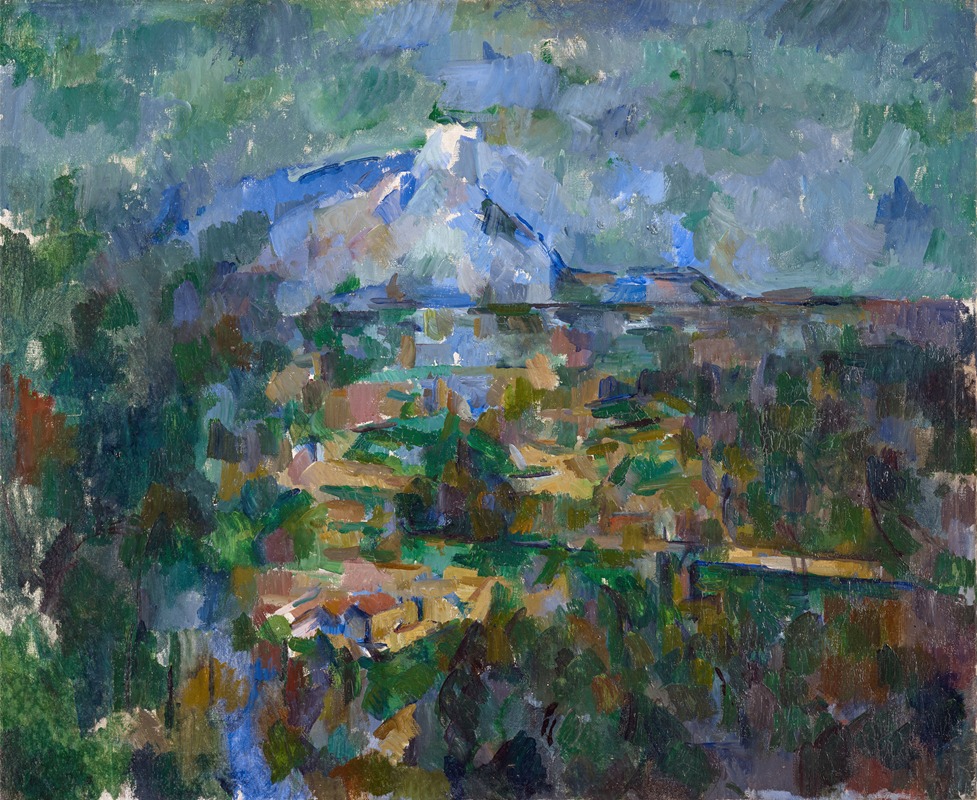
The Mont Sainte-Victoire Seen From Les Lauves
Paul Cézanne
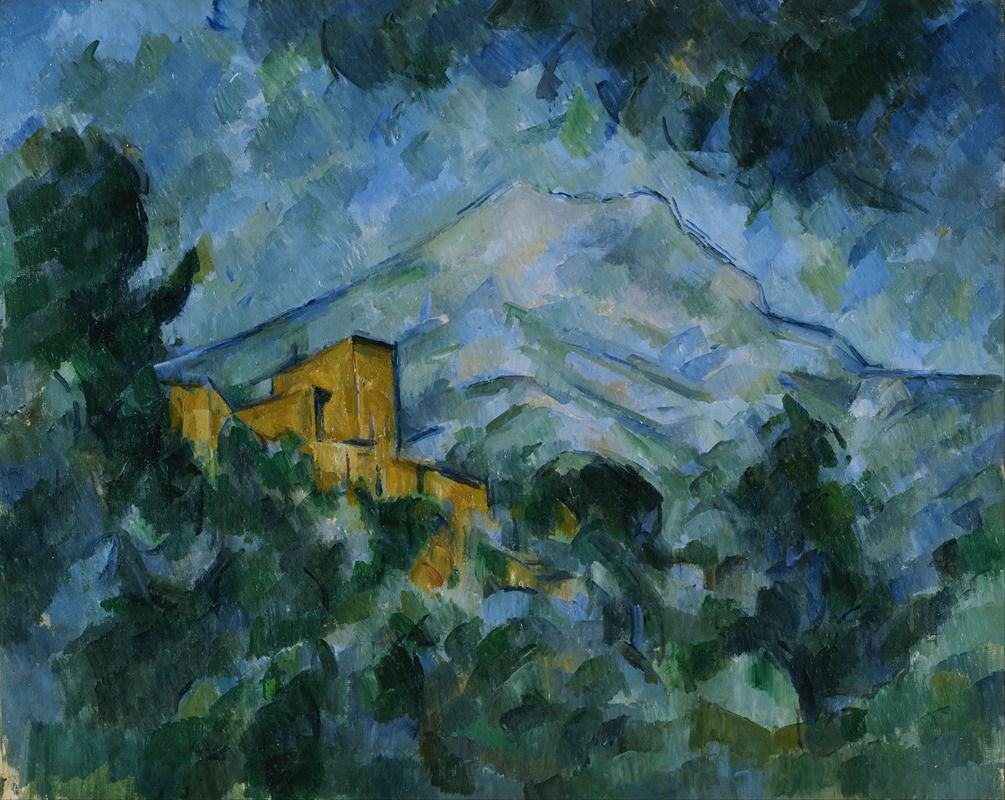
Mont Sainte-Victoire and Château Noir
Paul Cézanne
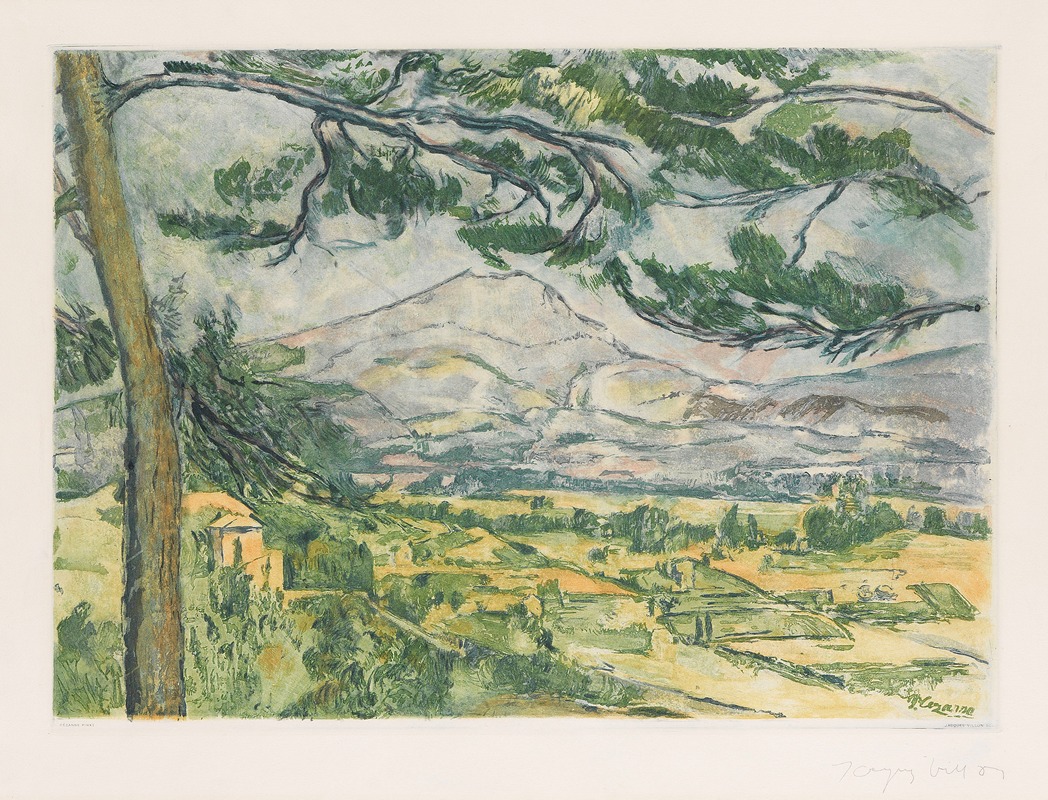
La Montagne Sainte-Victoire
Paul Cézanne
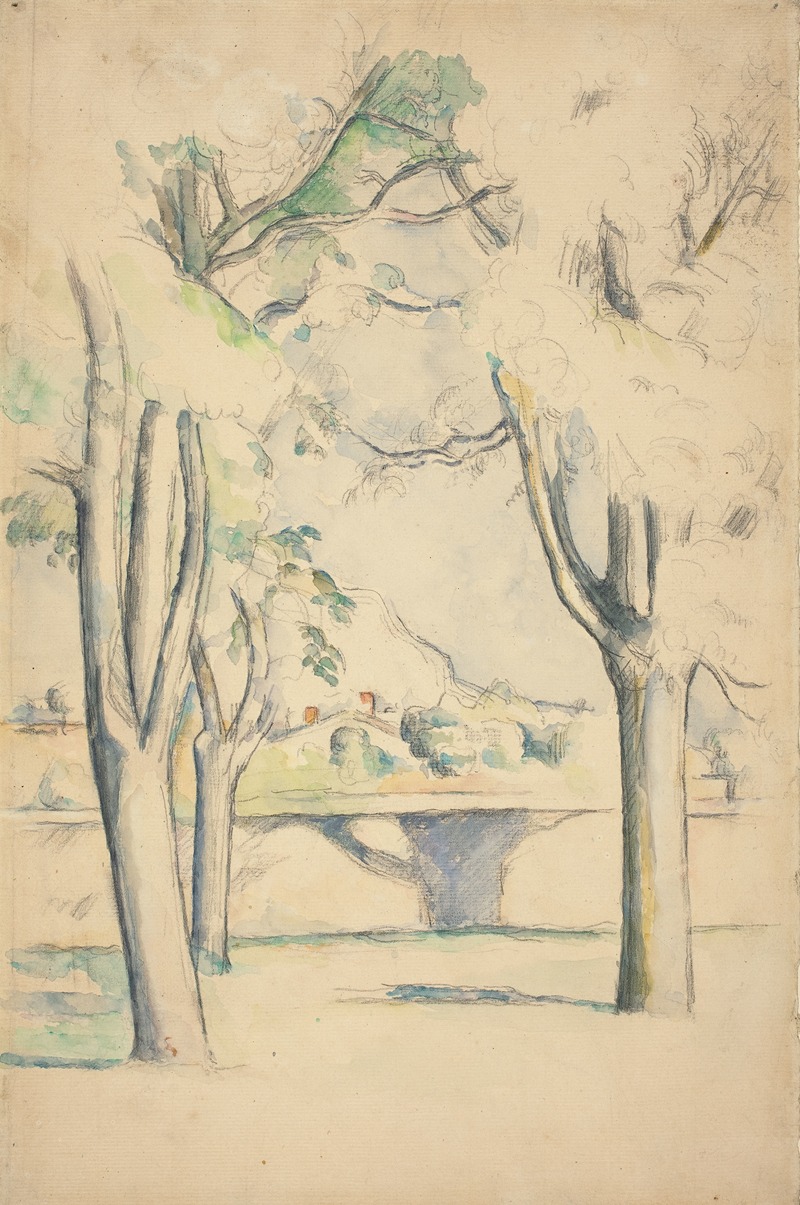
Mont Sainte-Victoire Seen beyond the Wall of the Jas de Bouffan
Paul Cézanne
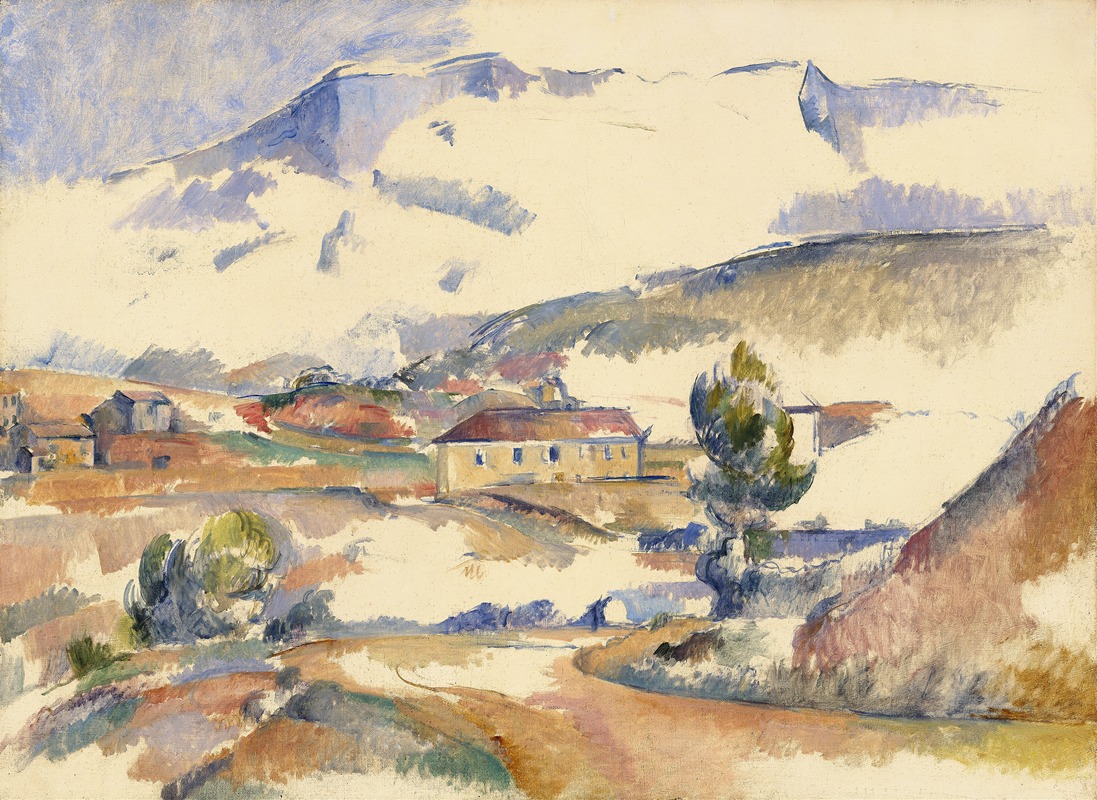
Montagne Sainte-Victoire,from near Gardanne
Paul Cézanne
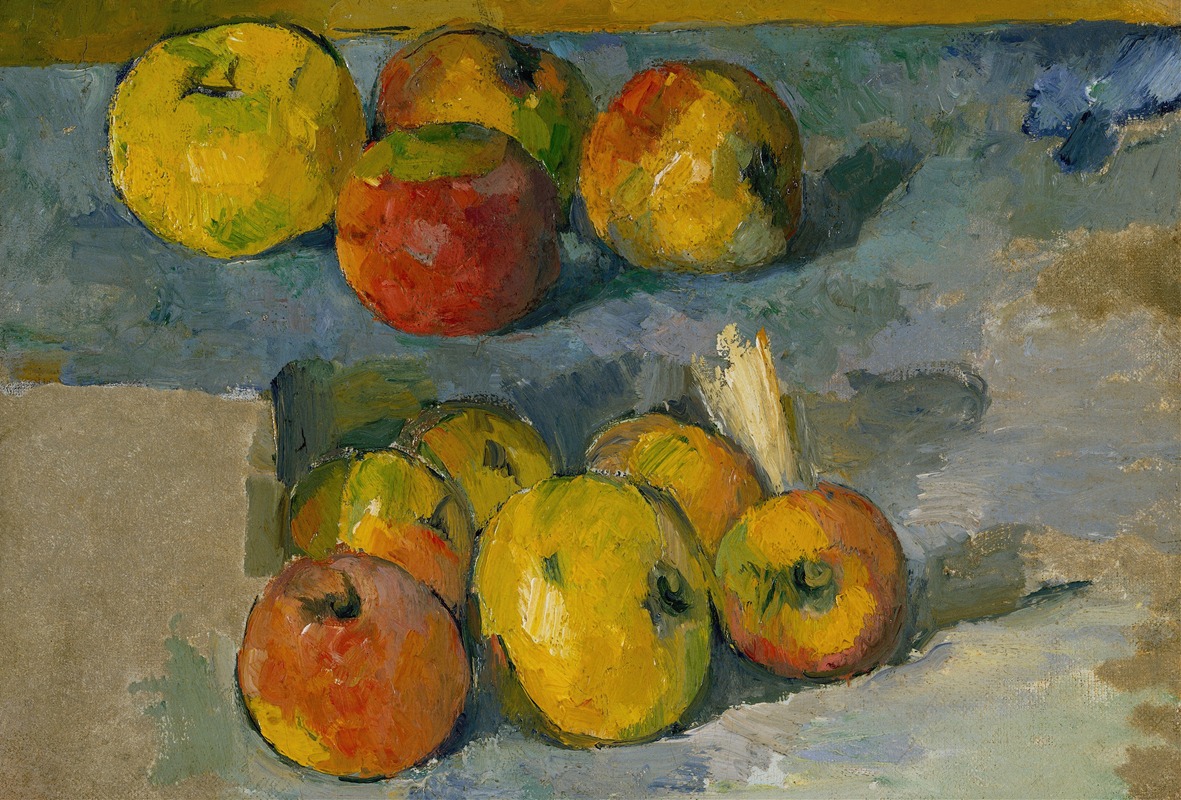
Apples
Paul Cézanne
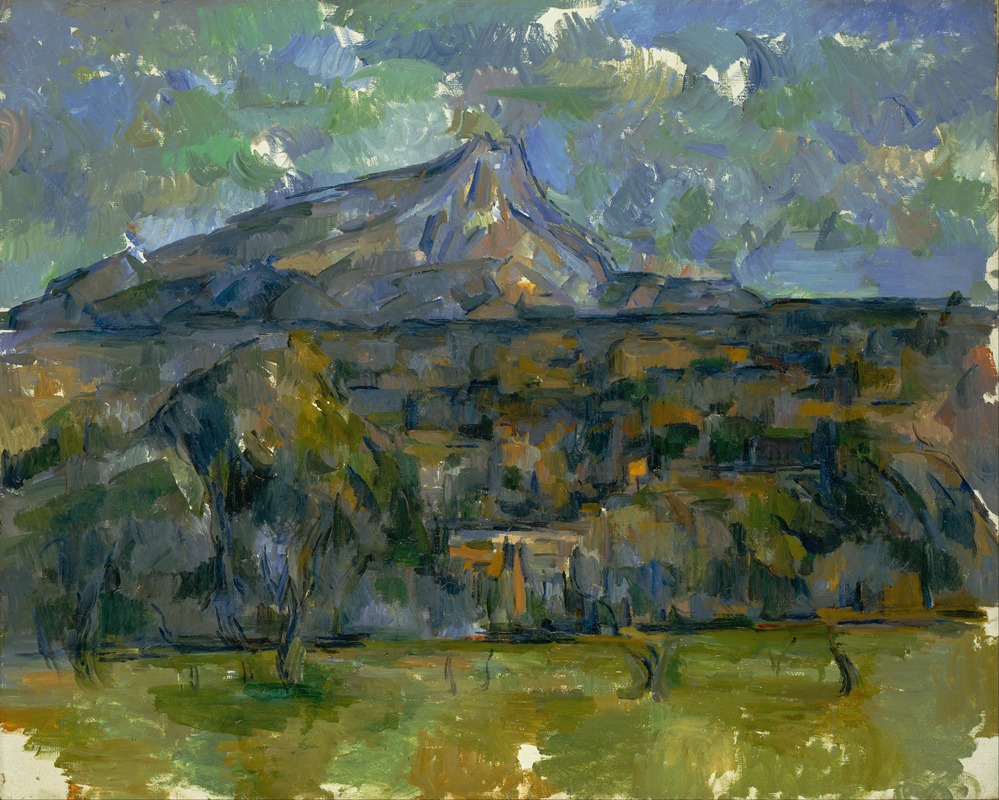
Mont Sainte-Victoire
Paul Cézanne
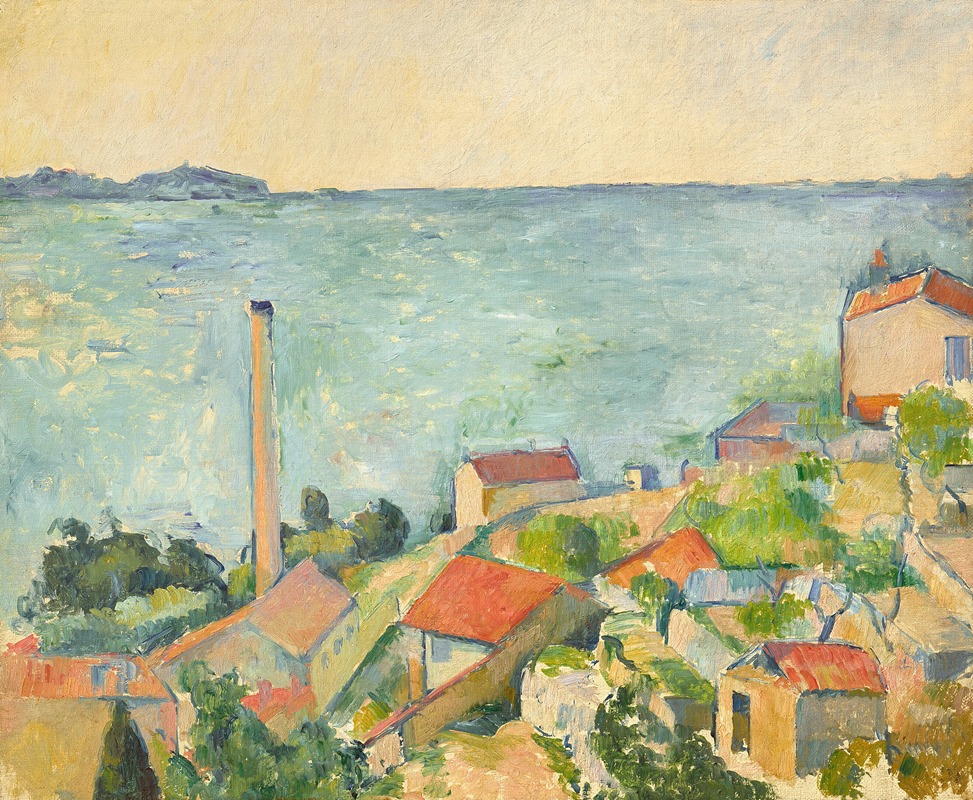
La mer à l’Estaque
Paul Cézanne
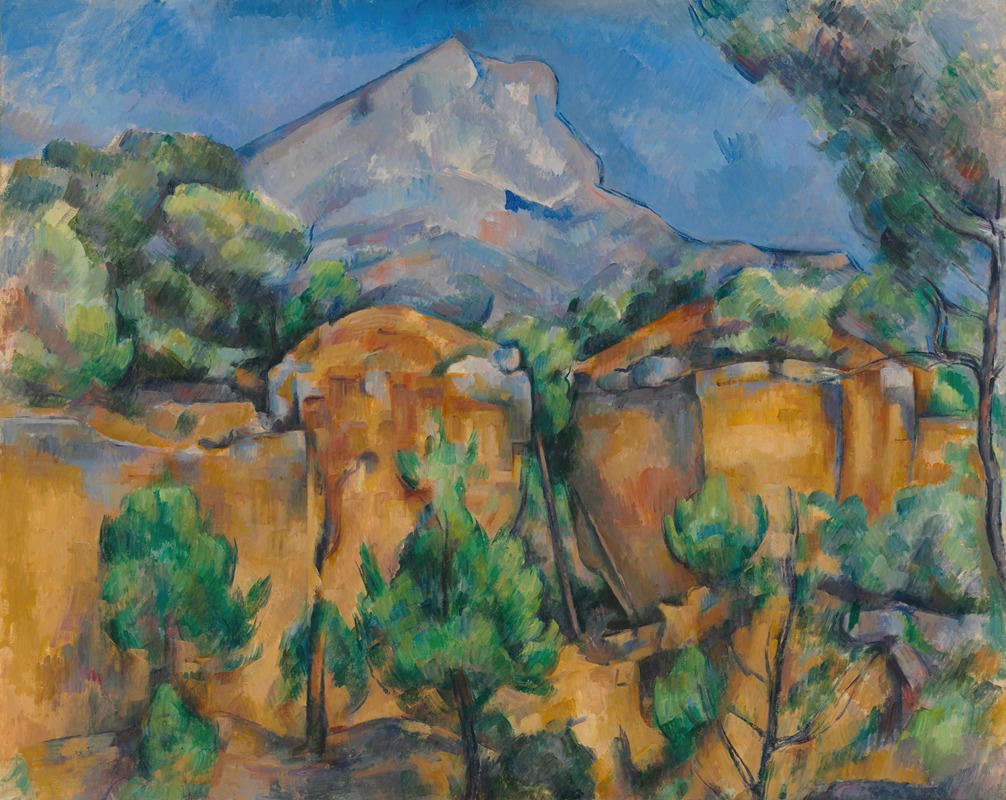
La Montagne Sainte-Victoire vue de la carrière Bibémus
Paul Cézanne
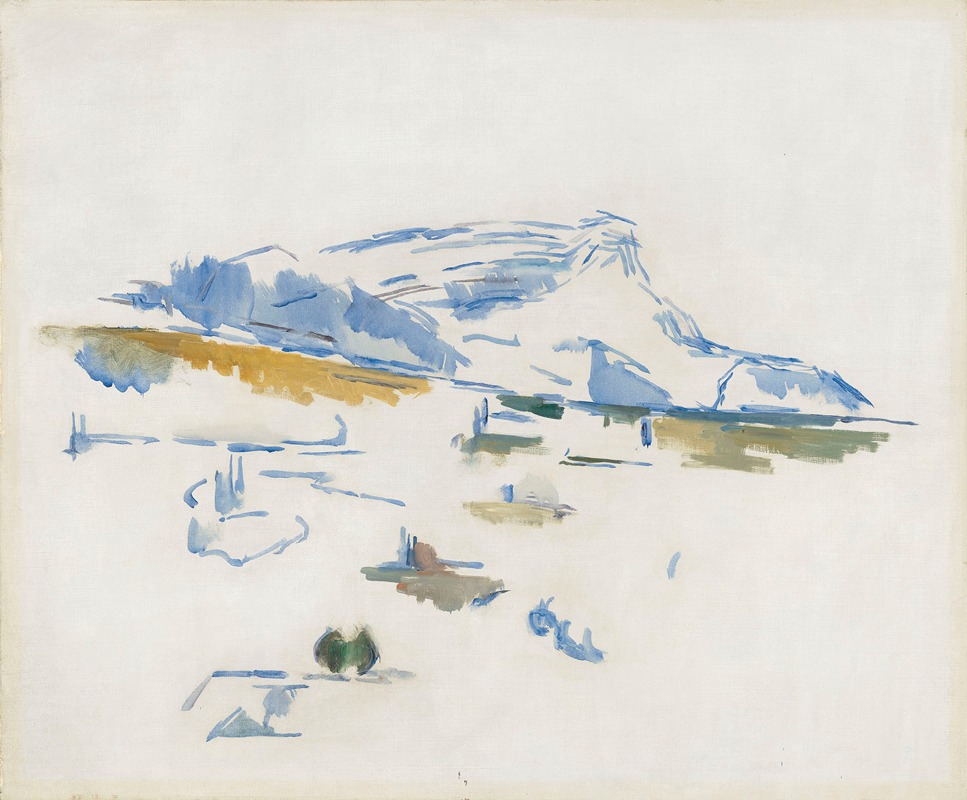
La Montagne Sainte-Victoire vue des Lauves
Paul Cézanne