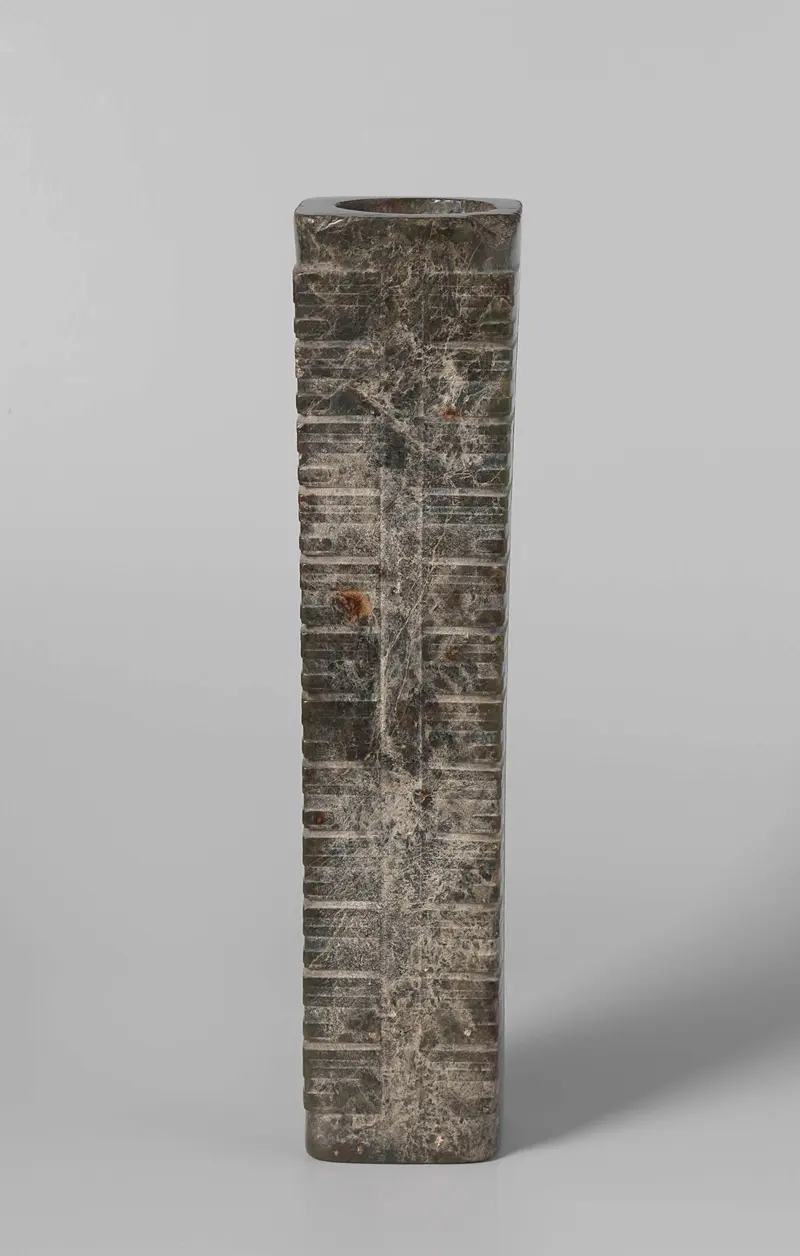
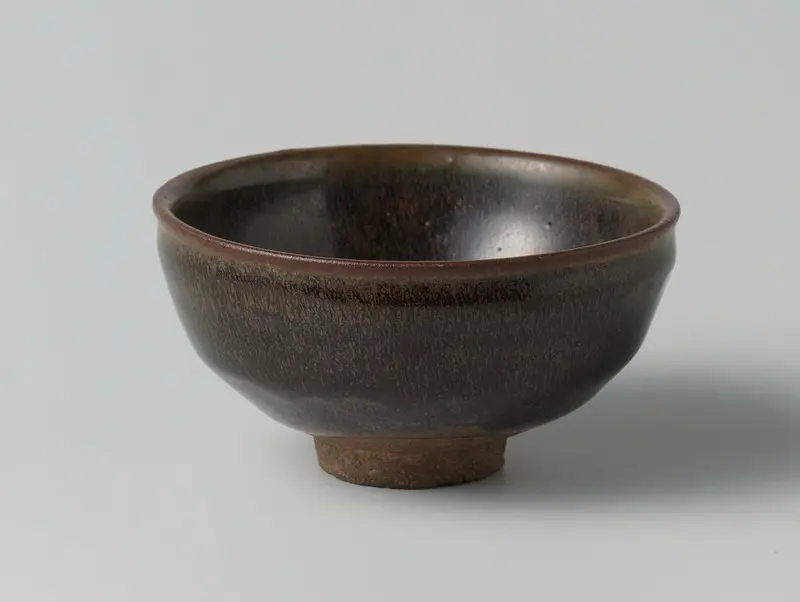
L’ Horloge. Vaughan — History & Facts
In L’ Horloge, Jules Chéret presents a vibrant scene filled with color and movement. The artwork features a woman, elegantly dressed, interacting with a large clock. Rich hues of blue, gold, and red dominate the composition, creating a lively atmosphere.
The flowing lines and decorative elements are characteristic of the Art Nouveau style. The painting is executed as a lithograph, a popular medium for posters in the late 19th century. Chéret's technique emphasizes bold outlines and vibrant colors, making the image striking and eye-catching. The dimensions are approximately 50 x 75 cm, making it suitable for display in public spaces.
The intricate details of the woman's attire and the clock add depth to the overall design. Jules Chéret was a key figure in the development of the poster art movement, particularly in France. L’ Horloge reflects his innovative approach to combining graphic design with fine art. An interesting fact about this work is that it was likely used to promote a clock-making company, showcasing the commercial aspect of art during that era.
Chéret's posters remain influential and are celebrated for their dynamic compositions and decorative flair.
More Artworks by Jules Chéret
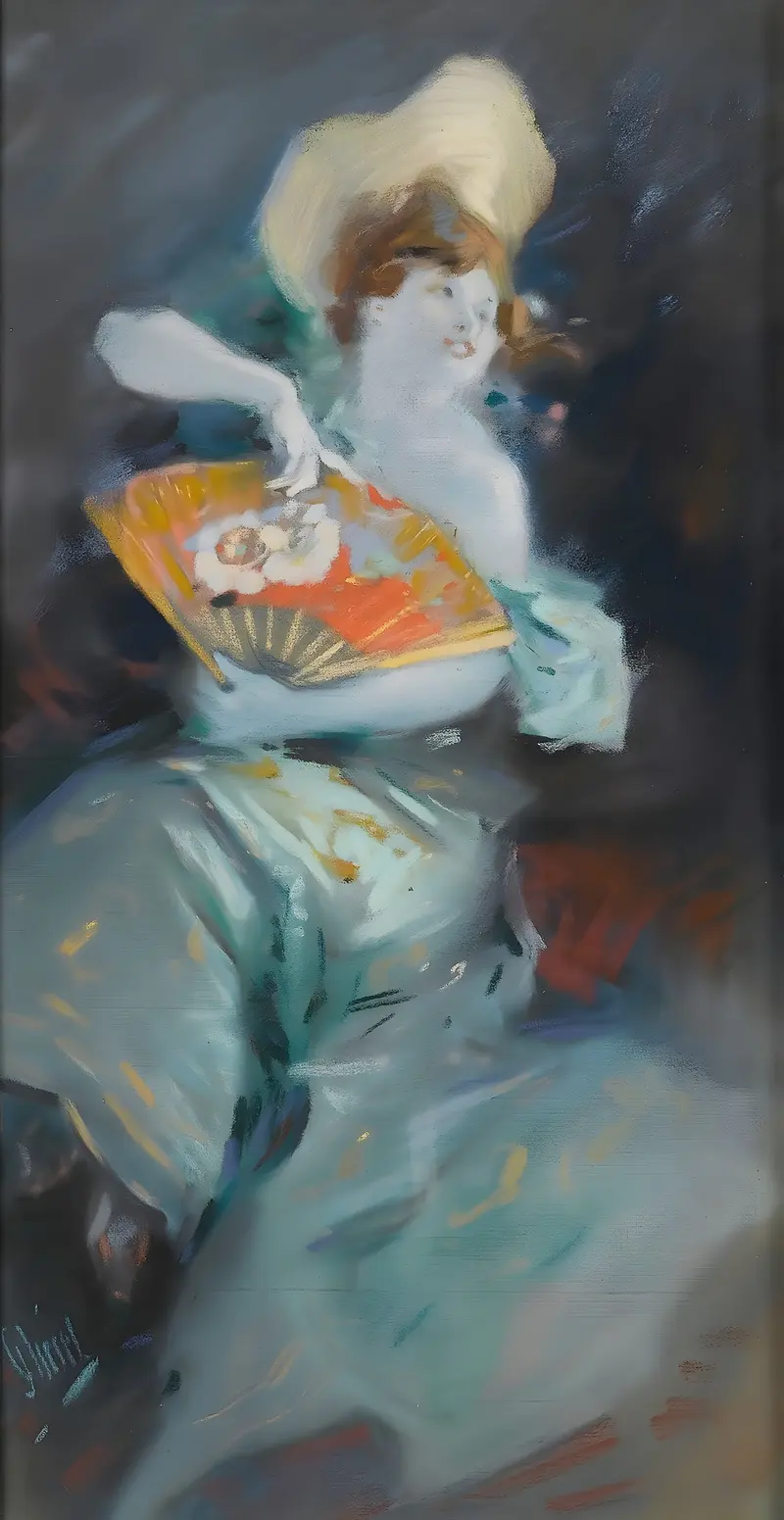
Portrait of a Lady
Jules Chéret
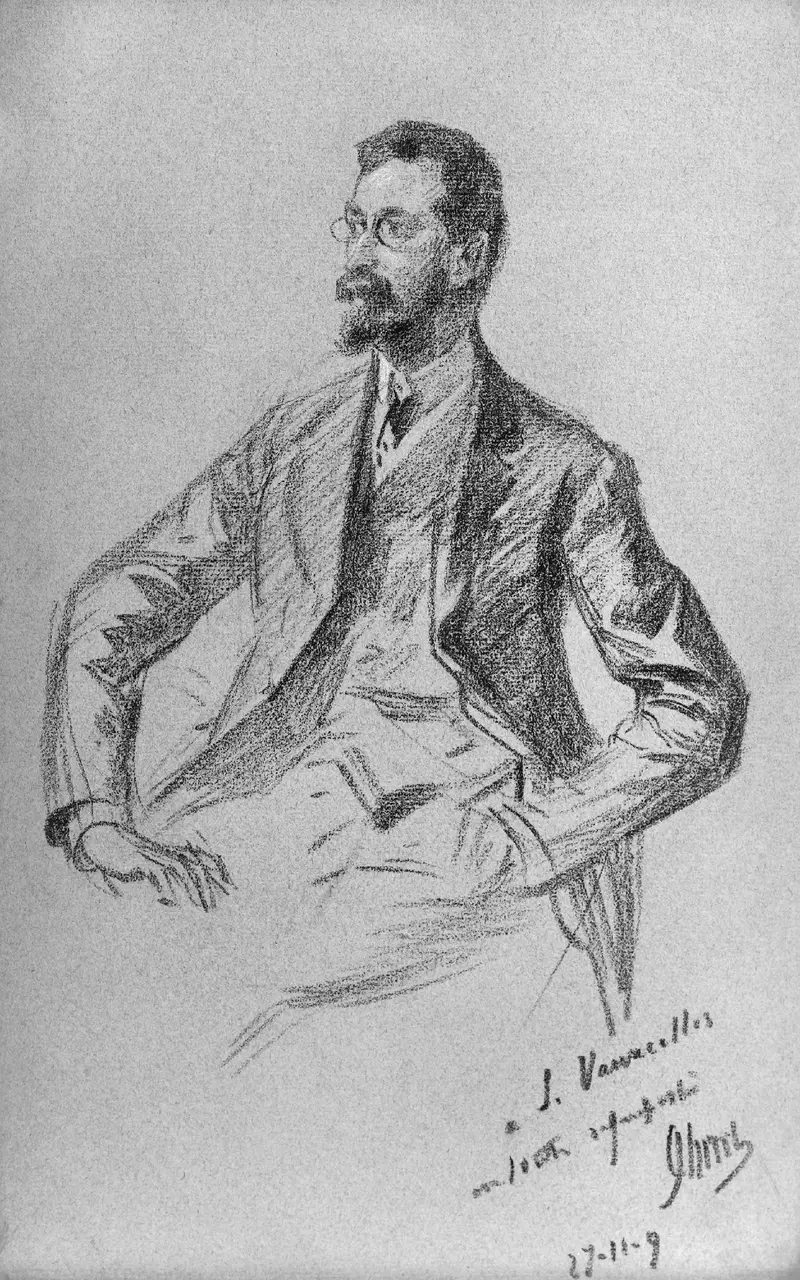
Portrait of Louis Vauxcelles
Jules Chéret

Palais de glace Champs-Élysées
Jules Chéret
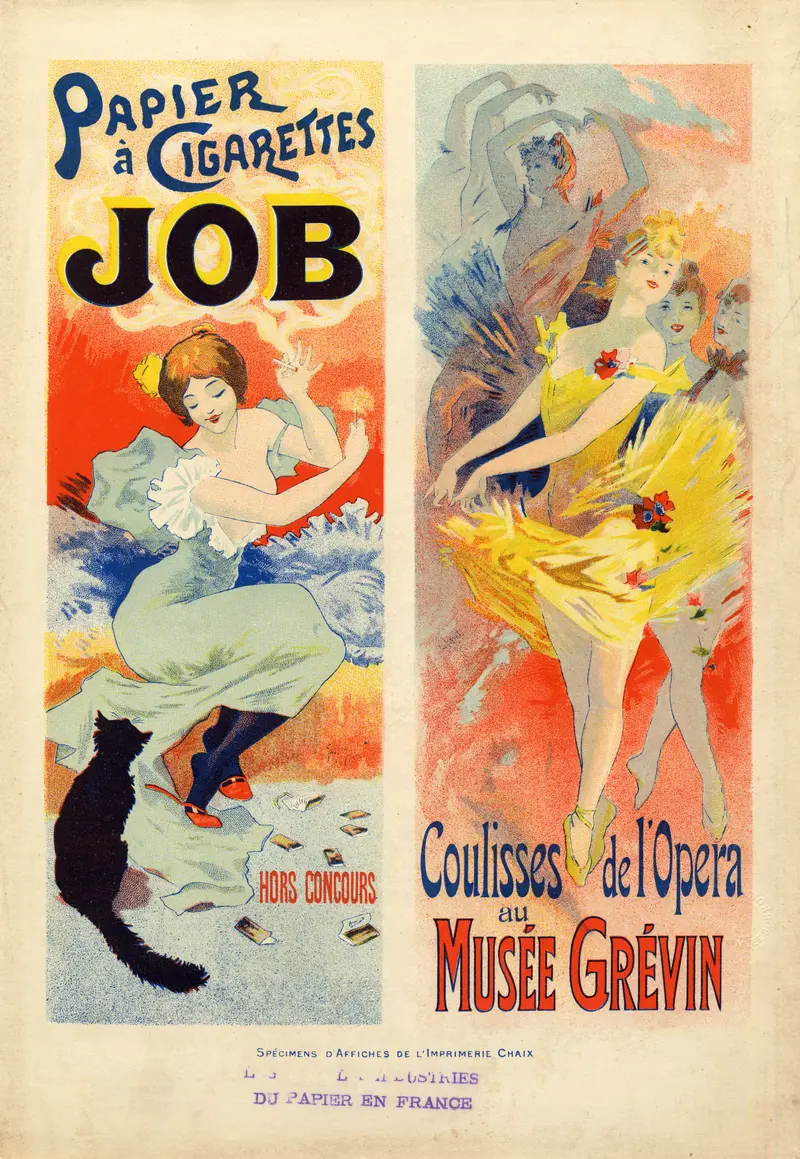
Papier à Cigarettes Job Hors Concours Coulisses de l’Opéra au Musée Grévin Spécimens d’affiches de l’Imprimerie Chaix
Jules Chéret

Aux filles du calvaire. Costume 49 f, enfant 6 f 90, visite 39 f. Exposition des nouveautés d’été
Jules Chéret
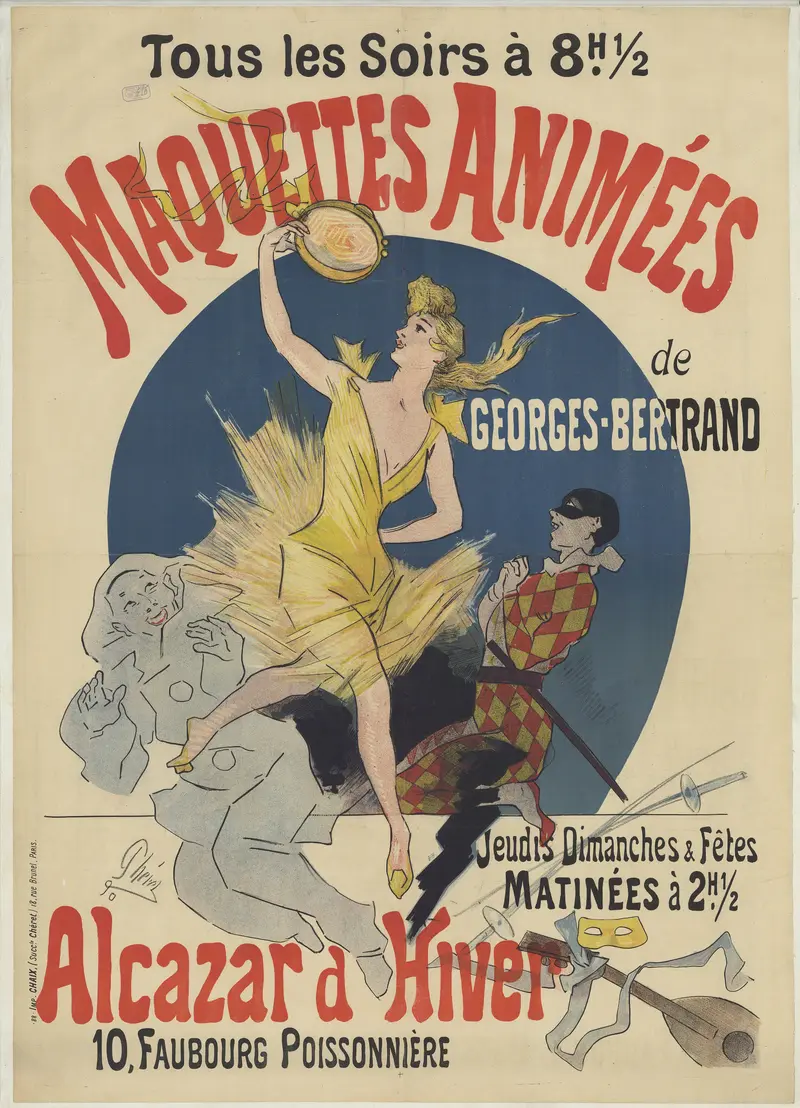
Tous les soirs à 8h 1,2 Maquettes animées. Alcazar d’hiver
Jules Chéret
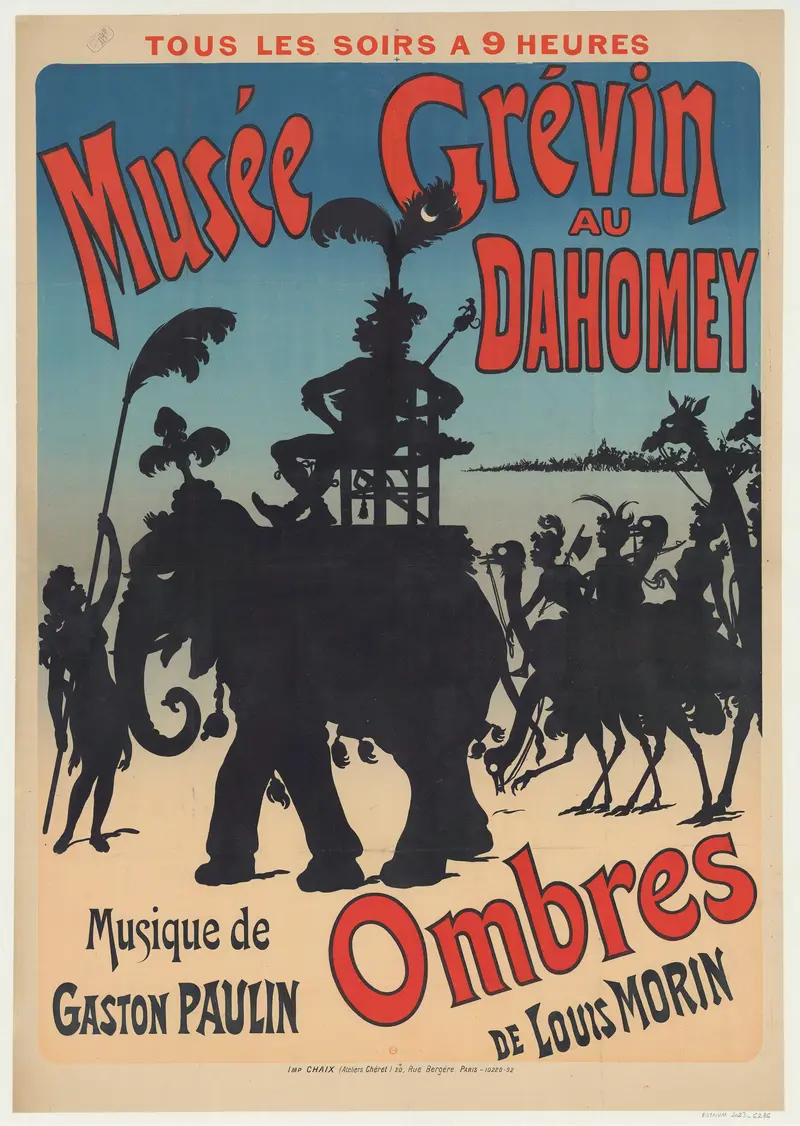
Tous les soirs à 9 heures, Musée Grévin. Au Dahomey. Ombres de Louis Morin, musique de Gaston Paulin
Jules Chéret
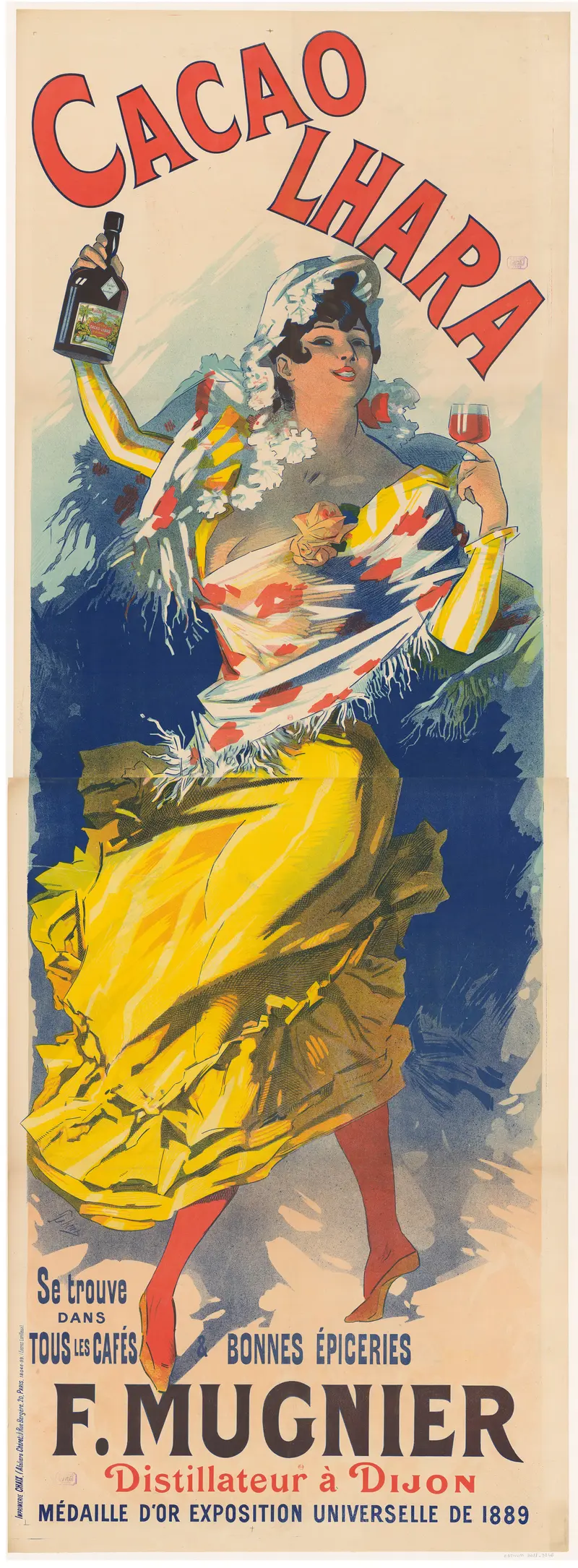
Cacao Lhara. F. Mugnier. Distillateur à Dijon. Médaille d’or exposition universelle de
Jules Chéret
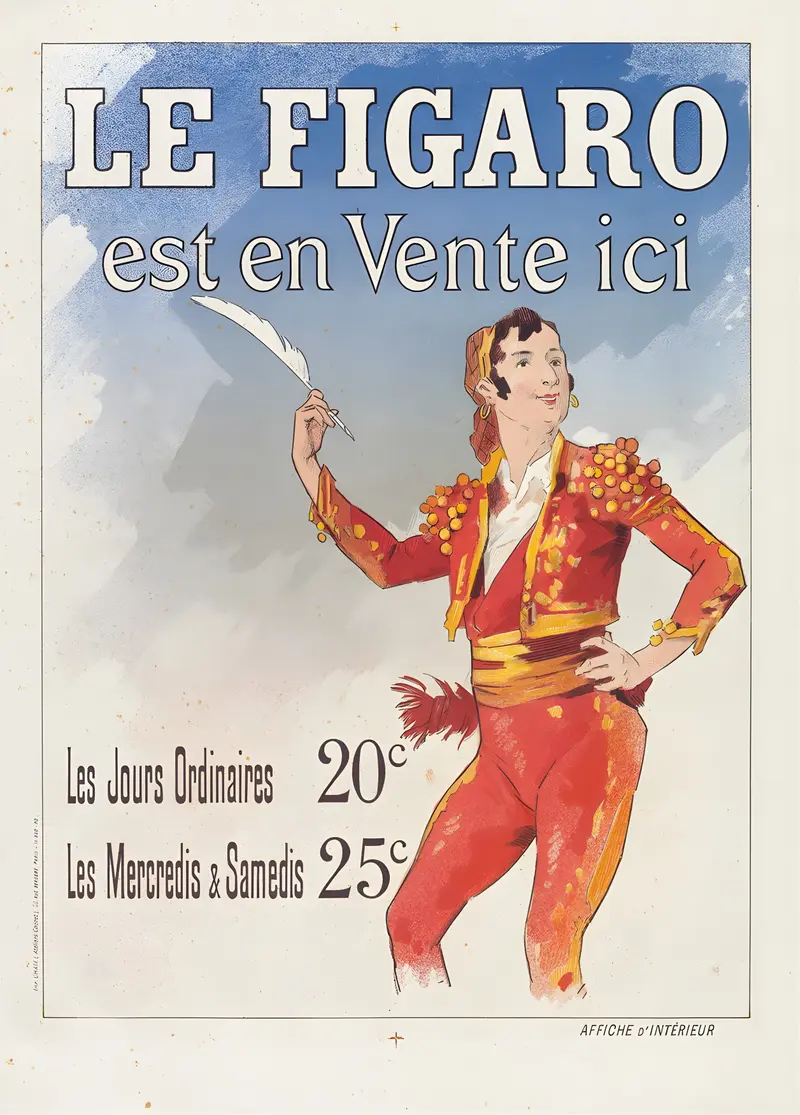
Reclamebiljet voor Le Figaro
Jules Chéret
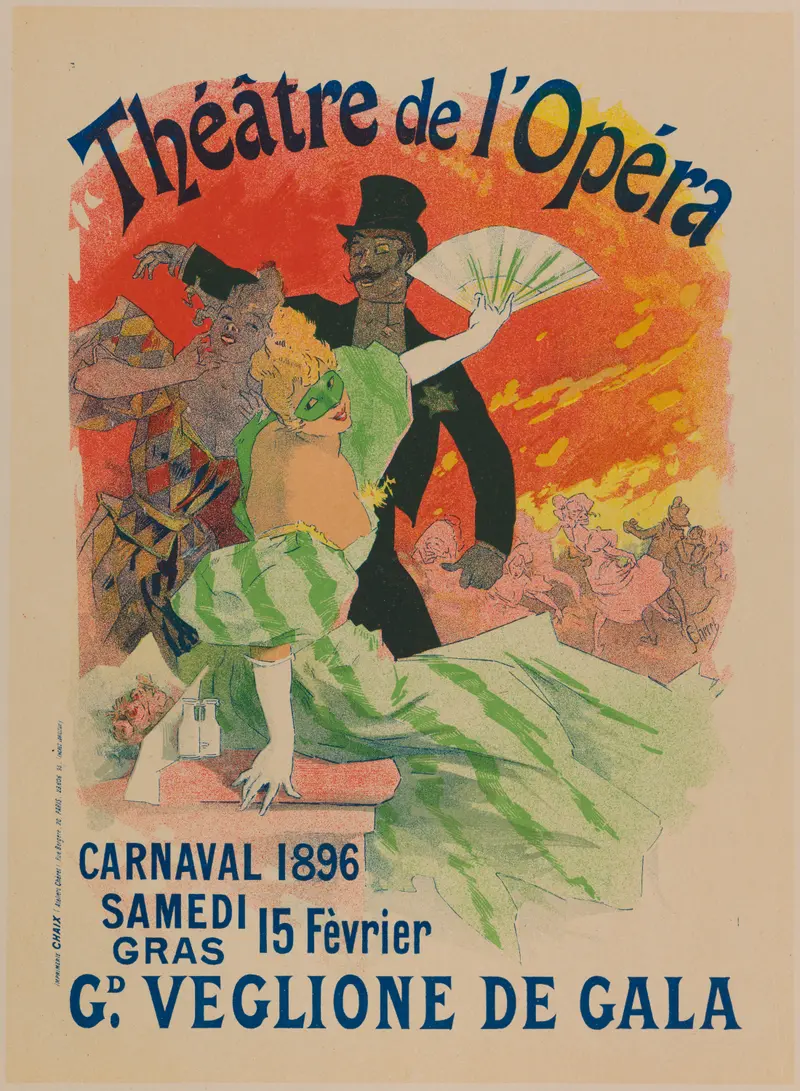
Carnaval 1896. Grand Veglione De Gala
Jules Chéret