
La Butte — History & Facts
Can paint confess what words never could? In La Butte, innocence unfurls in vibrant hues, revealing a world steeped in an ethereal glow. Look to the left at the woman dressed in white, her flowing garments nearly merging with the soft pastels of the background. The interplay of sunlight and shadow creates a dreamlike atmosphere, inviting the viewer to explore the gentle curves of the landscape that cradle her form. Notice how the brushstrokes evoke both movement and stillness, as if time holds its breath in reverence for this fleeting moment of serenity. Delve deeper into the contrast between the vibrant colors of nature and the soft, understated elegance of the figure.
This juxtaposition highlights the purity of the scene, suggesting a safe haven from the tumult of the outside world. The subtle details, such as the delicate flowers in the foreground, symbolize the fragility of innocence — beautiful yet fleeting, echoing the transient nature of joy. Painted in 1892 while Rusiñol was in the midst of his artistic exploration in Paris, La Butte reflects the burgeoning Symbolist movement that sought to express emotion and experience over mere representation. At this time, he was surrounded by a vibrant community of artists, yearning to capture the essence of life through color and form, creating a legacy that would influence generations of artists to come.
More Artworks by Santiago Rusiñol
Browse all →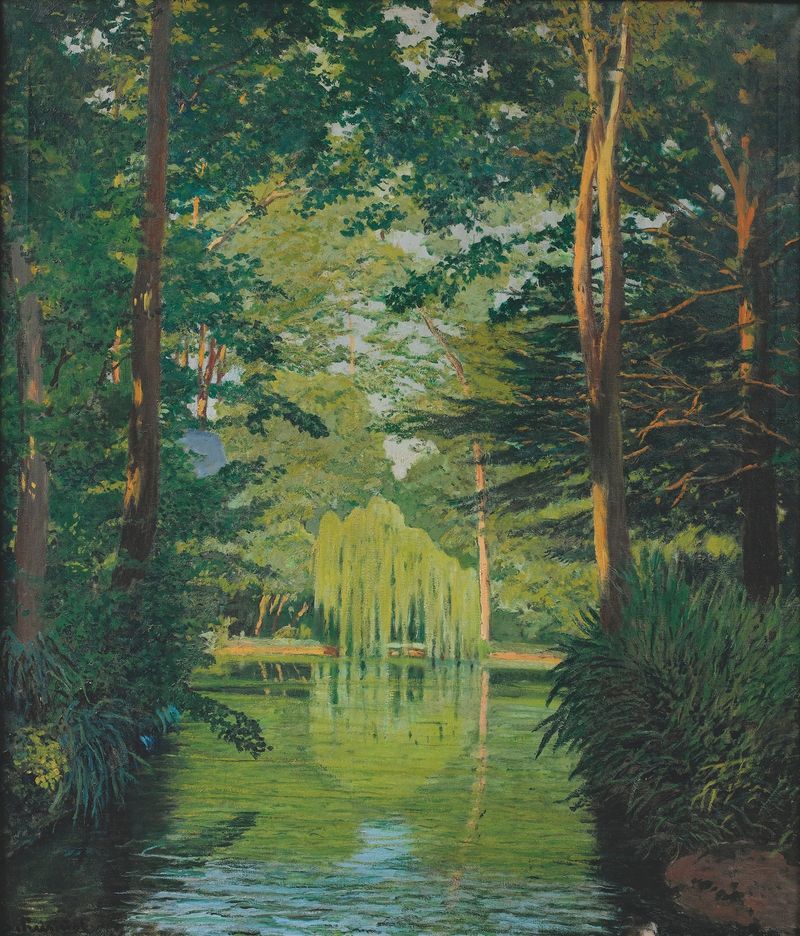
Parc Badés, Arbúcies
Santiago Rusiñol
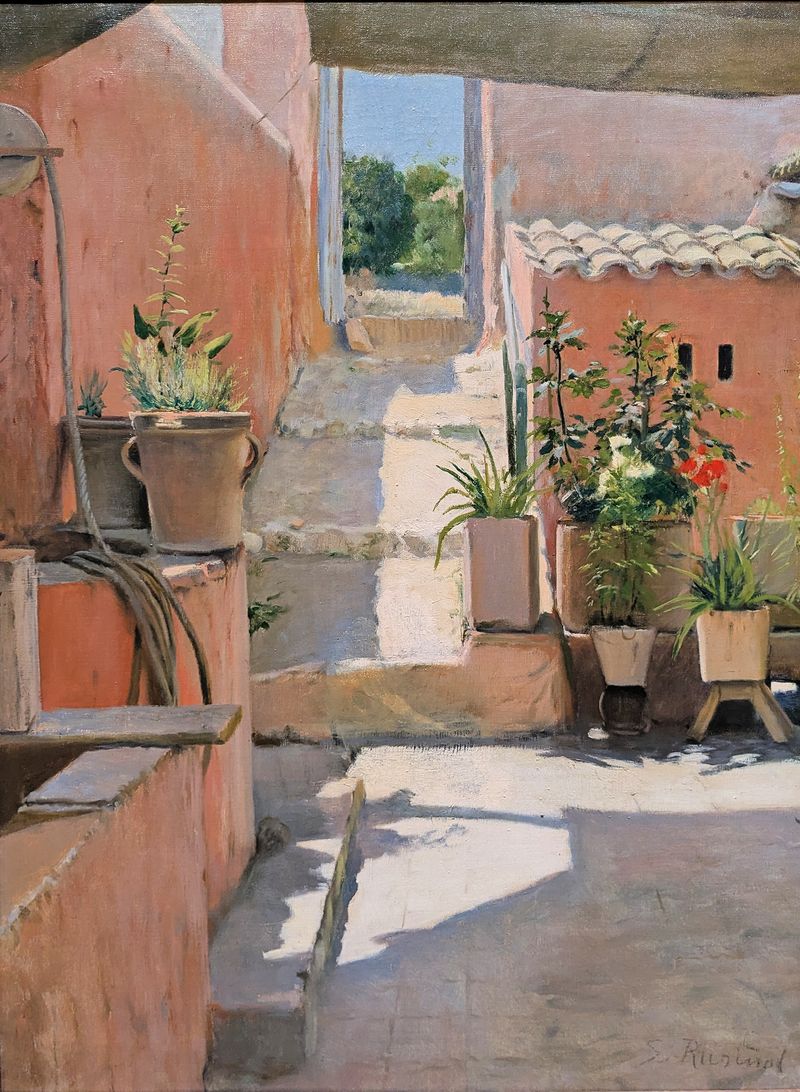
Patio in Sitges
Santiago Rusiñol
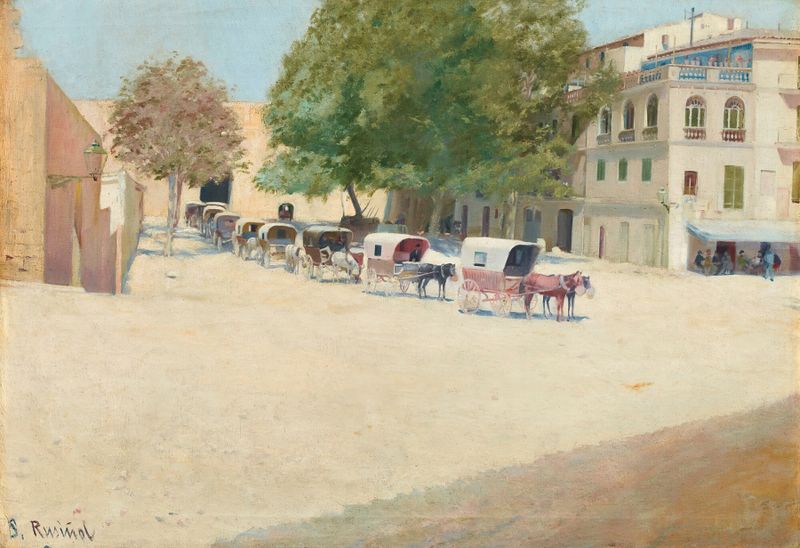
Paseo De Mallorca
Santiago Rusiñol
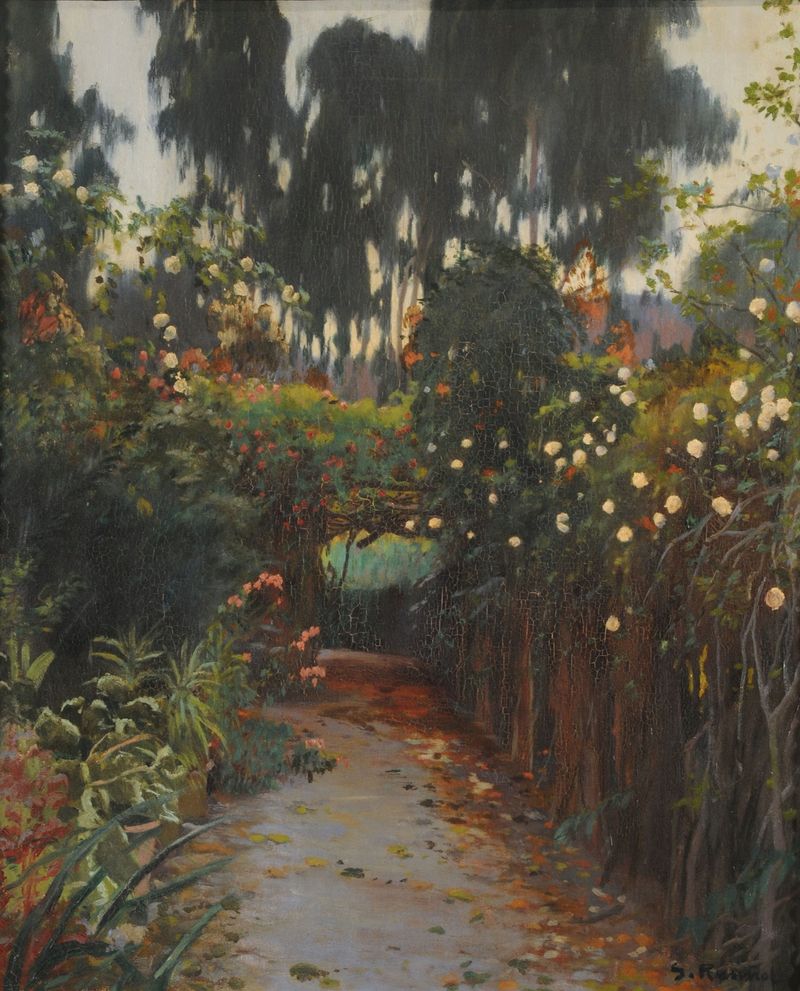
Camino de rosas
Santiago Rusiñol

Lavaderos De La Barceloneta
Santiago Rusiñol
Otoñal
Santiago Rusiñol

Cala Grisa
Santiago Rusiñol

Gardens of the Generalife
Santiago Rusiñol

Jardín De Sa Coma. Valdemosa
Santiago Rusiñol

La Fuente De Los Cipreses
Santiago Rusiñol





