
La Carrière — History & Facts
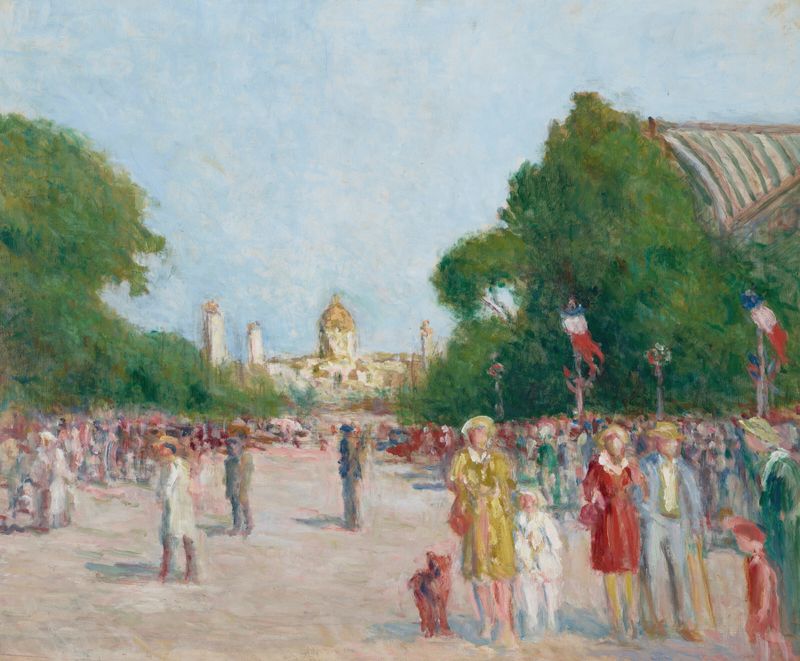
Can paint confess what words never could? In La Carrière, a tranquil moment unfolds, whispering secrets of serenity through bold brushstrokes and harmonious colors. The essence of quietude permeates the scene, inviting the viewer to pause and reflect on the profound simplicity of life captured on canvas. Look to the left where the gentle slope of the quarry reveals varying tones of earth, merging into the sky's soft blues and whites. Notice how the dappled sunlight dances across the figures, illuminating their quiet labor amidst the stone.
Each stroke conveys a sense of motion yet stillness, creating a rhythm that draws your gaze across the landscape while evoking the warmth of an afternoon glow. Hidden within the tranquility lies a deeper commentary on the laborers’ lives— their toil surrounded by beauty accentuates both hardship and resilience. The juxtaposition of rugged stone and gentle light symbolizes the harmony between nature and human endeavor, while the figures, though small, represent the dignity of work in a rapidly industrializing world. The serene backdrop amplifies the emotional weight of their labor, turning the mundane into a moment of introspection. Maximilien Luce painted La Carrière in 1899 during a pivotal time in France, where the Post-Impressionist movement was flourishing.
Engaged with the themes of everyday life, Luce's work reflects his affiliation with the Neo-Impressionists, exploring color and light effects while depicting scenes that resonate with social consciousness. As an artist dedicated to capturing the essence of human experience, he utilized this period to fuse his artistic practice with the changing landscape of society.
More Artworks by Maximilien Luce
Browse all →
Le Quai Montebello Et La Colline Sainte-Geneviève
Maximilien Luce

Le Pont-Neuf, La Seine, Petit Bras
Maximilien Luce
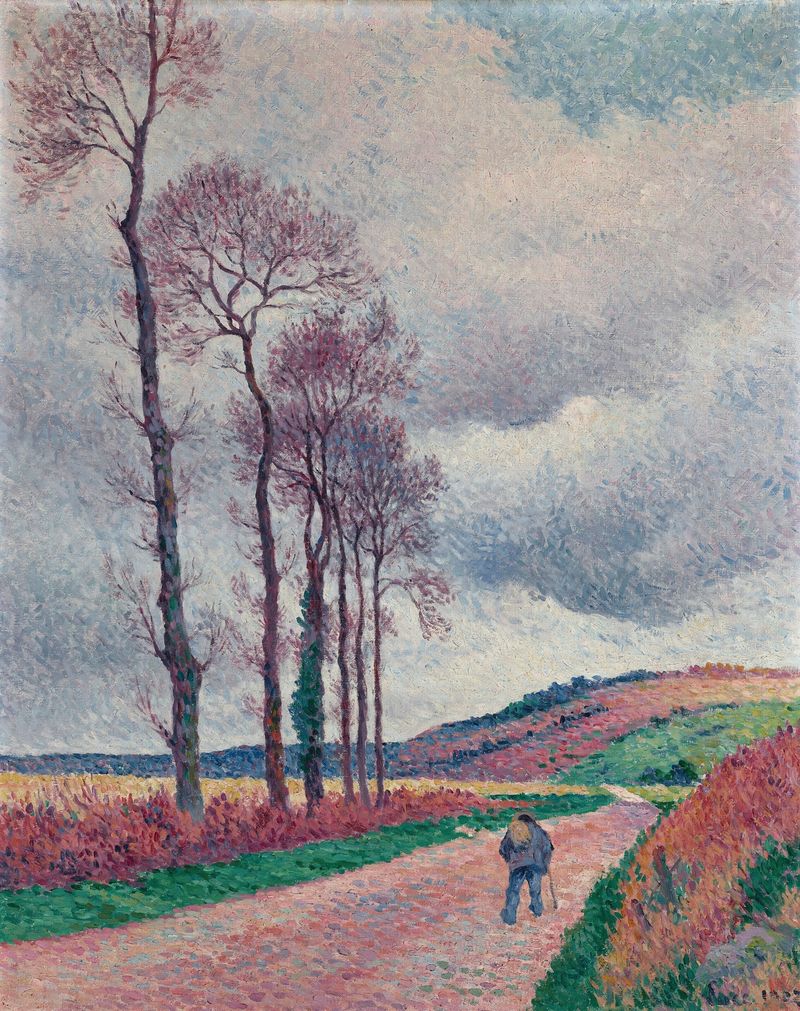
La route aux environs de Méréville
Maximilien Luce
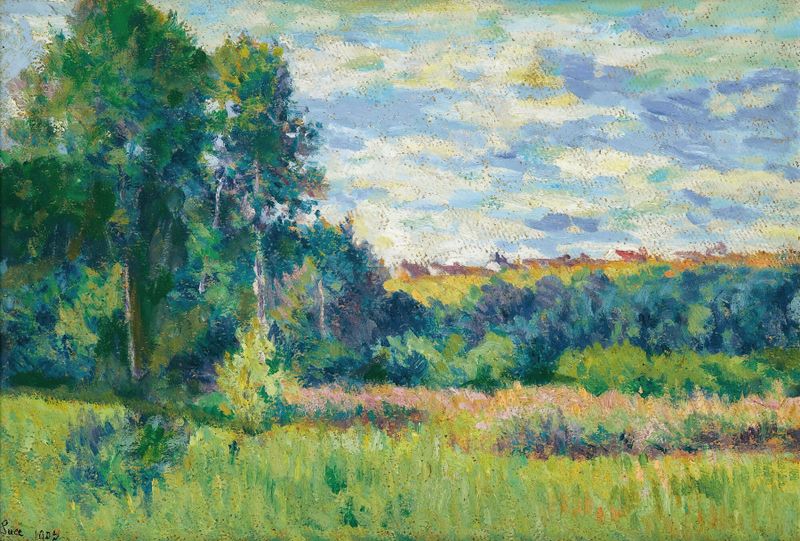
Paysage
Maximilien Luce
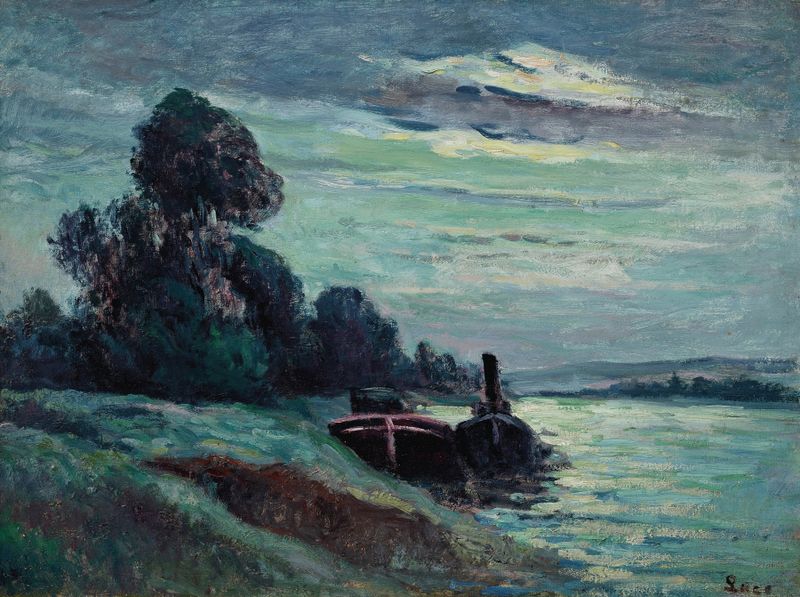
Péniches sur la Seine
Maximilien Luce

Notre Dame de Paris
Maximilien Luce
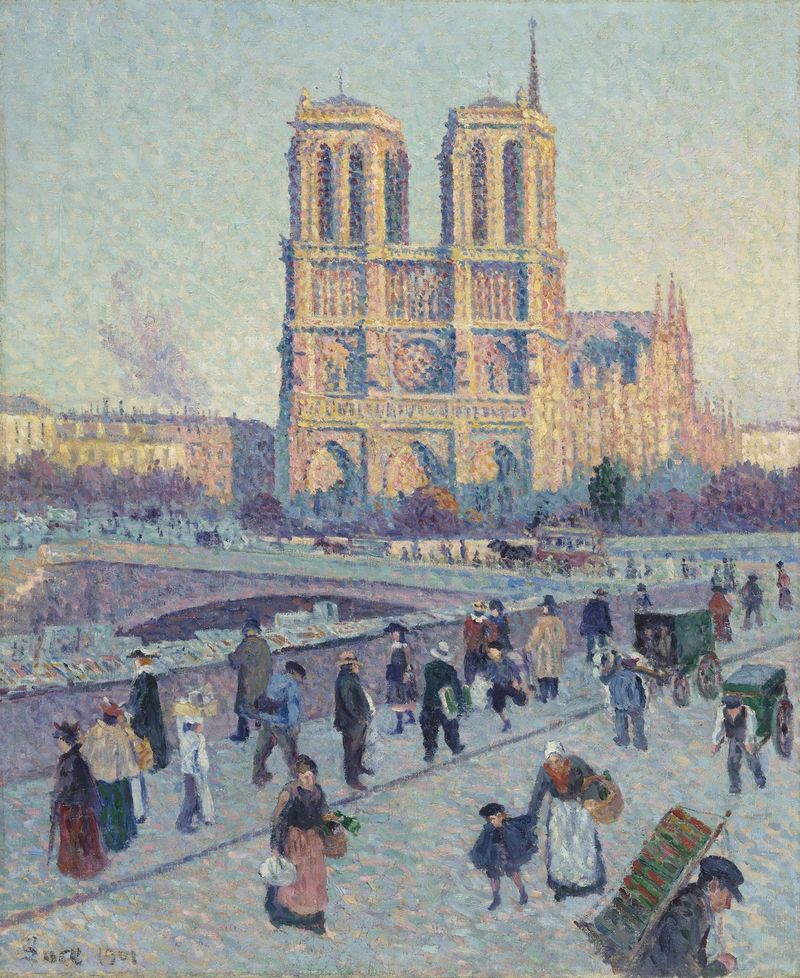
The Quai Saint-Michel and Notre-Dame
Maximilien Luce

La Seine au Pont Mirabeau
Maximilien Luce
L’avenue Winston-Churchill, Paris
Maximilien Luce

Paris, Le Quartier De Vaugirard
Maximilien Luce





