
La Chapelle de Guillaume Tell sur le Lac des Quatre Cantons — History & Facts
Can beauty exist without sorrow? The delicate interplay of light and shadow in this work reveals landscapes draped in the quiet tension of history, suggesting that even the most picturesque scenes harbor deeper narratives of conflict. Look to the left where the chapel stands poised against the serene backdrop of the lake, its white facade reflecting the soft blues of the water. Notice how the artist meticulously captures the rugged mountains in the distance, their jagged peaks contrasting with the tranquil surface of the lake below. The gentle brushstrokes create a sense of harmony, while the layered colors draw the viewer's eye across the composition, inviting contemplation of the juxtaposition between peace and the violence of nature. In this piece, the chapel symbolizes a refuge amidst the tumultuous history surrounding it.
The serene surface of the lake belies the undercurrents of human struggle, evoking thoughts of battles fought and the resilience of the spirit. The solitary structure stands as a testament to faith and survival, while the shadows cast by the mountains hint at looming threats, emphasizing the delicate balance between beauty and conflict. During the years from 1915 to 1945, Gabriel Lory the Younger painted this work in a turbulent Europe, marked by World War I and the rise of fascism. It was a time of immense change and turmoil in the world of art, where traditional forms were challenged and new movements emerged.
This painting reflects a desire to capture the serene landscapes of Switzerland, even as the shadows of war loomed large, blending a sense of nostalgia with the haunting realities of his era.
More Artworks by Gabriel Lory the Younger
Browse all →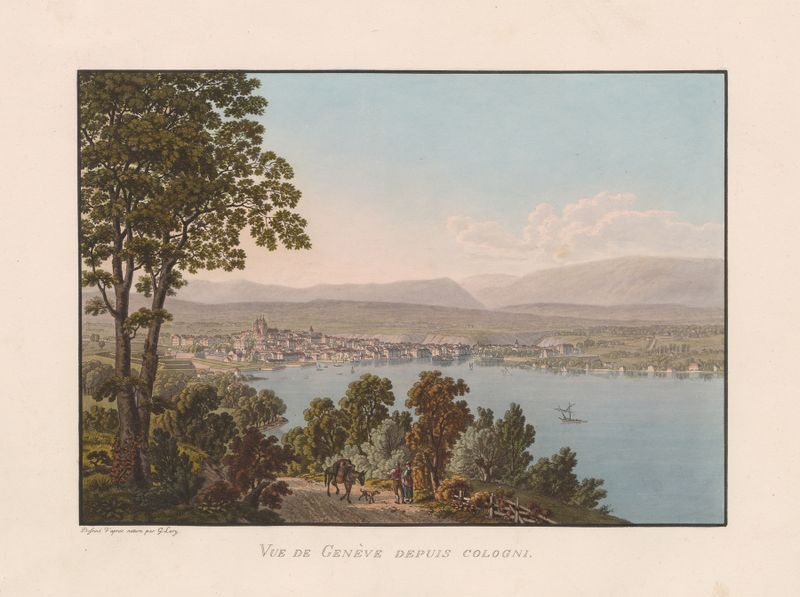
Vue de Genève depuis Cologni
Gabriel Lory the Younger
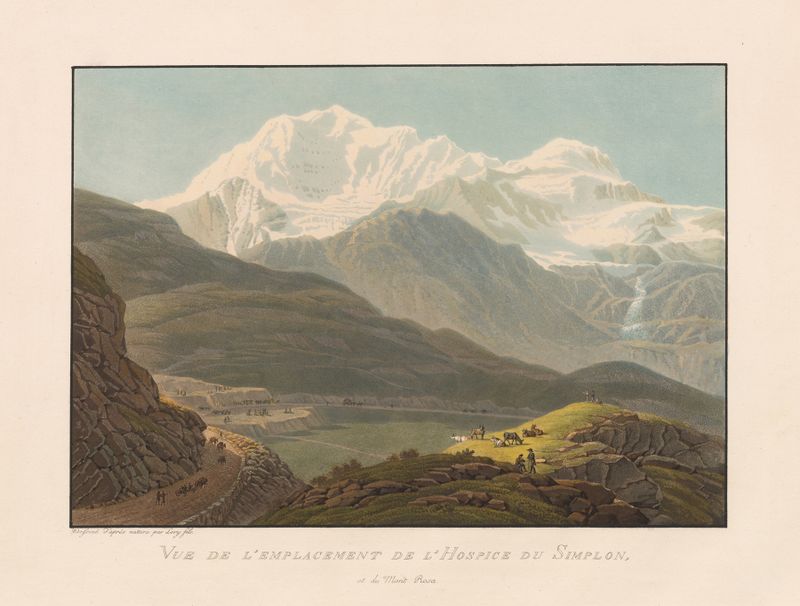
Vue de l’emplacement de l’Hospice du Simplon, et du Mont Rosa
Gabriel Lory the Younger
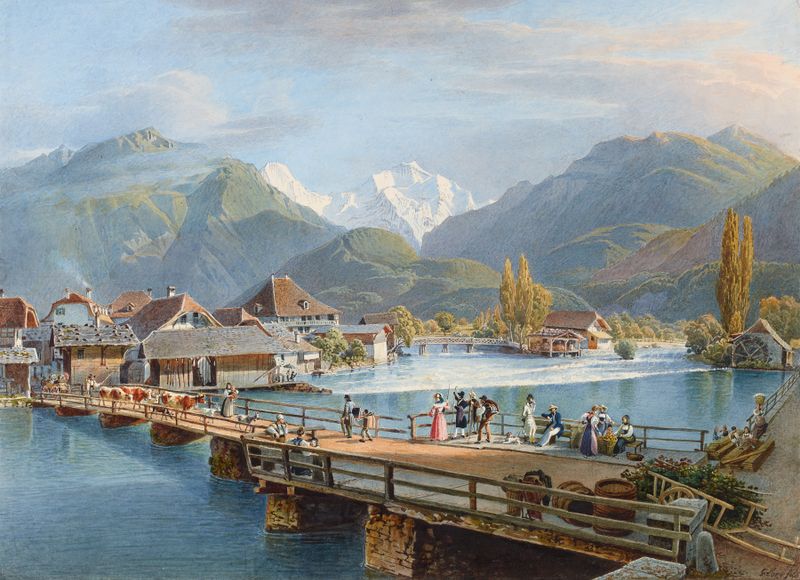
Unterseen mit Blick auf die Jungfrau
Gabriel Lory the Younger
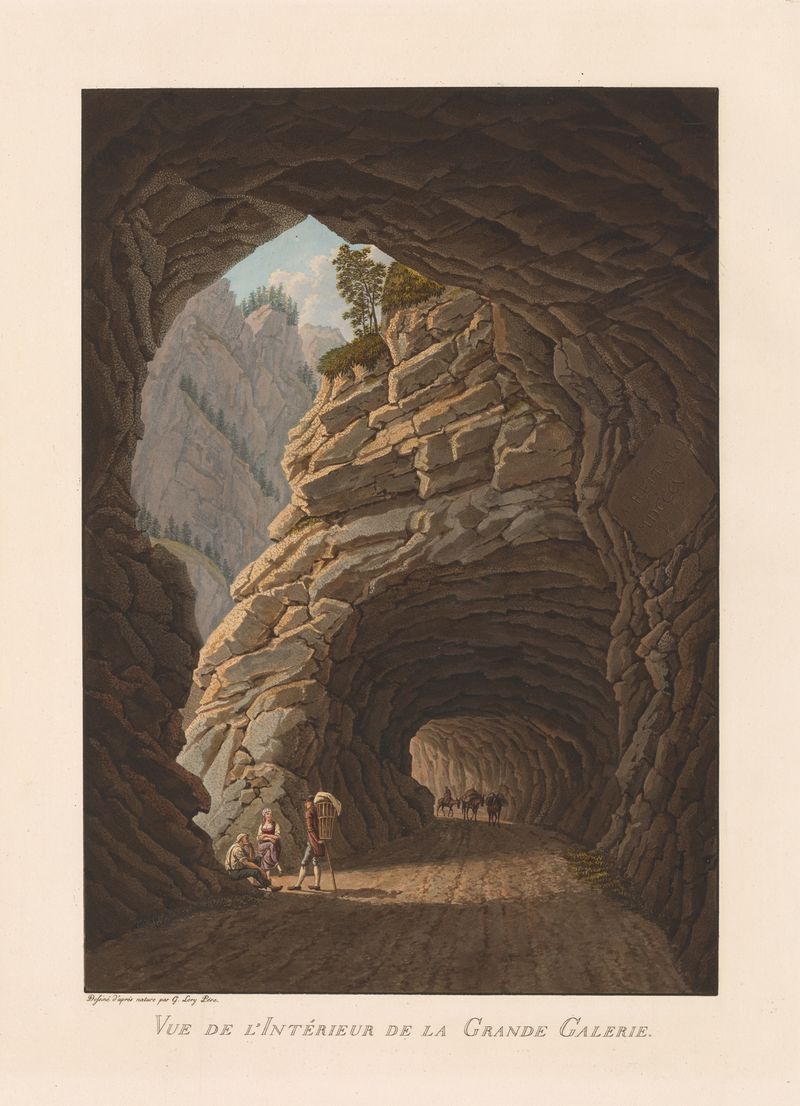
Vue de l’intérieur de la Grande Galerie
Gabriel Lory the Younger
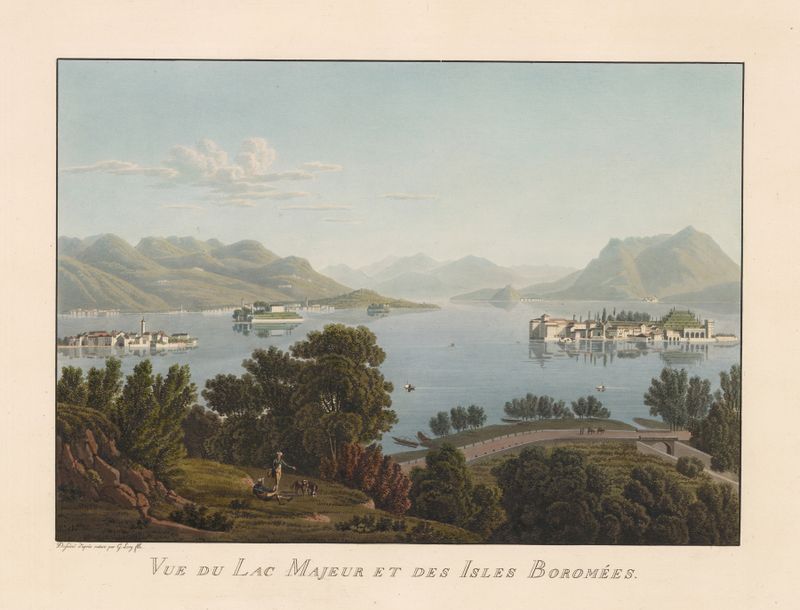
Vue du Lac Majeur et des Isles Boromées
Gabriel Lory the Younger
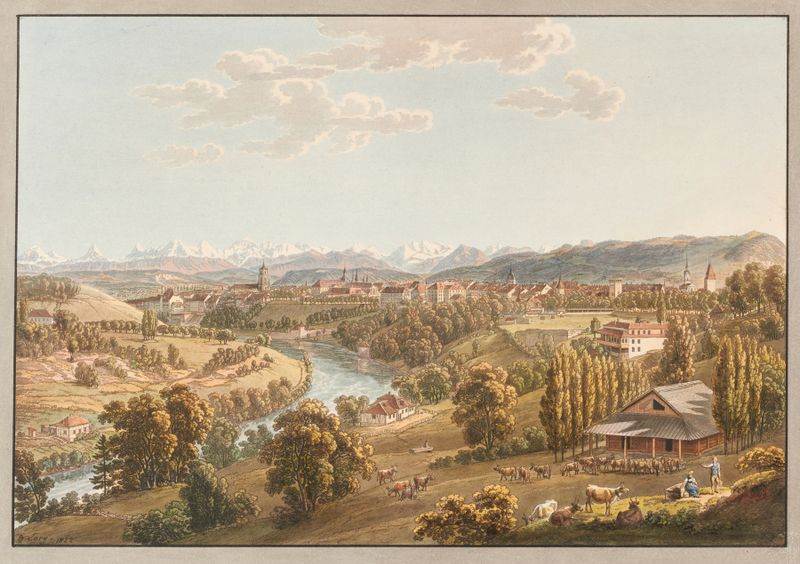
Vue de la ville de Berne
Gabriel Lory the Younger
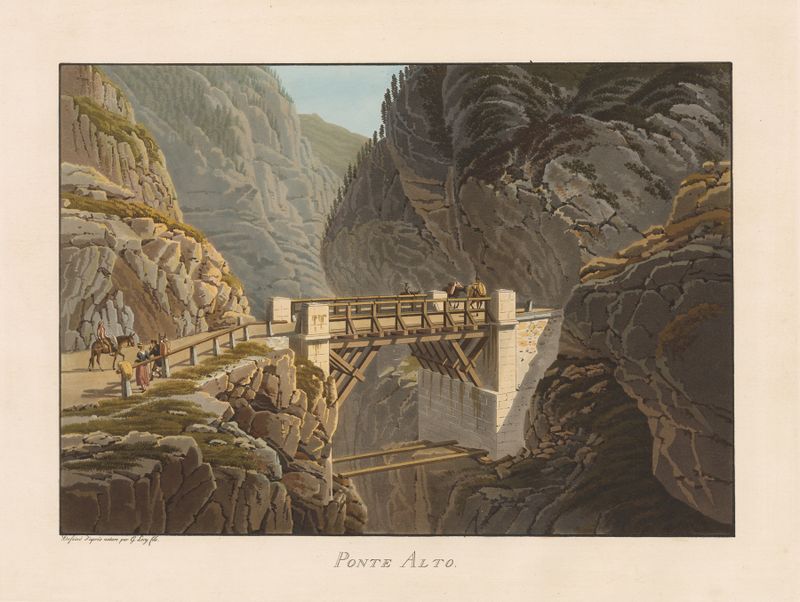
Ponte Alto
Gabriel Lory the Younger
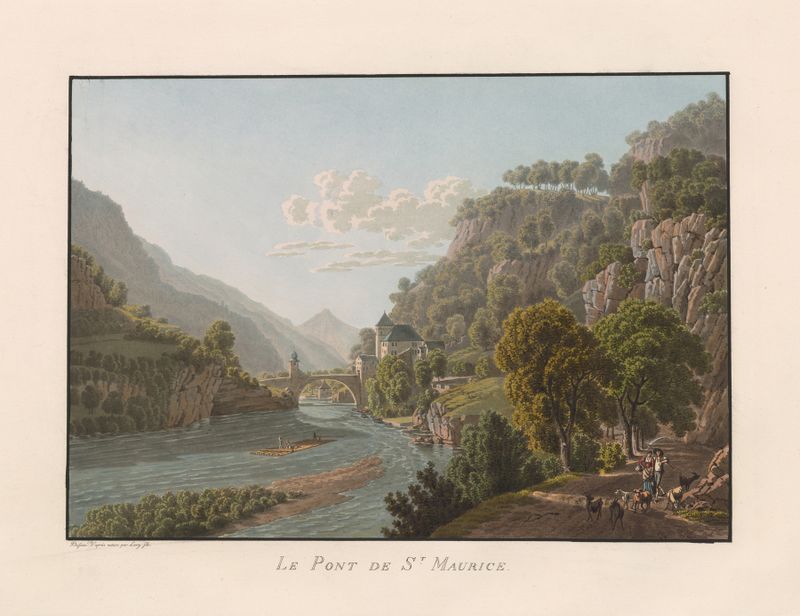
Le Pont de St. Maurice
Gabriel Lory the Younger
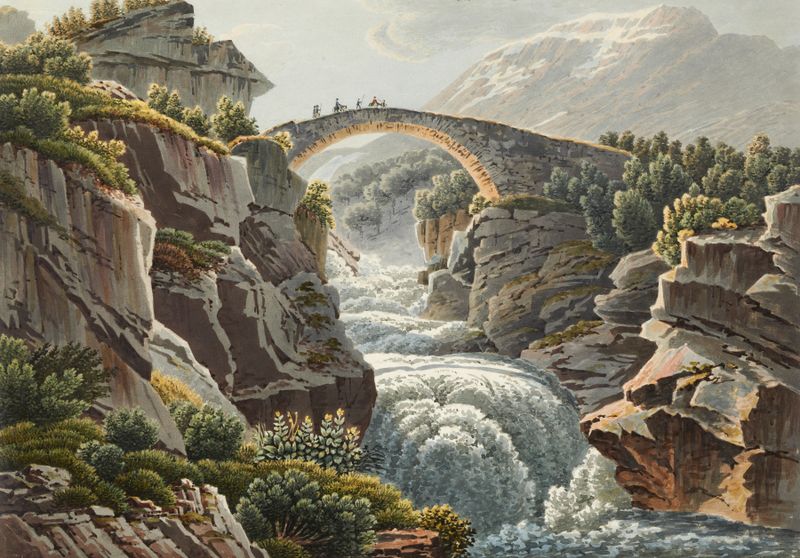
Pont sur l’Aar au passage du Grimsel
Gabriel Lory the Younger
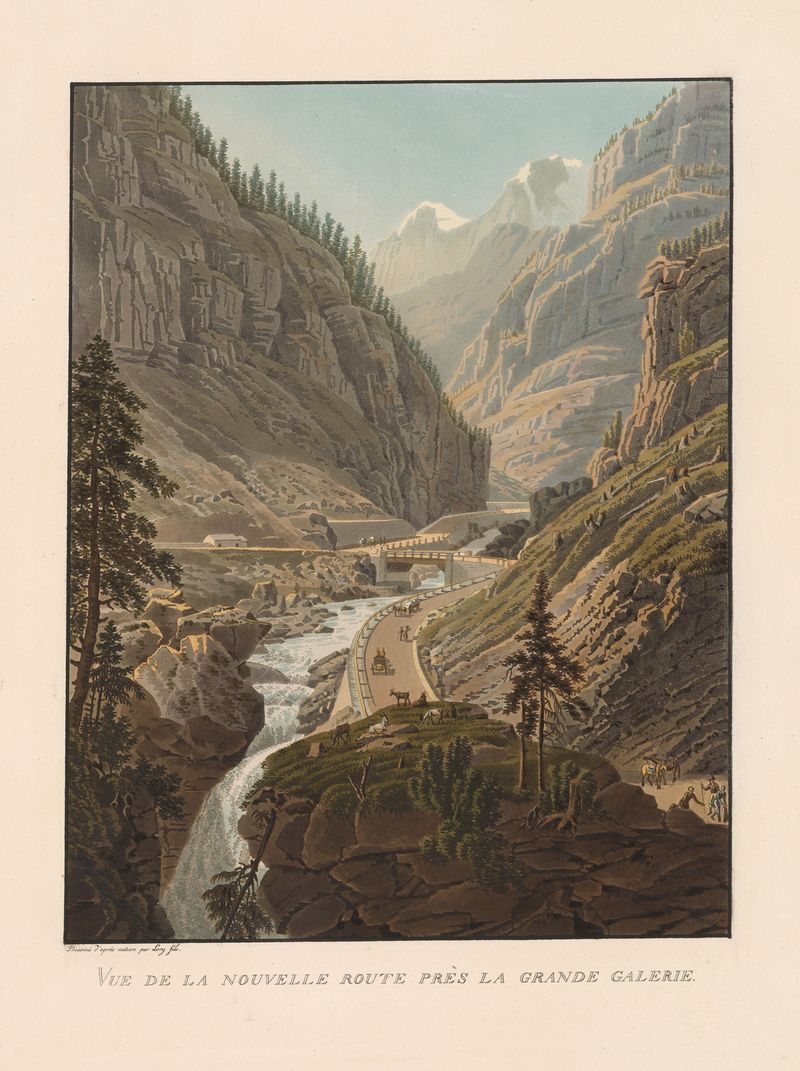
Vue de la nouvelle route près la Grande Galerie
Gabriel Lory the Younger





