Discover insights about this artwork
La Côte Du Jallais À Pontoise — History & Facts
In La Côte Du Jallais À Pontoise, Paul Cézanne presents a vibrant landscape filled with lush greenery and gentle hills. The painting features a serene river winding through the scene, reflecting the sky above. The colors are rich and varied, with deep greens, soft blues, and hints of warm earth tones.
The composition invites the viewer to explore the tranquil beauty of the French countryside. Cézanne's technique is evident in the brushstrokes, which are both deliberate and expressive. The layering of paint creates depth and texture, allowing the landscape to feel alive. The use of light and shadow adds dimension, enhancing the overall sense of realism.
This painting exemplifies Cézanne's innovative approach to landscape painting, blending observation with personal interpretation. Paul Cézanne, a key figure in the transition from Impressionism to Post-Impressionism, often painted scenes from his surroundings. La Côte Du Jallais À Pontoise is a reflection of his fascination with the natural world and his desire to capture its essence. Interestingly, this work showcases his evolving style, where he began to emphasize geometric forms and structure within the landscape.
It serves as a bridge between traditional representation and modern abstraction.
More Artworks by Paul Cézanne
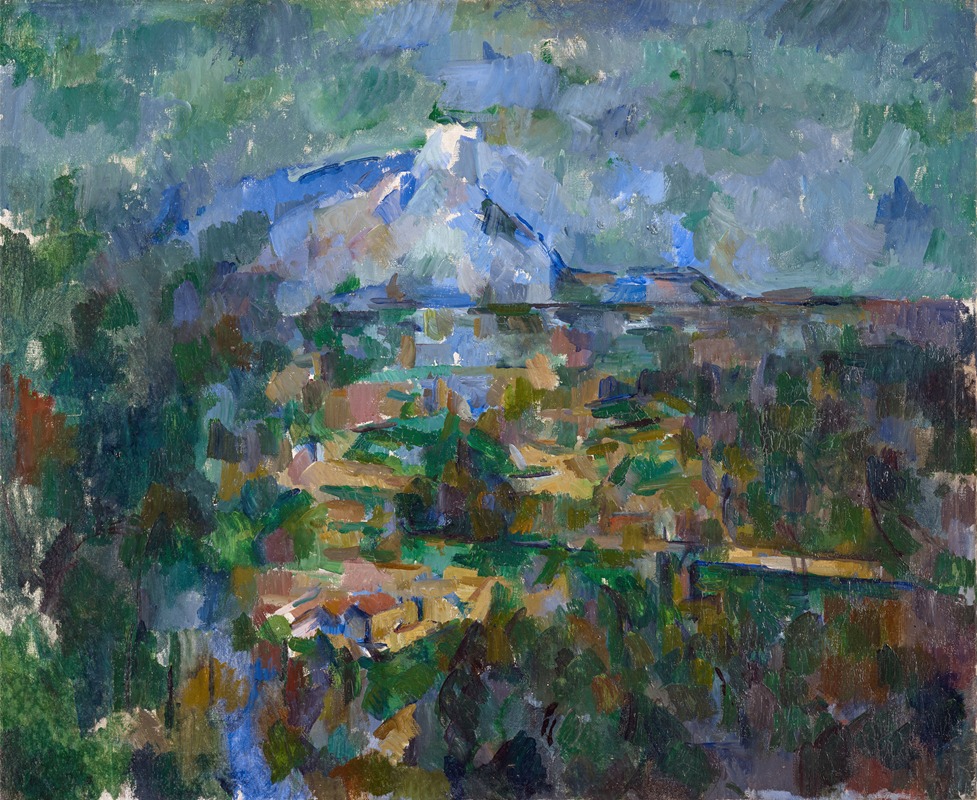
The Mont Sainte-Victoire Seen From Les Lauves
Paul Cézanne
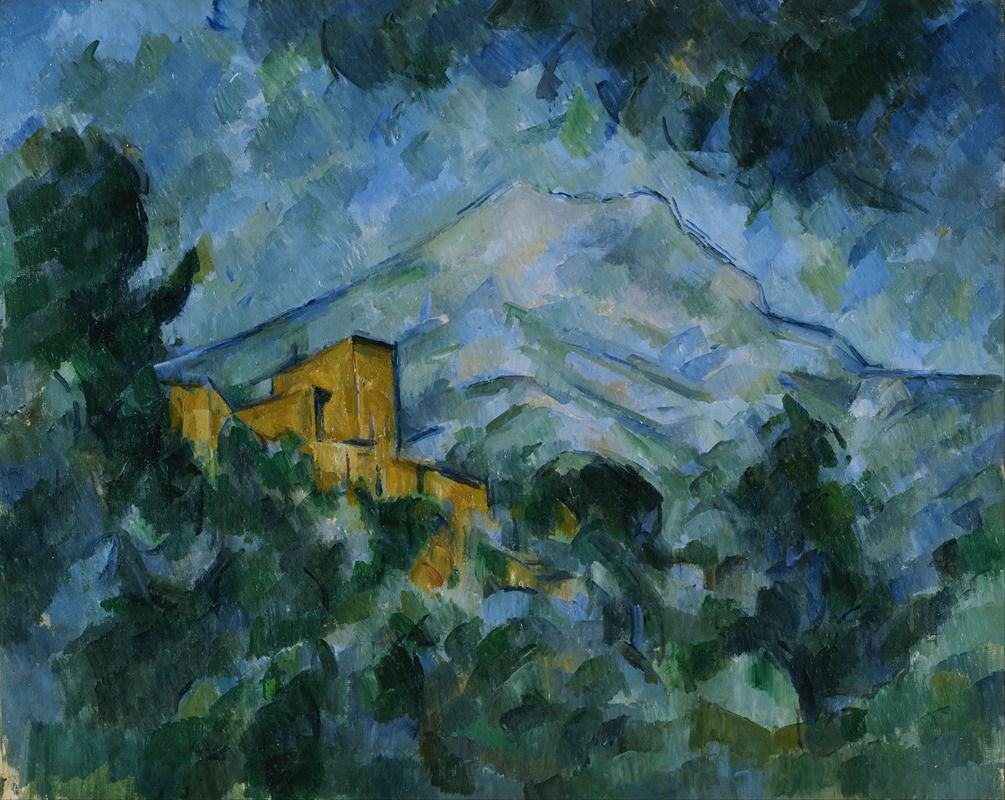
Mont Sainte-Victoire and Château Noir
Paul Cézanne
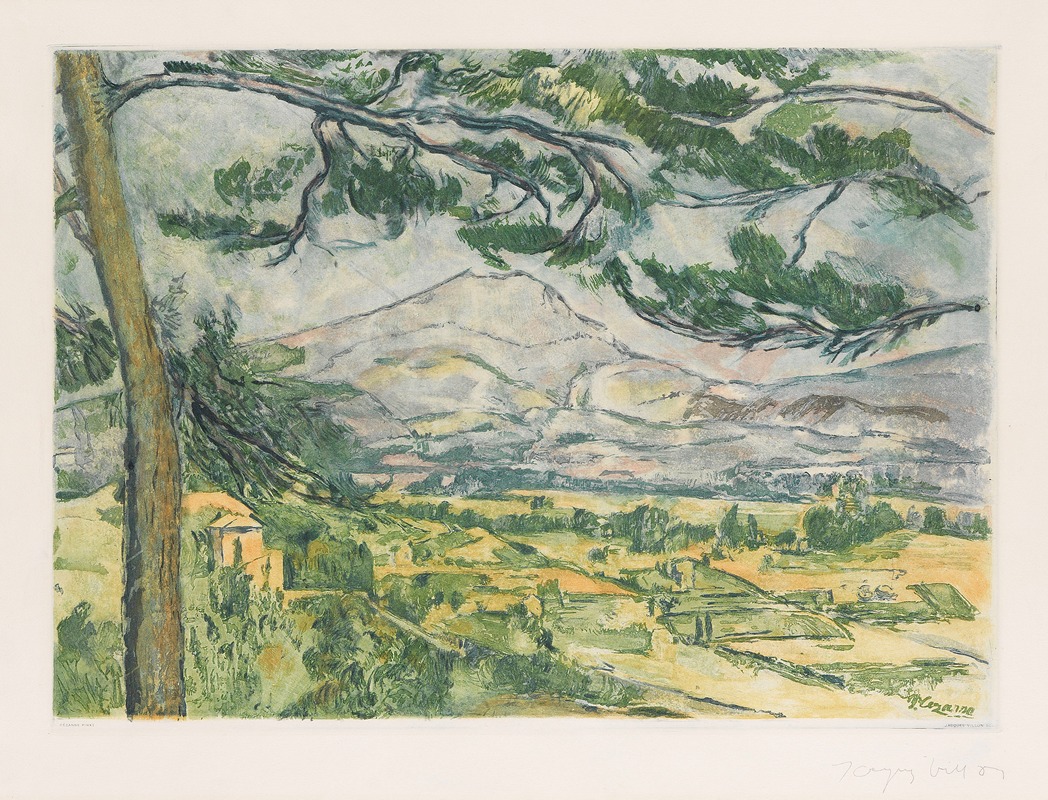
La Montagne Sainte-Victoire
Paul Cézanne
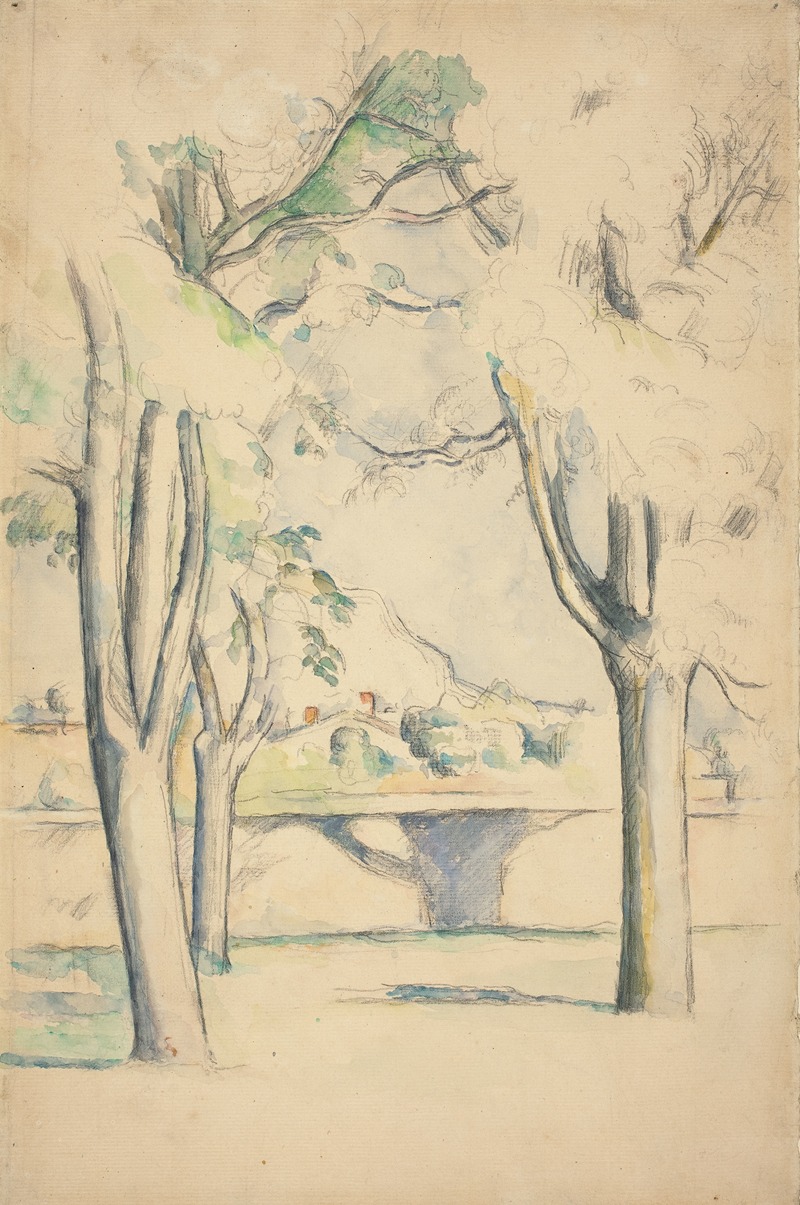
Mont Sainte-Victoire Seen beyond the Wall of the Jas de Bouffan
Paul Cézanne
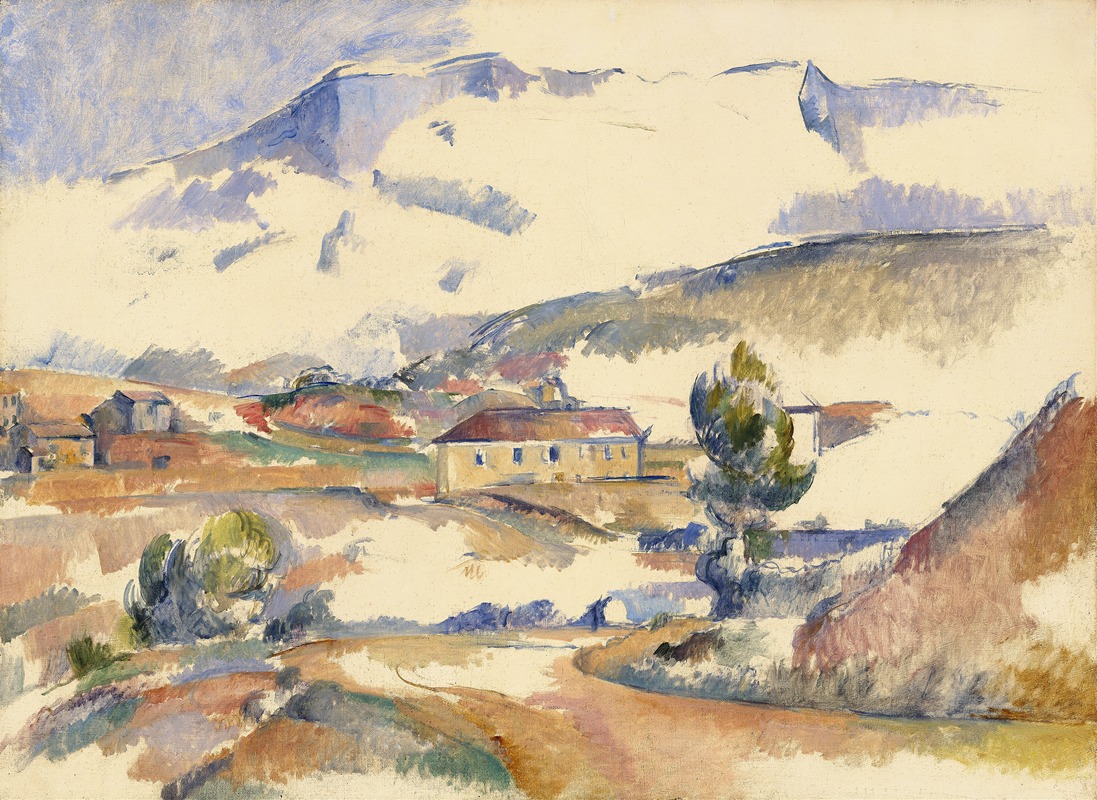
Montagne Sainte-Victoire,from near Gardanne
Paul Cézanne
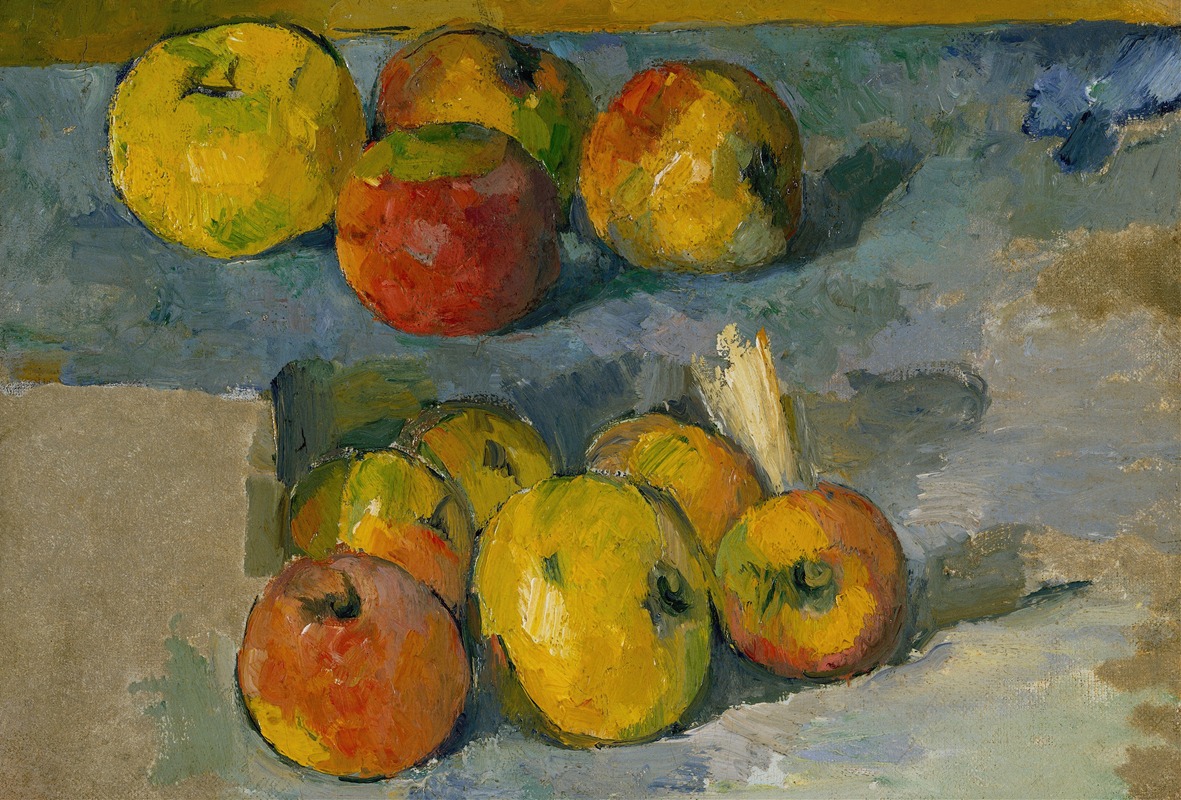
Apples
Paul Cézanne
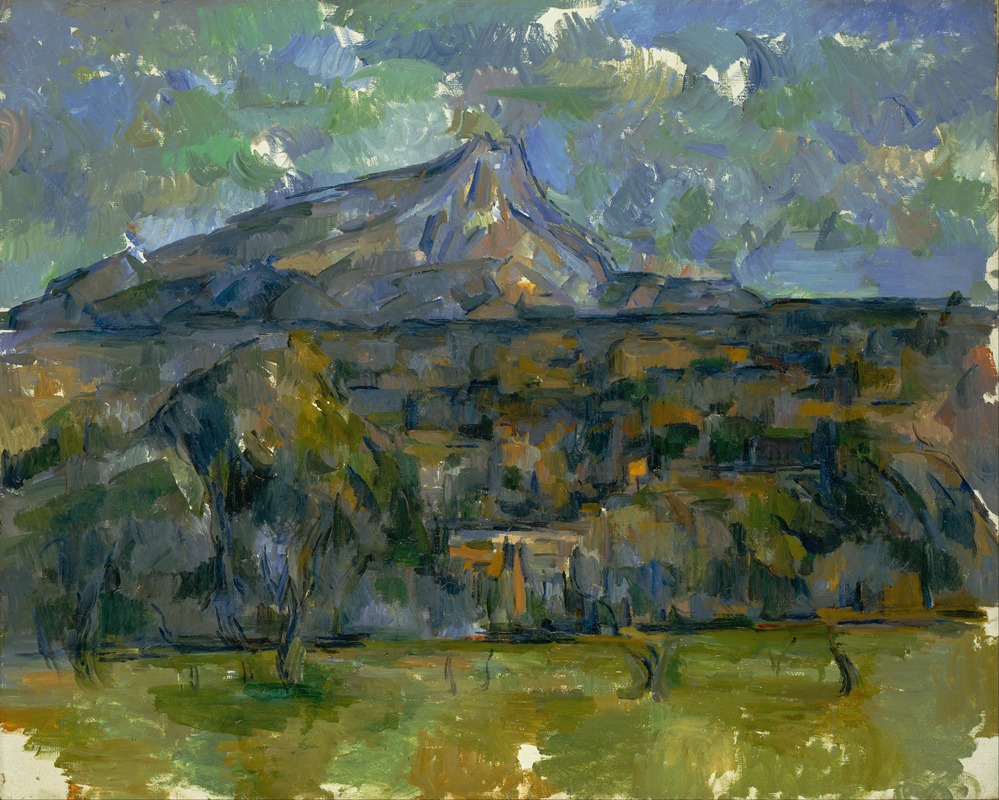
Mont Sainte-Victoire
Paul Cézanne
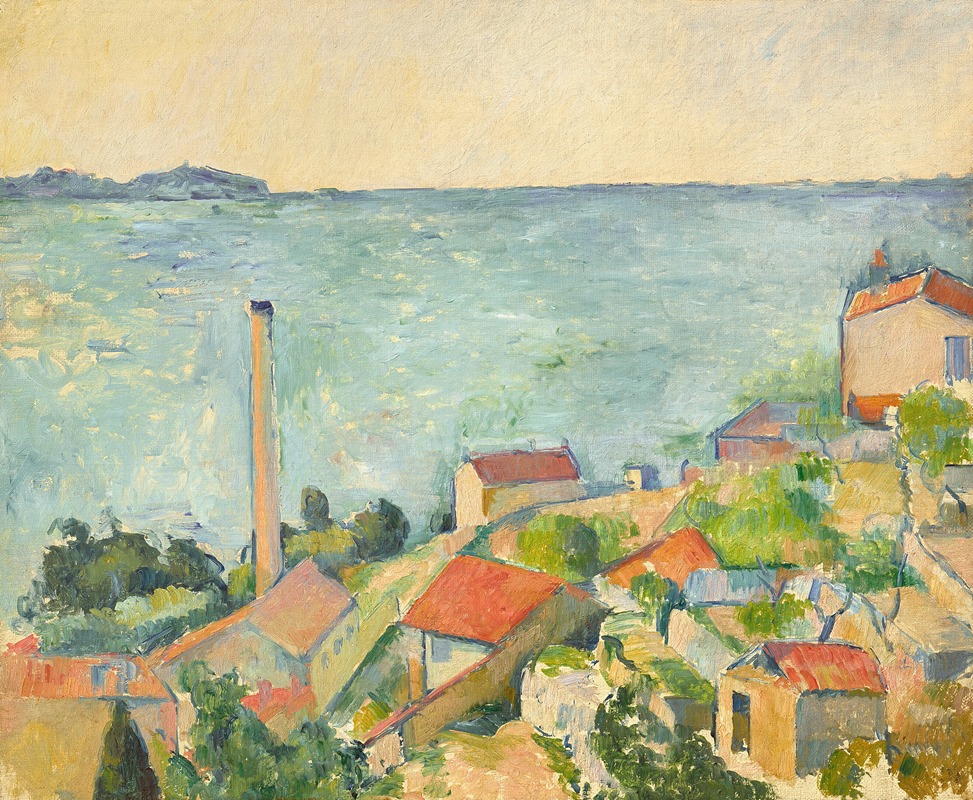
La mer à l’Estaque
Paul Cézanne
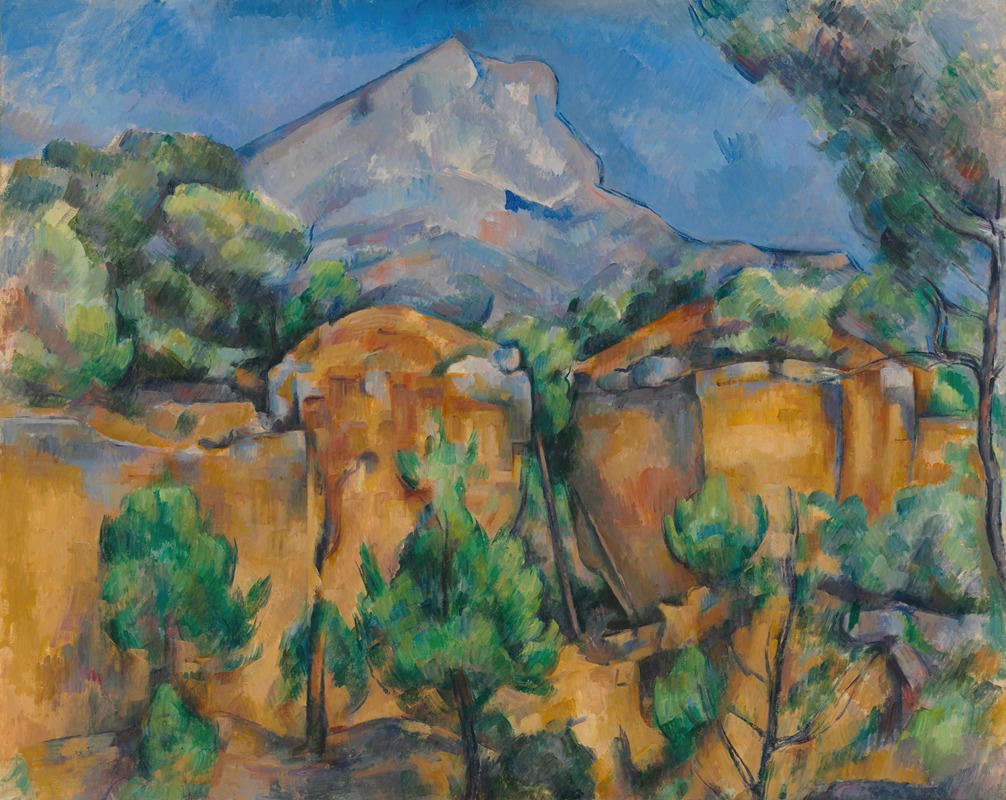
La Montagne Sainte-Victoire vue de la carrière Bibémus
Paul Cézanne
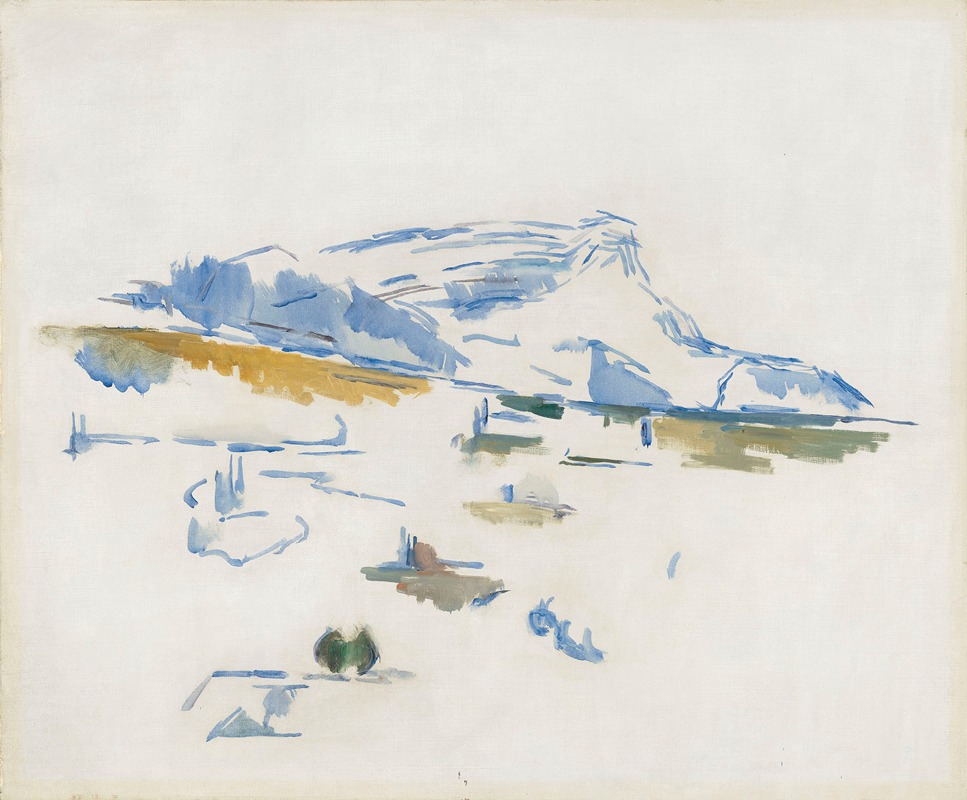
La Montagne Sainte-Victoire vue des Lauves
Paul Cézanne